How Zinc Fights Acne: Benefits for Clearer, Healthier Skin
Zinc is an essential mineral with anti-inflammatory and antimicrobial properties that make it a practical option for supporting acne care, especially when used alongside standard therapies. This article explains how zinc for acne works, the main benefits it provides for skin health, the most evidence-backed oral and topical forms, and practical guidance for different acne types including hormonal and cystic acne. Many readers want clear, actionable information about zinc dosage for acne, tolerability, and when to escalate care; this guide addresses those needs with current research and clinically relevant recommendations. You will learn the mechanisms behind zinc’s anti-inflammatory action, how zinc targets Cutibacterium acnes and sebum, which zinc salts are best tolerated, and how topical zinc PCA or zinc oxide can be incorporated into daily skincare. Finally, the article outlines how zinc can complement in-clinic procedures and when to consult a dermatologist for personalized plans.
What Are the Benefits of Zinc for Acne and Skin Health?
Zinc benefits acne and skin health primarily by reducing inflammation, inhibiting pathogenic skin bacteria, and supporting wound repair, which together promote clearer skin and improved scar outcomes. Current research shows zinc reduces pro-inflammatory cytokines and can directly impair Cutibacterium acnes growth, producing both symptomatic improvement and reduced lesion counts in mild to moderate acne. Zinc also contributes to collagen synthesis and epithelial repair, aiding scar reduction and limiting post-inflammatory hyperpigmentation when healing proceeds effectively. Understanding these mechanisms clarifies why zinc is considered an acne mineral that complements topical retinoids or antibiotics rather than replacing them. The next section explains the specific biochemical and microbial mechanisms by which zinc reduces inflammation and bacterial growth.
How Does Zinc Reduce Inflammation and Bacterial Growth in Acne?
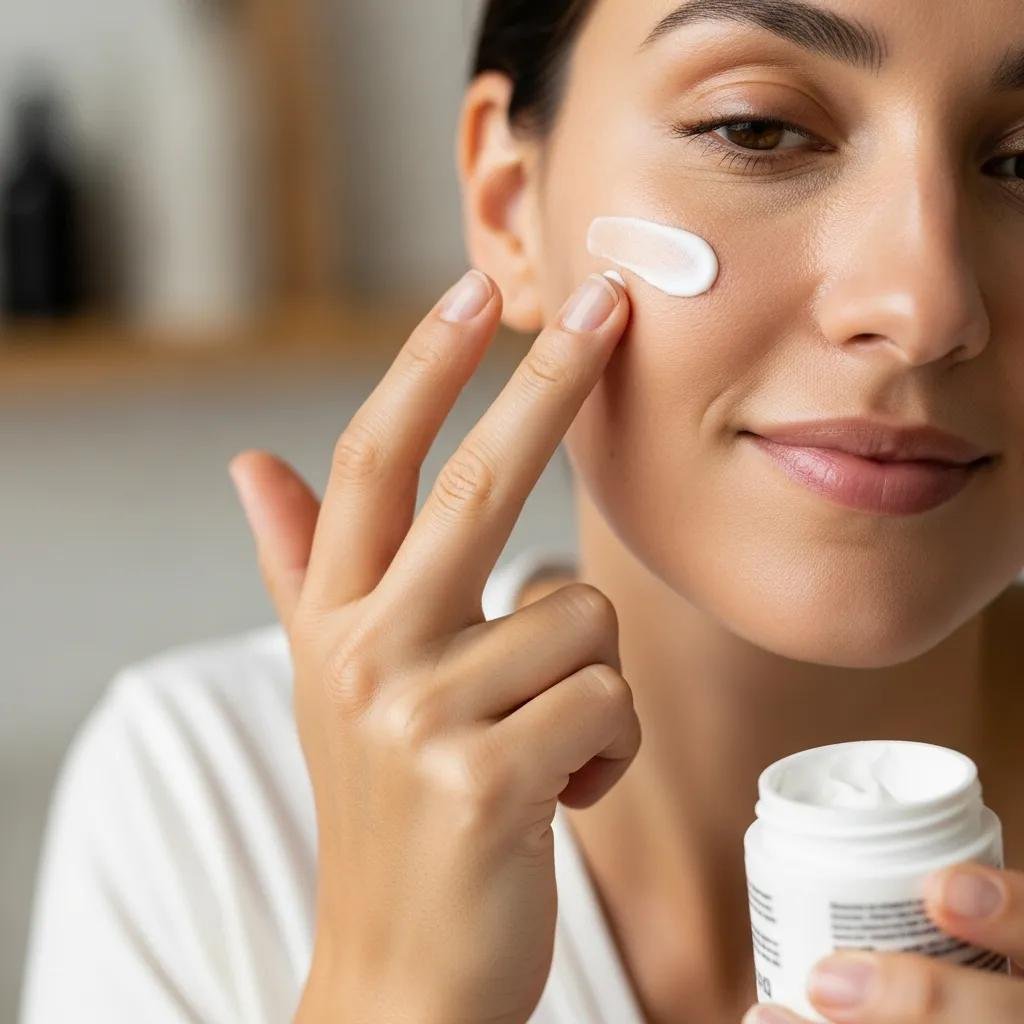
Zinc reduces inflammation by modulating immune cells and lowering levels of pro-inflammatory mediators, which decreases redness and lesion swelling associated with inflammatory acne. At the microbial level, zinc disrupts bacterial metabolism and biofilm formation, limiting proliferation of Cutibacterium acnes and reducing secondary inflammation. Recent studies indicate zinc influences metalloproteinase activity and cellular signaling that dampen cytokine cascades, creating a less reactive local environment conducive to healing. These immune and antimicrobial actions together explain why anti-inflammatory zinc supplementation or topical zinc formulations can reduce lesion severity over weeks. Understanding this balance of immune modulation and direct bacterial inhibition leads into how zinc also affects sebum production and scar healing.
What Role Does Zinc Play in Regulating Sebum and Healing Acne Scars?
Zinc influences sebaceous gland activity and may modulate androgen-related signaling to help reduce excess oil production, which lowers the substrate for acne formation. Additionally, zinc is a cofactor in collagen synthesis and tissue remodeling enzymes, promoting more organized wound repair and potentially reducing hypertrophic scarring and post-inflammatory hyperpigmentation. Clinical observations show improved healing trajectories when zinc status is adequate, though dramatic scar reversal typically requires combined topical or procedural interventions. For practical use, zinc supports skin resilience during active acne and can be part of a scar-prevention strategy that dovetails with clinical treatments. The following section compares the forms of zinc available for acne and their typical uses.
Which Forms of Zinc Are Best for Acne Treatment?
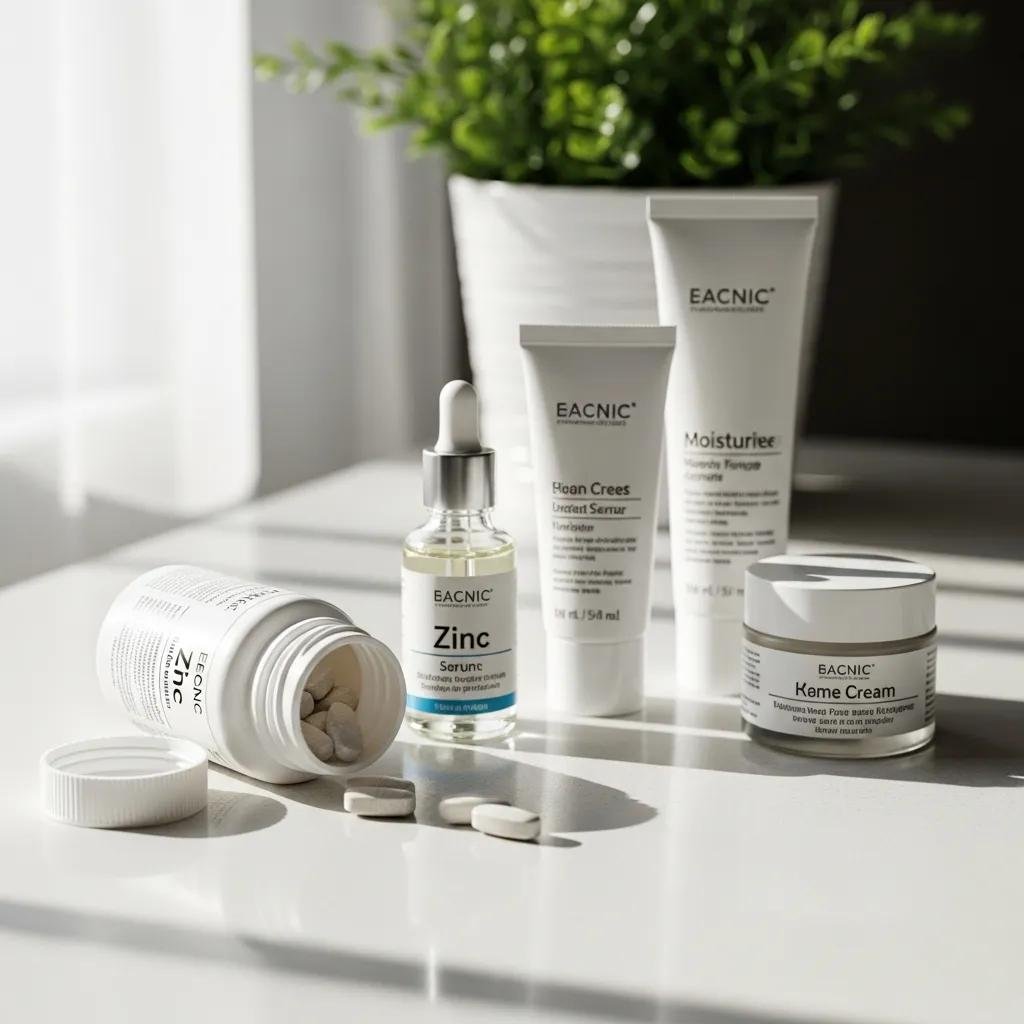
Choosing the right zinc form for acne depends on goals: oral salts for systemic anti-inflammatory effects and topical formulations for surface antimicrobial and oil-control benefits. Oral zinc salts differ in elemental zinc content and tolerability, while topical zinc PCA and zinc oxide provide targeted sebum regulation and barrier support with fewer systemic effects. Safety considerations include gastrointestinal side effects and possible copper depletion with prolonged high-dose oral zinc, so dosing and monitoring matter. Below are concise comparisons of oral salts followed by a practical table, then topical options with their typical roles and evidence level.
Introductory comparison of common oral zinc salts for acne:
| Supplement | Elemental Zinc (%) | Typical Dose for Acne | Common Side Effects |
|---|---|---|---|
| Zinc sulfate | ~23% | 50–150 mg elemental divided daily | Nausea, GI upset; stronger evidence in trials |
| Zinc gluconate | ~14% | 30–50 mg elemental daily | Better tolerated; moderate evidence |
| Zinc picolinate | ~20% | 15–50 mg elemental daily | Good absorption; fewer GI complaints |
This table shows how elemental zinc percentage and tolerability vary by salt and why clinicians select different salts based on evidence and patient tolerance. Now consider topical zinc options and their mechanisms.
Introductory comparison of topical zinc formulations used in acne care:
| Topical Option | Mechanism | Typical Use-Case |
|---|---|---|
| Zinc PCA | Sebum regulation + antimicrobial | Daily skincare for oily, acne-prone skin |
| Zinc oxide (non-nano) | Barrier, anti-inflammatory, antimicrobial | Sunscreen and calming formulations |
| Zinc oxide (nano variants) | Increased spreadability; emerging research | Used cautiously in leave-on products; evidence evolving |
These topical options illustrate that zinc PCA targets oil control and microbes, while zinc oxide adds anti-inflammatory barrier benefits; choice depends on product formulation and patient needs.
How Should Zinc Be Used for Different Types of Acne?
Practical use of zinc varies by acne type: for inflammatory and hormonal acne, oral zinc can serve as an adjunct to topical therapy; for severe cystic acne, zinc alone is unlikely to suffice and should augment medical or procedural care. Current research suggests modest benefit for oral zinc in reducing lesion counts over 8–12 weeks; patients and clinicians should view zinc as part of an inside-out strategy rather than a standalone cure. For scar-prone skin, consistent zinc status supports wound healing and reduces post-inflammatory hyperpigmentation (PIH) risk when combined with sunscreen and targeted topical agents. Below are clear, actionable recommendations for different acne presentations and when to seek specialist care.
- Hormonal Acne: Use zinc as adjunct therapy for 8–12 weeks while evaluating hormonal treatments with a clinician.
- Inflammatory Papulopustular Acne: Consider oral zinc with topical anti-inflammatory agents to shorten lesion duration.
- Cystic/Severe Acne: Refer to a dermatologist promptly; use zinc only as supportive therapy alongside systemic or procedural treatments.
These practical pathways clarify when zinc is helpful and when escalation to specialist care is warranted, which naturally leads to how Shore MedSpa & Bio Aesthetics integrates zinc into personalized plans.
After discussing usage patterns, Shore MedSpa & Bio Aesthetics in Rockville, MD can assess when zinc supplementation or topical zinc is appropriate as part of a tailored acne plan. Dr. Ronald Shore and the clinic team evaluate acne severity and may recommend zinc as an adjunct to in-clinic options, while advising on timing, dose, and monitoring to avoid interactions and side effects. Patients considering combined approaches can schedule a consultation to determine whether zinc supplementation complements procedures or prescription therapies. This clinical evaluation ensures zinc use is personalized and safe within an integrative treatment strategy.
Can Zinc Help with Hormonal and Cystic Acne?
Zinc can modestly help hormonally influenced acne by reducing inflammation and affecting sebum-related pathways, often improving lesion count over several weeks when used consistently. However, cystic acne with deep nodules typically requires systemic medical therapy and possible procedural interventions; zinc’s role there is primarily supportive for inflammation and healing. Recent studies suggest zinc is more effective for mild–moderate inflammatory acne than for severe nodulocystic disease, reinforcing the need for dermatology referral for escalation. Patients should expect gradual improvement and follow-up to adjust therapy as needed. Appropriate timing and realistic expectations guide integration with clinic-based treatments.
How Does Zinc Support Reduction of Acne Scars and Post-Inflammatory Hyperpigmentation?

Zinc supports collagen formation and modulates inflammatory processes, which helps wounds re-epithelialize more efficiently and may reduce scar severity when combined with proper wound care. For post-inflammatory hyperpigmentation, zinc’s anti-inflammatory effects lower melanocyte-stimulating signals that drive pigment deposition after lesions heal. Optimizing zinc status before and after procedures can enhance recovery and reduce downtime, but visible scar revision typically requires additional topical or procedural modalities. Integrating zinc into a comprehensive scar-prevention plan improves tissue repair and prepares skin for further in-clinic interventions.
How Can Zinc Complement Shore MedSpa’s Advanced Acne Treatments?
Zinc complements Shore MedSpa & Bio Aesthetics’ procedural acne treatments by supporting reduced inflammation, faster re-epithelialization, and improved comfort during recovery from chemical peels, microneedling, or laser resurfacing. When used as part of a personalized plan, zinc (oral or topical) can be timed to enhance healing while minimizing systemic side effects; consultation with the clinic ensures coordination with procedural schedules. Dr. Ronald Shore’s team incorporates nutritional optimization, including zinc assessment, when designing combined inside-out and outside-in protocols to improve outcomes and decrease the risk of prolonged PIH. Patients benefit most when zinc use is supervised within a tailored treatment pathway.
What Is the Synergy Between Zinc and Chemical Peels or Microneedling?
Zinc supports reduced post-procedure inflammation and may speed re-epithelialization after resurfacing treatments, which can shorten recovery and lower complication risks. Clinicians may advise starting or continuing zinc at safe doses around the procedural window to promote tissue repair, with individual timing to avoid interference with other medications or photosensitizing agents. The exact schedule should be personalized and confirmed by the treating clinician to balance benefits and safety. Proper integration of zinc enhances overall procedural outcomes and patient satisfaction when supervised by experienced providers.
Why Choose Personalized Acne Treatment Plans Combining Zinc and MedSpa Procedures?
Combining zinc supplementation or topical zinc with in-clinic procedures addresses acne’s root inflammatory and microbial drivers while simultaneously treating visible damage, delivering a comprehensive inside-out and outside-in approach. Personalized plans leverage clinician assessment to tailor zinc form, dose, and timing alongside procedures, optimizing healing, minimizing side effects, and targeting scars or PIH more effectively. For those seeking integrated care, an individualized consultation ensures that zinc use complements advanced therapies safely and strategically under dermatologic guidance. This integrated strategy maximizes the likelihood of clearer skin and durable cosmetic results.