Dermatologist vs. Med Spa: When to See Each for Skin Concerns
Choosing between a dermatologist and a med spa often comes down to whether a skin issue requires medical diagnosis or elective aesthetic improvement. This guide explains clear decision rules so you can identify when to seek medical dermatology versus non-surgical cosmetic care, helping you avoid delays in treatment and maximize safety and results. You will learn what a board-certified dermatologist does, which medical skin conditions need medical intervention, what typical med spa treatments address, and how to decide using practical red flags and a decision matrix. The article also compares services side-by-side, maps common conditions to recommended care paths, and outlines the specific benefits of a dermatologist-led med spa model. By the end you’ll have actionable criteria — based on diagnosis, severity, and cosmetic goals — to choose the right specialist for acne, suspicious moles, chronic rashes, wrinkle smoothing, or body-contouring.
What Is a Dermatologist and When Should You Consult One?
A dermatologist is a medical doctor specialized in diagnosing and treating skin, hair, and nail disorders, using clinical exams, laboratory testing, and surgical procedures when necessary. They apply medical dermatology to identify underlying causes, perform biopsies, prescribe systemic or topical medications, and conduct skin cancer screening to reduce long-term risk. Consulting a dermatologist is essential when symptoms suggest an underlying disease, when lesions change over time, or when prescription treatment and diagnostic procedures are needed to guide therapy. Understanding this clinical scope helps patients prioritize medical evaluation before pursuing cosmetic interventions that might mask symptoms.
What Medical Skin Conditions Does a Dermatologist Treat?
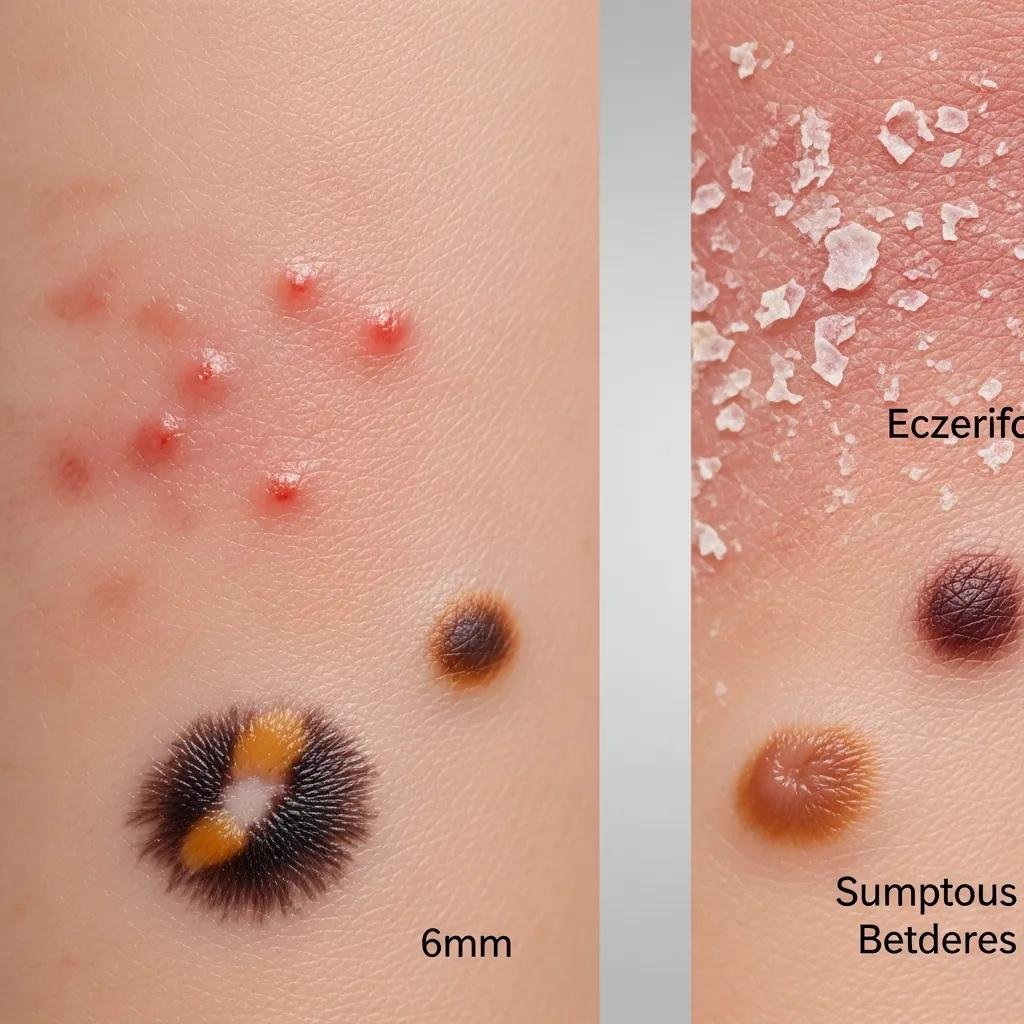
A dermatologist treats a wide range of medical skin issues that require diagnostic accuracy and prescription therapy. Common conditions include acne that resists over-the-counter care, inflammatory disorders such as eczema and psoriasis, chronic rosacea with persistent flares, and suspicious moles that warrant dermoscopic evaluation and possible biopsy. Dermatologists also manage infectious skin diseases, hair loss disorders, and perform skin cancer screening and excisions. If a lesion bleeds, rapidly changes shape or color, or coexists with systemic symptoms, a prompt dermatologic assessment is the safest next step.
How Does a Board-Certified Dermatologist Ensure Safety and Diagnosis?
Board certification signals additional training and standardization in dermatologic practice and supports accurate diagnosis and safe procedural care. Dermatologists use diagnostic tools such as dermoscopy, targeted biopsies, microbial cultures, and prescription monitoring to confirm or exclude serious conditions like skin cancer or autoimmune skin disease. Medical oversight reduces the risk of misdiagnosis and inappropriate cosmetic treatment that could mask or worsen underlying disease. Continuity of care — follow-up visits, medication adjustments, and coordinated referrals — ensures that diagnosis leads to effective, monitored treatment rather than isolated, episodic care.
What Services Does a Med Spa Offer for Cosmetic Skin Concerns?
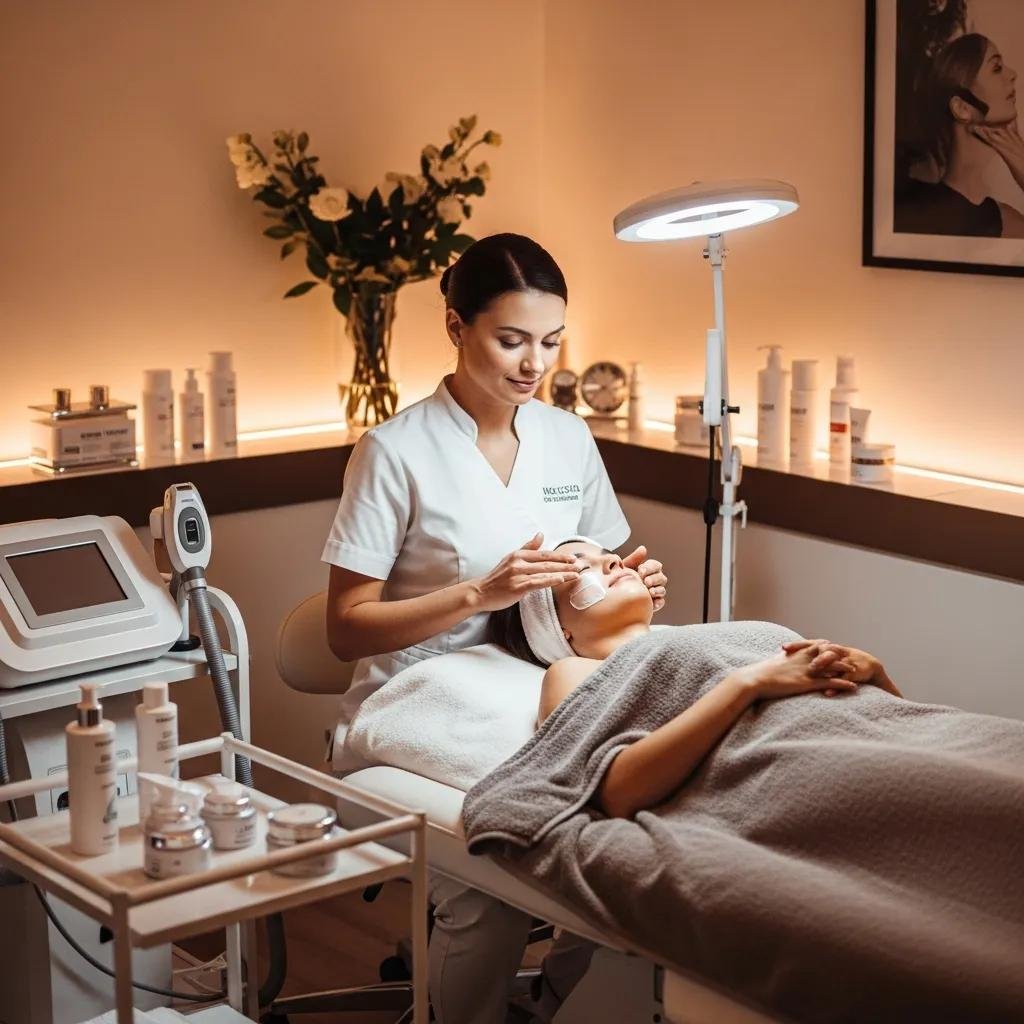
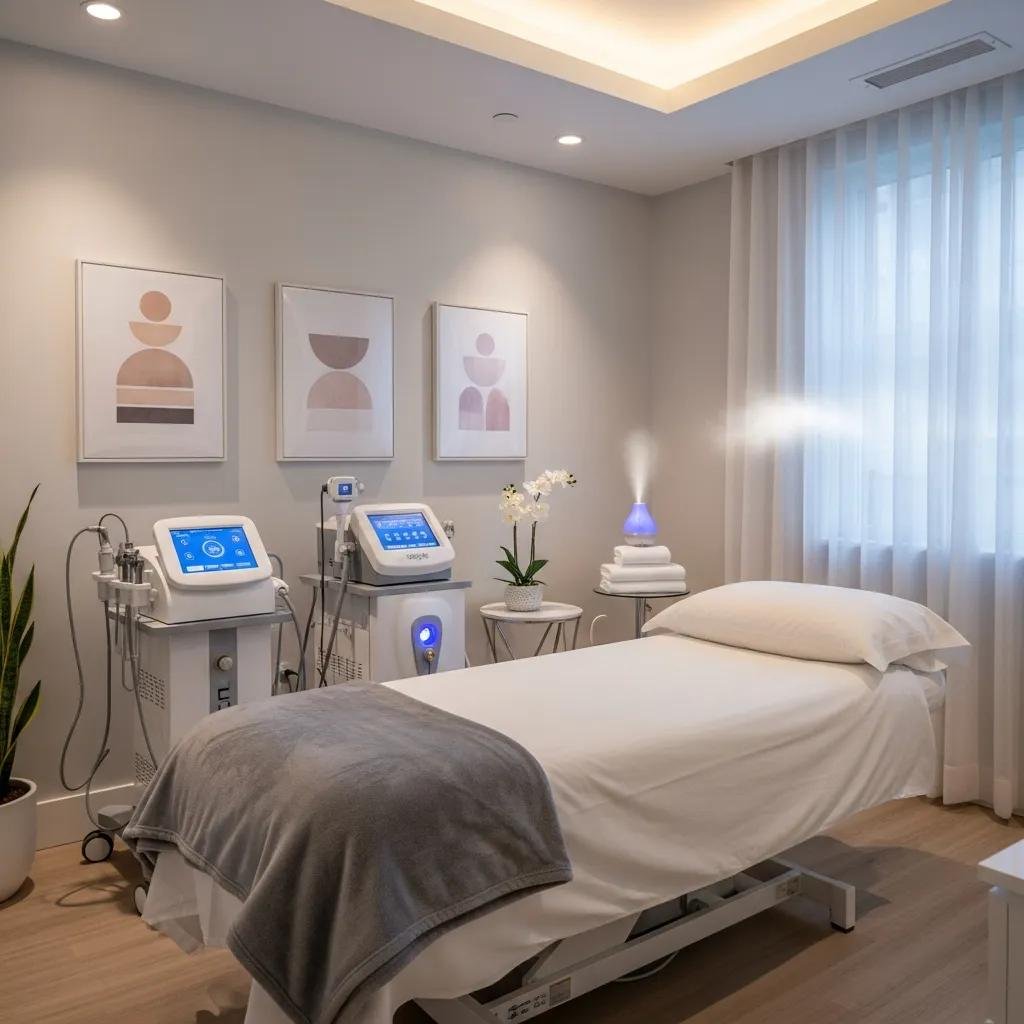
A med spa focuses on elective, non-surgical aesthetic treatments aimed at improving appearance, texture, and signs of aging using devices and injectables under varying levels of medical supervision. Common goals include smoothing dynamic wrinkles, restoring facial volume, reducing hair, and improving skin tone through resurfacing techniques. Med spas typically offer a combination of minimally invasive procedures performed by trained clinicians such as aesthetic nurses, physician assistants, or licensed aestheticians, with medical oversight that can vary by facility. Recognizing the cosmetic focus of med spa services helps patients set realistic expectations and check supervision before booking advanced procedures.
Med spas commonly provide these cosmetic treatments:
- Botox and neuromodulators: relax dynamic facial lines for a smoother appearance.
- Dermal fillers: restore volume and sculpt contours to reduce hollowing.
- Laser resurfacing and IPL: treat pigmentation, sun damage, and texture irregularities.
These procedures target appearance rather than diagnosing disease; consult a medical dermatologist first if you suspect an underlying medical condition.
Different med spa treatments address specific cosmetic goals and supervision varies by provider; the table below clarifies typical matches.
| Treatment | Cosmetic Goal | Typical Provider / Supervision |
|---|---|---|
| Botox / Neuromodulators | Reduce dynamic wrinkles | Administered by RN/PA under physician oversight |
| Dermal Fillers | Restore facial volume and contours | Injected by qualified clinician with medical supervision |
| Laser Resurfacing | Improve texture and pigment | Performed by trained provider; physician oversight recommended |
| Microneedling / Chemical Peels | Stimulate collagen, improve tone | Aesthetician or RN with medical protocols |
| Body-contouring (e.g., non-invasive) | Reduce focal adiposity | Technician supervised by medical director |
This table highlights which treatments serve specific cosmetic aims and who commonly provides them; confirm supervision details for safety and outcomes.
How to Decide Between a Dermatologist and a Med Spa for Your Skin Needs?
Deciding starts with whether the priority is medical diagnosis and treatment or elective cosmetic improvement. Choose a dermatologist when assessment, prescription medication, biopsy, or surgical excision may be required; consider a med spa when goals are elective aesthetic changes and skin health is otherwise stable. For many patients, a combined approach — medical diagnosis followed by aesthetic optimization — yields the best outcomes. The decision matrix below maps common conditions to recommended care paths to make this choice straightforward and actionable.
When to see which provider — simple rules:
- See a dermatologist if you have changing moles, bleeding lesions, persistent or severe rashes, or acne unresponsive to OTC treatments.
- Consider a med spa if your main goal is elective wrinkle smoothing, superficial resurfacing, or hair removal and there are no suspicious symptoms.
- Both / integrated care is advisable when medical conditions coexist with cosmetic concerns that require coordinated planning.
Decision matrix mapping common conditions to recommended specialist:
| Condition | Severity / Red Flags | Recommended Specialist |
|---|---|---|
| Changing mole | Rapid color/shape change, bleeding | Dermatologist |
| Mild photoaging/wrinkles | No suspicious lesions | Med Spa |
| Moderate to severe acne | Scarring, nodules, systemic impact | Dermatologist |
| Desire for fillers/Botox | Cosmetic volume/lines, no medical issues | Med Spa |
| Persistent rash | Widespread, itchy, systemic signs | Dermatologist |
This matrix simplifies triage by linking signs to the specialist most likely to provide safe, appropriate care.
After weighing the clinical criteria above, some patients benefit from a dermatologist-led med spa model that combines both pathways. A brief integrated option can streamline care by ensuring medical oversight during cosmetic procedures and enabling referrals when medical dermatology is needed.
For patients wanting integrated care: Shore MedSpa & Bio Aesthetics operates a hybrid model that combines med spa aesthetic treatments with medical dermatology oversight. Led by board-certified dermatologist Dr. Ronald Shore, the practice offers procedures such as Botox, fillers, laser resurfacing, microneedling, chemical peels, SculpSure, and medical weight loss alongside medical dermatology and personalized treatment planning. The practice serves patients in Rockville, MD, and nearby communities including Bethesda, North Bethesda, Silver Spring, and Potomac.
What Are the Benefits of a Dermatologist-Led Med Spa Model?
A dermatologist-led med spa model brings medical expertise directly into aesthetic care, improving safety, diagnosis, and long-term treatment planning for combined concerns. Medical oversight reduces procedural risk by identifying contraindications, supervising device settings, and providing rapid access to prescriptions or diagnostic testing if unexpected findings arise. Integrated planning also allows sequencing medical and cosmetic treatments to optimize healing and aesthetic outcomes, reducing the likelihood of complications and ensuring natural-looking results. These advantages make a dermatologist-led model especially useful when patients have both medical skin issues and cosmetic goals.
How Does Shore MedSpa & Bio Aesthetics Integrate Medical Expertise and Aesthetic Care?
Shore MedSpa & Bio Aesthetics is led by board-certified dermatologist Dr. Ronald Shore and offers a hybrid approach that combines traditional med spa aesthetic treatments with medical dermatology oversight. The practice provides common aesthetic procedures along with medical dermatology services and personalized treatment plans, enabling coordinated diagnosis and elective care. It serves Rockville, MD, and surrounding communities such as Bethesda, North Bethesda, Silver Spring, and Potomac, offering local access to combined medical and cosmetic expertise.
Why Is Medical Supervision Important for Safety and Natural Results?
Medical supervision identifies contraindications, interprets skin pathology, and tailors treatment sequences to each patient’s skin biology, lowering the risk of adverse outcomes. Supervised care enables rapid intervention if complications occur and ensures prescriptions or surgical management are available when cosmetic treatments reveal or coincide with medical issues. Supervision also supports natural results by calibrating treatment intensity, device parameters, and filler volumes based on medical assessment rather than a one-size-fits-all approach. Prioritizing medical oversight helps patients achieve desired aesthetic improvements without sacrificing safety or long-term skin health.