
Vitamin C Benefits for Skin Health: Brightening, Antioxidant Protection & Collagen Boost Explained
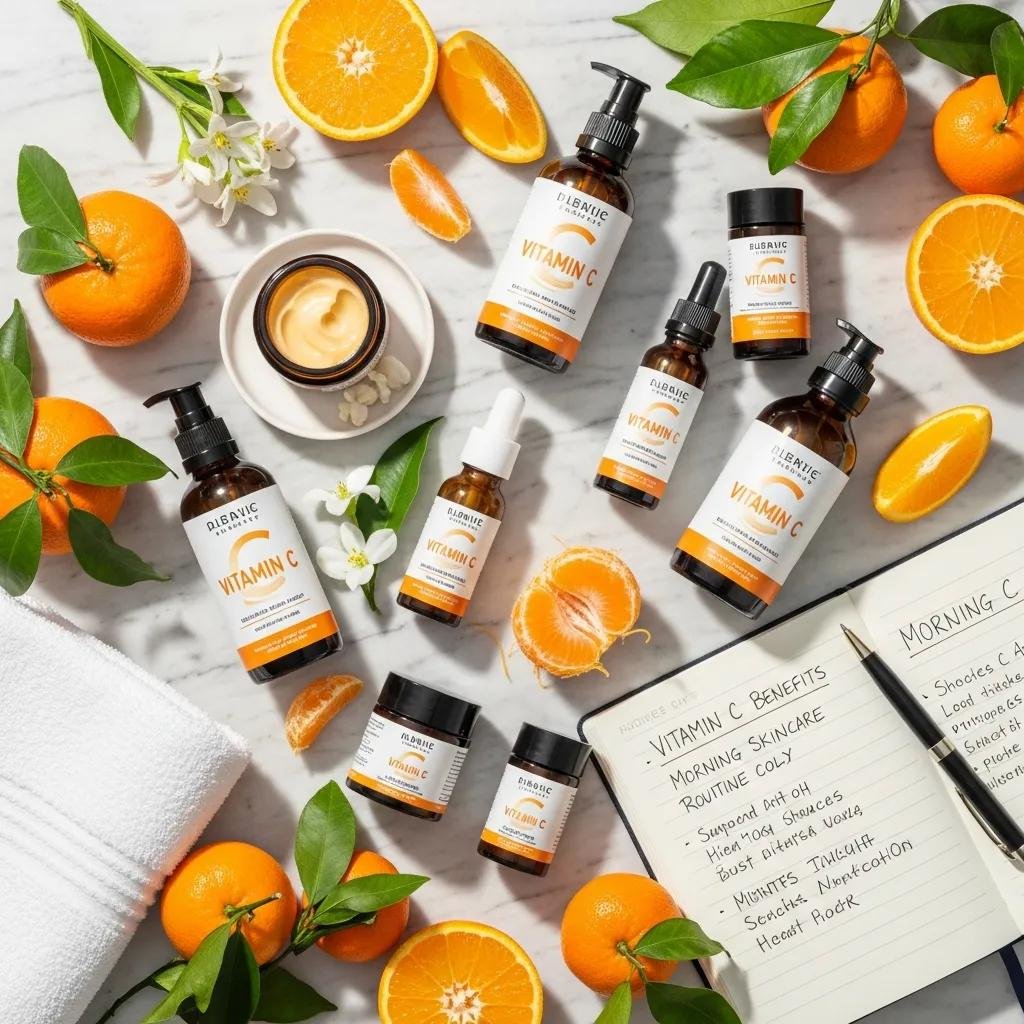
Topical Vitamin C, primarily L-ascorbic acid, is a potent skincare active that brightens complexion, neutralizes oxidative stress, and supports collagen synthesis for firmer skin. This article explains how Vitamin C works at the molecular level, what outcomes to expect for hyperpigmentation and photodamage, and how topical and professional approaches amplify its effects. Many readers struggle with uneven tone, early fine lines, and daily environmental stressors; understanding Vitamin C’s mechanisms clarifies practical selection and layering strategies. Following a concise review of brightening, antioxidant protection, collagen stimulation, and professional medspa applications, you’ll find evidence-based tips for choosing serums, pairing antioxidants, and when to consider in-office procedures. The sections cover key brightening benefits, antioxidant action and synergies, Vitamin C’s role as an essential cofactor for collagen, and the medspa treatments that complement topical regimens. Overall, current research shows consistent topical Vitamin C use plus sun protection yields measurable improvements in radiance and texture over weeks to months.
What Are the Key Skin Brightening Benefits of Vitamin C?
Vitamin C brightens skin by inhibiting tyrosinase activity and reducing melanin synthesis, which leads to gradual fading of dark spots and more even tone. It also supports epidermal turnover and stabilizes cellular antioxidant defenses to preserve radiance after UV exposure. Below is a concise list of the primary brightening outcomes you can expect with consistent topical use and integrated care. These benefits guide product selection and decisions about professional support.
- Reduced hyperpigmentation: Lowers melanin production for spot lightening.
- More even skin tone: Improves overall radiance and reduces dullness.
- Preventative brightening: Protects existing pigment from oxidative darkening.
This summary highlights the practical results users aim for and sets up the comparison of serums and formulations that follows.
Different topical Vitamin C forms vary in concentration, stability, and target concerns; the table below compares common options and expected timelines for visible results.
| Formulation | Typical Concentration | Best for / Timeline |
|---|---|---|
| L-ascorbic acid (pure) | 10–20% | Most researched for brightening; visible change in 6–12 weeks |
| Magnesium ascorbyl phosphate | 5–10% | Gentler option for sensitive skin; results in 8–12 weeks |
| Ascorbyl tetraisopalmitate | 1–5% | Oil-soluble derivative; good for formulation stability and tone over 8–12 weeks |
This comparison helps prioritize product selection by matching potency and stability to individual goals and tolerance. Understanding formulation differences leads naturally into mechanisms for reducing hyperpigmentation.
How Does Vitamin C Reduce Hyperpigmentation and Dark Spots?
Vitamin C reduces hyperpigmentation by inhibiting the enzyme tyrosinase and interfering with steps of melanogenesis, which lowers new melanin formation and allows existing pigment to fade. It also supports antioxidant defenses that reduce oxidative triggers that worsen post-inflammatory hyperpigmentation, making consistent use plus sun protection essential. Clinical observations show gradual lightening over several weeks, with best outcomes when Vitamin C is used daily alongside sunscreen and gentle exfoliation. If stubborn or deep dermal pigmentation persists despite topical therapy, professional interventions can accelerate improvement and should be discussed with a clinician.
Which Vitamin C Serums Are Most Effective for Skin Brightening?
The most effective serums balance a researched active (L-ascorbic acid) with stabilizers like ferulic acid and vitamin E to improve potency and shelf stability. Look for products formulated at effective concentrations with appropriate pH for L-ascorbic acid; derivatives can be chosen for sensitivity but may act slower. Layering guidance—apply Vitamin C under sunscreen in the morning and avoid combining with high-strength retinoids at once—optimizes safety and results. Choosing the right serum depends on skin type, tolerance, and desired timeline for brightening.
How Does Vitamin C Act as a Powerful Antioxidant for Skin Protection?
Vitamin C functions as an antioxidant by donating electrons to neutralize reactive oxygen species (ROS), which prevents oxidative damage to lipids, proteins, and DNA in skin cells. This electron-donation mechanism regenerates other antioxidants and reduces inflammatory cascades that accelerate aging. The practical implication is that topical Vitamin C reduces markers of photodamage when used consistently, but it must be paired with sunscreen for full protection.
Below is a short table mapping common antioxidant pairings and their synergistic mechanisms to guide formulation choices.
| Pairing | Mechanism | Recommended Use |
|---|---|---|
| Vitamin C + Vitamin E | Regeneration of oxidized antioxidants; enhanced photoprotection | Daytime serums under SPF |
| Vitamin C + Ferulic acid | Stabilizes Vitamin C and increases antioxidant potency | Formulations for maximal UV defense |
| Vitamin C + Niacinamide | Tone-evening and barrier support; complementary pathways | Layered routines for sensitivity and pigmentation |
This mapping clarifies why combined antioxidants often outperform single agents and prepares the reader to consider practical daily regimens and professional complementarity.
What Role Does Vitamin C Play in Neutralizing Free Radicals?
Vitamin C neutralizes free radicals by donating electrons to unstable molecules, stabilizing them and preventing chain reactions that degrade cellular components. In the context of skin, this reduces oxidation of collagen and lipids, which helps maintain texture and elasticity. Real-world exposures—UV radiation and pollution—generate ROS that Vitamin C helps counteract, making it a frontline topical antioxidant. Understanding this biochemical role explains why Vitamin C is recommended alongside physical sun protection rather than as a replacement.
How Does Antioxidant Protection Help Prevent UV and Environmental Skin Damage?
Antioxidant protection lowers inflammation and oxidative DNA damage associated with UV and environmental insults, which contributes to reduced photodamage and slower extrinsic aging. When antioxidants like Vitamin C are used regularly, they support cellular repair pathways indirectly and help maintain barrier integrity. For meaningful prevention, antioxidants must be part of a routine that prioritizes daily sunscreen and lifestyle measures. Integrating topical antioxidants with professional antioxidant-supportive treatments can enhance resilience against environmental stressors.
In What Ways Does Vitamin C Boost Collagen Production for Youthful Skin?
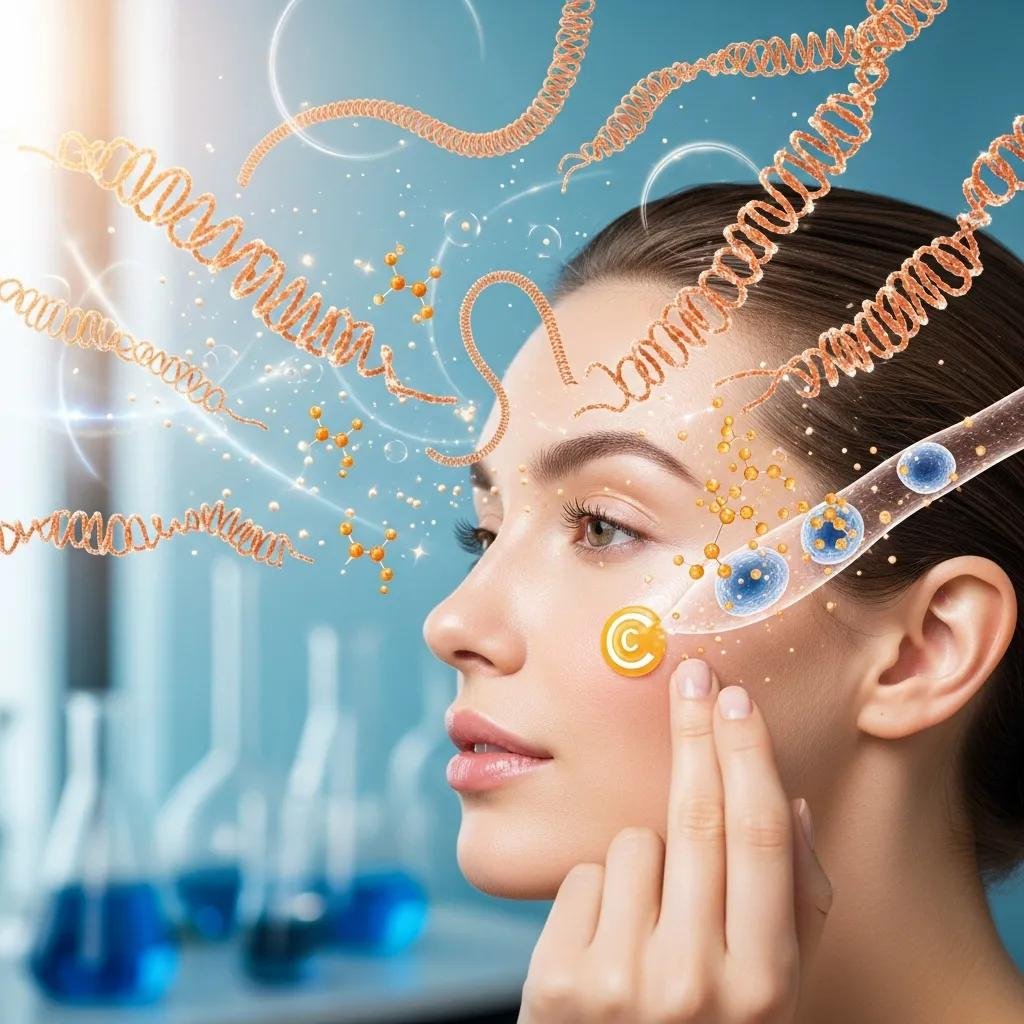
Vitamin C is an essential cofactor for prolyl and lysyl hydroxylase enzymes that stabilize collagen’s triple-helix structure, directly promoting collagen synthesis and dermal strength. This biochemical role increases fibroblast activity and supports extracellular matrix repair, leading to improved firmness and reduction in fine lines over time. Clinically, sustained Vitamin C availability—through topical application and treatment-supported delivery—correlates with measurable improvements in elasticity and wrinkle depth after several months.
| Treatment | Interaction with Vitamin C | Collagen Impact |
|---|---|---|
| Microneedling | Creates microchannels for deeper topical delivery | Stimulates fibroblasts and remodeling |
| Chemical peels | Removes superficial barrier to increase penetration | Accelerates epidermal turnover and collagen signaling |
| Laser resurfacing | Ablative/thermal pathways increase remodeling | Promotes long-term collagen synthesis |
This comparison helps decide which in-office approaches are suitable to augment topical Vitamin C for targeted anti-aging outcomes and leads into practical clinical integration.
Why Is Vitamin C Essential for Collagen Synthesis and Skin Firmness?
Biochemically, Vitamin C acts as a cofactor for hydroxylation steps that permit proper collagen crosslinking, which is vital for tensile strength and dermal structure. Without adequate Vitamin C, newly synthesized collagen is unstable and prone to degradation, undermining firmness. Clinically, regular topical Vitamin C plus procedures that stimulate collagen production translates to firmer skin and softer fine lines over months. Recognizing this cofactor role clarifies why Vitamin C is central to anti-aging strategies and motivates combined topical and procedural approaches.
How Do Vitamin C Treatments at Shore MedSpa Enhance Collagen and Reduce Aging Signs?
Shore MedSpa & Bio Aesthetics integrates professional modalities—such as RF microneedling, chemical peels, laser skin rejuvenation, and LED therapy—under board-certified dermatologic oversight to complement topical Vitamin C’s collagen-promoting effects. Microneedling and RF create controlled dermal injury that stimulates fibroblast activity and allows for enhanced topical delivery, while peels remove superficial pigment and promote turnover that Vitamin C can stabilize. LED therapy supports cellular repair and may reduce inflammation during recovery, improving overall remodeling outcomes. These approaches are tailored by Dr. Ronald Shore to patient goals, using state-of-the-art technology and personalized plans to safely amplify Vitamin C’s collagen benefits.
What Professional Vitamin C MedSpa Treatments Enhance Skin Health?
Professional treatments can accelerate and magnify Vitamin C benefits by improving delivery and stimulating repair pathways; select the modality based on downtime tolerance and target concerns.
The list below summarizes common treatments and the one-line benefit each provides when integrated with topical antioxidant strategies. This helps patients choose between maintenance and more intensive rejuvenation.
- Chemical Peels: Exfoliate pigment and allow better topical penetration for faster brightening.
- RF Microneedling: Stimulates collagen and permits deeper Vitamin C delivery for firmness.
- Laser Skin Rejuvenation: Resurfaces texture and promotes long-term collagen remodeling.
These concise benefits map to expected outcomes and set realistic expectations for recovery and timelines.
| Treatment | Process | Collagen Emphasis |
|---|---|---|
| Chemical Peel | Controlled exfoliation | Moderate, via turnover |
| RF Microneedling | Micro-injury with thermal stimulation | High, fibroblast activation |
| LED Therapy | Non-invasive photobiomodulation | Low-to-moderate, repair support |
This comparison clarifies when to choose each option versus relying on topical regimens alone. Note that intravenous Vitamin C or infusion facials are offered by some providers as systemic antioxidant approaches; patients should discuss those options and the evidence level with their clinician.
How Do Chemical Peels and Microneedling Integrate Vitamin C Benefits?
Chemical peels remove superficial layers of skin to reveal fresher tissue and increase the penetration of topicals like Vitamin C, while microneedling produces microchannels that enable deeper delivery into the dermis. Both modalities also trigger wound-healing pathways that upregulate collagen production, which Vitamin C supports biochemically as a cofactor. Using Vitamin C in the peri-procedural plan can promote antioxidant protection and aid tissue repair when applied under professional guidance. Proper sequencing and clinician oversight optimize safety and outcomes, reducing risk of irritation or pigmentary complications.
What Are the Advantages of Vitamin C IV Therapy and Infusion Facials?
IV Vitamin C delivers ascorbate systemically, producing high plasma concentrations that some proponents link to antioxidant and wellness benefits, while infusion facials combine topical rejuvenation with supportive infusions in certain clinical settings. Evidence for direct skin-appearance benefits from systemic Vitamin C is limited and mixed, and these approaches are more commonly presented by competitors in the wellness market. If considering IV or infusion options, discuss potential benefits, risks, and evidence with a qualified clinician to determine appropriateness and to integrate safely with topical and in-office skin treatments.
For personalized assessment of how topical Vitamin C and professional procedures can be combined for your goals, Shore MedSpa & Bio Aesthetics in Rockville, MD provides individualized plans under the supervision of board-certified dermatologist Dr. Ronald Shore. Their approach emphasizes state-of-the-art technology, proven treatments, and customization to safely enhance brightness, antioxidant protection, and collagen remodeling.