
Understanding the Cost of Popular Aesthetic Treatments: Average Botox, Dermal Filler, Laser Hair Removal, Chemical Peel, and SculpSure Pricing
Aesthetic treatment prices vary widely because procedures are customized to each patient’s anatomy, goals, and the products or devices used. This guide explains typical price ranges for common medspa procedures—Botox and Dysport, dermal fillers, laser hair removal, chemical peels, and SculpSure—while highlighting the main drivers of cost so you can budget and compare providers effectively. Readers will learn how unit- and syringe-based pricing works, what to expect for session counts and packages, and which factors most influence final estimates. The article also provides concise tables and lists for quick comparison and shows how local market conditions, clinician expertise, and treatment area size change pricing dynamics. After reviewing cost components and averages, you’ll be better equipped to evaluate quotes and decide when a consultation with a board-certified provider makes financial and clinical sense.
What Factors Influence the Cost of Aesthetic Treatments?
Costs for non-surgical cosmetic procedures are driven by several predictable variables that affect both price and value. Provider training and reputation, geographic market, product or device brand, treatment area complexity, and the number of required sessions all change the final estimate. Each factor alters either the provider’s time, the amount of product used, or capital and operational expenses, which explains why quotes can range dramatically between practices and cities. The following list summarizes the most influential factors with quick context for how each one impacts price and outcomes.
- Provider expertise and credentials often increase fees but reduce complication risk and improve aesthetic efficiency.
- Geographic location and local demand raise or lower baseline market rates across regions.
- Product or device choice (brand, FDA-cleared status) affects per-unit or per-syringe costs.
- Treatment area size and complexity determine time and volume required per session.
- Number of sessions and maintenance frequency add to lifetime cost even if single-session price looks low.
These factors interrelate: higher expertise can mean fewer units or syringes are needed for the desired result, which connects directly to pricing decisions in individual treatment categories.
How Does Provider Expertise Affect Treatment Pricing?
Provider expertise influences price because training, board certification, and experience carry measurable clinical value and overhead. A board-certified dermatologist or experienced aesthetic physician typically charges higher fees reflecting their credentials and the lower complication rates associated with their care. Experienced injectors also tend to use products more efficiently and deliver more natural results, which can reduce long-term costs by minimizing corrective treatments. Patients often trade a higher upfront price for improved safety and better aesthetic longevity, making provider selection a cost-per-outcome decision. That emphasis on outcomes naturally leads into how the geographic market further shapes what providers charge.
Why Does Geographic Location Impact Aesthetic Treatment Costs?
Geographic location affects pricing through local cost of living, rent, staffing, and regional demand for cosmetic services. Urban or affluent suburban markets typically show higher per-unit or per-session rates than rural areas because clinics face higher operating expenses and clients often expect premium services. Rockville and Montgomery County, MD, fall into a competitive, higher-cost metro-adjacent market compared with national medspa averages, so local ranges trend above national medians. Consumers should view quoted prices alongside provider credentials and device/product quality to judge relative value rather than assume cheaper equals better. Understanding local market context prepares readers for realistic estimates when scheduling a consult.
What Is the Average Cost of Botox and Dysport Treatments?
Botox and Dysport are typically priced either per unit or by treatment area, with each unit representing a standardized measure of product activity used to achieve predictable outcomes. Per-unit pricing reflects the amount injected and the expected units required for common areas like the forehead, glabella, and crow’s feet; Dysport dosing and spread differ from Botox, so equivalent results may require different unit counts. Clinics may also price flat-fee packages for areas (e.g., “full-face” or “upper face”) instead of strict per-unit billing, and longevity varies slightly by formulation and dose, affecting maintenance intervals and lifetime cost. Below is a concise per-unit and per-area reference to support quick comparisons.
Introductory pricing table for neuromodulators:
| Treatment | Common Pricing Model | Typical Range |
|---|---|---|
| Botox (per unit) | Cost per unit × units used | $10–$20 per unit |
| Dysport (per unit equivalent) | Cost per unit × units (adjusted for conversion) | Varies by practice; generally lower per-unit but different conversion |
| Area-based pricing | Flat fee per treatment area (forehead, glabella, crow’s feet) | Provider-specific packages |
This table clarifies that neuromodulator pricing is either unit-based or area-based, and conversion differences between brands affect unit counts and estimates.
How Is Botox Priced Per Unit and Treatment Area?
A “unit” is the manufacturer-defined measure of neuromodulator activity; clinics multiply units by their per-unit fee to produce a total. Typical unit ranges are roughly 10–30 units for forehead treatment, 20–30 units for combined crow’s feet, and 20–30 for glabella in many patients, though individual anatomy changes counts. Example calculation: if forehead requires 10–20 units and a clinic charges $12 per unit, the cost range would be $120–$240 for that area. Pricing transparency helps patients understand why larger muscle mass or dynamic movement leads to higher unit counts and thus higher cost. Clear unit math directly informs budgeting and the selection between per-unit billing and area packages.
- Define unit needs: Estimate units by area and muscle activity.
- Multiply by per-unit fee: Convert units into a price range.
- Consider package discounts: Compare per-unit math to flat-area pricing for value.
This structured approach shows why knowing both unit counts and the clinic’s per-unit price yields the most reliable cost estimate.
What Are Typical Botox Cost Ranges in Rockville, MD?
Local Rockville pricing tends to reflect higher regional medspa rates, with per-unit fees commonly toward the upper part of national ranges due to staffing and facility costs. Patients in Rockville should expect per-unit fees and area packages to be slightly above the national median, and consultations are necessary to produce an exact treatment plan and quote. Shore MedSpa & Bio Aesthetics, led by board-certified dermatologist Dr. Ronald Shore and serving Montgomery County, uses individualized treatment plans and advanced techniques that can influence pricing toward higher upfront investment but improved efficiency and natural outcomes. When comparing local estimates, factor in provider credentials and whether follow-up touch-ups are included in the quote.
How Much Do Dermal Fillers Cost Per Syringe?
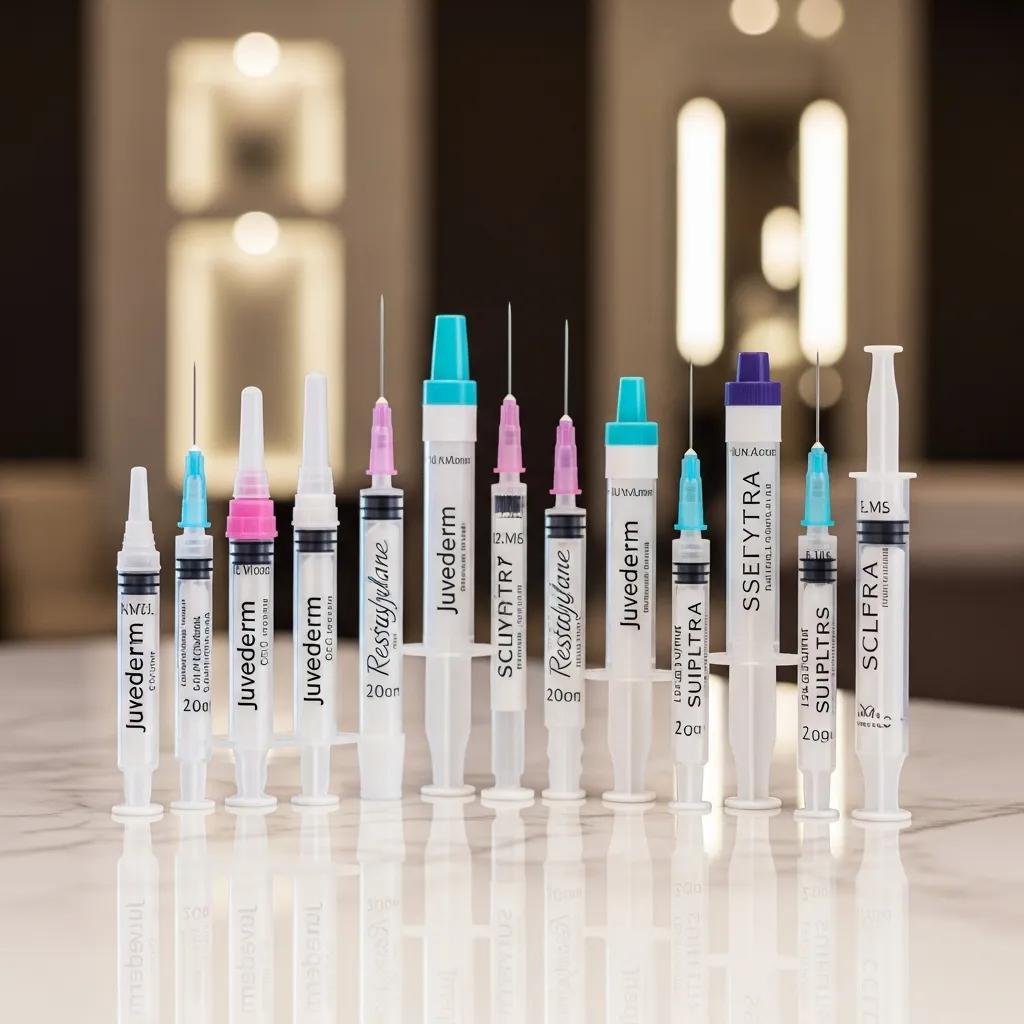
Dermal fillers are usually priced per syringe, with product type and lifespan driving per-syringe rates and overall cost. Fillers for lips, cheeks, and jawline carry different volume needs; a small lip enhancement may require 0.5–1 syringe whereas cheek augmentation often needs 1–2 syringes or more. Longevity varies by product—some hyaluronic acid gels last 6–12 months while collagen-stimulating options like Sculptra are billed as a treatment course and can extend results over multiple sessions, affecting total cost. Below is a quick brand comparison to guide expectations.
| Filler Brand | Typical Pricing Model | Avg Cost Per Syringe |
|---|---|---|
| Juvederm | Per syringe | $600–$1,200 |
| Restylane | Per syringe | $600–$1,200 |
| Sculptra | Course-based (multiple vials) | Often billed per treatment course; varies by course |
This comparison highlights that Juvederm and Restylane are commonly syringe-priced while Sculptra is frequently structured as a multi-session collagen-stimulation course, changing how patients should budget.
What Are Price Differences Among Juvederm, Restylane, and Sculptra?
Juvederm and Restylane are hyaluronic-acid fillers with per-syringe pricing that reflects their gel composition and intended indication—lip, perioral, or midface augmentation influence choice and cost. Sculptra functions differently as a stimulatory treatment for collagen, usually requiring a series of sessions and thus a different billing model often quoted as a course price rather than a single-syringe fee. Durability and indicated areas influence cost-effectiveness: longer-lasting fillers increase interval between treatments but often carry higher per-syringe cost. Understanding these clinical differences helps patients compare upfront price against expected longevity and maintenance.
How Does Treatment Area Influence Dermal Filler Pricing?
Treatment area dictates volume: small areas like the lips require less product than cheeks or jawline sculpting, so total cost scales with syringe count. Typical syringe counts: lips (0.5–1), perioral lines (1), cheeks (1–3), jawline/temporal volume (2+), and full-face rejuvenation can be staged across sessions for safety and budgeting. Larger-volume treatments increase both product cost and provider time; staged approaches can spread expense while monitoring tissue response. Estimating likely syringe counts during consultation is the most reliable way to budget for filler treatments.
What Are the Costs for Laser Hair Removal, Chemical Peels, and SculpSure Treatments?
Laser hair removal, chemical peels, and SculpSure are priced by session or package, peel depth, and device/applicator counts respectively. Laser hair removal uses per-session pricing with package discounts for multiple sessions because effective reduction typically requires several treatments. Chemical peels are tiered by depth—light, medium, deep—each with distinct goals and downtime. SculpSure body-contouring is often quoted per applicator or treatment area, with recommended session counts to reach target fat reduction. The table below summarizes session and peel-depth ranges for quick reference.
| Treatment | Pricing Unit | Typical Range |
|---|---|---|
| Laser Hair Removal | Per session / package | $150–$500 per session depending on area |
| Chemical Peels | By depth (light/medium/deep) | Light: $150–$300; Medium: $300–$700; Deep: $1,000–$3,000+ |
| SculpSure | Per applicator / area / session | Varies by applicator count and area; multiple sessions recommended |
This table clarifies that session counts and treatment depth are primary cost drivers for these device-based and resurfacing procedures.
How Is Laser Hair Removal Priced Per Session and Package?
Laser hair removal pricing depends on area size—small (upper lip), medium (underarms, bikini), large (full legs, back)—and the number of sessions recommended, typically 6–8 for significant reduction. Clinics price single sessions higher per session than package rates, which spread device and staff costs across recommended treatments for better per-session value. Hair density, skin type, and device technology also change session counts and outcomes; denser hair often requires more sessions. Comparing per-session math to package pricing during consultation helps determine the best cost-per-result approach.
What Is the Chemical Peel Cost Guide by Peel Depth?
Chemical peels are classified by depth and intended result: light peels address superficial texture and maintenance with minimal downtime; medium peels treat pigmentation and moderate texture issues with a few days of recovery; deep peels deliver substantial resurfacing for severe photoaging but require extended downtime and higher cost. Typical ranges are light ($150–$300), medium ($300–$700), and deep ($1,000–$3,000+), reflecting product concentration, clinician time, and aftercare needs. Choosing peel depth balances desired improvement against acceptable recovery and budget, and discussing goals with an experienced provider helps match depth to outcomes.