2025’s Top Natural-Looking Non-Invasive Aesthetic Trends
Natural results in aesthetic medicine mean improving skin quality, contour, and motion without obvious signs of treatment, prioritizing texture, proportion, and movement over dramatic alteration. In 2025 this preference is amplified by advances in regenerative biology, energy-based devices, and refined injectable techniques that deliver subtle, cumulative improvements with minimal downtime. This guide explains why patients increasingly choose non-invasive options, which regenerative and energy-based approaches produce the most natural rejuvenation, and how modern injectables are used for conservative contouring. You will learn practical comparisons of polynucleotides, exosomes, PRP, RF microneedling and Er:YAG resurfacing, and the roles of neuromodulators, hyaluronic acid fillers, and biostimulatory fillers. The article also outlines patient-centered considerations—downtime, timeline for results, and how to combine treatments safely—so you can consider treatment pathways that match a busy lifestyle while prioritizing authentic outcomes.
What Drives the Demand for Natural-Looking Non-Invasive Cosmetic Procedures?
Natural-looking non-invasive procedures are driven by cultural preferences for authenticity, technological advances that allow targeted tissue remodeling, preventative wrinkle strategies, and a desire for minimal downtime. Consumers now seek incremental maintenance rather than singular dramatic surgery, and devices plus biologic therapies enable staged, subtle changes that preserve identity. Providers also emphasize conservative dosing and technique to support long-term, natural outcomes rather than overt correction. Understanding these drivers helps patients choose treatments that fit professional and social lifestyles while delivering measurable skin health improvements.
Patients favor subtle enhancement for several practical reasons:
- Professional and social discretion: Treatments that avoid visible signs of intervention preserve workplace and social continuity.
- Preventative approach: Early, lower-dose neuromodulator use and collagen-stimulating therapies delay deeper lines and volume loss.
- Lower recovery burden: Minimal downtime treatments fit modern schedules and reduce interruption to daily life.
These preferences lead directly into why patients pick subtle approaches over dramatic changes and how downtime considerations shape treatment choices.
H3: Why Are Patients Choosing Subtle Enhancements Over Dramatic Changes?
Many patients prioritize a gradual, maintainable course of care that respects facial proportions and personal identity, favoring approaches that minimize sudden change. Social perception and professional considerations often discourage obvious alteration, while preventative strategies—such as conservative neuromodulator dosing—delay structural aging. Patients also weigh maintenance frequency and long-term planning, preferring treatments that can be topped up or combined rather than one-time extensive surgery. These motivations inform treatment planning and make conservative, staged interventions the prevailing trend.
H3: How Do Minimal Downtime Treatments Fit Modern Beauty Lifestyles?
Minimal downtime treatments accommodate work, family, and social commitments by offering quick procedures and rapid return to routine activity, often described as “lunchtime” options. Treatments vary in recovery: neuromodulators typically require little to no downtime, while RF microneedling and gentle Er:YAG sessions may need a few days of visible recovery. Combining treatments on staggered schedules reduces visits while maintaining outcomes. Matching downtime expectations to patient schedules is a primary planning consideration that leads into regenerative options that balance efficacy and recovery.
For a practical local example of these demand drivers, Shore MedSpa & Bio Aesthetics in Rockville, MD, emphasizes board-certified dermatologist leadership under Dr. Ronald Shore and personalized treatment plans focused on natural, rejuvenating outcomes. The practice integrates advanced technologies and customized protocols to align patient lifestyle needs with subtle, evidence-based interventions.
Which Regenerative Skin Treatments Promote Natural Rejuvenation in 2025?
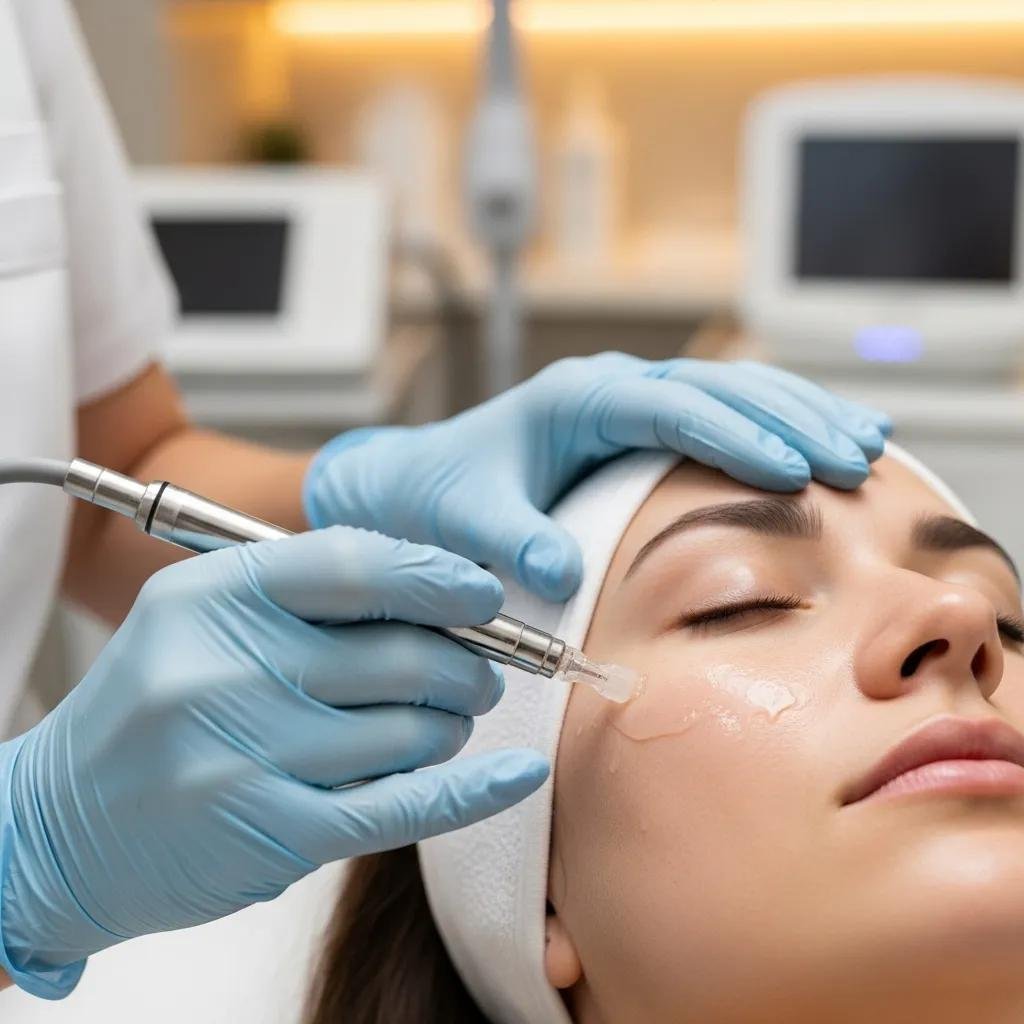
Regenerative skin treatments use biologic signaling to stimulate tissue repair, collagen production, and long-term skin health, producing gradual, natural-looking improvements. Polynucleotides and exosomes act as signaling agents to modulate cellular activity and extracellular matrix remodeling, while platelet-rich plasma (PRP) supplies concentrated growth factors that support collagen formation. These therapies often pair with device-based stimulation to enhance delivery and clinical effect. Understanding mechanism, downtime, and expected timelines helps match modality to goals such as texture improvement, laxity reduction, or preventive maintenance.
Regenerative modalities compared:
- Polynucleotide therapy: Signals dermal repair and improves texture with progressive results over weeks.
- Exosome therapy: Delivers concentrated intercellular signals for tissue remodeling and skin quality improvement.
- PRP/PRF: Uses platelet-derived growth factors to stimulate collagen and speed recovery when combined with microneedling.
These regenerative approaches are often combined with in-office devices to amplify outcomes. Below is a concise comparison of common regenerative options and realistic expectations.
| Treatment | Mechanism | Typical Downtime |
|---|---|---|
| Polynucleotides | Cellular signaling that promotes dermal matrix repair | Minimal; transient redness |
| Exosomes | Paracrine factors that enhance cell communication and regeneration | Minimal; mild erythema possible |
| PRP / PRF | Platelet-derived growth factors drive collagen and angiogenesis | Low; brief swelling/bruising possible |
This comparison shows regenerative options differ mainly by signaling mechanism and immediate recovery, and choice depends on desired timeline and tolerance for brief redness or swelling.
Shore MedSpa & Bio Aesthetics offers regenerative-focused in-office protocols that leverage device-assisted delivery—such as RF microneedling and Er:YAG resurfacing—alongside tailored skincare to support gradual collagen stimulation and natural rejuvenation.
How Do Advanced Energy-Based Devices Enhance Skin Tightening and Texture?
Energy-based devices remodel dermal collagen and tighten tissue through controlled thermal or ablative effects, yielding firmer, smoother skin without surgical incisions. RF microneedling delivers radiofrequency energy via insulated needles to induce targeted collagen remodeling and neocollagenesis, improving laxity and scars over several sessions. Er:YAG laser resurfacing ablates superficial layers with precise thermal injury to reveal brighter, more even skin and can be tuned for shorter downtime. Combination strategies using biologics plus energy devices enhance regenerative signaling and accelerate visible gains.
Key device benefits include:
- RF microneedling: Collagen remodeling with limited epidermal disruption, suitable for tightening and scar revision.
- Er:YAG laser: Surface resurfacing for tone, texture, and glow with controllable recovery.
- Combined protocols: Device stimulation plus biologics amplifies collagen induction and durability.
Understanding candidacy, typical session counts, and recovery windows clarifies which device best matches patient goals and tolerance for downtime, leading into detailed device comparisons below.
| Device | Target Concerns | Session Count | Downtime |
|---|---|---|---|
| RF Microneedling (e.g., Lutronic Genius) | Skin laxity, texture, acne scars | 3–4 sessions | 2–5 days of erythema |
| Er:YAG Laser Resurfacing | Fine lines, pigmentation, tone | 1–3 sessions (depth-dependent) | 3–7 days of re-epithelialization |
| Fractional combination approaches | Mixed concerns, enhanced remodeling | Variable | Variable; tailored per patient |
These device distinctions guide clinicians and patients in selecting a plan that balances efficacy with acceptable recovery, and highlight why RF microneedling and Er:YAG remain central to natural rejuvenation strategies.
H3: What Benefits Does RF Microneedling Offer for Natural Skin Firmness?
RF microneedling stimulates controlled dermal injury and thermal remodeling, which triggers a cascade of collagen and elastin production that tightens skin over months. The precision of needle depth allows treatment of targeted layers for laxity and acne scarring with predictable recovery and progressive improvement. Typical treatment plans involve multiple sessions spaced several weeks apart, and patients often notice tightening and texture refinement without dramatic surface change. This conservative remodeling approach supports natural-looking firmness while minimizing visible downtime and risk, and it transitions naturally to considering Er:YAG for surface renewal.
H3: How Does Er:YAG Laser Resurfacing Improve Skin Glow with Minimal Downtime?
Er:YAG lasers ablate superficial epidermal layers with high water absorption, producing immediate improvement in tone and texture while allowing precise control of depth to limit recovery time. Superficial treatments provide a refreshed glow with only a few days of redness, whereas deeper settings can address dyschromia and fine lines at the cost of longer healing. Progressive collagen remodeling continues for months, yielding a natural enhancement rather than an artificially “tight” appearance. Post-procedure care and sunscreen are essential to protect newly resurfaced skin and prolong benefits.
What Are the Latest Trends in Injectable Aesthetics for Subtle Contouring?
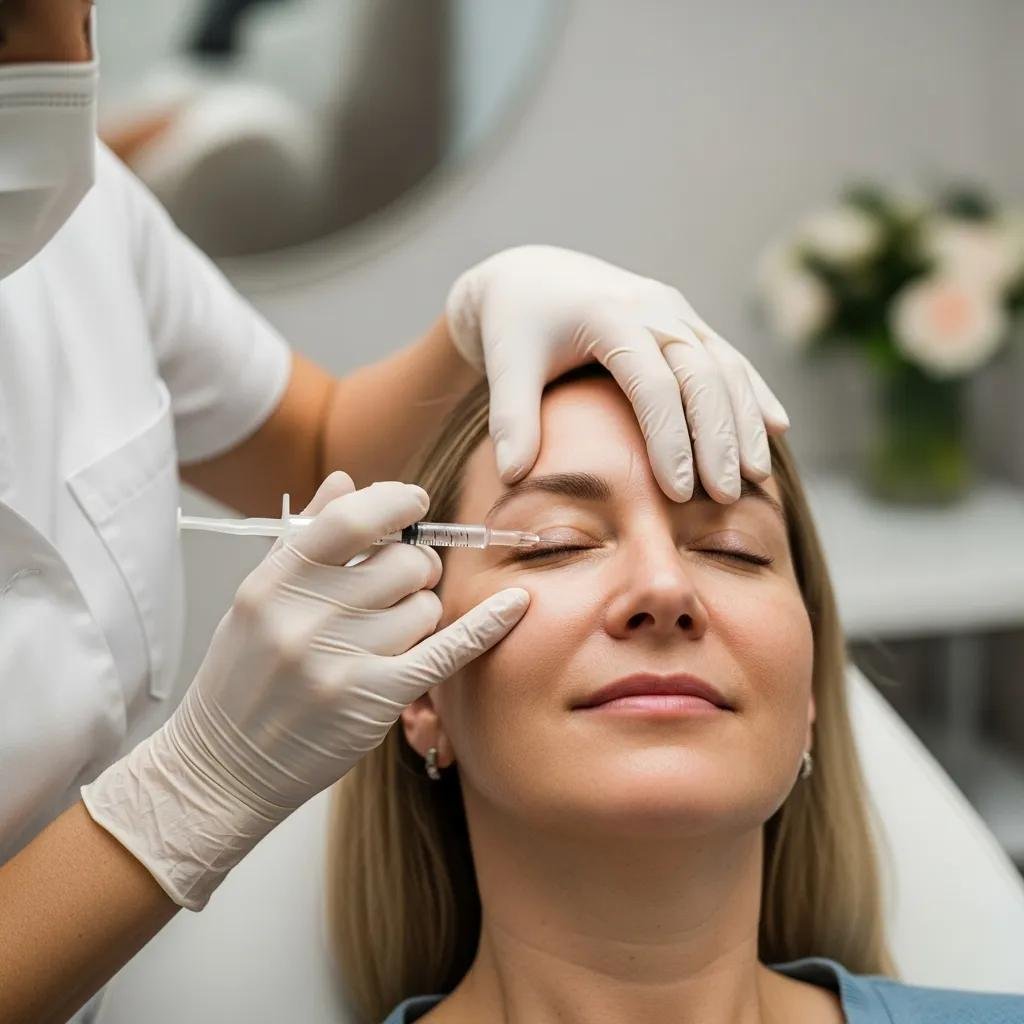
Injectable trends in 2025 emphasize prevention, micro-contouring, and biostimulation to restore youthful proportions without noticeable augmentation. Neuromodulators are used at lower doses for movement refinement and preventive smoothing, while hyaluronic acid fillers provide targeted micro-volumization for lips, cheeks, and jawline with conservative placement. Biostimulatory fillers such as Sculptra work gradually to induce collagen and restore support over months, creating subtle, durable contours. Technique—micro-dosing, layered approaches, and natural shaping—matters as much as product selection for authentic results.
Injectable categories summarized:
- Neuromodulators (Botox, Dysport): Soften dynamic lines with precision dosing for a natural range of motion.
- HA Fillers (Restylane, Kysse): Provide immediate, reversible micro-contouring for lips and facial points.
- Biostimulatory Fillers (Sculptra): Stimulate collagen gradually to restore structural support and fullness.
Below is a practical comparison of common injectable options to inform choice based on duration, use-case, and natural technique notes.
| Injectable | Primary Use-Case | Duration | Technique Notes |
|---|---|---|---|
| Botox / Dysport | Dynamic wrinkle softening | 3–4 months | Conservative dosing, targeted placement |
| Restylane family (HA) | Micro-volumizing lips, nasolabial support | 6–12 months | Micro-contouring, layering for subtlety |
| Sculptra | Gradual collagen restoration | 18–24 months (cumulative) | Multiple sessions, staged volume restoration |
Conservative technique and individualized planning reduce the risk of an overfilled appearance and support long-term, natural outcomes when injectables are part of a broader preventive and regenerative plan.
Shore MedSpa & Bio Aesthetics provides a comprehensive injectable menu administered under board-certified dermatologist oversight, including neuromodulators like Botox and Dysport for dynamic wrinkle prevention and biostimulatory options such as Sculptra for collagen stimulation. Their approach emphasizes personalized dosing and natural contouring to align with each patient’s anatomic goals.
H3: How Are Botox and Dysport Used for Natural Dynamic Wrinkle Reduction?
Botox and Dysport are neuromodulators that temporarily reduce muscle activity to soften dynamic lines while preserving natural expression when dosed conservatively. Practitioners increasingly use “micro-Botox” or preventive schedules for younger patients to slow wrinkle formation and maintain skin quality. Onset of effect typically appears within days, with peak results by two weeks and maintenance treatments every three to four months. Technique focuses on precise placement and minimal dosing to avoid a frozen look, and follow-up tuning ensures outcomes remain natural and proportionate.
H3: What Role Do Dermal Fillers Like Restylane and Sculptra Play in Volume Restoration?
Hyaluronic acid fillers provide immediate, reversible volume and contouring for lips, cheeks, and jawlines with predictable longevity that supports ongoing micro-contouring. Sculptra, a collagen stimulator, delivers gradual volumizing through fibroplasia, ideal for patients seeking progressive structural restoration without abrupt change. Choice depends on the goal: immediate surface enhancement favors HA fillers, while long-term framework rebuilding favors biostimulatory agents. Conservative layering and staged sessions are key technique principles to preserve natural contours and achieve harmonious results.
Book a personalized consultation at Shore MedSpa & Bio Aesthetics to discuss a tailored plan that combines regenerative skin therapies, energy-based device protocols, and conservative injectable strategies under Dr. Ronald Shore’s board-certified dermatologic oversight. To schedule, call +1 (301) 901-7661 and describe your primary goals for natural, minimally invasive rejuvenation.