
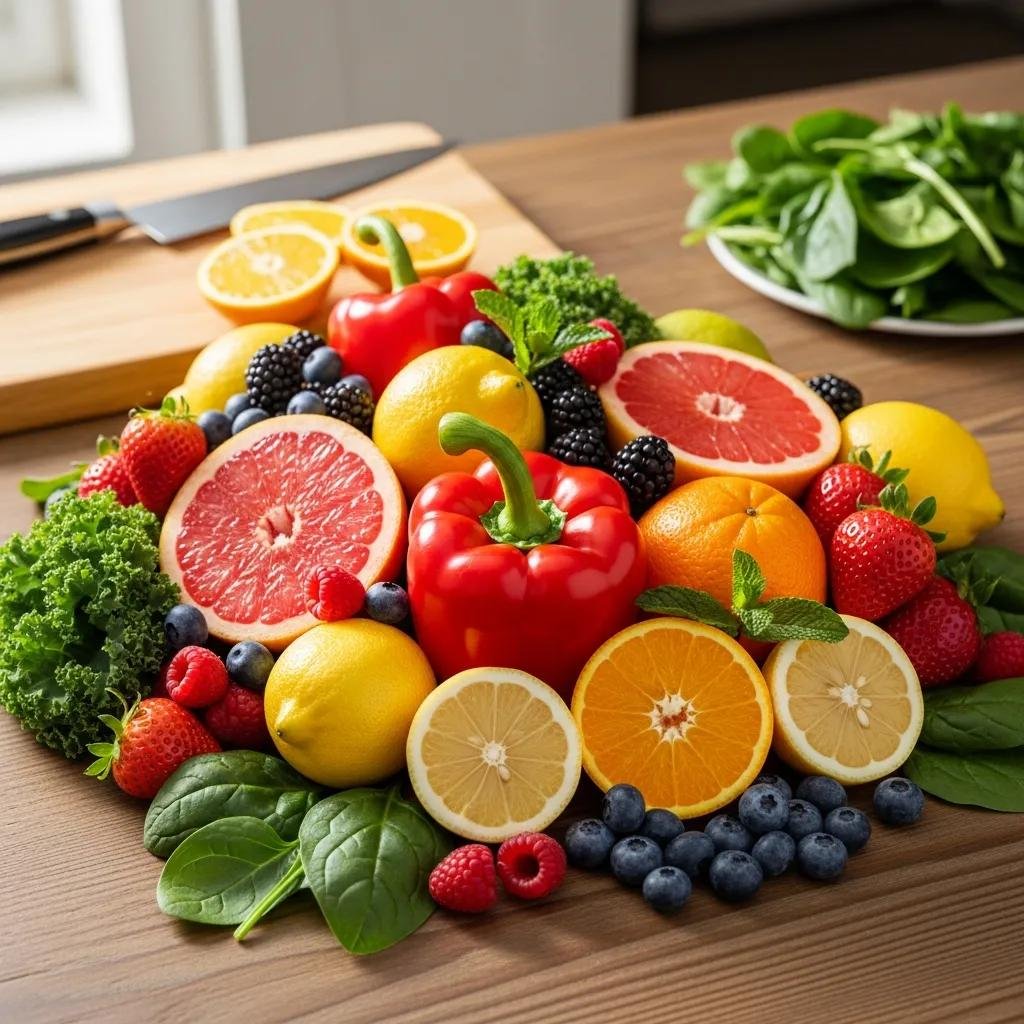
Top Foods for Youthful, Glowing Skin: Expert Dietary Guide for Radiant, Anti-Aging Complexion
A nutrient-rich diet is a foundational, evidence-backed way to support skin structure, elasticity, and natural radiance. This guide explains how specific nutrients and whole foods—focusing on collagen-supporting vitamins, antioxidant powerhouses, omega-3s, hydrating produce, and anti-inflammatory choices—work together to promote a youthful, glowing complexion. Many people notice dullness, fine lines, or uneven tone when diet lacks key micronutrients or adequate hydration, and targeted food choices can reduce oxidative stress and support collagen synthesis. Below we define the most important nutrients, list top collagen-building and antioxidant foods, map which foods deliver particular protective compounds, and give practical servings and pairing tips that maximize absorption and skin benefits. Read on for concise lists, comparison tables, and actionable daily strategies to integrate skin superfoods into meals and snacks.
Which Nutrients Are Essential for Youthful, Glowing Skin?
Essential nutrients for skin health include vitamin C, vitamin A, vitamin E, vitamin K, omega-3 fatty acids, quality protein, and water with electrolytes; each supports structure, repair, or barrier function. Vitamin C acts as a cofactor for collagen-forming enzymes, vitamin A aids cellular turnover, vitamin E protects lipid membranes from oxidative damage, and vitamin K contributes to barrier repair and microcirculation. Omega-3 fatty acids reduce inflammation and strengthen the skin barrier, while adequate protein supplies amino acids—glycine and proline—needed to build collagen. Hydration and electrolytes maintain turgor and transport nutrients to skin cells, so water-rich foods and balanced fluids matter as much as single nutrients. Together these nutrients reduce inflammaging, support collagen synthesis, and improve texture and glow by addressing both structural and oxidative causes of aging.
This list highlights the top nutrient categories to prioritize for visible benefits:
- Vitamin C: Supports collagen synthesis and antioxidant defense.
- Vitamin A: Promotes cell turnover and healthy epidermal structure.
- Vitamin E: Protects skin lipids from oxidative damage.
- Omega-3 Fatty Acids: Lowers inflammation and improves barrier function.
- Protein & Amino Acids: Provide building blocks for collagen and repair.
These nutrients create a practical framework for daily meal choices and direct the next section’s focus on specific collagen-boosting foods.
How Do Vitamins C, A, E, and K Support Skin Health and Collagen Production?
Vitamins C, A, E, and K each play distinct mechanistic roles that together support collagen formation, antioxidant defense, and barrier integrity. Vitamin C is a required cofactor for proline and lysine hydroxylases, enzymes that stabilize collagen fibers, while vitamin A (as provitamin A carotenoids and retinoids from diet) promotes keratinocyte turnover and epidermal renewal. Vitamin E, a lipid-soluble antioxidant, protects cell membranes from free-radical damage and enhances photoprotection when paired with vitamin C. Vitamin K supports microvascular health and may help with post-inflammatory discoloration. Whole-food sources are preferred for balanced intake, and supplements can be considered under clinical guidance when dietary gaps exist.
Dietary choices that supply these vitamins also carry complementary polyphenols and minerals, which further support repair and limit oxidative wear on collagen. Understanding these interactions makes it easier to design meals—pairing vitamin C-rich produce with protein and healthy fats—to optimize absorption and functional outcomes for the skin.
What Role Do Antioxidants and Omega-3 Fatty Acids Play in Skin Protection?
Antioxidants neutralize free radicals generated by UV exposure and metabolic processes, preventing oxidative damage to collagen and cellular components that accelerates visible aging. Polyphenols, flavonoids, and carotenoids scavenge reactive oxygen species, while omega-3 fatty acids reduce pro-inflammatory signaling that otherwise degrades collagen and weakens the barrier. Foods like berries, green tea, and oily fish deliver these compounds alongside vitamins and minerals that support repair. Together, antioxidants and omega-3s reduce inflammaging and support resilience to environmental stressors.
Including antioxidant-rich snacks and oily fish or plant omega-3 sources several times weekly helps maintain a low-inflammatory internal environment that complements topical protection and clinical interventions aimed at texture and tone.
What Are the Top Collagen-Boosting Foods for Skin Elasticity?
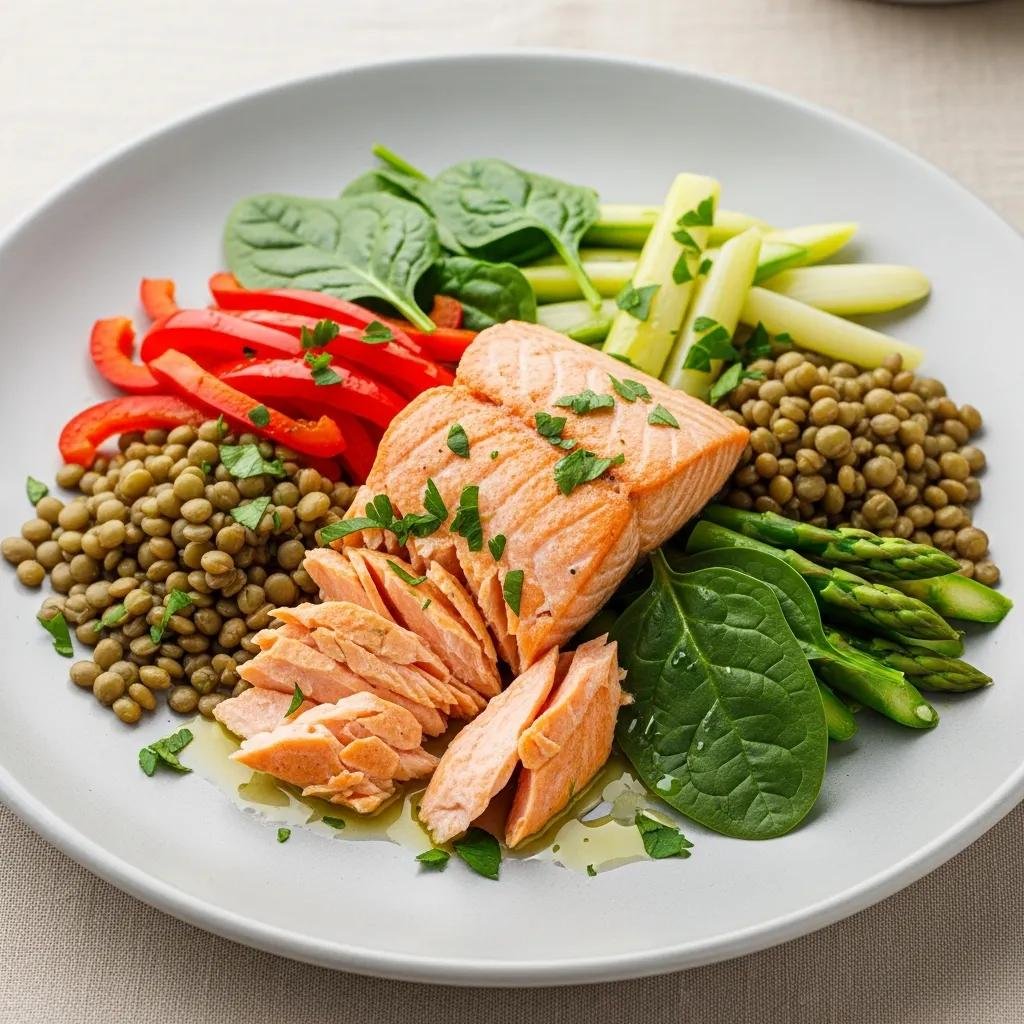
Collagen-boosting foods provide vitamin C, specific amino acids, and trace minerals like zinc and copper that are necessary for collagen synthesis and cross-linking. Vitamin C–rich fruits and vegetables enable enzymatic stabilization of collagen, while protein sources supply glycine and proline. Minerals act as cofactors in connective tissue formation and repair. Practical pairing—combining a vitamin C source with a protein—creates immediate substrate and cofactors for daily collagen maintenance and repair.
The following foods are particularly useful for daily inclusion:
- Red bell peppers and citrus: High in vitamin C, support collagen formation.
- Berries and kiwi: Provide vitamin C plus polyphenols for antioxidant protection.
- Lean poultry, fish, and legumes: Supply glycine and proline for collagen backbone.
- Shellfish and nuts: Deliver zinc and copper that aid connective tissue enzymes.
These choices show how meals should combine vitamin-rich produce and quality protein for optimal collagen synthesis and long-term elasticity.
Intro to the comparison table: The table below compares common collagen-supporting foods by their key nutrients and explains how each contributes to collagen synthesis or repair.
| Food | Key Nutrient(s) | How It Supports Collagen or Repair |
|---|---|---|
| Red bell pepper | Vitamin C | Cofactor for collagen-stabilizing enzymes and promotes synthesis |
| Citrus fruits (orange, grapefruit) | Vitamin C | High ascorbic acid content enhances proline/lysine hydroxylation |
| Salmon | Protein, Omega-3s | Provides amino acids for collagen and reduces inflammation that degrades collagen |
| Chicken breast | Protein (glycine, proline) | Supplies collagen-building amino acids for repair |
| Lentils | Protein, Zinc | Plant-based amino acids and zinc support enzymatic collagen formation |
This table clarifies how simple food swaps and pairings supply the molecular building blocks and cofactors required for healthy collagen turnover and skin elasticity.
Which Vitamin C-Rich Foods Enhance Natural Collagen Synthesis?
Vitamin C–rich foods deliver ascorbic acid essential for collagen cross-linking and antioxidant protection; integrating these foods daily supports sustained synthesis. Top picks include red bell peppers, citrus fruits, strawberries, kiwi, and broccoli—each supplying significant vitamin C per serving and additional compounds like fiber and polyphenols. A half red bell pepper or a cup of strawberries with a protein source at a meal can boost collagen formation throughout the day. Light cooking can reduce vitamin C; aim to include some raw or lightly steamed sources to preserve potency. Pairing vitamin C foods with protein-rich meals—such as grilled chicken and a citrus salad—optimizes the substrate and enzymatic environment for collagen production.
Which Antioxidant-Rich Superfoods Protect Skin from Aging and UV Damage?
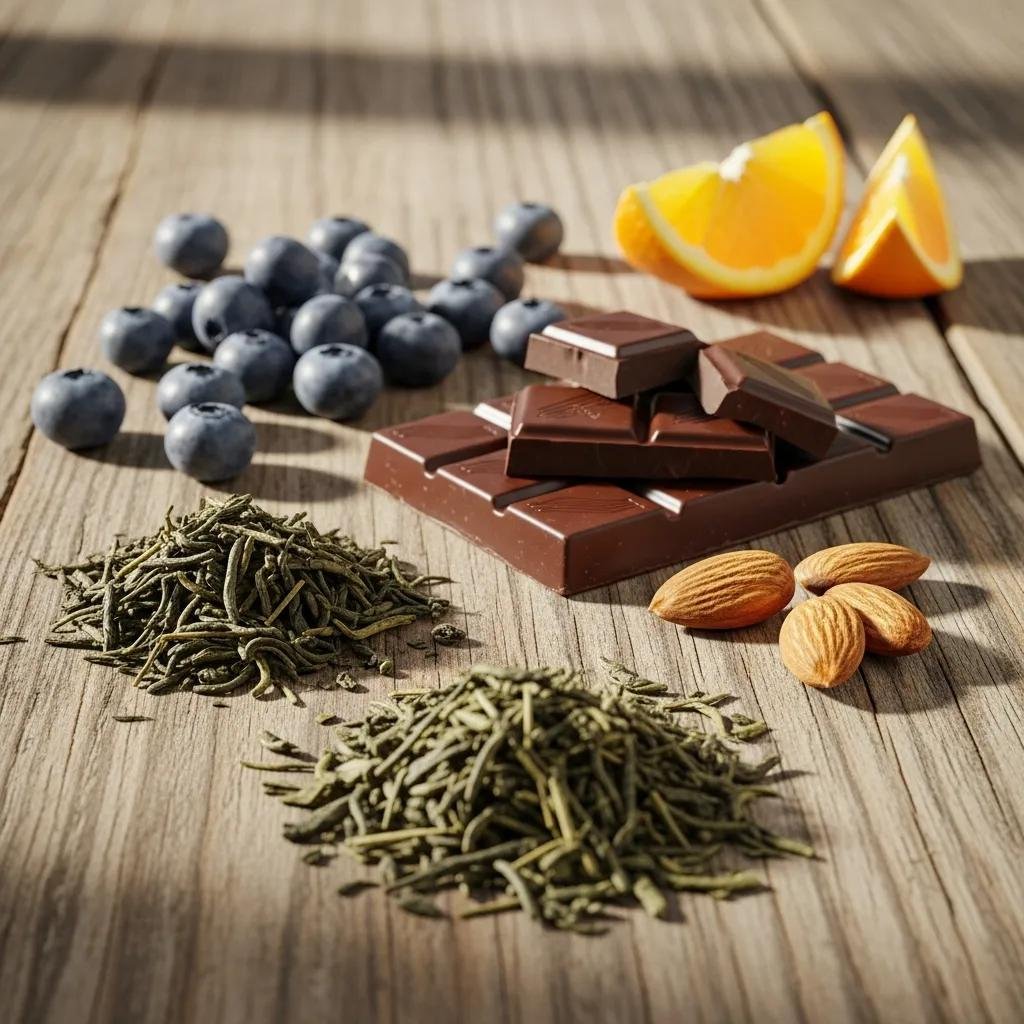
Antioxidant-rich superfoods contain carotenoids, polyphenols, and flavonoids that reduce oxidative stress, protect collagen, and mitigate UV-induced damage when used alongside topical sun protection. Foods like blueberries, dark chocolate (high-cacao), green tea, and tomatoes are concentrated sources of these protective compounds. Regular intake of varied antioxidants supports cellular repair processes and complements photoprotection by neutralizing free radicals that cause DNA and collagen damage. Aim to include a mix of colorful produce and antioxidant beverages as daily habits to maintain photoprotective reserves in the skin.
Intro to antioxidant table: The table below maps common antioxidant-rich foods to their primary antioxidant types and the specific skin benefits they provide.
| Food | Antioxidant Type | Skin Benefit |
|---|---|---|
| Blueberries | Anthocyanins | Neutralize free radicals and support collagen integrity |
| Tomatoes | Lycopene | Reduces sensitivity to UV-induced oxidative damage |
| Carrots & sweet potatoes | Beta-carotene | Accumulates in skin and contributes to photoprotection |
| Green tea | Polyphenols (EGCG) | Supports repair and reduces inflammation after UV exposure |
| Dark chocolate (70%+) | Flavanols | Improves microcirculation and antioxidant defenses |
This mapping helps select foods that deliver targeted antioxidant mechanisms for UV defense and long-term photoaging prevention.
What Foods Combat Free Radical Damage and Promote Skin Cell Repair?
Polyphenol- and flavonoid-rich foods such as berries, green tea, dark chocolate, and colorful vegetables provide robust free-radical scavenging and support cellular repair pathways. These compounds reduce oxidative damage to lipids and proteins in the dermis and epidermis, assisting natural repair and slowing visible aging signs. Consuming these foods routinely—rather than intermittently—builds a steady antioxidant presence that complements sun protection and topical antioxidants. For best absorption and effect, pair fat-soluble antioxidants with healthy fats and maintain a varied, colorful plate to ensure broad-spectrum antioxidant coverage for repair and resilience.
How Do Beta-Carotene and Lycopene-Rich Foods Defend Against UV-Induced Skin Aging?
Beta-carotene and lycopene accumulate in the skin and act as internal photoprotectants, reducing sensitivity to UV-induced oxidative stress through carotenoid-mediated quenching of singlet oxygen. Foods like carrots, sweet potatoes, and tomatoes supply these carotenoids; cooking tomatoes with a small amount of healthy fat significantly increases lycopene bioavailability. Regular servings of these foods contribute to lower markers of photo-oxidative damage and complement topical sunscreens and antioxidants. Combining carotenoid-rich produce with a balanced diet supports cumulative protective effects against photoaging.
How Can Hydrating and Anti-Inflammatory Foods Improve Skin Glow and Clarity?
Hydrating and anti-inflammatory foods maintain barrier function, reduce redness, and improve texture by ensuring cellular hydration and lowering chronic inflammation. Water-rich fruits and vegetables provide both fluid and electrolytes, while anti-inflammatory items—oily fish for omega-3s, turmeric for curcumin, and green tea polyphenols—reduce inflammatory signaling that contributes to redness and acne flares. Together, these foods support barrier repair, improve microcirculation, and enhance natural radiance by decreasing edema and oxidative stress. Practical daily choices that combine hydration with anti-inflammatory compounds help sustain a clear, even complexion and improve responses to topical or in-office treatments.
The following is a practical list of hydrating and anti-inflammatory food categories to include regularly:
- Water-rich produce (cucumber, watermelon, celery): Provide fluid and electrolytes to maintain turgor.
- Omega-3 sources (salmon, chia seeds, walnuts): Reduce redness and strengthen barrier lipids.
- Anti-inflammatory plants (turmeric, green tea, leafy greens): Lower chronic skin inflammation.
Including these groups daily supports skin clarity and bolsters outcomes from both at-home care and professional procedures.
Which Water-Rich Fruits and Vegetables Support Skin Moisture and Barrier Health?
Water-rich fruits and vegetables like cucumber, watermelon, celery, and leafy greens supply fluid, electrolytes such as potassium, and micronutrients that support barrier repair and cell hydration. Regular snacks of sliced cucumber with a protein dip or watermelon chunks after exercise help replenish fluids and provide vitamins that assist keratinocyte function. These foods also supply fiber and prebiotic compounds that support a healthy gut-skin axis, further promoting barrier integrity. Small, frequent servings throughout the day are an easy strategy to sustain hydration and improve visible plumpness and glow.
What Anti-Inflammatory Foods Reduce Skin Redness and Promote Clear Complexion?
Anti-inflammatory foods deliver bioactive compounds—omega-3 fatty acids, curcumin, and polyphenols—that dampen inflammatory pathways implicated in redness, rosacea, and acne flares. Regular intake of oily fish, turmeric (used with black pepper for absorption), green tea, and fiber-rich fermented foods supports a balanced immune response and a healthy microbiome linked to clearer skin. While dietary changes can markedly reduce chronic inflammation, persistent or severe inflammatory skin conditions warrant evaluation by a dermatologist for targeted medical treatment.
Practical clinical integration note: Shore MedSpa & Bio Aesthetics, led by a Board-Certified Dermatologist, recognizes the role of diet in skin health and combines nutritional guidance with medical treatments where appropriate. For clients seeking combined approaches, the practice aligns dietary recommendations with in-office procedures that target texture and redness.
Practical takeaway list to implement today:
- Start each day with a vitamin C–rich fruit and a protein source.
- Add oily fish or plant omega-3s to meals 2–3 times per week.
- Incorporate one hydrating snack and one antioxidant-rich snack daily.
These simple steps form a sustainable anti-aging diet that supports collagen, reduces oxidative stress, and enhances natural glow without drastic changes.