
The Ultimate Evening Skincare Routine for Overnight Renewal: Dermatologist-Recommended Nighttime Steps and Best Products
Evening skincare focused on overnight skin renewal uses the body’s nocturnal repair window to promote cellular repair, hydration, and collagen synthesis, and dermatologists recommend specific sequences to maximize those mechanisms. This article explains why an evidence-based night routine accelerates nighttime skin regeneration, which actives to prioritize, and how to adapt steps for aging, sensitive, acne-prone, or hyperpigmented skin. You will learn a concise step-by-step routine, the top ingredients that drive collagen synthesis and hydration overnight, personalization tactics for common concerns, and how in-clinic procedures can amplify home regimens. Recent research and circadian rhythm skincare concepts show that reducing daytime stressors and layering complementary actives at night enhances cellular repair overnight. Throughout, practical tips and product-type guidance will help you implement a dermatologist-recommended evening skincare plan that supports sustained overnight renewal. The following sections cover essential steps, ingredient comparisons, tailoring for specific concerns, and when to consider medspa treatments to boost results.
What Are the Essential Steps in a Nighttime Skincare Routine for Skin Renewal?
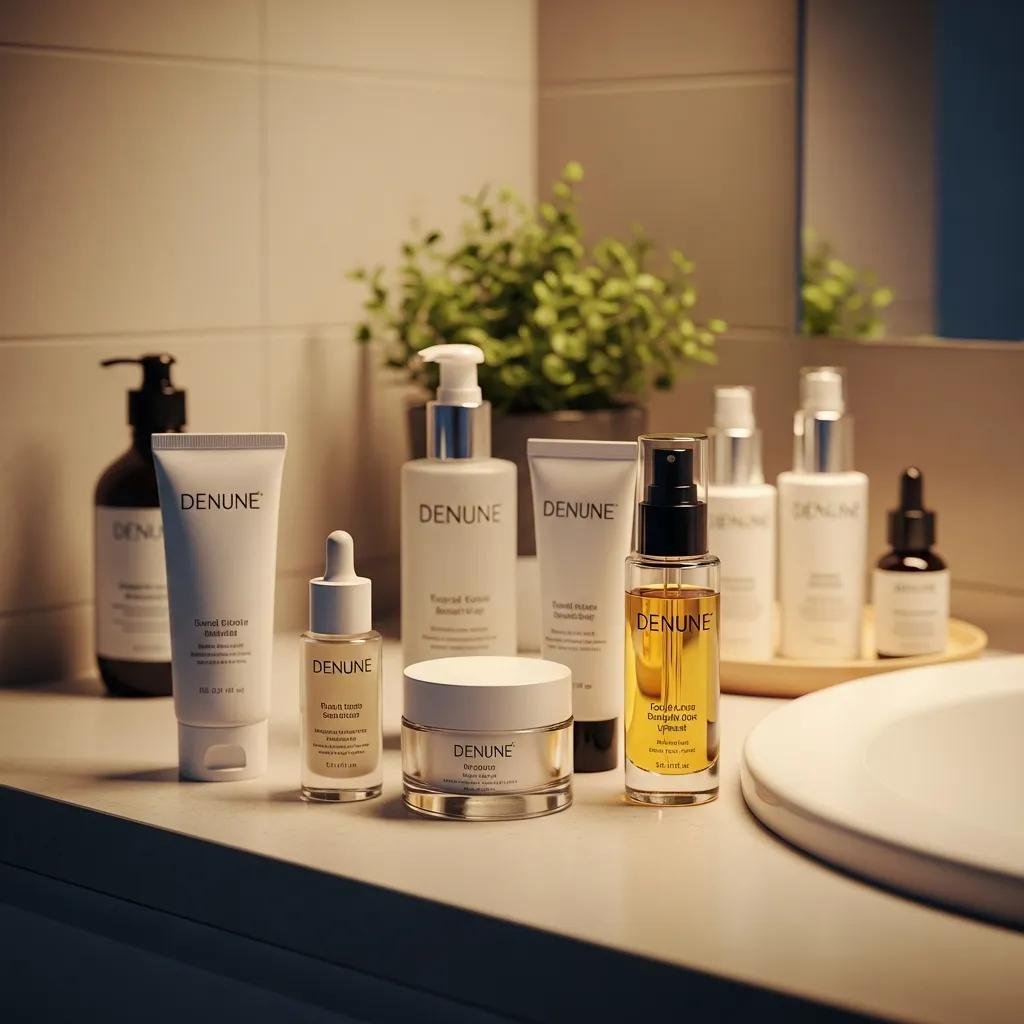
A streamlined nighttime routine primes the skin, delivers targeted actives, and seals in moisture so cellular repair and collagen synthesis can proceed efficiently overnight. Begin with gentle but thorough cleansing to remove sunscreen and pollutants, then restore pH and prep the skin for actives, apply treatment serums in order of molecular weight, follow with eye-specific care, and finish by locking hydration with moisturizer and an optional occlusive oil. This sequence removes barriers to active penetration and supports overnight skin regeneration through hydration and substrate availability for repair. Below is a concise routine optimized for evening skin renewal and suitable for most skin types; adjust active strength by tolerance and dermatologist guidance.
- Double cleanse to remove makeup and surface impurities.
- Tone or apply essence to rebalance pH and add light hydration.
- Apply targeted serums (retinoid/peptides/hyaluronic acid) while skin is damp.
- Use eye cream for delicate periocular repair and hydration.
- Seal with a moisturizer, and optionally an occlusive oil if skin is dry.
- Apply sunscreen the next morning to protect renewed skin and pigment control.
This step-by-step routine clears the way for deeper discussion of double cleansing and serum selection, which follow as focused subsections.
How Does Double Cleansing Prepare Your Skin for Overnight Repair?
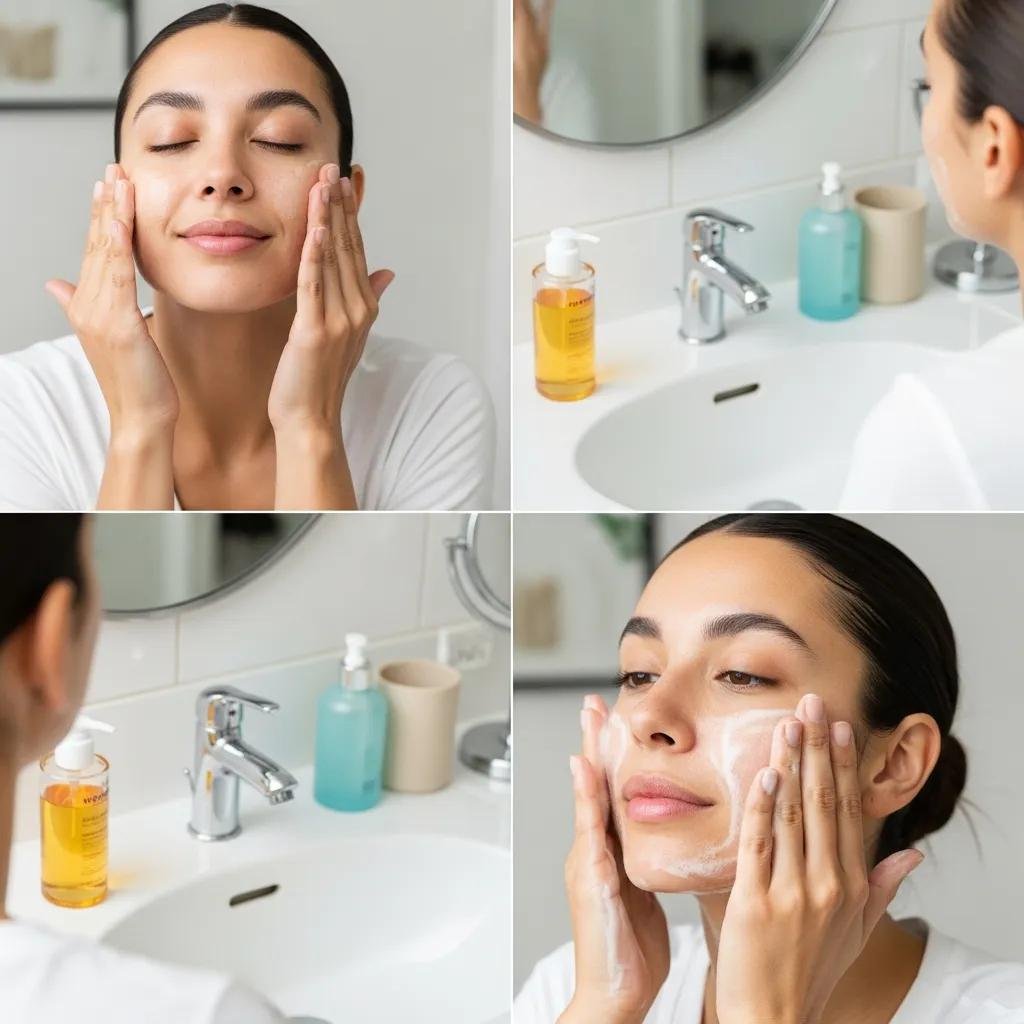
Double cleansing uses an oil- or balm-based first step to dissolve sunscreen, makeup, and sebum, followed by a gentle water-based cleanser that removes residual impurities without stripping barrier lipids. The first step removes occlusive films that otherwise block topical actives and trap pollutants, while the second step ensures a clean surface for consistent active penetration and pH balance. For oily or acne-prone skin, lightweight gel cleansers avoid excessive stripping; for dry or sensitive skin, creamy or syndet cleansers preserve barrier lipids and reduce irritation risks. Proper technique—gentle massage for 30–60 seconds and lukewarm water—maximizes removal and primes the skin for subsequent treatment serums and overnight regeneration.
Which Serums and Treatments Boost Skin Hydration and Collagen Production?
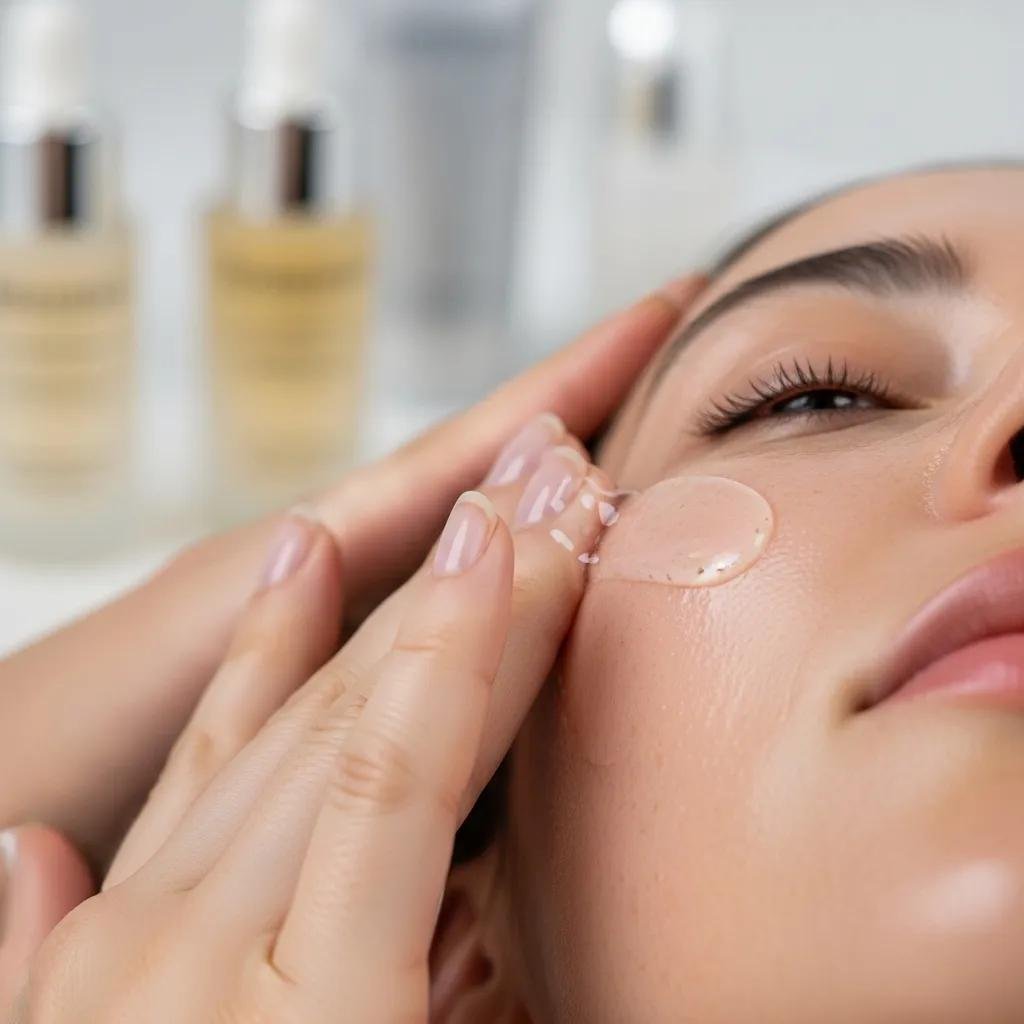
Targeted serums deliver concentrated actives that drive hydration and collagen synthesis when applied to clean, slightly damp skin, enhancing absorption and efficacy. Hyaluronic acid serums provide immediate plumping by binding water, peptides signal fibroblasts to support collagen production, and retinoids accelerate cell turnover and stimulate new collagen formation when used progressively. Layer lighter, hydrating serums first (hyaluronic acid), then peptide or retinoid treatments, allowing each to absorb; avoid mixing strong acids and retinoids on the same night to reduce irritation. These application principles lead naturally into an ingredient-focused comparison that follows.
Which Key Ingredients Should You Use for Effective Overnight Skin Repair?
Effective overnight repair relies on actives that align with nocturnal cell cycles: retinoids for turnover, peptides for signaling collagen synthesis, humectants for hydration, and antioxidants that counter nighttime oxidative stress. Using stronger clinical-strength protocols can increase results but also irritation risk; in-clinic pre-treatment peels or professional protocols can be used to safely enhance penetration and outcomes under clinician supervision. Below is a concise comparison of the principal night actives, their mechanisms, and primary benefits.
| Ingredient | Mechanism | Primary Benefit |
|---|---|---|
| Retinol (retinoids) | Modulates gene expression to increase cell turnover | Reduces fine lines, improves texture |
| Peptides | Signals fibroblasts to synthesize collagen | Improves firmness and elasticity |
| Hyaluronic Acid | Binds and retains water in stratum corneum | Immediate hydration and plumping |
| Melatonin | Antioxidant and circadian modulator | Protects from oxidative damage during repair |
This table clarifies how combining complementary actives supports overnight regeneration and why clinician guidance matters for stronger protocols.
What Are the Benefits of Retinol, Peptides, and Hyaluronic Acid at Night?
Retinol and related retinoids increase epidermal turnover and stimulate collagen remodeling, making them a cornerstone for anti-aging nighttime regimens when introduced gradually to reduce irritation. Peptides act as signaling molecules to enhance collagen synthesis and can be layered with hydrating humectants to minimize dryness while promoting firmness. Hyaluronic acid attracts and retains moisture in the outer skin layers, supporting immediate plumpness and creating an optimal environment for repair processes overnight. Begin retinoids at low frequency and concentration, combine peptides daily if tolerated, and use hyaluronic acid nightly to support barrier hydration and active tolerance.
How Does Melatonin Support Skin’s Natural Repair Processes?
Melatonin in topical formulations functions as a potent antioxidant and circadian-supportive agent that mitigates oxidative stress during nocturnal repair and may enhance cellular resilience. Recent studies indicate melatonin reduces free-radical damage in skin cells and may complement retinoid and peptide regimens by protecting newly synthesized collagen from oxidative degradation. Use products with stabilized melatonin in nighttime serums to pair antioxidant protection with other actives, and consult a clinician for high-strength combination protocols if you have complex concerns. Melatonin complements rather than replaces established actives, strengthening the nighttime repair environment.
How Can You Tailor Your Evening Skincare Routine for Anti-Aging and Specific Skin Concerns?
Personalization begins with identifying the primary concern—aging, sensitivity, acne, or hyperpigmentation—and selecting a core nighttime strategy that balances efficacy and barrier protection. Aging skin prioritizes gradual retinoid introduction with peptide support and richer barrier repair; sensitive skin emphasizes barrier-restoring ceramides, niacinamide, and minimal actives to reduce inflammation. When concerns are multifactorial, staged escalation and clinician assessment help prevent over-treatment and optimize outcomes. For complex cases or faster results, combining home routines with in-clinic procedures under board-certified dermatologist oversight can be considered, and Shore MedSpa & Bio Aesthetics in Rockville, MD is noted for personalized plans under Dr. Ronald Shore.
- Aging skin routine: gentle retinoid three nights/week, nightly peptide serum, rich moisturizer.
- Sensitive skin routine: barrier repair focus, ceramide/niacinamide serums, avoid irritant acids.
- Acne-prone/hyperpigmentation: salicylic or azelaic acid guidance, retinoid titration, targeted brighteners.
What Are Dermatologist-Recommended Night Routines for Aging and Sensitive Skin?
For aging skin, a common dermatologist-backed night protocol initiates with a gentle cleanser, hyaluronic acid for hydration, a peptide serum to support collagen signaling, and a low-concentration retinoid introduced gradually alongside a rich moisturizer to maintain barrier integrity. This combination targets cellular repair and collagen synthesis while guarding against retinoid-induced dryness; regular sunscreen use each morning protects remodeled tissue and prevents pigmentation. Sensitive skin recommendations shift toward minimal active use: fragrance-free cleansers, barrier-repair moisturizers with ceramides and niacinamide, and postponing retinoids until tolerance improves with protective hydration. These contrasting protocols set the stage for adjustments for acne-prone or hyperpigmented skin.
How to Adjust Your Routine for Acne-Prone or Hyperpigmented Skin?
Acne-prone skin benefits from non-comedogenic hydrators, gentle salicylic acid options for follicular exfoliation, and slow retinoid introduction to reduce comedones and post-inflammatory hyperpigmentation. For stubborn hyperpigmentation, combine daytime antioxidant/brightening strategies with nighttime retinoid and gentle acid rotation, and consider periodic professional peels for deeper pigment when topical regimens plateau. Seek clinician-guided escalation for severe acne or deep pigment concerns to avoid irritation and achieve consistent outcomes; combining professional peels or microneedling with a targeted home regimen often accelerates clearance and maintenance.
How Do MedSpa Treatments Enhance Your Overnight Skin Renewal?
Professional medspa procedures amplify overnight renewal by creating controlled injury or stimulation that accelerates collagen induction, improves texture, and enhances topical penetration, thereby increasing the efficacy of nightly actives. Treatments such as chemical peels remove stratum corneum layers to allow deeper active delivery, LED skin therapy reduces inflammation and stimulates fibroblasts, and microneedling induces collagen via micro-injury and growth-factor-mediated repair. For personalized planning and medical-grade escalation of home programs, consult a board-certified dermatologist; Shore MedSpa & Bio Aesthetics in Rockville, MD offers services including chemical peels, LED skin therapy, microneedling, and laser resurfacing that can be integrated with nightly routines under clinician supervision.
Professional treatments differ in mechanism, target concerns, and downtime as shown below.
| Treatment | Mechanism | Target Concerns | Expected Recovery |
|---|---|---|---|
| Chemical peels | Controlled exfoliation | Texture, pigmentation | 0–7 days depending on depth |
| LED skin therapy | Photobiomodulation | Inflammation, collagen stimulation | No downtime; cumulative benefits |
| Microneedling | Collagen induction via microinjury | Scarring, texture, laxity | 2–4 days of redness/repair |
What Are the Benefits of Chemical Peels, LED Skin Therapy, and Microneedling?
Chemical peels provide controlled exfoliation that evens texture and lightens pigment by accelerating epidermal turnover and promoting renewal, with peel depth dictating downtime and results. LED skin therapy reduces inflammation, supports faster recovery, and stimulates collagen through photobiomodulation without downtime, making it an excellent adjunct to nightly regimens. Microneedling creates microchannels that trigger growth-factor-mediated collagen remodeling and increases topical penetration of serums used post-procedure. Understanding these mechanisms informs treatment selection and safe integration with your evening skincare plan.
How to Integrate Professional Treatments with Your Nighttime Skincare?
Before professional procedures, clinicians typically advise pausing strong retinoids and acids to minimize irritation and optimize healing; post-procedure care emphasizes gentle cleansing, barrier repair, and sun protection to protect newly remodeled tissue. A common timeline is to stop retinoids 5–7 days before deeper peels, use calming serums and emollients immediately after treatment, and gradually reintroduce active serums under clinician guidance once the barrier has recovered. Communicate your nightly routine and product list with your treating clinician to create a coordinated plan that enhances results while protecting the skin. For personalized combination planning and advanced procedures, consider consultation with a board-certified dermatologist such as Dr. Ronald Shore at Shore MedSpa & Bio Aesthetics to align medspa treatments with your nightly regimen.