
The Non-Negotiable Importance of Daily SPF for Skin Health: Essential Benefits and Prevention Strategies
Daily SPF is the routine application of a broad-spectrum sunscreen every day to protect skin from cumulative ultraviolet (UV) radiation, and it directly reduces DNA damage that drives skin cancer and photoaging. This article explains why daily sun protection matters, how UVA and UVB harm skin at the cellular level, and practical strategies for a reliable daily SPF routine that supports long-term skin health. Readers will learn the key protective mechanisms, evidence-backed benefits such as reduced skin cancer risk and preservation of collagen, and step-by-step guidance on choosing and applying sunscreen for different skin types and activities. The guide also shows how preventive daily SPF lowers the need for corrective procedures and how Shore MedSpa & Bio Aesthetics, led by board-certified dermatologist Dr. Ronald Shore, integrates professional evaluation and treatments when sun damage has already occurred. Begin with why daily SPF is crucial, then explore benefits, build a routine, and review how clinical care complements consistent photoprotection.
Why Is Daily SPF Crucial for Protecting Your Skin?
Daily SPF is crucial because regular, even low-level UV exposure accumulates and produces molecular damage that accelerates skin aging and increases cancer risk. Sunscreen acts as photoprotection by blocking or absorbing UVA and UVB photons before they create reactive oxygen species and DNA lesions in skin cells. Wearing SPF daily reduces cumulative harm and supports the skin’s structural proteins and barrier function, preserving texture and tone over time. The next section explains how UVA and UVB differ in their effects and why even incidental exposure—through clouds or windows—matters for long-term skin health.
How Does UV Radiation Damage Skin Daily?
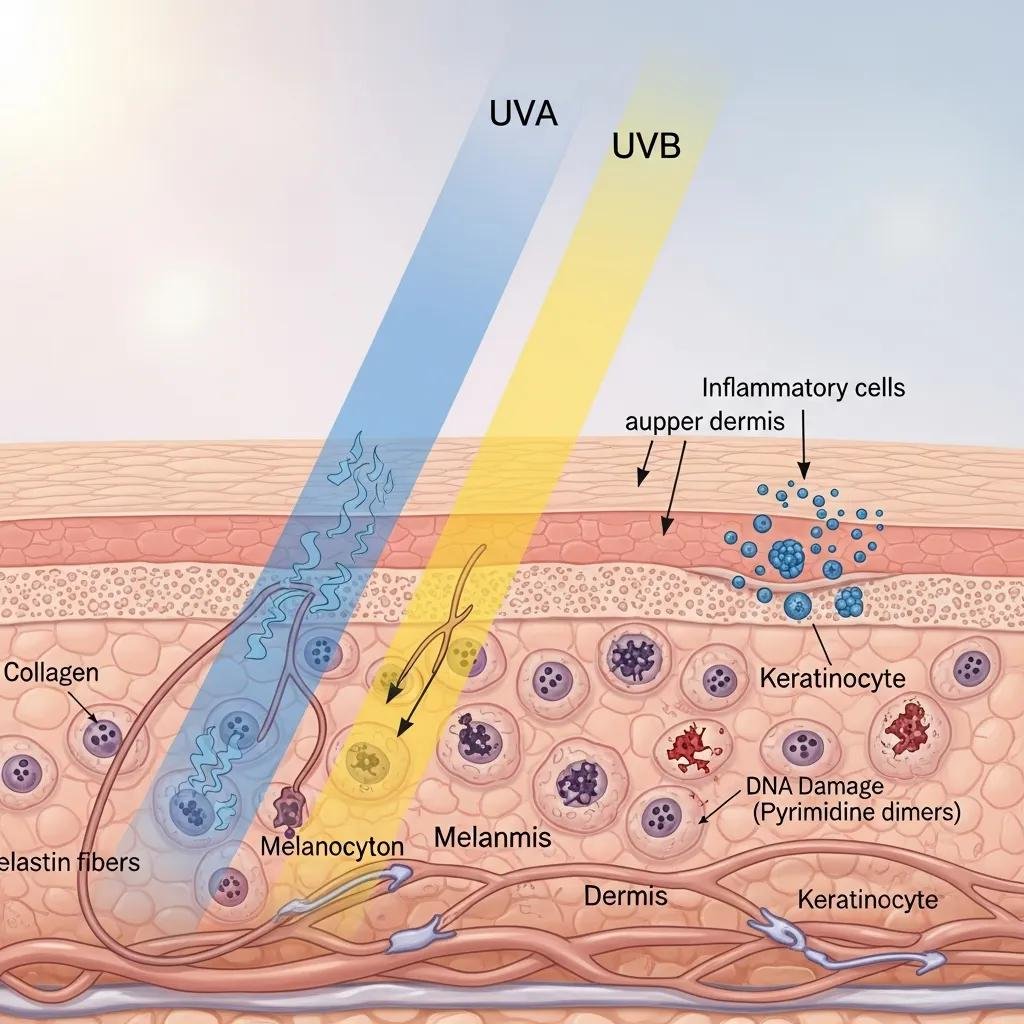
UVA penetrates deeper into the dermis and promotes collagen and elastin breakdown, while UVB primarily causes surface DNA damage that leads to sunburn and mutagenesis. This dual action creates chronic inflammation and oxidative stress, which accelerate photoaging signs such as wrinkles, laxity, and hyperpigmentation. Repeated daily exposure compounds microscopic DNA errors and depletes structural proteins that maintain skin resilience, increasing the lifetime probability of malignant transformation. Understanding these mechanisms clarifies why consistent daily sun protection is more effective than occasional high-SPF use after damage has already occurred.
What Are the Risks of Skipping Daily Sunscreen?
Skipping daily sunscreen raises cumulative UV dose, which increases lifetime risk for melanoma and non-melanoma skin cancers and magnifies visible aging signs like lines and sun spots. Absent routine photoprotection, repeated UV-driven inflammation accelerates pigmentary disorders and weakens the skin barrier, making topical treatments less effective and prolonging recovery after procedures. Over time, avoiding daily SPF also increases the likelihood of needing corrective interventions to address texture, pigment, and collagen loss. These predictable risks underscore prevention as the first-line strategy to preserve both health and cosmetic outcomes.
What Are the Key Benefits of Wearing Sunscreen Every Day?
Daily sunscreen provides measurable reductions in UV-induced harm and delivers both health and aesthetic benefits when used consistently, making it a cornerstone of skin cancer prevention and anti-aging care. Recent studies and professional guidelines emphasize that broad-spectrum SPF 30 or higher, applied daily, substantially lowers the incidence of actinic damage and clinical photoaging. Below is a concise comparison of how daily SPF affects critical outcomes to help clarify its value.
Daily SPF benefits across outcomes:
- Skin cancer risk reduction: Consistent broad-spectrum sunscreen lowers cumulative UV exposure, decreasing mutation accumulation that leads to carcinoma and melanoma.
- Anti-aging protection: Blocking UVA prevents collagen breakdown, preserving elasticity and reducing wrinkle formation.
- Pigmentation control: Regular protection reduces new sun spot formation and recurrence of hyperpigmentation after treatments.
The table below summarizes how daily SPF maps to these outcomes and practical value for prevention and treatment planning.
| Outcome | Protective Mechanism | Practical Value |
|---|---|---|
| Skin cancer risk reduction | Reduces UV-driven DNA damage and mutation rate | Lowers long-term cancer incidence likelihood |
| Aging prevention | Blocks UVA-mediated collagen degradation | Preserves firmness, reduces wrinkle progression |
| Pigmentation control | Prevents UV-triggered melanin overproduction | Limits sun spot formation and treatment recurrence |
This comparison shows daily SPF acts across multiple pathways to preserve skin health and appearance. For individuals with existing sun damage, daily SPF also reduces the pace of new injury, which can lower reliance on corrective procedures over time. For patients seeking professional evaluation or personalized SPF recommendations, Shore MedSpa & Bio Aesthetics—led by Dr. Ronald Shore—offers tailored plans that align prevention with corrective options when needed.
How Does Daily SPF Prevent Skin Cancer and Premature Aging?
Daily SPF prevents skin cancer and premature aging by minimizing UV-mediated DNA mutations and by reducing chronic oxidative stress that degrades collagen and elastin. Blocking UVA and UVB decreases formation of thymine dimers and other photolesions that, if unrepaired, can initiate carcinogenesis; it also reduces matrix metalloproteinase activation that breaks down structural proteins. Clinical data and expert guidance consistently show that habitual use of broad-spectrum SPF 30+ is associated with lower markers of photoaging and fewer actinic keratoses. These mechanistic and clinical links make daily SPF a primary preventive measure for both oncologic and cosmetic skin outcomes.
In What Ways Does Sunscreen Support Overall Skin Health?
Beyond cancer and aging prevention, sunscreen supports barrier integrity, reduces chronic inflammation, and helps maintain an even tone by limiting recurrent UV-stimulated pigmentation. By lowering cutaneous oxidative stress, daily photoprotection preserves lipid and protein structures essential for barrier function, leading to improved hydration and fewer inflammatory flares. Sunscreen also complements topical regimens—retinoids, antioxidants, and pigment-correcting agents—by preventing the UV-triggered setbacks that undermine these treatments. Together, these effects make daily SPF a foundational habit that enhances both therapeutic efficacy and routine skin maintenance.
How Can You Build an Effective Daily Sun Protection Routine?
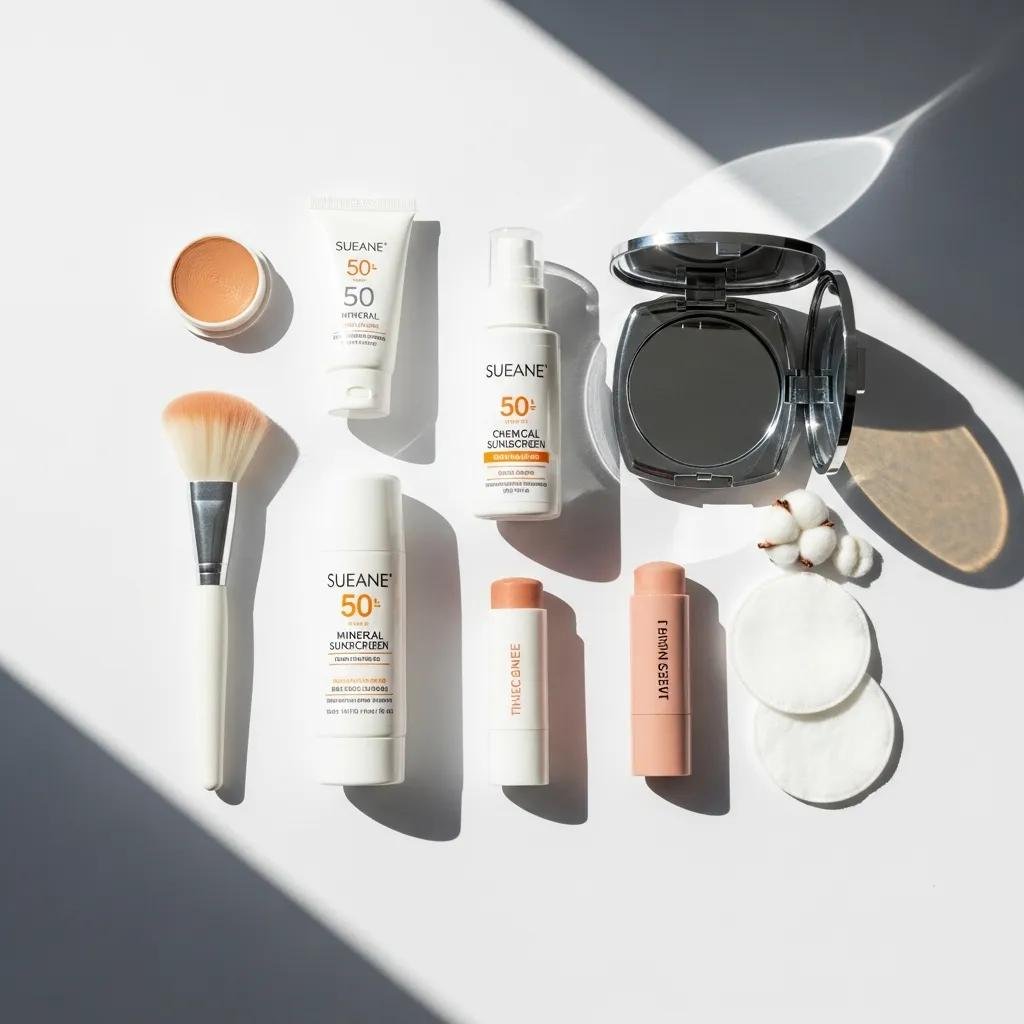
An effective daily sun protection routine combines the right product choice, correct application amount, scheduled reapplication when exposed, and integration with other skincare and makeup products. Begin with a broad-spectrum SPF 30 or higher applied to all exposed areas every morning, and adopt reapplication habits during prolonged outdoor exposure. Practical steps and product comparisons below make the routine actionable and suitable for different skin types and daily activities. After practical guidance, note that individualized SPF recommendations are available through professional consultation to account for skin type, treatments, and lifestyle.
Key daily routine checklist:
- Choose broad-spectrum SPF 30+: Protects against UVA and UVB in everyday settings.
- Apply sufficient amount: Use about 1/4 teaspoon for the face or two finger-lengths for face and neck.
- Reapply regularly: Reapply every two hours during sustained sun exposure or after swimming or sweating.
Below is a comparison table that clarifies mineral versus chemical sunscreens and recommended use scenarios.
| Sunscreen Type | Mechanism | Recommended Use and Notes |
|---|---|---|
| Mineral (zinc oxide, titanium dioxide) | Physically scatters and reflects UV | Good for sensitive skin and immediate protection; recommended during pregnancy and for reactive skin |
| Chemical (avobenzone, octocrylene, etc.) | Absorbs UV and dissipates energy as heat | Often offers lighter cosmetic finish; choose broad-spectrum formulas for daily wear |
| Water-resistant formulations | Enhanced retention during activity | Use for sports, swimming, and heavy sweating; reapply per label instructions |
This comparison helps match formulation to skin sensitivity, cosmetic preference, and activity. For a tailored recommendation based on past treatments or specific pigmentary concerns, professional evaluation can optimize product choice and application technique.
What SPF Level and Sunscreen Types Are Recommended for Daily Use?
The baseline recommendation for most individuals is broad-spectrum SPF 30 or higher applied daily, with selection between mineral and chemical formulations based on skin sensitivity and cosmetic preference. Mineral sunscreens containing zinc oxide and/or titanium dioxide provide reliable UVA and UVB scatter and are favorable for sensitive or post-procedure skin, while modern chemical filters often give a more cosmetically invisible finish suitable for under makeup. Water resistance becomes important when sweating or swimming; otherwise, non-water-resistant daily formulations are acceptable for incidental exposure. Choosing the right type balances photoprotection with tolerability and consistency of use.
What Are Best Practices for Applying and Reapplying Sunscreen?
Apply sunscreen to all exposed areas 15 minutes before going outdoors, using roughly one-quarter teaspoon for the face or two finger-lengths for the face and neck, and a shot-glass amount for full-body coverage during prolonged exposure. Reapply every two hours during sun exposure and immediately after swimming, toweling off, or heavy sweating to maintain the labeled SPF protection. Don’t forget commonly missed zones—ears, back of neck, hands, and lips—and layer SPF-compatible moisturizer or makeup afterward if needed. Consistent application and reapplication habits ensure your daily SPF routine translates into meaningful UV damage reduction.
How Does Shore MedSpa Integrate Daily SPF with Skin Health Treatments?
Shore MedSpa & Bio Aesthetics integrates daily SPF counseling into treatment planning to preserve and extend results from corrective procedures while preventing recurrence of sun damage. Preventive photoprotection reduces new pigment formation and slows collagen breakdown, which helps treatments like chemical peels, Er:YAG laser resurfacing, IPL photofacial, and RF microneedling produce longer-lasting improvements. Dr. Ronald Shore’s clinical oversight ensures that individualized sun-protection advice complements customized treatment plans, aligning preventive habits with procedural aftercare. The table below maps common corrective treatments to the sun-damage issues they address and explains SPF’s role in maintenance.
| Treatment | Sun-damage issue addressed | How daily SPF complements treatment |
|---|---|---|
| Chemical peels | Surface pigmentation and texture irregularities | SPF prevents recurrence of pigment and protects newly revealed skin layers |
| Er:YAG laser resurfacing | Deep texture, fine lines, and collagen remodeling | SPF preserves collagen gains and reduces post-procedure pigment risk |
| IPL photofacial | Solar lentigines and vascular irregularities | Daily photoprotection limits new spot formation and maintains even tone |
This mapping clarifies that prevention (daily SPF) and correction (clinical treatments) work together to improve outcomes and reduce the need for repeated interventions. For patients considering corrective options, a consultation at Shore MedSpa with Dr. Ronald Shore can align treatment selection and a personalized SPF strategy with individual skin goals and history.
How Do Shore MedSpa’s Treatments Complement Daily Sun Protection?
Shore MedSpa’s services address the visible consequences of sun exposure—texture changes, hyperpigmentation, and collagen loss—by using targeted procedures that restore skin structure and tone. After corrective treatments such as chemical peels, Er:YAG resurfacing, RF microneedling, or IPL photofacials, adherence to daily SPF is essential to protect regenerated skin and limit new UV-induced damage that compromises results. Daily photoprotection thereby reduces recurrence and extends the interval between maintenance treatments, making preventive care a cost-effective adjunct to in-office procedures. Patients benefit most when professional treatment plans are paired with disciplined daily sun protection.
Why Trust Dr. Ronald Shore’s Personalized SPF Recommendations?
Dr. Ronald Shore, a board-certified dermatologist leading Shore MedSpa & Bio Aesthetics, combines clinical expertise with state-of-the-art technology to create customized treatment and prevention strategies for patients in Rockville and Montgomery County. Personalized SPF recommendations account for an individual’s skin type, history of sun damage, current corrective treatments, and lifestyle exposure patterns to ensure both safety and adherence. Clinician-led guidance helps choose formulations—mineral versus chemical, water-resistant options—and integration with topical therapies to optimize outcomes. This expert-driven personalization supports long-term skin health by aligning prevention with evidence-based corrective care.