Stress and Your Skin: How to Combat Breakouts, Aging & Sensitivity
Stress is a biological and psychological response that triggers hormonal, inflammatory, and oxidative pathways affecting skin health, producing breakouts, accelerated aging, and heightened sensitivity. In this article you will learn how cortisol and related inflammatory mediators change sebum production, degrade collagen, and weaken the epidermal barrier, plus practical clinical and lifestyle strategies to counter these effects. The science section explains key actors—cortisol, reactive oxygen species, and cytokines—and how they map to visible signs such as acne, fine lines, and eczema flare-ups. Next, the article outlines the most common stress-induced skin concerns, then reviews medspa and clinical options that target specific mechanisms, and finally presents holistic changes that support skin resilience. Throughout, we integrate relevant terms like stress acne, cortisol acne, inflammaging, collagen breakdown stress, and LED therapy for acne so clinicians and readers can connect biology to treatment. By the end you’ll have clear, actionable steps—both self-care and medically supervised—that address the root pathways linking stress to skin problems.
How Does Stress Affect Skin Health and Appearance?
Stress affects skin health primarily through hormonal signaling, inflammation, oxidative damage, and barrier disruption, producing changes in sebaceous gland activity, collagen integrity, and immune responsiveness. Cortisol release during stress can increase sebum production and alters immune signaling, which can promote clogged pores and impaired wound repair. Concurrently, oxidative stress (reactive oxygen species) accelerates collagen and elastin breakdown, contributing to fine lines and loss of elasticity. Finally, pro-inflammatory cytokines disrupt the skin barrier and prolong inflammatory skin conditions, reducing hydration and increasing sensitivity.
| Biological Actor | Dominant Pathway | Effect on Skin |
|---|---|---|
| Cortisol | HPA-axis hormone that modulates sebaceous activity and fibroblast function | Can increase sebum production, impairs collagen synthesis, delays repair |
| Reactive oxygen species (ROS) | Oxidative damage to proteins and lipids | Accelerates collagen/elastin breakdown and pigments, causing inflammaging |
| Pro-inflammatory cytokines (IL-1, TNF-α, etc.) | Immune activation and barrier disruption | Triggers eczema/rosacea flares, prolongs acne inflammation |
This mapping shows entity → relationship → outcome: cortisol can increase sebum, ROS degrades collagen, cytokines sustain inflammation. Understanding these links explains why treatments that reduce inflammation or stimulate collagen repair can reverse stress-driven signs. In clinical practice, procedures that target sebum, inflammation, or collagen remodeling address these mechanisms directly, providing targeted relief for stress-related presentations.
What Role Does Cortisol Play in Stress-Induced Skin Damage?
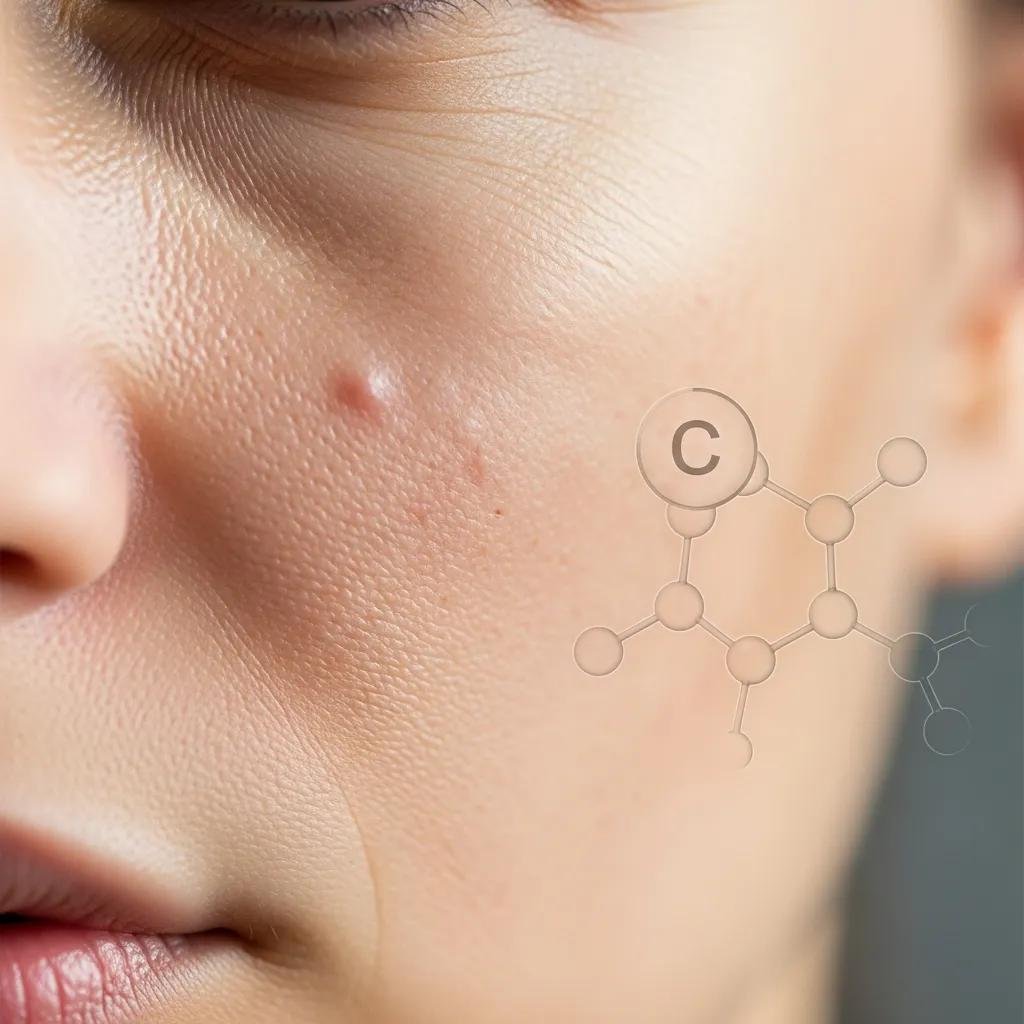
Cortisol is a primary stress hormone that influences sebaceous glands, immune responses, and matrix turnover, creating a cascade that can worsen acne and slow tissue repair. Elevated cortisol can increase sebum production and alters keratinocyte behavior, which raises the risk of pore obstruction and bacterial overgrowth. Cortisol also downregulates collagen synthesis by affecting fibroblast activity, contributing to loss of firmness and early wrinkle formation. These mechanisms explain why chronic stress is linked to both inflammatory breakouts and premature aging.
Clinically, addressing cortisol-driven outcomes focuses on reducing inflammation and restoring barrier function as first-line goals. Treatments that normalize sebum and stimulate repair mitigate cortisol’s downstream effects, and behavioral interventions that lower systemic cortisol complement procedural care.
How Does Inflammation Trigger Stress-Related Skin Conditions?
Inflammation is the common denominator linking stress to many dermatologic flares: cytokine signaling amplifies local immune responses and disrupts barrier homeostasis, which worsens acne, eczema, and rosacea. Stress-induced immune dysregulation increases pro-inflammatory mediators that recruit immune cells and prolong lesion lifetime, delaying healing and increasing post-inflammatory pigmentation. Chronic inflammatory signaling also perpetuates extracellular matrix breakdown through matrix metalloproteinases, accelerating visible aging.
Reducing inflammation shortens lesion duration, lowers symptom severity, and allows reparative processes to restore normal skin structure. Anti-inflammatory topical agents, photobiomodulation, and systemic stress reduction all play a role in dampening cytokine-driven damage.
What Are the Common Stress-Induced Skin Concerns?
Stress commonly manifests on skin in several predictable clinical patterns that clinicians recognize and patients report frequently. These include acute and chronic acne, premature skin aging driven by inflammaging, flare-ups of inflammatory dermatoses such as eczema and rosacea, and generalized dullness or dehydration related to barrier breakdown. Recognizing these categories helps prioritize treatment: reduce sebum and inflammation for acne, stimulate collagen for aging, and repair barrier function for sensitivity.
- Acne and breakouts that appear or worsen during periods of high psychological stress and hormonal fluctuation.
- Premature aging marked by fine lines, loss of elasticity, and textural change from collagen breakdown.
- Eczema and rosacea flare-ups caused by immune dysregulation and barrier disruption.
- Dull, dehydrated skin resulting from impaired epidermal repair and increased transepidermal water loss.
These presentations guide diagnostic focus and therapeutic selection, moving care from symptom suppression to mechanism-based intervention. A short comparison below links symptoms to likely causes and signs.
| Symptom Category | Likely Mechanism | Clinical Signs |
|---|---|---|
| Breakouts/Acne | Cortisol → increased sebum; inflammation | Comedones, papules, pustules |
| Premature aging | Oxidative stress; collagen breakdown | Fine lines, loss of firmness |
| Eczema/rosacea flares | Cytokine-mediated inflammation; barrier loss | Redness, itching, scaling |
| Dullness/dehydration | Barrier dysfunction; reduced repair | Rough texture, flaking |
Understanding the cause helps patients and clinicians choose targeted therapies rather than generic symptomatic care.
How Does Stress Cause Acne and Breakouts?
Stress-induced acne follows a cortisol → sebum/inflammation → clogged pore pathway, where hormone-driven oil production and immune changes encourage follicular occlusion and bacterial imbalance. Cortisol raises sebaceous gland activity, while stress-related cytokines amplify local inflammation, increasing the size and persistence of lesions. Behavioral factors associated with stress—sleep disruption, dietary shifts, touching the face—further compound risk and delay healing.
Addressing stress acne therefore requires a combined approach: reduce sebum and inflammation, normalize follicular turnover, and implement stress-mitigating behaviors. Procedural options and topical regimens that lower inflammation and exfoliate the follicle are particularly effective when paired with lifestyle changes.
Can Stress Accelerate Premature Skin Aging?
Chronic stress accelerates premature aging through persistent oxidative damage, chronic low-level inflammation (inflammaging), and impaired collagen repair, producing visible loss of volume and increased fine lines. Reactive oxygen species generated during sustained stress damage collagen and elastin fibers, and matrix-degrading enzymes become upregulated, reducing skin resilience. Over time, these molecular changes translate to clinically observable thinning, laxity, and textural changes that resemble accelerated chronological aging.
Interventions that reduce oxidative burden, stimulate collagen synthesis, and restore repair cycles can slow or partially reverse stress-related aging. Combining antioxidant strategies with collagen-induction therapies addresses both the cause and the structural deficit.
Which Treatments Effectively Address Stress-Related Skin Issues?
Effective treatments map directly to the underlying mechanism: reduce sebum and inflammation for acne, stimulate collagen for aging, and repair barrier function for sensitivity. Procedural options include chemical peels to exfoliate and reduce follicular occlusion, LED skin therapy to lower inflammation and bacterial load, microneedling and Er:YAG laser resurfacing to induce collagen remodeling, and neuromodulators or fillers to correct dynamic lines and volume loss. Safety and candidacy depend on skin type, condition severity, and concurrent inflammatory status.
| Treatment | Mechanism Targeted | Expected Clinical Effect |
|---|---|---|
| Chemical Peel (VI-type acids) | Exfoliation, reduces comedones and surface sebum | Fewer breakouts, smoother texture |
| LED Skin Therapy | Photobiomodulation reduces inflammation and bacteria | Reduced redness and lesion count |
| Microneedling / RF (Lutronic Genius RF) | Collagen induction through controlled microinjury | Improved firmness, texture, and fine lines |
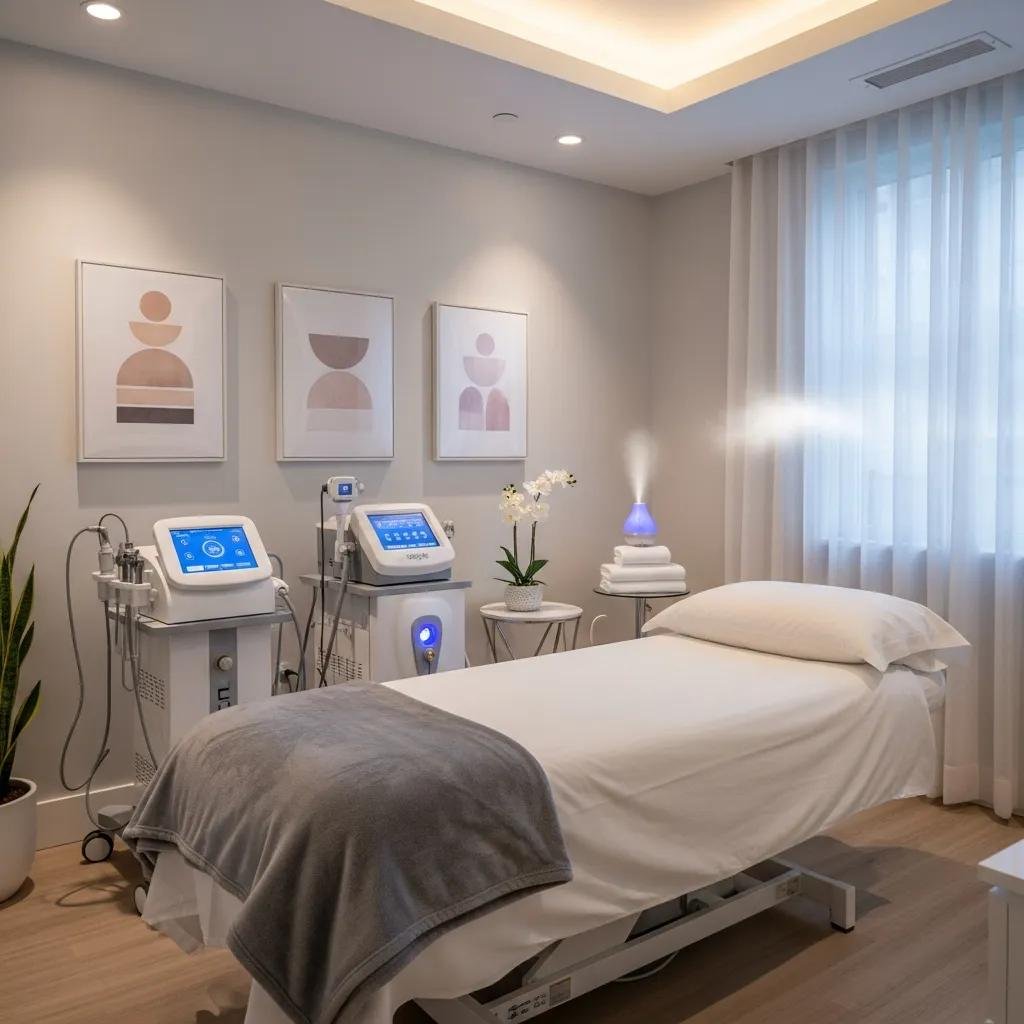
Shore MedSpa & Bio Aesthetics, led by a board-certified dermatologist in Rockville, MD, offers several of these modalities—chemical peels, microneedling, Er:YAG laser resurfacing, Botox/Dysport, dermal fillers such as Restylane and Sculptra, and LED skin therapy—as part of personalized treatment plans that target inflammation, sebum control, and collagen remodeling. These in-clinic options can be selected based on the dominant mechanism identified during clinical evaluation.
How Do Chemical Peels and LED Therapy Help Manage Stress Acne?
Chemical peels work by exfoliating the stratum corneum and reducing follicular occlusion, which decreases comedone formation and surface sebum accumulation. Regular, staged peels can lower lesion frequency and improve texture while encouraging more uniform epidermal turnover. LED therapy, using blue and red light spectra, reduces Cutibacterium acnes activity and suppresses inflammatory mediators, shortening lesion duration and calming redness.
Candidates for these approaches are typically individuals with inflammatory or comedonal acne who can tolerate staged treatments and follow pre- and post-care instructions; downtime is minimal for milder peels, and LED therapy is noninvasive with no recovery period. A combined regimen often yields faster, more durable control of stress-triggered breakouts.
What Anti-Aging Solutions Combat Stress-Induced Skin Aging?
Anti-aging approaches that counter stress-related collagen loss focus on stimulating dermal repair and reducing dynamic muscle activity that deepens lines. Microneedling and radiofrequency therapies induce collagen and elastin synthesis through controlled injury, improving texture and firmness over several months. Er:YAG laser resurfacing removes damaged epidermis and promotes dermal remodeling for more significant textural change, while neuromodulators like Botox/Dysport reduce dynamic stress lines and fillers (Restylane, Sculptra) restore volume and structural support.
Selection depends on the visible issue: texture and fine lines benefit from collagen-induction modalities; dynamic forehead or brow lines respond well to neuromodulators; volume loss and deeper nasolabial folds often require fillers. Combining modalities can address multiple layers of stress-induced aging for a more complete outcome.
How Can Holistic Approaches Support Skin Health Under Stress?

Holistic strategies strengthen the skin by lowering systemic stress signaling, supplying antioxidant support, and improving repair cycles—complements to procedural care that reduce recurrence and improve long-term outcomes. Sleep, nutrition, hydration, and targeted stress-management practices each influence cortisol levels, inflammation, and antioxidant capacity. Integrating these behaviors with clinical therapies encourages a sustained shift away from the physiological drivers of stress skin damage.
Practical lifestyle strategies include:
- Improve Sleep Hygiene: Prioritize consistent sleep schedules and a restorative environment to enhance nocturnal skin repair.
- Adopt an Anti-Inflammatory Diet: Emphasize antioxidants and omega-3–rich foods to reduce oxidative stress and support collagen integrity.
- Practice Mindfulness and Breathing: Regular mindfulness or breathwork can lower perceived stress and physiologic cortisol over time.
- Maintain Regular Activity: Moderate exercise improves circulation and systemic resilience without provoking chronic cortisol elevation.
These steps directly affect pathways described earlier—sleep supports repair, antioxidants neutralize ROS, and mindfulness lowers cortisol—making them foundational adjuncts to any clinical plan. Implementing these habits reduces recurrence of stress acne and helps preserve collagen and barrier function over time.
Shore MedSpa & Bio Aesthetics integrates lifestyle guidance into personalized treatment plans, pairing procedural options with recommendations on sleep, nutrition, and stress reduction when appropriate. This combined approach aligns clinical mechanisms with daily behaviors to improve both immediate outcomes and long-term skin resilience.
What Lifestyle Changes Improve Skin Resilience to Stress?
Adopting consistent, evidence-informed habits increases skin resilience by reducing triggers for cortisol spikes and inflammation while supporting repair processes. Prioritize a regular sleep schedule of adequate duration, limit evening stimulants, and create a wind-down routine to enhance nocturnal regeneration. Choose antioxidant-rich foods, maintain hydration, and include dietary sources of omega-3 fatty acids to support membrane integrity and reduce systemic inflammation. Practice daily short mindfulness sessions or controlled breathing to downregulate the stress response and complement behavioral changes with gentle, regular movement.
Small, sustained changes produce cumulative benefit: better sleep improves barrier recovery, nutrition supplies substrates for collagen synthesis, and mindfulness lowers physiological drivers of flare-ups. Combining these behaviors with targeted topical and procedural care produces the most durable improvements in stress-affected skin.
How Do Nutrition, Sleep, and Mindfulness Benefit Stressed Skin?
Nutrition provides antioxidants and anti-inflammatory substrates that counter oxidative stress and support collagen repair, while sleep is when epidermal proliferation and dermal remodeling primarily occur. Mindfulness and stress-reduction techniques lower hypothalamic–pituitary–adrenal axis activation, reducing cortisol pulses that otherwise increase sebum and inflammation. Together these factors reduce the biochemical drivers of breakouts and inflammaging, enabling clinical treatments to produce longer-lasting results.
By addressing upstream influences—dietary antioxidants, restorative sleep, and consistent stress management—individuals reduce the frequency of flares and support ongoing structural repair, which is essential for reversing collagen breakdown and preserving skin health into the future.