The Impact of Sleep Quality on Skin Health and Aesthetics: Understanding Benefits and Effects
Good sleep is more than rest; “beauty sleep” reflects measurable biological repair that restores skin structure and appearance. Recent research shows restorative sleep coordinates hormone release, cellular turnover, and barrier restoration, producing benefits such as increased collagen synthesis, improved hydration, and reduced inflammatory signaling. Readers will learn how sleep stages influence collagen and elastin, why poor sleep accelerates visible aging, how sleep affects inflammatory conditions like acne and eczema, and which lifestyle and medspa approaches best amplify overnight repair. This article explains mechanisms (HGH, cortisol, circadian rhythm), lists visible signs of sleep deficiency, and offers evidence-aligned sleep-hygiene and topical strategies. Practical medspa adjuncts that complement sleep-driven repair are also described so you can match science-first routines with targeted clinical options.
How Does Sleep Quality Influence Skin Aging and Collagen Production?
Sleep quality directly influences long-term skin aging by regulating hormonal and cellular repair pathways that build and maintain the dermal matrix. Deep non-REM sleep triggers pulses of human growth hormone (HGH), which stimulates fibroblasts to synthesize type I and type III collagen; this mechanism improves tensile strength and reduces fine-line formation. Conversely, fragmented sleep elevates cortisol and matrix-degrading enzymes, accelerating collagen breakdown and loss of elasticity. Understanding these processes clarifies why consistent restorative sleep is a foundational anti-aging strategy and why targeted interventions may be needed when sleep alone is insufficient.
Different biological processes during sleep create predictable effects on skin health. The table below summarizes key relationships between sleep stages, signaling molecules, and skin outcomes.
| Biological Process | Predominant Timing/Stage | Result for Skin |
|---|---|---|
| HGH release → collagen synthesis | Deep non-REM sleep (early night) | Increased fibroblast activity; collagen repair |
| Cortisol suppression → reduced catabolism | Nighttime decline with good sleep | Lower collagen degradation; less inflammation |
| Barrier restoration → TEWL reduction | Throughout sleep via epidermal repair | Improved hydration and reduced sensitivity |
The relationships above show how sleep stages and hormones produce cumulative changes in skin structure and function. Recognizing these mechanisms leads to targeted approaches that either protect processes (sleep hygiene) or supplement them clinically when needed.
What Role Does Human Growth Hormone Play in Skin Repair During Sleep?
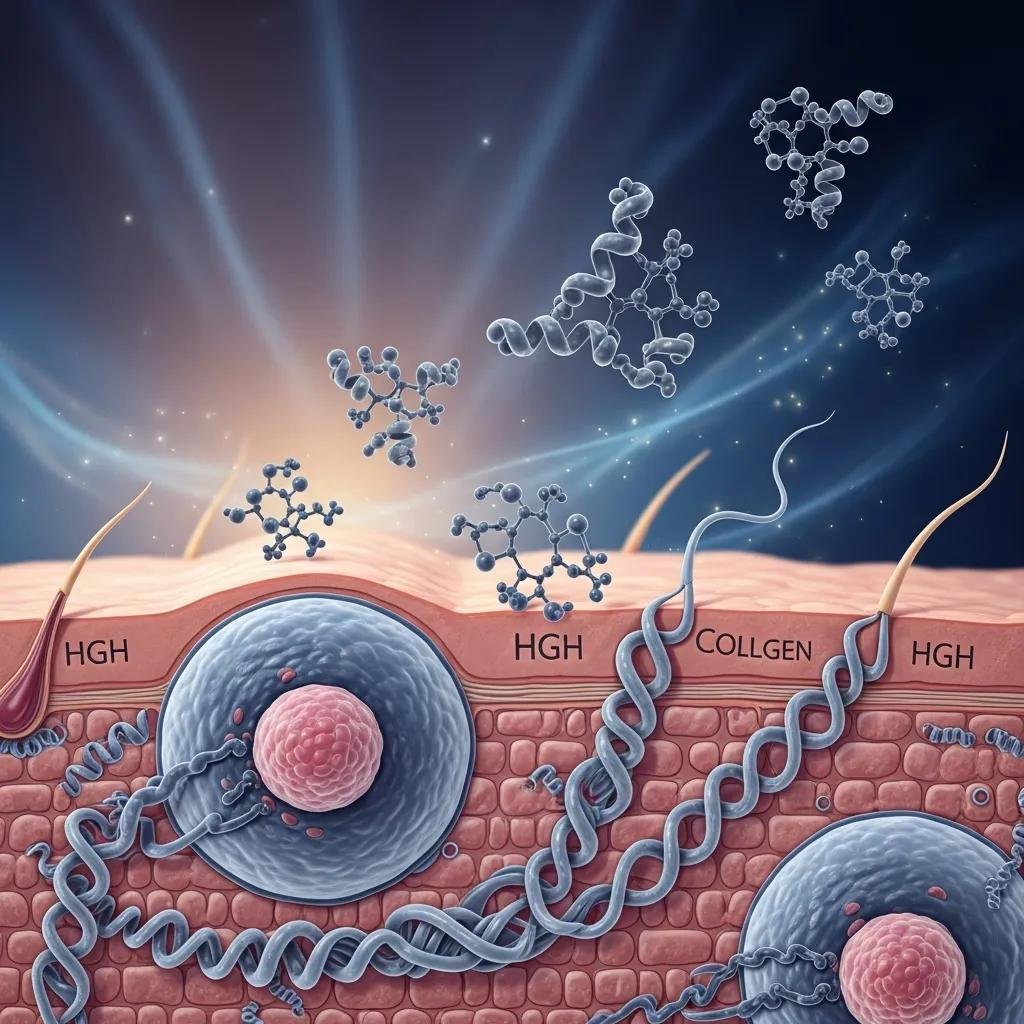
Human growth hormone is released in pulses during deep sleep and acts as a key anabolic signal for dermal repair. HGH stimulates fibroblast proliferation and collagen gene expression, which increases synthesis of collagen and elastin fibers responsible for skin firmness and resilience. This mechanism explains why extended periods of fragmented sleep correlate with thinner dermis and more prominent wrinkles. Clinically, collagen-stimulating procedures mimic or amplify this pathway by inducing controlled micro-injury or stimulation that prompts fibroblast activity, bridging the gap when sleep-driven repair is insufficient.
How Does Cortisol from Poor Sleep Accelerate Wrinkles and Fine Lines?
Cortisol rises with sleep loss and chronic sleep disruption, promoting catabolic pathways that degrade extracellular matrix proteins. Elevated cortisol increases matrix metalloproteinase activity and oxidative stress, which together accelerate collagen and elastin breakdown and impair dermal repair. This biochemical cascade results in more pronounced fine lines, loss of elasticity, and slower recovery from environmental damage. Managing stress and sleep quality reduces cortisol-mediated damage and pairs naturally with targeted aesthetic interventions to restore matrix integrity.
What Are the Visible Effects of Sleep Deprivation on Skin Appearance?
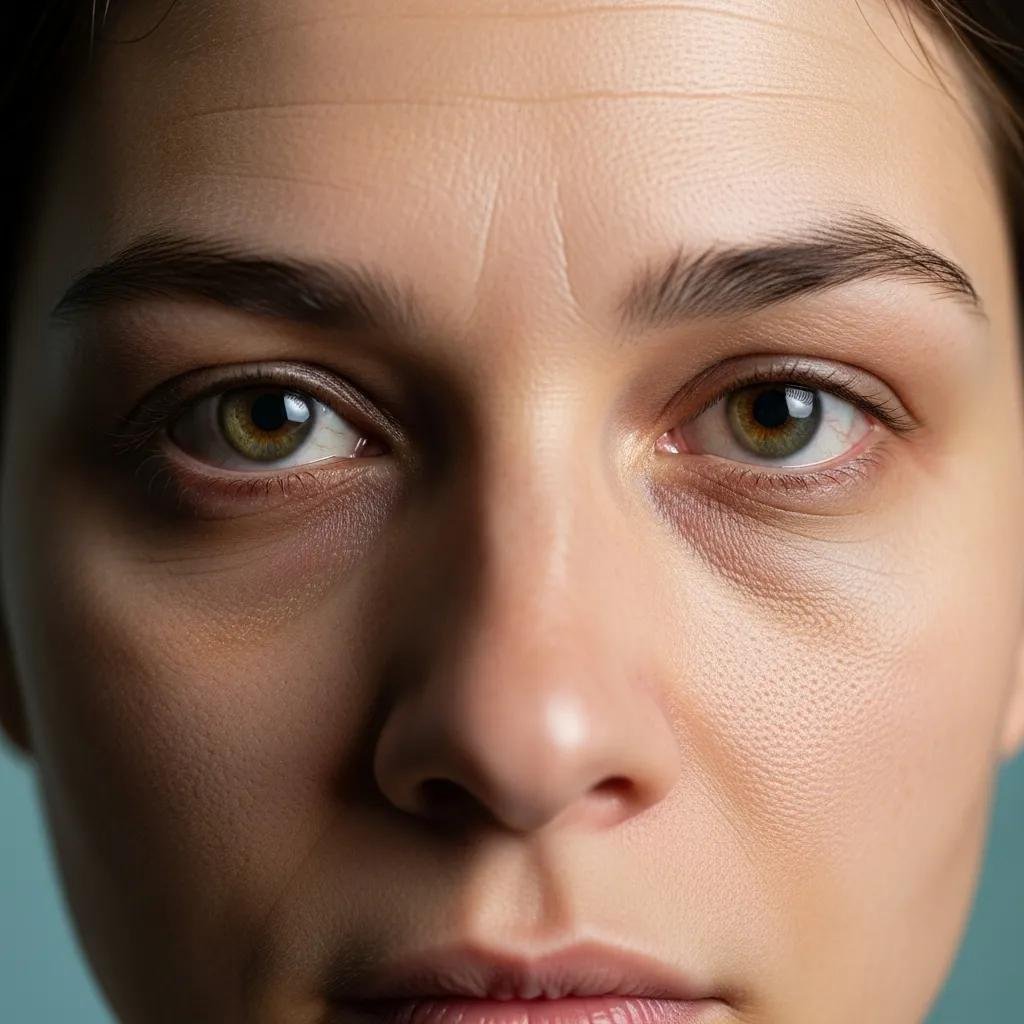
Poor sleep produces several recognizable changes in skin appearance that often precede chronic structural aging. Reduced nocturnal perfusion and impaired lymphatic clearance create periorbital discoloration and puffiness, while barrier repair deficits increase transepidermal water loss and surface dullness. Repeated nights of insufficient deep sleep compound these effects, producing persistent texture changes and early wrinkle formation rather than transient signs. The visible signs below summarize common presentations clinicians and patients observe.
- Dark circles: Vascular dilation and hemoglobin breakdown under thin eyelid skin intensify under-eye discoloration.
- Puffiness: Impaired lymphatic drainage and fluid redistribution during wakefulness cause periorbital edema.
- Dull, uneven tone: Reduced nocturnal blood flow and slowed cell turnover result in a lackluster complexion.
After identifying these signs, minimally invasive procedures can serve as remediation options when lifestyle measures fall short. Dermal fillers address under-eye volume loss, chemical peels and laser resurfacing improve texture and tone, and neuromodulators can smooth dynamic lines. These clinical approaches complement sleep-focused strategies by correcting structural or pigmentary deficits that sleep alone may not fully reverse.
Why Do Dark Circles and Puffiness Develop from Poor Sleep?
Dark circles and puffiness reflect a mix of vascular, structural, and lymphatic dynamics worsened by sleep disruption. When deep sleep is insufficient, nocturnal vasoconstriction is reduced and small vessels under the eye dilate, increasing visible pigmentation; simultaneous lymphatic clearance slows, permitting fluid accumulation. Positional factors and salt intake can exacerbate this pooling. Practical steps such as elevating the head, cold compresses, and consistent sleep timing help reduce transient puffiness, while clinical options like under-eye fillers or skin-tightening treatments target more persistent structural or volume-related contributors.
How Does Sleep Loss Affect Skin Hydration and Barrier Function?
Sleep supports barrier restoration through coordinated epidermal cell turnover and lipid synthesis; loss of sleep impairs these processes, increasing transepidermal water loss (TEWL) and surface sensitivity. Impaired barrier function leads to dryness, flaking, and enhanced penetration of irritants, which can perpetuate inflammation and disrupt the microbiome. Reinstating good sleep increases overnight epidermal recovery, while topical strategies—layered humectants, emollients, and occlusives—help retain water and accelerate barrier repair. Addressing hydration and barrier function is essential before introducing active resurfacing or exfoliating treatments to prevent irritation.
How Can Restorative Sleep Improve Inflammatory Skin Conditions Like Acne and Eczema?
Restorative sleep downregulates systemic inflammation, stabilizes cortisol rhythms, and supports balanced immune signaling—all mechanisms directly relevant to acne and eczema control. Improved sleep correlates with lower proinflammatory cytokine levels, reduced sebum dysregulation, and more consistent barrier restoration, which together lower flare frequency. For inflammatory skin conditions, sleep functions as a non-pharmacologic regulator that complements topical and procedural therapies by reducing the physiologic triggers of flare-ups.
Clinical adjuncts can accelerate recovery when sleep improvements alone are inadequate. For acne-prone skin, targeted chemical peels support faster cell turnover and pore clearance; for persistent redness or rosacea-like inflammation, laser-based photorejuvenation reduces vascular reactivity and erythema. Combining sleep- and inflammation-focused interventions yields more durable control than either approach alone.
What Is the Relationship Between Cortisol, Inflammation, and Skin Sensitivity?
Cortisol modulates immune responses via the hypothalamic-pituitary-adrenal axis; chronic elevation increases proinflammatory signaling in skin and heightens sensitivity. This state promotes flare-prone conditions, delayed barrier repair, and exaggerated responses to irritants. Addressing sleep quality lowers cortisol exposure and helps normalize cytokine profiles, while topical anti-inflammatory strategies and clinician-directed treatments manage local reactivity. Integrating sleep hygiene with targeted therapies reduces both systemic and cutaneous drivers of sensitivity.
How Does Sleep Support Skin’s Immune Response and Reduce Flare-Ups?
Nighttime immune activity involves regulated cytokine expression and reparative processes that clear damaged cells and restore homeostasis. Adequate sleep ensures appropriate timing of these immune functions, lowering the frequency and severity of inflammatory flares. When patients report recurrent flare-ups despite lifestyle measures, dermatologic assessment and adjunct procedures can identify and treat residual drivers such as bacterial dysbiosis, persistent inflammation, or structural damage.
What Lifestyle and MedSpa Treatments Enhance Skin Health Alongside Quality Sleep?
Improving sleep and pairing it with targeted topical and in-clinic approaches produces the strongest outcomes for skin health. The following lifestyle strategies support circadian-driven repair and create the substrate for effective clinical interventions.
- Maintain a consistent sleep schedule: Regular sleep-wake timing reinforces circadian repair signals and hormone rhythms.
- Optimize sleep environment: A cool, dark room and limited evening light exposure improve deep sleep duration.
- Adopt a wind-down routine: A pre-sleep ritual that avoids heavy screens and stimulants helps transition into restorative sleep.
These practices increase nightly HGH pulses and barrier restoration, making subsequent aesthetic or dermatologic treatments more effective. The quick list above outlines actionable steps to strengthen the physiological foundation for cellular repair.
The table below compares common clinic treatments and how they address sleep-related skin deficits.
| Treatment | Mechanism | Benefit / When to Use |
|---|---|---|
| Microneedling / RF microneedling (Lutronic Genius) | Induces controlled dermal remodeling | Stimulates collagen for loss of firmness |
| Chemical peels | Accelerates epidermal turnover | Improves texture and acne-prone skin |
| Laser resurfacing (Er:YAG / Picosecond) | Ablative or photomechanical renewal | Reduces pigmentation, scarring, and roughness |
This comparison clarifies which interventions best complement improved sleep by targeting collagen loss, texture irregularities, or pigmentary changes. Selecting the right modality depends on the primary sleep-related deficit and skin type considerations.
Which Nighttime Skincare Practices Complement the Skin’s Repair Cycle?
Nighttime routines should support cell turnover, antioxidant defense, and barrier restoration to work synergistically with sleep-driven repair. Introduce evidence-backed actives gradually and prioritize hydration before aggressive treatments. Below are practical, ordered steps you can implement tonight to fortify overnight repair.
- Cleanse gently: Remove debris without stripping lipids to preserve the stratum corneum.
- Apply a retinoid or retinol (as tolerated): Encourage cell turnover and collagen production; introduce slowly.
- Use a hydrating serum (hyaluronic acid): Boosts water content before occlusion.
- Seal with an occlusive moisturizer: Reduce TEWL and allow overnight lipid repair.
- Add antioxidants (vitamin C or topical peptides) in the evening routine when stable: Reduce oxidative stress from daytime exposure.
These steps align topical mechanisms with circadian repair, improving outcomes from both nightly physiology and clinical treatments. Start conservatively, observe tolerance, and adjust timing when combining with in-clinic procedures.
How Do Shore MedSpa’s Treatments Amplify Benefits of Good Sleep?
Shore MedSpa & Bio Aesthetics brings a clinical complement to sleep-based skin repair by offering procedures aligned to the biological deficits caused by poor sleep. For collagen restoration and firmness, microneedling and RF microneedling (Lutronic Genius) stimulate fibroblast activity and matrix rebuilding. Where sustained volumetric support is needed, Sculptra bio-stimulators encourage gradual collagen deposition to restore facial architecture. For texture and barrier concerns, chemical peels and Er:YAG or Picosecond laser resurfacing accelerate epidermal renewal and reduce pigmentation. These treatments are delivered under the supervision of a board-certified dermatologist, ensuring procedures are matched to skin physiology and timed to respect recovery windows after sleep-optimizing lifestyle changes.
This integration of sleep-focused routines with targeted aesthetic modalities helps patients achieve measurable improvements in firmness, tone, and inflammation control while maintaining a science-first approach to skin health.