
The Growing Benefits of Peptide Therapy for Health & Aesthetics at Shore MedSpa
Peptide therapy uses short chains of amino acids to send biological signals that promote tissue repair, metabolic balance, and skin rejuvenation. Recent research shows peptides can stimulate collagen synthesis, modulate inflammation, and influence the growth-hormone axis, producing measurable health and aesthetic benefits. This article explains the primary clinical and cosmetic advantages of peptide therapeutics, the common peptide classes used, safety and candidate selection, and how peptides can integrate with other medical aesthetic and weight-loss programs. Led by a board-certified dermatologist, Shore MedSpa & Bio Aesthetics offers medically supervised approaches that align with these mechanisms while tailoring plans to individual goals. Readers will learn concise mechanisms, practical examples of peptides such as GHK-Cu, BPC-157, CJC-1295, and Ipamorelin, and realistic expectations for outcomes. Finally, we outline how peptide therapy can complement injectables, chemical peels, and medically supervised weight management to enhance recovery and long-term results.
What Are the Key Benefits of Peptide Therapy for Health and Aesthetics?
Peptide therapy delivers multiple targeted effects by binding to local receptors and triggering cellular pathways that affect collagen production, inflammation, metabolism, and hormone release. This mechanism produces outcomes like firmer skin, faster tissue repair, improved body composition, and better recovery after procedures. Below is a concise bulleted list summarizing the core benefits and one-line mechanisms to aid quick understanding.
Peptide therapy offers several central clinical and cosmetic benefits:
- Anti-aging Skin Support: Stimulates collagen and elastin synthesis for firmer, smoother skin.
- Enhanced Wound Healing: Modulates inflammation and promotes tissue repair at injury sites.
- Metabolic & Weight Support: Boosts fat oxidation and influences appetite/metabolic signals.
- Muscle Maintenance & Recovery: Stimulates growth-hormone axis to support lean mass and recovery.
- Reduced Inflammation: Downregulates pro-inflammatory signals to aid chronic recovery.
- Overall Wellness Support: Improves energy, sleep, and repair through hormonal balance.
These benefits map to defined mechanisms that clinicians monitor for targeted outcomes. Understanding how each benefit arises leads naturally to which peptides deliver specific effects.
Different benefits correspond to distinct mechanisms and clinical effects for rapid reference.
| Benefit | Mechanism | Clinical effect / Example |
|---|---|---|
| Skin rejuvenation | Collagen and elastin stimulation | Reduced fine lines, improved texture |
| Tissue repair | Anti-inflammatory and angiogenic signaling | Faster wound and injury recovery |
| Metabolic support | Fat oxidation and appetite modulation | Complement to weight management plans |
| Hormone balance | Growth-hormone axis stimulation | Improved recovery and lean mass maintenance |
This table clarifies which biological actions translate into everyday clinical outcomes and helps prioritize treatment goals before selecting peptides.
How Does Peptide Therapy Support Anti-Aging and Skin Rejuvenation?
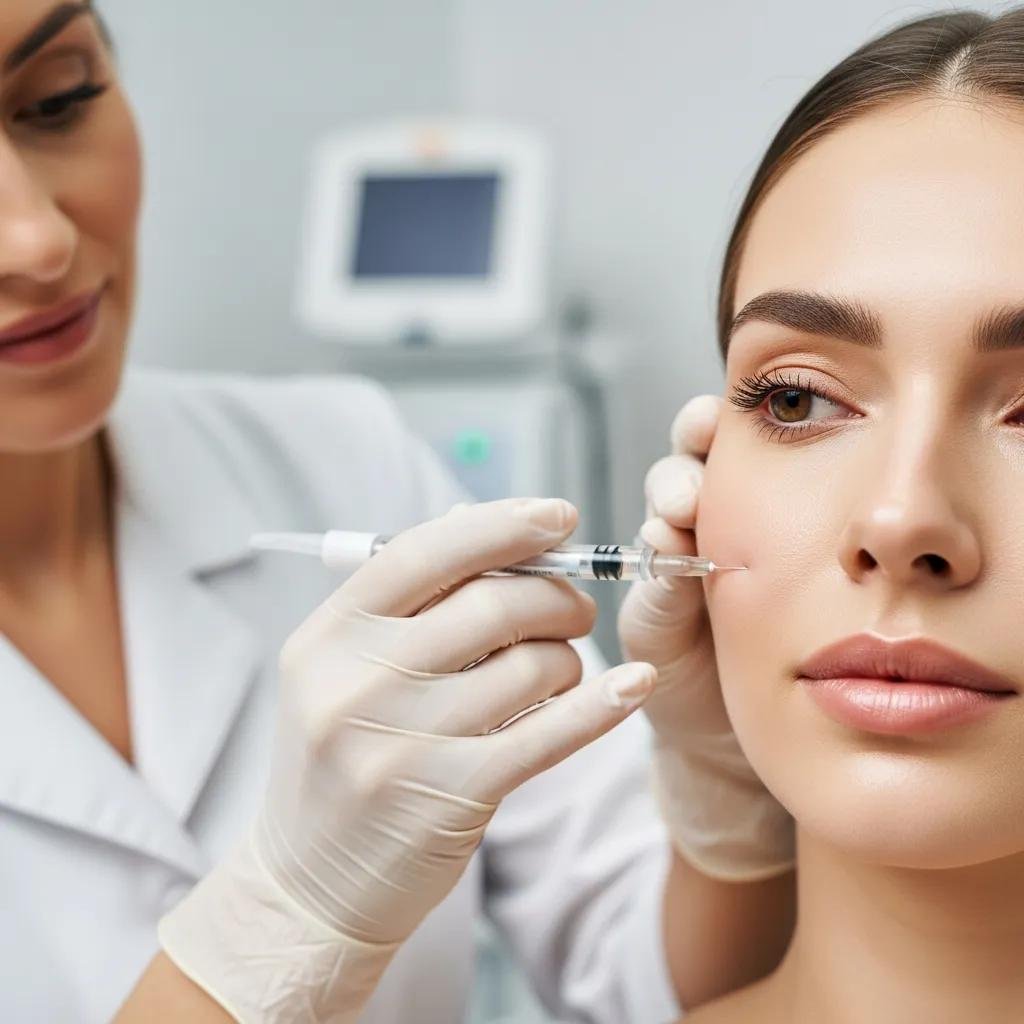
Peptide therapy for skin works by signaling dermal cells to synthesize structural proteins and repair extracellular matrix components. GHK-Cu is a prototypical example that stimulates collagen production and modulates metalloproteinases to balance remodeling. Topical formulations and injectable approaches both aim to improve elasticity, reduce fine lines, and enhance skin tone by promoting native repair mechanisms. Patients typically see gradual texture and firmness improvements over weeks, and integrating peptides into pre- and post-procedure care can support better aesthetic outcomes and recovery.
In What Ways Does Peptide Therapy Aid Medical Weight Loss and Metabolic Health?

Certain peptides influence metabolic pathways by increasing lipolysis, improving mitochondrial function, or modulating appetite-related signaling. Peptides such as AOD-9604 have been investigated for fat-targeted effects, while other agents support energy and recovery during caloric deficit. Clinically, peptides are positioned as adjunctive tools that may enhance adherence and metabolic resilience alongside evidence-based medical weight-loss programs. In practice, these approaches are integrated cautiously and monitored medically to avoid overstating expected weight outcomes.
Which Types of Peptides Are Used in Therapy and What Are Their Specific Uses?
Clinically used peptides span those that target skin, repair tissues, or influence endocrine axes; each has distinct mechanisms and typical outcomes. Below is a compact comparison table that helps clinicians and patients match peptide types to therapeutic goals.
| Peptide | Mechanism | Typical clinical outcome |
|---|---|---|
| GHK-Cu | Stimulates collagen synthesis, modulates MMPs | Skin rejuvenation, improved texture |
| BPC-157 | Pro-healing, angiogenic, anti-inflammatory | Enhanced tendon/soft-tissue recovery |
| CJC-1295 + Ipamorelin | Growth-hormone releasing peptides | Increased GH pulsatility, improved recovery |
This table highlights practical pairings between peptide chemistry and expected clinical endpoints. Selecting the right peptide depends on the treatment goal, administration route, and monitoring plan.
What Are the Roles of GHK-Cu and BPC-157 in Skin Health and Injury Recovery?
GHK-Cu functions as a reparative signal that upregulates collagen and supports matrix remodeling in the skin. Applied topically or delivered in controlled injections, it helps reduce fine lines and improve skin firmness by promoting native repair. BPC-157 exerts potent tissue-repair effects in soft tissues and tendons, reducing inflammation and accelerating healing pathways. Both peptides are used under medical supervision with realistic timelines for improvement and are best combined with supportive therapies for tissue health.
How Do CJC-1295 and Ipamorelin Promote Muscle Growth and Hormone Balance?
CJC-1295 and Ipamorelin act on the pituitary axis to increase growth-hormone release in a regulated pattern, favoring anabolic and recovery processes. These peptides support lean mass maintenance, improved recovery, and metabolic regulation when used with appropriate monitoring. They require individualized dosing and periodic laboratory assessment to track hormonal responses and ensure safety. For patients aiming to preserve muscle during weight loss or to support recovery from intensive training, these peptides can be part of a broader, supervised strategy.
Is Peptide Therapy Safe and Who Can Benefit from It?
Yes—when provided under medical supervision, peptide therapy can be safe and effective for selected candidates, with protocols that emphasize screening, baseline testing, and follow-up. A medically supervised pathway reduces risks through dose titration, contraindication screening, and laboratory monitoring by qualified providers. The following list outlines common candidate profiles who may benefit from a peptide-focused plan in a clinical setting.
- Aging skin candidates seeking improved texture and firmness under dermatologic oversight.
- Patients in medically supervised weight programs who need metabolic or recovery support.
- Athletes or recovery-focused individuals seeking accelerated tissue repair and reduced downtime.
Structured clinical pathways further ensure safety and measurable outcomes. Next we describe what patients should expect during a supervised consultation.
What Should Patients Expect During a Medically Supervised Peptide Therapy Consultation?
Initial consultations begin with a focused medical history, goals assessment, and review of prior treatments to determine suitability. Baseline labs may be ordered to assess hormones, metabolic markers, and safety parameters before initiating therapy. The clinician then proposes an individualized plan outlining chosen peptides, dosing, administration schedule, and anticipated follow-up cadence. Ongoing monitoring and adjustments are scheduled to evaluate response and maintain safety under provider oversight at the clinic.
What Are the Potential Side Effects and How Is Safety Ensured?
Common side effects tend to be mild and localized, such as transient injection-site redness, brief fatigue, or digestive changes. Rare risks depend on peptide class and patient-specific factors, which is why pre-treatment screening and periodic laboratory checks are essential. Safety is ensured through dose titration, contraindication assessment, and active provider monitoring to detect and manage adverse responses. Patients are counseled on realistic expectations and instructed to report concerning symptoms promptly.
How Does Peptide Therapy Complement Existing Treatments at Shore MedSpa?
Peptides can be combined thoughtfully with Shore MedSpa & Bio Aesthetics’ existing medical and aesthetic services to enhance repair, prolong results, and support metabolic goals. Peptides that stimulate tissue repair or collagen can improve recovery after resurfacing or filler procedures, while metabolic-support peptides can complement supervised weight-loss regimens. For patients seeking integrated plans, the clinic offers coordinated oversight from a board-certified dermatologist to sequence therapies safely and effectively.
Practical ways peptides are paired with in-clinic services:
- Pre/post-procedure support: Peptides reduce inflammation and speed healing around chemical peels and lasers.
- Adjunct to injectables: Collagen-stimulating peptides improve skin quality to enhance filler longevity.
- Support for weight programs: Metabolic peptides used alongside Semaglutide or Tirzepatide help sustain energy and recovery.
These pairings require individualized planning and medical supervision to optimize timing and outcomes, and Shore MedSpa’s clinician-led protocols guide that integration.
How Does Peptide Therapy Enhance Weight Management Programs Like Semaglutide and Tirzepatide?
Peptide-based metabolic support can act as an adjunct to GLP-1–based therapies by supporting energy metabolism and recovery during lifestyle changes. In an integrated plan, peptides are used to complement appetite or fat-targeting strategies while avoiding claims of replacements for proven medications. The combined approach is monitored by medical staff to adjust treatments based on response and safety parameters. Patients considering combination strategies benefit from coordinated care and periodic reassessment.
In What Ways Does Peptide Therapy Work Alongside Botox, Dermal Fillers, and Chemical Peels?
Peptides enhance skin quality at the cellular level, which can improve the visual results and longevity of aesthetic interventions. Used before procedures, they can prime tissue for better outcomes; used after procedures, they support repair and reduce downtime. Pairing peptides with injectables and peels requires attention to sequencing, so clinicians schedule treatments to maximize benefits while reducing complication risks. Discussing goals with a medical provider ensures the optimal sequence and timing for combined therapies at the clinic.