
Strength Training for Anti-Aging & Overall Wellness: How Resistance Exercise Boosts Longevity and Vitality
Strength training—planned, progressive resistance exercise that targets major muscle groups—preserves muscle and bone while improving metabolism and brain health, making it a central anti-aging strategy. This article explains how resistance exercise counters sarcopenia, increases bone mineral density, improves insulin sensitivity, and supports cognitive resilience so readers can apply evidence-based routines for long-term vitality. Many adults experience gradual muscle loss, weaker bones, and slower metabolism with age; tailored strength training provides the physiological stimulus that reverses these trends through muscle protein synthesis, mechanotransduction, and neurotrophic signaling. You will learn the key anti-aging benefits, the metabolic and cognitive mechanisms, practical program templates for beginners and older adults, and how resistance training can complement medically supervised aesthetic and weight-loss interventions. Throughout we integrate recent research perspectives and actionable steps—frequency, intensity, and progression—plus concise tables and lists to make application straightforward. Read on for clear benefits, program design, and brief guidance on coordinating strength work with clinical anti-aging treatments.
What Are the Key Anti-Aging Benefits of Strength Training?
Strength training delivers multiple anti-aging benefits by stimulating muscle protein synthesis, applying mechanical load to bone, improving metabolic regulation, and promoting neurotrophic factors that protect brain tissue. These mechanisms produce concrete outcomes: preserved lean mass, higher bone mineral density, improved glucose handling, and enhanced cognitive resilience—each reducing age-related morbidity and supporting independence. The following bulleted list summarizes the primary benefits and one-line mechanisms to target featured snippets and quick decisions for readers. This list leads into a compact comparison table that clarifies mechanisms and outcomes for clinicians and active adults.
Strength training provides core anti-aging benefits:
- Muscle mass preservation: Resistance exercise stimulates muscle protein synthesis to reduce sarcopenia and maintain function.
- Improved bone density: Mechanical loading via resistance and impact improves bone remodeling and increases BMD.
- Metabolic regulation: Greater lean mass and enhanced glucose uptake raise resting metabolic rate and insulin sensitivity.
- Cognitive support: Resistance work elevates neurotrophic factors like BDNF, supporting memory and executive function.
The table below compares these benefits with concise mechanisms and outcomes.
| Benefit | Mechanism | Outcome |
|---|---|---|
| Muscle mass | Muscle protein synthesis via load | Reduced sarcopenia, improved strength |
| Bone density | Mechanotransduction from load-bearing | Increased BMD, lower fracture risk |
| Metabolic health | Increased lean mass and glucose uptake | Better weight control, improved insulin sensitivity |
These mechanisms interact: preserving muscle supports metabolic health, which in turn benefits brain and bone—forming an integrated anti-aging effect that informs program design.
How Does Strength Training Preserve Muscle Mass to Prevent Sarcopenia?
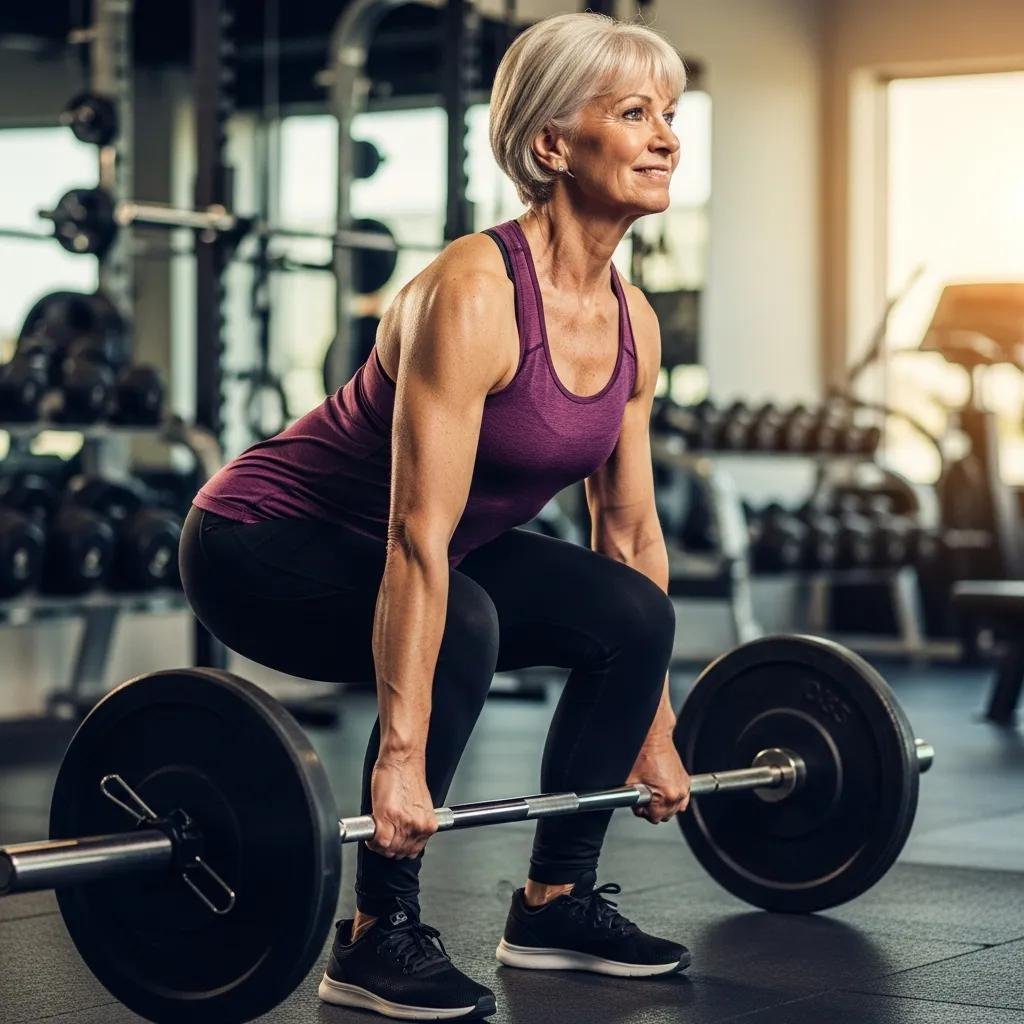
Sarcopenia is age-related loss of muscle mass and strength that impairs mobility and increases mortality risk, and resistance training directly reverses this process by raising muscle protein synthesis and improving motor unit recruitment. Progressive overload—gradually increasing resistance or repetitions—drives hypertrophy while neural adaptations improve strength and balance. Recommended practices include 2–3 resistance sessions per week that target all major muscle groups with 8–15 repetitions per set for most older adults, combined with adequate protein intake to support repair. These practical steps reduce functional decline and set the stage for bone-preserving loading described next.
In What Ways Does Resistance Training Improve Bone Density and Combat Osteoporosis?
Bone adapts to mechanical stress through remodeling; resistance training transmits forces that stimulate osteoblast activity and increase bone mineral density, particularly at loaded sites like hips and spine. Exercises combining axial loading (squats, step-ups) and targeted resistance (weighted rows, deadlifts adapted to ability) are effective for building BMD, while impact activities can further stimulate bone where safe. Individuals with diagnosed osteoporosis should consult a clinician before high-load or high-impact work; modified, supervised resistance routines remain beneficial and lower fracture risk. Understanding safe progressions for bone health connects naturally to metabolic benefits that enhance whole-body resilience.
How Does Strength Training Enhance Metabolic and Cognitive Health for Healthy Aging?

Resistance exercise enhances metabolic health by increasing lean mass, which raises resting metabolic rate and improves insulin-mediated glucose disposal, and it supports cognitive health by elevating neurotrophic factors and cerebral perfusion. These dual effects reduce cardiometabolic risk while preserving executive function and memory—key contributors to longevity and quality of life. The compact table below summarizes metabolic versus cognitive mechanisms and expected outcomes to clarify how resistance training produces systemic anti-aging effects.
| Domain | Mechanism | Evidence / Outcome |
|---|---|---|
| Metabolic | Increased lean mass → higher RMR; improved GLUT4-mediated glucose uptake | Better weight control; improved insulin sensitivity |
| Cognitive | Upregulation of BDNF and vascular benefits | Enhanced memory and executive function; lower cognitive decline markers |
| Biological aging | Reduced inflammaging and improved metabolic markers | Slower biological-age progression in recent studies |
This synthesis shows overlapping pathways—metabolic improvements support brain health and vice versa—so integrated training yields compounded benefits for aging.
What Are the Metabolic Benefits of Resistance Exercise for Weight Management and Insulin Sensitivity?
Resistance exercise raises resting metabolic rate by increasing skeletal muscle mass and enhances insulin sensitivity through improved glucose transporter function, which together help manage weight and reduce diabetes risk. Practical guidance emphasizes 2–3 weekly full-body sessions with progressive overload plus attention to protein distribution across meals to support muscle retention during caloric changes. For patients enrolled in medically supervised weight-loss programs, coordinating resistance training with clinical plans helps preserve lean mass and optimize metabolic outcomes. These metabolic gains feed into cognitive advantages that appear with combined aerobic and resistance strategies.
How Does Strength Training Support Cognitive Function and Brain Health as We Age?
Resistance training supports cognitive function by increasing neurotrophic factors—especially BDNF—improving cerebral blood flow, and reducing systemic inflammation that accelerates neural aging. Recent studies indicate that combined aerobic and resistance protocols produce larger gains in executive function and processing speed than either modality alone, suggesting a multimodal approach is optimal. Practical suggestions include performing resistance sessions 2–3 times weekly and incorporating moderate-intensity aerobic work several times per week to maximize neuroprotective signaling. These program patterns create durable cognitive resilience that complements other anti-aging interventions.
What Are Effective Anti-Aging Workout Routines Using Strength Training?
Effective anti-aging routines balance frequency, intensity, volume, and progression to stimulate adaptation while minimizing injury risk; consistency and gradual overload are central to long-term results. A concise program blueprint clarifies session structure, exercise selection, and recovery: full-body sessions that emphasize compound movements deliver systemic benefits and are accessible for older adults. The following EAV-style table provides a compact program-component guide suitable for mapping to HowTo schema and practical use.
| Program Component | Recommendation | Rationale |
|---|---|---|
| Frequency | 2–3 sessions/week | Allows recovery and consistent stimulus |
| Intensity | Moderate to heavy depending on ability (6–15 RM) | Drives strength and hypertrophy |
| Volume | 2–4 sets per exercise | Balances stimulus with recovery |
These components combine into simple templates that adapt to different ability levels and inform safe progression and monitoring strategies described below.
Which Types of Strength Training Exercises Are Best for Healthy Aging?
Different modalities suit varying needs; selecting a mix improves accessibility and outcomes. The list below compares common options and their practical benefits to help readers choose according to mobility and resources.
- Bodyweight progressions: Accessible and low-cost for building functional strength in beginners and older adults.
- Resistance band training: Portable, joint-friendly, and excellent for progressive tension with low injury risk.
- Free-weight compound moves: Squats, deadlifts, presses provide high systemic load and efficient gains in strength and bone stimulus.
- Machine-based resistance: Offers stability for those with balance concerns or rehabilitation needs.
These modalities can be combined across sessions to match goals and abilities, and gentle progression maintains safety while amplifying anti-aging effects.
How Should You Design a Strength Training Program for Longevity and Overall Wellness?
Design a longevity-focused program by prioritizing full-body compound movements, progressive overload, balance and mobility work, and scheduled recovery. A practical 8–12-week sample structure starts with two weekly full-body sessions in weeks 1–4, increases volume or load in weeks 5–8, and adds a third session if tolerated in weeks 9–12; track performance with simple metrics like sets × reps and perceived exertion. Include mobility and balance drills each session to support fall prevention and functional independence. These steps create measurable progress and link directly to the metabolic and skeletal protections discussed earlier.
How Can Strength Training Complement MedSpa Treatments for Holistic Anti-Aging?
Strength training complements clinical anti-aging treatments by improving body composition, functional capacity, and tissue tone—factors that enhance the effectiveness and visibility of aesthetic and weight-loss interventions. When resistance exercise increases lean mass and reduces visceral fat, patients may experience better contouring results from body-sculpting procedures and more sustainable outcomes from medical weight-loss programs. For readers considering integrated care, coordinating exercise plans with treating clinicians ensures timing and intensity align with any procedures or pharmacologic regimens. This clinical coordination creates a holistic approach that pairs biomechanical and medical strategies for anti-aging.
The following list highlights practical synergies between resistance training and medspa offerings:
- Lean-mass preservation supports weight-loss outcomes: Maintaining muscle helps sustain metabolic rate during medically supervised weight loss.
- Improved muscle tone enhances contouring: Toned musculature can make noninvasive body-contouring results more apparent.
- Faster recovery and functional gains: Strength increases improve mobility and procedure preparation in older adults.
These synergies underscore the value of combining lifestyle interventions with clinical services for comprehensive anti-aging care.
How Does Strength Training Enhance Results of Medical Weight Loss Programs?
Resistance training preserves lean mass during caloric deficits, which helps maintain resting metabolic rate and functional capacity, improving the sustainability of clinically supervised weight loss. Patients using medical weight-loss approaches benefit when exercise plans emphasize resistance work to counter the typical muscle loss accompanying rapid weight reduction. Coordination between the patient, prescribing clinician, and exercise professional—when available—ensures intensity and timing support safety and outcomes. For those working with medically supervised programs, this coordinated approach maximizes metabolic improvements and functional benefits.
In What Ways Does Resistance Exercise Support Skin Health and Body Contouring?
Resistance exercise indirectly supports skin health and body contouring by improving circulation, posture, and underlying soft-tissue tone, which can make aesthetic changes appear more natural and durable. Increased muscle tone provides improved structure beneath the skin, and enhanced circulation supports tissue recovery and overall skin vitality without claiming direct cosmetic effects. When combining resistance training with noninvasive contouring procedures, discuss exercise timing and expectations with the treating clinician to optimize both safety and aesthetic outcomes. This clinical conversation completes the integration between lifestyle and medspa-based anti-aging strategies led by experienced providers.