

Sleep Hygiene Tips for Restorative Sleep & Wellness: How to Improve Sleep Quality and Establish Healthy Habits
Restorative sleep is the deep, uninterrupted sleep that allows the brain and body to repair, consolidate memory, and regulate metabolism, and improving it yields clearer thinking, better mood, and healthier skin. This guide presents practical sleep hygiene strategies—consistent schedules, bedtime routines, environmental optimization, and lifestyle adjustments—that directly target circadian rhythm alignment and sleep architecture. Many people struggle with fragmented sleep due to late-night screens, irregular schedules, or stimulants; this article offers step-by-step habits and evidence-based explanations to restore deep NREM and REM cycles. You will learn the key daily habits that regulate sleep pressure, how to set up a bedroom for optimal physiology, and which nutrition and stress techniques support sleep quality. Each H2 section includes actionable checklists, EAV-style tables comparing interventions, and short routines you can adopt tonight to promote restorative sleep and overall wellness.
What Are the Key Habits for Improving Sleep Quality?
A set of consistent, daily habits is the foundation of sleep hygiene because they regulate the circadian rhythm, build homeostatic sleep pressure, and cue the brain for sleep onset, producing deeper and more continuous restorative sleep. Below is a direct, numbered list of core habits designed for quick implementation and featured-snippet capture.
- Keep a consistent sleep-wake schedule: go to bed and wake up within the same 15–30 minute window every day.
- Establish an evening wind-down routine: perform calming activities for 30–60 minutes before lights-out.
- Time exercise and daylight exposure: get bright light early and finish vigorous exercise at least 3 hours before bed.
- Limit stimulants and alcohol in the evening: avoid caffeine 6 hours before sleep and moderate alcohol intake.
- Manage naps strategically: limit naps to 20–30 minutes early in the afternoon to preserve nighttime sleep pressure.
- Use bed only for sleep and intimacy: reinforce stimulus control so the bed cues sleepiness rather than wakefulness.
These habits work together to stabilize circadian timing and reduce sleep fragmentation. Building them in sequence—schedule, routine, environment—creates reliable cues that make falling and staying asleep easier, which leads into how a consistent schedule specifically enhances restorative sleep.
Different sleep habits regulate specific systems and produce predictable benefits; the table below maps core habits to what they regulate and the expected effect on sleep quality.
| Habit | Regulates | Expected Benefit |
|---|---|---|
| Consistent sleep-wake schedule | Circadian rhythm & sleep onset | Faster sleep onset, more consolidated REM/NREM |
| Evening wind-down routine | Pre-sleep arousal | Reduced sleep latency and fewer awakenings |
| Daylight exposure & activity | Circadian entrainment | Stronger daytime alertness, deeper nighttime sleep |
| Substance timing (caffeine/alcohol) | Neurochemical arousal | Less nighttime fragmentation and improved sleep architecture |
This comparison clarifies which habit to prioritize based on the problem you experience (difficulty falling asleep, frequent waking, or poor daytime energy). The next subsection explains how maintaining a consistent sleep schedule produces these physiological benefits.
How Does a Consistent Sleep Schedule Enhance Restorative Sleep?
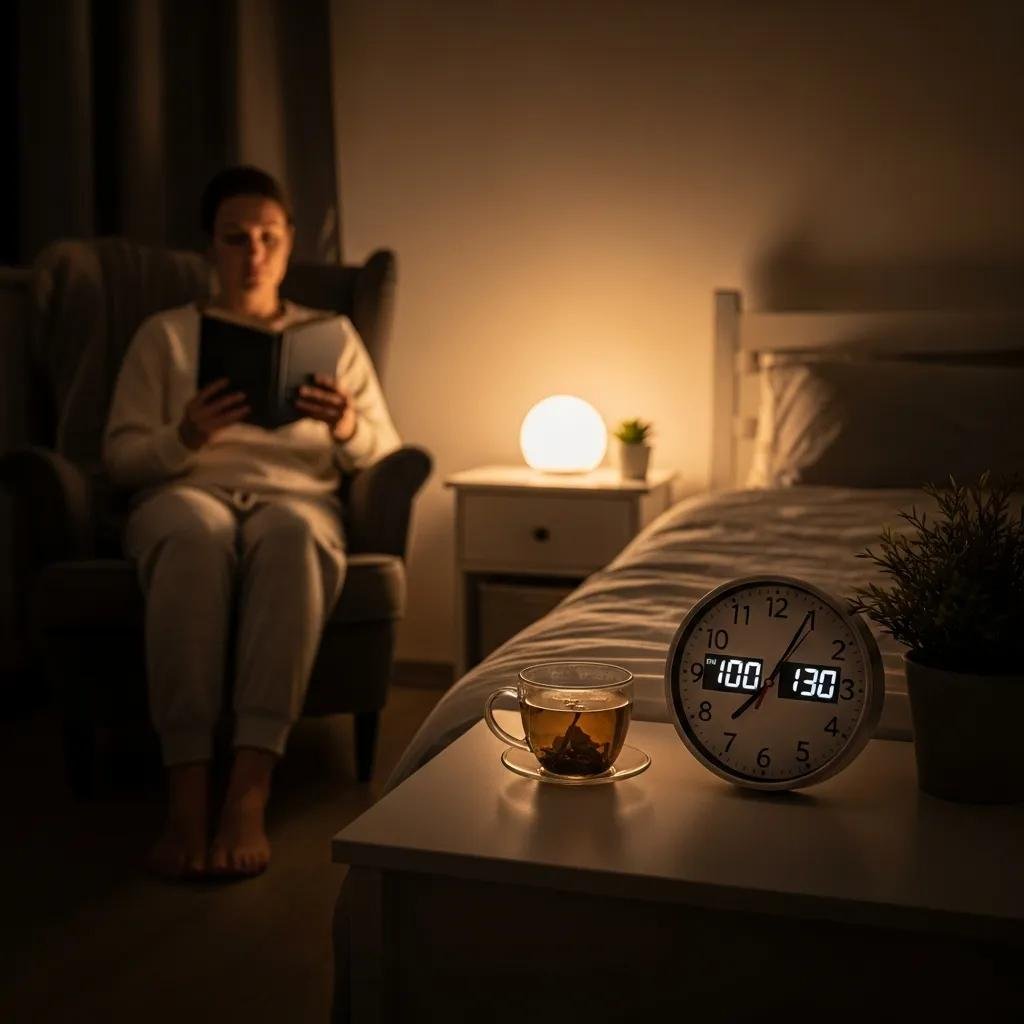
A consistent sleep schedule aligns the circadian rhythm with the external light–dark cycle and balances the homeostatic sleep drive, which together regulate sleep onset, depth, and the ratio of REM to NREM sleep. Regular timing strengthens the internal clock signals from the suprachiasmatic nucleus so melatonin secretion and core body temperature drops occur predictably, helping NREM slow-wave sleep consolidate early in the night. Practically, shifting sleep by 15–30 minutes per night toward your target bedtime reduces disruption, and maintaining a stable wake time—even on weekends—preserves sleep pressure and daytime alertness. Over weeks, this alignment leads to deeper slow-wave sleep and more evenly distributed REM periods, improving restoration. Consistency also reduces circadian misalignment that can worsen mood and metabolic regulation, which makes the next topic—creating an effective bedtime routine—even more impactful.
What Are Effective Bedtime Routines for Adults to Promote Deep Sleep?
An effective bedtime routine provides consistent cues that lower physiological arousal and prepare both mind and body for restorative sleep, typically lasting 30–60 minutes and emphasizing relaxation, low light, and simple rituals. Start with dimming lights, perform a calming activity such as reading or a warm shower, practice 5–10 minutes of paced breathing or progressive muscle relaxation, and avoid screens or heavy meals in the final hour before bed to reduce blue light exposure and digestive stimulation.
A sample 45-minute routine: 45–30 minutes before bed, stop screens and bright light; 30–15 minutes, take a warm shower and hydrate lightly; 15–0 minutes, do relaxation breathing and light reading in a dim room. These repeated cues build conditioned responses—when you follow the same sequence nightly, the brain associates the routine with sleepiness, which naturally transitions into setting up the bedroom environment for maximal restoration.
For readers seeking personalized guidance, many wellness practices now include tailored sleep-hygiene consultations that integrate behavioral strategies with individual health profiles; Shore MedSpa & Bio Aesthetics emphasizes personalized treatment plans as part of holistic wellness, which can help adapt these routines to specific needs without replacing medical evaluation.
How Can You Optimize Your Sleep Environment for Better Wellness?

Optimizing the sleep environment means controlling light, noise, temperature, and bedding to create physiological conditions that support uninterrupted restorative sleep; these changes directly influence melatonin secretion, sleep onset, and the continuity of NREM and REM cycles. Below is a concise checklist capturing the highest-impact environmental changes for quick implementation.
- Dark: use blackout curtains or an eye mask to eliminate ambient light that suppresses melatonin.
- Quiet: apply sound masking or earplugs to reduce interruptions and avoid sudden noise spikes.
- Cool: maintain bedroom temperature in a cool range to facilitate sleep onset and REM/NREM balance.
- Comfortable bedding: select mattress and pillows that reduce pressure points and support spinal alignment.
These core interventions reduce external disruptions and permit the biological processes that drive restorative sleep to proceed undisturbed. The following table breaks down environment elements, recommended ranges or strategies, and their expected impacts on sleep quality.
| Environment Element | Recommended Strategy/Range | Expected Impact |
|---|---|---|
| Darkness | Blackout curtains or eye mask; minimize LEDs | Increased melatonin, faster sleep onset |
| Noise | White-noise machine or earplugs; reduce sudden sounds | Fewer arousals, deeper consolidated sleep |
| Temperature | Keep bedroom cool (approx. 60–67°F / 15.5–19.5°C) | Faster sleep onset, improved slow-wave sleep |
| Bedding | Supportive mattress and breathable sheets | Reduced micro-awakenings, better comfort |
Creating a sleep-focused bedroom also supports psychological associations with rest; once the environment is optimized, it becomes easier to rely on behavioral routines as sleep cues, which leads naturally into the physiological roles of darkness, quiet, and temperature.
What Role Do Darkness, Quiet, and Temperature Play in Sleep Environment Optimization?
Darkness signals the pineal gland to increase melatonin production, which promotes sleep onset and synchronizes circadian timing, while quietness prevents cortical arousals that fragment sleep stages and reduce slow-wave sleep. Cool ambient temperature supports the body’s natural thermoregulatory drop during sleep, promoting both quicker onset and longer periods of restorative slow-wave sleep; recommended bedroom temperatures commonly fall in the low-to-mid 60s °F (around 15.5–19.5°C). Practical steps include installing blackout curtains, using a white-noise device to mask intermittent sounds, and choosing breathable bedding to avoid overheating. Implementing these adjustments together creates a permissive environment for continuous NREM and REM cycles, enhancing memory consolidation and physical recovery overnight.
How Does Reducing Blue Light Exposure Improve Melatonin Production?
Blue light from screens and LEDs activates intrinsically photosensitive retinal ganglion cells, which send signals to the suprachiasmatic nucleus and suppress nocturnal melatonin production, delaying sleep onset and reducing sleep quality. Reducing blue light in the 60–90 minutes before bed—through a device curfew, enabling built-in blue-light filters, or wearing amber-tinted lenses—allows melatonin secretion to rise naturally and prepares neural circuits for sleep. Practical measures include setting a nightly screen cutoff, using night-shift color settings that lower short-wavelength emissions, and ensuring ambient lighting is warm and dim in the evening. These strategies restore the biological timing mechanisms that cue restorative sleep and complement behavioral routines that reduce pre-sleep arousal.
Which Lifestyle Factors Impact Sleep Hygiene and Restorative Sleep?
Lifestyle factors such as nutrition, supplements, exercise timing, stress management, and substance use strongly influence sleep quality because they alter neurochemical arousal, thermoregulation, and circadian entrainment; addressing these areas produces measurable improvements in sleep continuity and depth. The bullet list below highlights the primary lifestyle domains to evaluate when improving sleep hygiene.
- Nutrition and meal timing: avoid heavy meals 2–3 hours before bed and favor sleep-supportive nutrients earlier in the evening.
- Supplements: consider short-term melatonin or magnesium with safety notes and medical guidance.
- Exercise: regular daytime activity supports sleep but avoid high-intensity workouts close to bedtime.
- Stress and substance moderation: practice stress-reduction techniques and minimize evening caffeine, nicotine, and excess alcohol.
These domains interact—nutrition affects metabolic timing, exercise influences sleep pressure, and stress elevates pre-sleep arousal—so a coordinated approach yields the best results. The table below shows nutrition and supplement options, their target mechanisms, and practical guidance for sleep-supportive use.
| Nutritional Focus | Mechanism | Practical Guidance |
|---|---|---|
| Tryptophan-rich foods | Precursor for serotonin/melatonin | Include lean protein + complex carbs earlier in evening |
| Magnesium | Neuromuscular relaxation | Consider magnesium glycinate at low dose; consult clinician |
| Melatonin (short-term) | Advances circadian phase, reduces sleep latency | Use short-term under guidance; dose/timing individualized |
Combining dietary timing with relaxation practices enhances sleep readiness and reduces nocturnal awakenings, which brings us to specific nutrition and supplement guidance as a next step.
How Do Nutrition and Supplements Support Restorative Sleep?
Specific nutrients and supplements modulate neurotransmitters and muscle tone in ways that support sleep: tryptophan facilitates serotonin and melatonin synthesis, magnesium promotes muscle relaxation and GABAergic activity, and melatonin can safely shorten sleep latency for many individuals when used short-term and at appropriate doses. Favor a lighter evening meal 2–3 hours before bed emphasizing complex carbohydrates with modest protein to aid tryptophan transport to the brain, and maintain adequate hydration without excessive late-night fluid intake. Supplements should be considered with medical oversight—particularly melatonin for circadian adjustment or magnesium for relaxation—because individual needs and interactions vary. Proper nutrition timing and selective supplementation reduce nocturnal restlessness and improve the continuity of restorative sleep.
What Stress Management Techniques Enhance Sleep Quality?
Reducing pre-sleep arousal through evidence-based stress techniques—mindful breathing, progressive muscle relaxation (PMR), and core elements of cognitive behavioral therapy for insomnia (CBT-I) like stimulus control—lowers sympathetic activity and prepares the nervous system for sleep. Practice a 5–10 minute paced-breathing exercise (e.g., inhale 4–6 seconds, exhale 6–8 seconds) or a brief PMR sequence that tenses and relaxes major muscle groups to reduce somatic tension. For persistent insomnia, elements of CBT-I such as limiting time in bed and establishing strong sleep–wake associations are effective and may require a clinician. If symptoms suggest sleep-disordered breathing or chronic insomnia, seek medical evaluation; addressing underlying conditions often amplifies behavioral strategies and restores truly restorative sleep.
Brief clinical note: weight management can reduce obstructive sleep apnea risk and improve sleep quality—services such as medical weight-loss programs (for example, Semaglutide or Tirzepatide protocols referenced in wellness service overviews) are one element of a comprehensive approach to reducing apnea-related fragmentation, and they fit into a broader plan that pairs behavioral sleep hygiene with medical care when indicated.