
Sensitive Skin Management: Effective Gentle Care and Product Choices for Healthy Skin
Sensitive skin is a pattern of reactivity where normal products or mild environmental changes cause discomfort, visible redness, or stinging, and current research shows that a disrupted barrier and immune hyper-reactivity are central mechanisms. This guide explains how to identify sensitive skin, why the skin barrier matters, how to build a gentle skincare routine, and which product ingredients soothe or aggravate reactive skin. For readers who want clinical oversight, Board-Certified Dermatologist Dr. Ronald Shore and Shore MedSpa & Bio Aesthetics in Rockville, MD provide personalized assessment and conservative, technology-driven options when in-office care is appropriate. Practical steps below cover causes and symptoms, a stepwise routine (cleanse → treat → moisturize → protect), shopping cues for fragrance-free and ceramide-rich products, and a look at clinic treatments tailored for sensitivity. By the end you’ll have actionable tips for immediate symptom relief, product-selection checklists, and an understanding of when to seek a professional, evidence-informed plan.
What Causes Sensitive Skin and How Can You Identify It?
Sensitive skin results from a combination of genetic predisposition, impaired skin barrier (stratum corneum and lipid matrix), environmental exposures, and product-induced irritation, and this combination increases transepidermal water loss and inflammatory signaling. Identifying sensitivity requires noting patterns—consistent stinging after application, persistent redness, or recurring dryness despite moisturizing—so monitoring reactions over days is essential. Early identification lets you prioritize barrier repair ingredients like ceramides and humectants to restore hydration and reduce reactivity. When symptoms persist or include severe flares, systemic causes or conditions such as rosacea or eczema should be evaluated by a clinician to guide treatment and avoid repeated triggers.
What Are Common Symptoms and Triggers of Sensitive Skin?
This subsection lists typical symptoms and examples of common triggers that provoke reactivity, and it offers quick mitigation steps for immediate relief.
- Redness, burning, stinging, or prickling sensations after product use or environmental exposure.
- Dryness, visible flaking, tightness, or transient rashes that worsen with hot water or cold wind.
- Exacerbations from fragrances, essential oils, sulfates, alcohols, or strong exfoliants.
If you notice a new reaction, stop the suspected product, simplify your routine to one gentle cleanser and moisturizer, and patch test new items on a forearm for 24–48 hours before facial use. These steps reduce ongoing insult to the barrier and create a baseline for rebuilding tolerance.
How Does Skin Barrier Function Affect Sensitivity?
The skin barrier—chiefly the stratum corneum, lipid matrix, and natural moisturizing factors—acts as a physical and biochemical shield that preserves hydration and limits irritant penetration. When lipids such as ceramides are depleted or filaggrin function is reduced, permeability increases, triggering immune cells and nerve endings to react with redness and stinging. Repairing the barrier with ceramide-containing formulations, humectants like hyaluronic acid, and occlusives when needed reduces transepidermal water loss and calms inflammatory signaling. Restoring barrier integrity therefore directly lowers sensitivity and allows gradual reintroduction of targeted actives under controlled conditions.
How to Build a Gentle Skincare Routine for Sensitive Skin
A practical gentle routine follows a simple sequence—cleanse, treat selectively, moisturize, then protect—each step using minimal, well-tolerated ingredients that prioritize barrier restoration. The mechanism is straightforward: remove irritants without stripping lipids, apply targeted actives only when tolerated, lock in moisture, and protect from UV and environmental stressors to prevent flares. Start with a patch test for any new product and introduce one product at a time across several weeks to isolate reactions. The goal is predictable tolerance rather than rapid results; consistent, conservative care reduces cumulative irritation and supports long-term skin health.
Before the table below, here is a concise numbered routine you can follow immediately:
- Cleanse gently: Use a non-foaming, sulfate-free cleanser once daily at night and rinse with lukewarm water.
- Treat selectively: Apply a single, low-concentration active (e.g., niacinamide) only after patch testing and only if tolerated.
- Moisturize: Layer a ceramide-rich cream or lotion while skin is damp to improve absorption.
- Protect: Use a mineral sunscreen daily to prevent UV-induced barrier disruption.
These four steps prioritize barrier repair and minimize exposure to potential irritants, making sensitivity easier to manage and reducing episodic flares.
This Entity–Attribute–Value table compares routine steps with recommended ingredient properties and practical tips to implement them safely.
| Routine Step | Key Ingredient Properties | Practical Tip |
|---|---|---|
| Cleanser | Mild, non-foaming surfactant; avoid sulfates | Patch test on jawline; limit cleansing to once daily or as needed |
| Treatment | Low-concentration actives; pH-balanced | Introduce one active at a time; use every 3rd day initially |
| Moisturizer | Ceramides, humectants, gentle emollients | Apply to damp skin; use thicker ointment at night if needed |
This comparison clarifies that each step should aim to reduce barrier stress while delivering hydration and protection. Following this framework helps prioritize tolerance over aggressive protocols.
Which Ingredients Should You Avoid in Sensitive Skin Products?
Avoiding common irritants reduces cumulative insult and prevents recurrent barrier damage; read labels and prioritize simple formulations. Typical offenders include fragrance (listed under many names), drying alcohols (denatured alcohol, SD alcohol), sulfates (SLS, SLES), essential oils, and high-strength chemical exfoliants. Hidden fragrance can appear as parfum, aroma, or botanical extracts, so choose products labeled “fragrance-free” and inspect ingredient lists. Patch testing and stepping back to a minimal routine allow the barrier to recover; removing these culprits is often sufficient to stop recurrent reactivity.
- Fragrance and parfum often trigger allergic or irritant responses in sensitive skin.
- Sulfate surfactants strip lipids and increase transepidermal water loss.
- High concentrations of AHAs/BHAs or retinoids can provoke stinging unless introduced slowly.
Recognizing these categories and removing them from daily use reduces flare frequency and speeds barrier repair, allowing safe reintroduction of beneficial ingredients later.
What Are the Best Soothing and Hydrating Ingredients for Sensitive Skin?
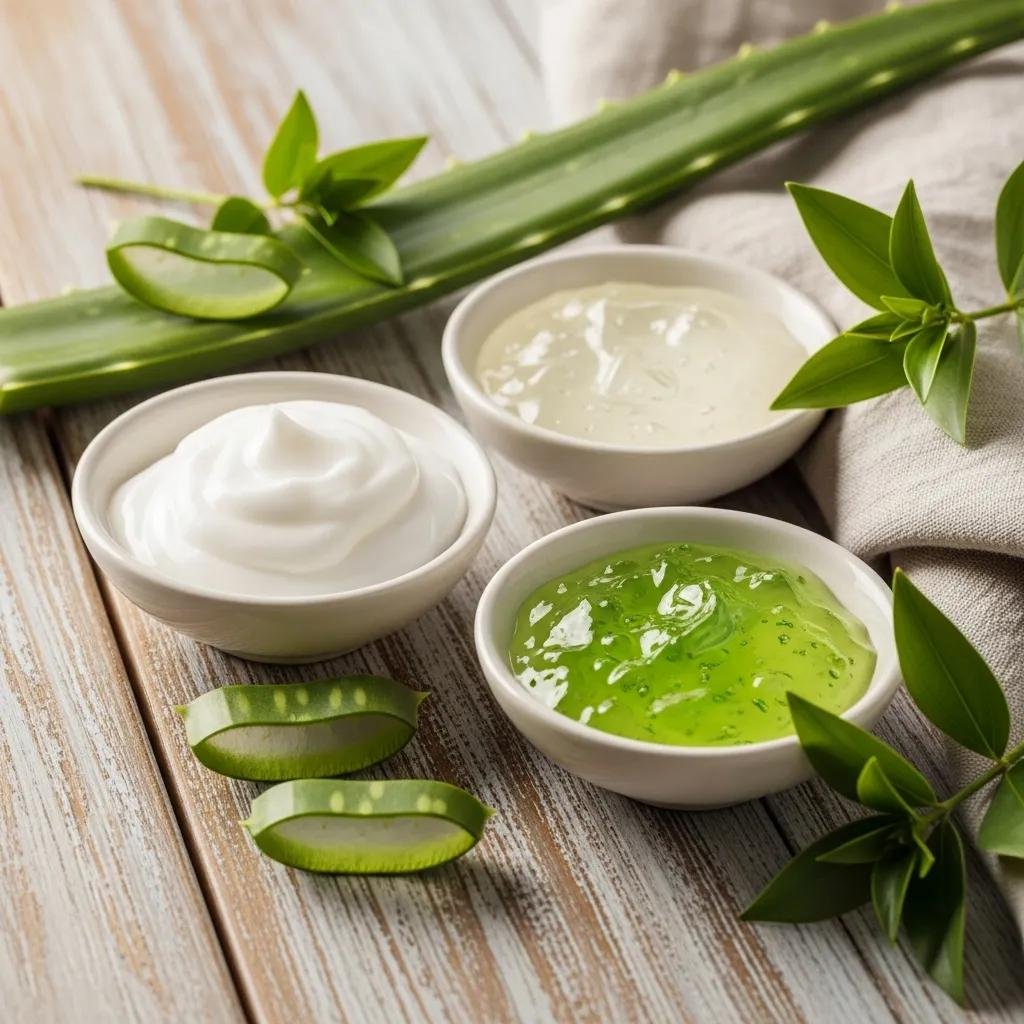
Soothing and hydrating ingredients strengthen the barrier and calm inflammation through distinct mechanisms, making them core to any sensitive skin plan. Ceramides replenish lipids and restore the barrier, hyaluronic acid attracts and retains water for immediate hydration, and niacinamide reduces inflammation while improving barrier lipid synthesis. Colloidal oatmeal and aloe vera provide calming, anti-itch effects and are useful for short-term flares. Introduce these ingredients gradually, prioritize lower concentrations (for example, niacinamide 2–5%) and combine humectants with occlusives to prevent water loss.
- Ceramides: barrier lipids that restore cohesion and reduce permeability.
- Hyaluronic acid: humectant that increases hydration in the stratum corneum.
- Niacinamide: anti-inflammatory and lipid-synthesis supporting ingredient.
Using these ingredients in concert supports both immediate symptom relief and durable barrier recovery, enabling safer use of additional actives later.
What Are the Recommended Gentle Cleansers and Moisturizers for Sensitive Skin?
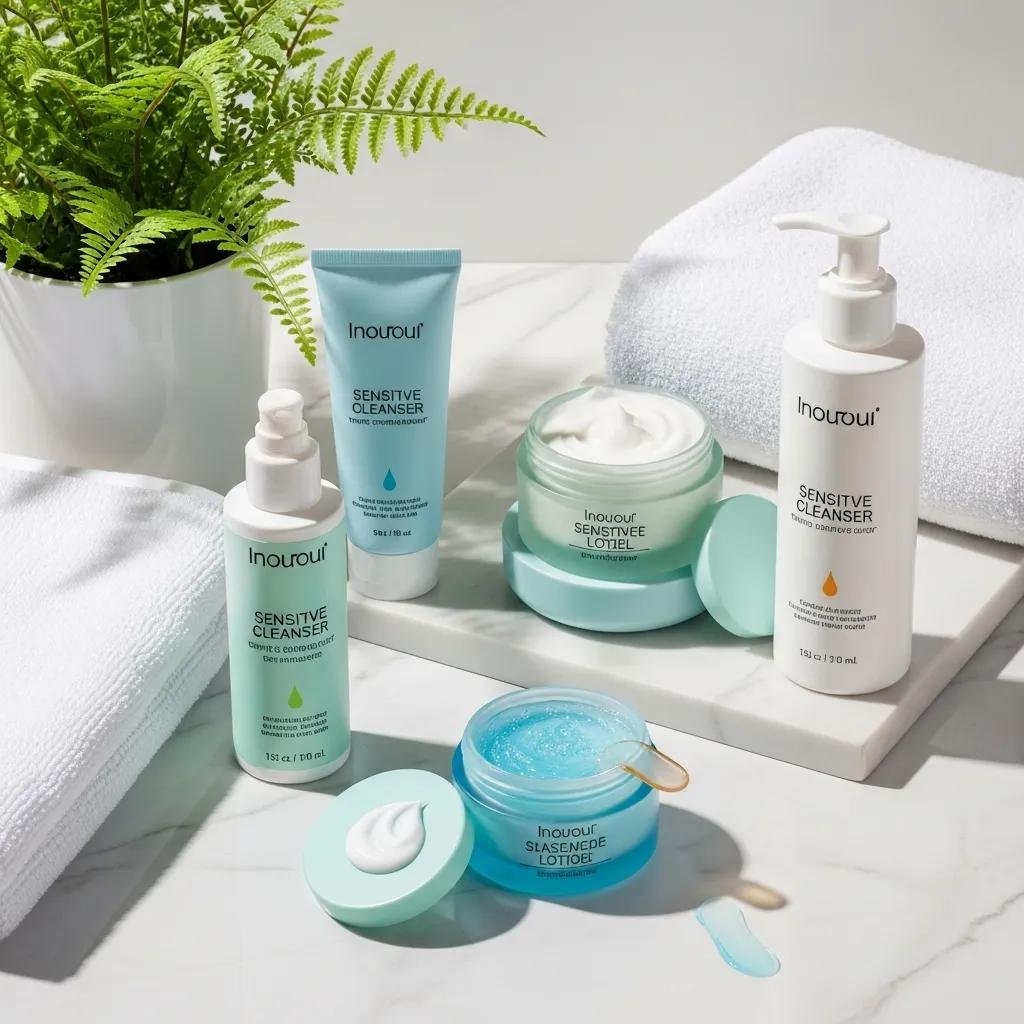
Selecting product types—rather than brands—helps you choose reliably tolerable options: cream or lotion cleansers with mild surfactants, and moisturizers blending ceramides, humectants, and gentle occlusives. Cleansers that do not foam aggressively preserve barrier lipids, while moisturizers with a balance of emollients plus humectants hydrate and seal without irritation. For severe dryness or compromised barrier, ointments containing petrolatum or dimethicone provide an occlusive layer that reduces water loss and protects while healing occurs. When shopping, prioritize “fragrance-free” labeling and short ingredient lists.
Below is a quick reference table listing product types with ingredients to seek and avoid to simplify purchasing decisions.
| Product Type | Key Ingredients to Seek | Key Ingredients to Avoid |
|---|---|---|
| Cleanser | Non-foaming surfactants, glycerin, pH-balanced | Sulfates, strong foaming agents, fragrance |
| Moisturizer (daily) | Ceramides, hyaluronic acid, fatty acids | Alcohol denat., essential oils, heavy fragrances |
| Ointment (repair) | Petrolatum, dimethicone, lanolin (if tolerated) | Fragrance, multiple botanicals |
This table makes it clear that prioritizing ceramides and humectants while removing fragrances and harsh surfactants is the simplest way to choose products that protect sensitive skin and support barrier restoration.
How to Choose Fragrance-Free Skincare Products That Protect Sensitive Skin?
Understanding labeling nuances helps avoid hidden irritants and ensures consistent protection for sensitive skin while shopping. “Fragrance-free” means no added fragrance, while “unscented” sometimes uses masking fragrances that can still irritate; carefully check for parfum, essential oils, or botanical aroma terms. Look for short ingredient lists, third-party claims about being hypoallergenic (as a guideline only), and simple formulas that focus on ceramides, glycerin, and mineral sunscreens for daily protection. Patch test any new product on the inner forearm for 24–48 hours to confirm tolerance before full facial use.
- Seek “fragrance-free” and inspect for parfum or botanical extracts on the label.
- Favor products with explicit ceramide and humectant listings in the first 10 ingredients.
- Patch test before face application to identify delayed reactions.
These label-reading and testing steps reduce the risk of surprise reactions and make long-term product selections more predictable.
What Are Expert-Recommended Moisturizers for Hydrating Irritated Skin?
When skin is irritated, choose moisturizers that combine barrier lipids with humectants and non-irritating emollients to restore integrity and comfort. Lighter creams with ceramides and hyaluronic acid work well for daily maintenance, while thicker creams or ointments with petrolatum or dimethicone are appropriate overnight or during acute flares to seal moisture and protect from external irritants. Apply moisturizers to damp skin to improve absorption and layer minimal products to avoid overloading the barrier. If inflammation remains despite these measures, seek medical evaluation to rule out underlying conditions needing targeted therapy.
- Use ceramide-containing creams for routine barrier support.
- Reserve petrolatum-based ointments for severe dryness or compromised skin.
- Apply to damp skin and avoid layering multiple active serums during flare periods.
Approaching moisturization with this hierarchy ensures hydration without introducing additional irritants or stressing the barrier.
Which Professional Treatments Support Sensitive Skin Management at Shore MedSpa?
Clinical interventions can complement a gentle home routine when tailored conservatively; Shore MedSpa & Bio Aesthetics, led by Dr. Ronald Shore in Rockville, MD, offers personalized evaluations to determine appropriate in-clinic options. Relevant clinic services include gentle chemical peels (light AHA peels), laser resurfacing set for redness reduction, and microneedling protocols adjusted for sensitivity—each selected and dosed to minimize irritation while improving texture and vascular appearance. Medical oversight allows patch testing, customized pre/post-procedure plans, and sequencing of treatments to protect the barrier and reduce adverse events. These in-clinic services are adjuncts to, not replacements for, a solid at-home regimen.
Before the procedure comparison table, here is a concise bulleted list of treatment→benefit pairings that highlight clinical options appropriate for sensitive skin:
- Gentle chemical peels → light exfoliation with hydration to improve texture without aggressive downtime.
- Laser therapies for redness → targeted reduction of vascular reactivity when settings are conservative.
- Microneedling (tailored) → stimulates remodeling while preserving barrier when performed with appropriate spacing.
| Procedure | Benefit for Sensitive Skin | Typical Considerations |
|---|---|---|
| Gentle chemical peel (AHA/light) | Mild exfoliation, improved texture | Requires customization, patch testing, gentle post-care |
| Laser therapy for redness | Reduces visible vascularity and persistent erythema | Settings and cooling minimize irritation; gradual sessions |
| Microneedling (conservative) | Collagen remodeling with controlled inflammation | Longer intervals, topical protection, medical supervision |
This comparison shows that in-clinic procedures can deliver meaningful improvement when matched to individual tolerance and supported by thoughtful pre/post care to maintain barrier integrity.
How Do Gentle Chemical Peels and Laser Therapies Benefit Sensitive Skin?
Gentle chemical peels and targeted laser therapies can reduce long-standing redness and improve texture by removing superficial damaged cells or selectively treating blood vessels, and they work best when customized to the skin’s tolerance level. The mechanism involves controlled, limited injury that triggers renewal without overwhelming the barrier, and clinicians minimize inflammation by using lower concentrations, cooling, and staged sessions. Patient selection and preconditioning with barrier-repair topical regimens reduce risk and improve outcomes. Post-procedure care focuses on hydration, sun protection, and avoidance of irritants to consolidate the treatment benefit.
Why Are Personalized Consultations Important for Sensitive Skin Care?
A physician-led consultation identifies triggers, evaluates barrier status, and sequences treatments to reduce risk and optimize results, and this clinical assessment connects homecare to in-clinic procedures in a safe, evidence-based plan. Consultations typically review medical history, prior reactions, perform patch testing when indicated, and create phased plans that prioritize barrier repair before introducing more invasive options. Board-certified oversight from clinicians such as Dr. Ronald Shore ensures that treatments are medically appropriate and coordinated with daily skincare. If you are in Montgomery County or Rockville, MD and need tailored care, scheduling a focused consultation with Shore MedSpa & Bio Aesthetics helps create a safe, individualized pathway to calmer, healthier skin.
- A consult clarifies underlying conditions and identifies non-dermatologic triggers.
- Patch testing and staged protocols reduce the chance of treatment-related flares.
- Medical oversight coordinates homecare and in-clinic procedures for better long-term outcomes.
This clinical alignment minimizes adverse events and supports predictable improvement; for personalized planning in Rockville, MD, a consultation with Dr. Ronald Shore provides focused expertise and localized care.