
Retinol for Anti-Aging: Benefits, Usage, and Side Effects Explained
Retinol is a vitamin A derivative and a widely used over-the-counter retinoid that accelerates skin cell turnover and stimulates collagen synthesis to improve signs of aging. This article explains how retinol works at the cellular level, what anti-aging benefits to expect, and practical guidance to use retinol safely while minimizing irritation. Many people seek wrinkle reduction, improved texture, and faded hyperpigmentation, but find inconsistent results or unpleasant retinization when protocols are mismatched to their skin. Here you will learn the primary mechanisms behind retinol anti-aging effects, realistic timelines for improvement, step-by-step application and concentration guidance, and clear strategies to manage common side effects. The sections that follow cover key benefits with a comparison table, a how-to regimen with an EAV table for concentration versus frequency, common side effects plus mitigation tactics, and concise comparisons between retinol and other retinoids to help you choose the right option for your skin. Keywords such as retinol anti-aging, retinoid benefits, wrinkle reduction retinol, and retinol application guide are woven throughout to support practical decision-making.
What Are the Key Benefits of Retinol for Skin Anti-Aging?
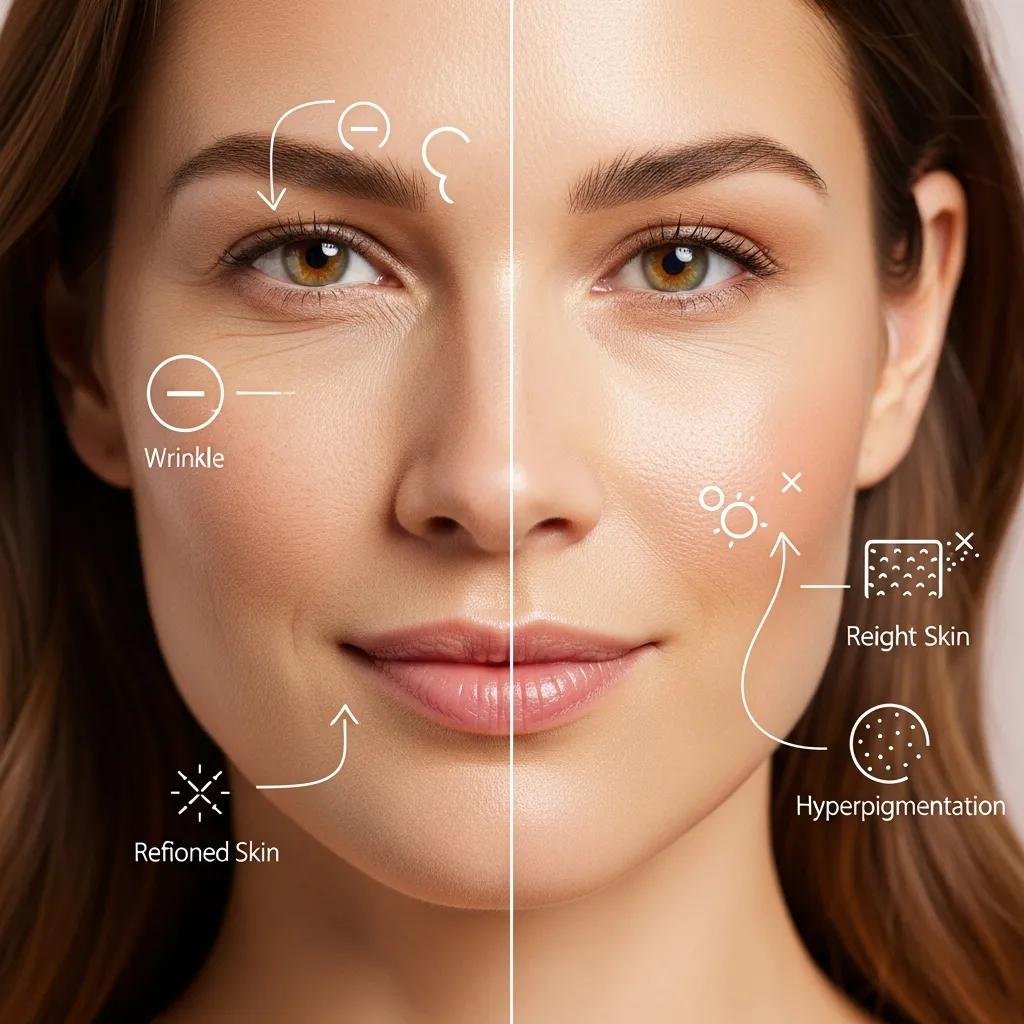
Retinol delivers anti-aging benefits by increasing epidermal cell turnover and upregulating dermal collagen production, which together reduce fine lines, refine texture, and help fade pigment irregularities. Recent clinical summaries show visible improvement in texture and fine lines typically within 8–12 weeks of consistent use, while collagen remodeling continues with longer-term use. Below is a concise list of primary benefits and a short EAV-style comparison to clarify mechanisms and expected outcomes.
Retinol’s core anti-aging benefits include:
- Wrinkle and fine-line reduction: Stimulates collagen and elastin remodeling to firm skin.
- Improved skin texture: Accelerates epidermal renewal to smooth roughness and minimize pores.
- Hyperpigmentation fading: Reduces melanin transfer and disperses pigment for a more even tone.
- Enhanced radiance: Promotes gentle exfoliation to reveal brighter, fresher skin.
The table below compares major benefit areas, the mechanism by which retinol works, and a realistic outcome timeframe.
| Benefit Area | Mechanism | Expected Outcome / Timeline |
|---|---|---|
| Wrinkles & Fine Lines | Collagen stimulation and dermal remodeling | Noticeable softening in ~8–12 weeks; continued improvement over months |
| Texture & Pore Size | Increased cell turnover and epidermal renewal | Smoother surface in 6–10 weeks |
| Hyperpigmentation | Reduced pigment transfer and accelerated desquamation | Fading of spots within 8–12 weeks |
| Skin Radiance | Superficial exfoliation and improved barrier desquamation | Brighter tone within 4–8 weeks |
This benefit-to-mechanism mapping clarifies why retinol is a cornerstone of non-prescription anti-aging care and sets up the next practical section on safe usage and dosing.
How Does Retinol Reduce Wrinkles and Fine Lines?
Retinol reduces wrinkles by promoting epidermal turnover and activating dermal fibroblasts to increase collagen and elastin synthesis, which thickens the dermis and reduces the depth of fine lines. At the cellular level, retinol is metabolized into active retinoic acid analogues that bind nuclear receptors, modifying gene expression involved in matrix production and keratinocyte differentiation. Clinical observations indicate that epidermal smoothing may be noticeable within weeks, while measurable increases in dermal collagen require months of consistent application. Understanding this mechanism explains why gradual introduction and persistence are necessary for durable wrinkle improvement.
In What Ways Does Retinol Improve Hyperpigmentation and Skin Texture?
Retinol improves hyperpigmentation by disrupting the transfer of melanosomes from melanocytes to keratinocytes and by increasing epidermal turnover, which accelerates the removal of pigmented keratinocytes. For texture, retinol’s promotion of keratinocyte renewal and normalization of cell cohesion reduces roughness and leads to a finer surface profile. Patients typically see initial texture and radiance gains within 4–8 weeks and more pronounced pigment improvement by 8–12 weeks, with continued gains over time when use is maintained and sun protection is applied.
How Should You Use Retinol Safely for Effective Anti-Aging Results?
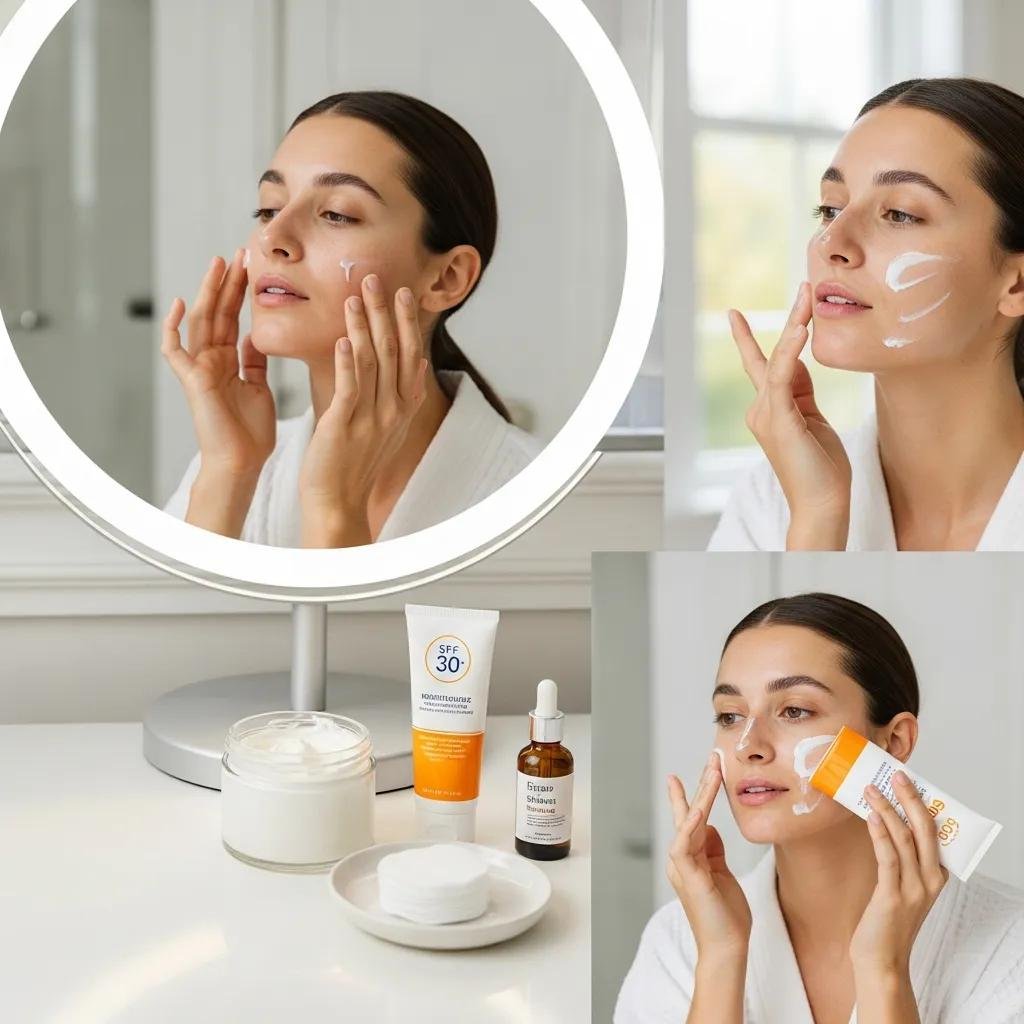
Safe retinol use follows a “start low and slow” approach: begin with low-concentration formulations, apply at night, pair with gentle moisturizers and daily SPF, and increase frequency only as tolerance develops. This section gives a practical ramp-up schedule, buffering tactics, and an EAV table comparing concentration levels, recommended frequency, and ideal skin types to guide selection and escalation.
Follow these key usage steps for safety and efficacy:
- Start with a low concentration and apply 1–2 nights per week, increasing gradually.
- Use retinol at night only, layer moisturizer before or after to buffer irritation.
- Always apply broad-spectrum SPF 30+ during the day and reapply as needed.
- Avoid combining strong exfoliants or professional resurfacing without clinician guidance.
The table below summarizes concentration tiers, recommended frequency, and practical guidance.
| Concentration Tier | Recommended Frequency / Skin Types | Practical Guidance |
|---|---|---|
| Low (around 0.25%) | 1–2 nights/week; sensitive or barrier-compromised skin | Begin slowly; use moisturizing buffer and monitor tolerability |
| Moderate (0.3–0.5%) | 2–3 nights/week; tolerant or intermediate users | Increase frequency as tolerated; pair with barrier repair products |
| High (0.5%+) | Nightly for experienced users; not for reactive skin | Consider under professional supervision; expect stronger retinization |
This concentration/frequency EAV helps match product potency to skin tolerance and clarifies when to seek professional input for escalation. If you’re unsure which tier fits your skin or if you have significant photodamage, clinician-led guidance can optimize concentration selection and protocol design to balance efficacy and tolerability.
What Is the Recommended Application Frequency and Concentration?
Beginners should begin with low concentrations applied 1–2 times per week, progressing to intermediate concentrations 2–3 times per week as skin adapts, and reserve nightly use for experienced, well-tolerant skin. Factors such as baseline sensitivity, concurrent active ingredients (like AHAs/BHAs), and recent dermatologic procedures modify this schedule. Practical ramp-up examples include starting at 0.25% twice weekly for four weeks, then increasing to every-other-night if no significant irritation occurs. Monitoring and incremental escalation reduce the risk of prolonged retinization and support steady anti-aging gains.
Why Is Sunscreen Essential When Using Retinol?
Retinol increases photosensitivity by thinning the superficial stratum corneum during the initial adaptation phase, which can elevate UV vulnerability and worsen pigmentary changes without protection. Daily broad-spectrum SPF 30+ with routine reapplication limits UV-driven collagen degradation and prevents accelerated photodamage while using retinol. Apply retinol at night and use antioxidant-containing morning serums and diligent sunscreen during the day to complement retinol’s remodeling effects and protect newly revealed epidermal layers from UV insult.
What Are Common Retinol Side Effects and How Can They Be Managed?
Typical side effects of retinol—collectively called retinization—include redness, dryness, flaking, stinging, and transient sensitivity; these commonly appear in the first 2–8 weeks and often subside with continued use. Management centers on buffering, frequency reduction, moisturizing barrier repair, and temporary pauses when reactions are excessive. Below are common reactions followed by mitigation strategies in list form and a brief decision guide for when to see a dermatologist.
Common reactions during early retinization:
- Redness and stinging: Often present in the first weeks as the skin adapts.
- Dryness and flaking: Superficial desquamation is normal but manageable.
- Increased sensitivity: Lower tolerance to other actives (AHAs/BHAs, vitamin C).
- Irritant dermatitis: Persistent, spreading rash requires evaluation.
Practical mitigation strategies include:
- Buffering: Apply moisturizer before or after retinol to reduce direct irritation.
- Frequency reduction: Use every other night or twice weekly until tolerance builds.
- Support barrier repair: Use ceramide and hyaluronic acid–rich moisturizers.
- Temporary pause: Stop use for several days if severe inflammation occurs.
If irritation persists, becomes widespread, or is accompanied by swelling or blistering, consult a dermatologist; Shore MedSpa & Bio Aesthetics’ clinician-led team in Rockville, MD can offer personalized management and in-office options—such as tailored chemical peels or microneedling—to accelerate results or resolve persistent reactions under professional supervision.
Which Skin Reactions Are Typical During Retinol Use?
Mild redness, superficial peeling, intermittent stinging, and increased dryness are common and expected during the adaptation phase (retinization) and frequently diminish within weeks with gradual introduction. These reactions differ from allergic or severe irritant dermatitis, which presents as persistent, spreading erythema, pain, or blistering and requires prompt clinical assessment. Understanding the normal time course for retinization helps avoid unnecessary discontinuation and supports appropriate mitigation steps that promote long-term adherence and benefits.
What Strategies Help Minimize Retinol Irritation?
Minimizing irritation involves layering strategies—apply moisturizer before retinol to buffer contact, reduce application frequency, select gentler vehicles (creams or encapsulated retinol), and incorporate barrier-repair ingredients like ceramides and niacinamide. Alternate-night schedules, short pauses during flares, and temporary avoidance of concurrent strong exfoliants reduce cumulative irritation risk. If home measures fail, seek professional advice for supervised escalation or adjunctive in-office treatments that can be coordinated by a dermatologist to manage inflammation and optimize outcomes.
What Are the Differences Between Retinol and Other Retinoids?
Retinol is an OTC retinoid that requires metabolic conversion in the skin to active retinoic acid, producing slower onset and generally milder irritation compared with prescription retinoids like tretinoin. Other retinoids—retinaldehyde, adapalene, and tretinoin—vary in potency, prescription status, and irritation profiles; selecting the right molecule depends on clinical goals and tolerance. The short comparison below and a compact table clarify potency, accessibility, and typical use-cases to guide selection and referral decisions.
Key comparative points:
- Retinol: OTC, moderate potency, slower but steady results with lower irritation risk.
- Retinaldehyde: Intermediate conversion step offering faster action than retinol with moderate tolerance.
- Tretinoin (prescription): Direct retinoic acid, faster effects, higher irritation—best under clinician supervision.
- Adapalene: OTC and prescription, synthetic retinoid with potency similar to tretinoin but generally better tolerated, often used for acne and photoaging.
| Retinoid Type | Potency / Access | Typical Use |
|---|---|---|
| Retinol | OTC, moderate potency | Home anti-aging, gradual remodeling |
| Retinaldehyde | OTC/medically positioned, intermediate | Sensitive skin seeking stronger effect than retinol |
| Adapalene | OTC/prescription, moderate to high potency | Acne and photoaging, better tolerated than tretinoin |
| Tretinoin | Prescription, high potency | Targeted treatment for photoaging and acne under supervision |
How Does Retinol Compare to Prescription Retinoids?
Retinol undergoes enzymatic conversion (retinol → retinaldehyde → retinoic acid) before exerting effects, which explains its slower onset and generally lower irritation compared with prescription tretinoin that is already retinoic acid. The trade-off is efficacy versus tolerability: prescription retinoids often produce faster, more pronounced clinical improvement but carry greater risk of retinization and require clinician oversight to manage side effects. Choosing between OTC retinol and prescription options depends on desired speed of results, skin sensitivity, and willingness to pursue supervised escalation.
Which Retinoid Is Best Suited for Your Skin Type and Concerns?
For sensitive or barrier-compromised skin, gentle retinaldehyde, adapalene, or low-dose retinol is often preferable; for acne-prone or severely photodamaged skin requiring rapid remodeling, a prescription retinoid under dermatologist supervision may be appropriate. Match potency to tolerance: start with lower-strength OTC retinol for maintenance and escalations as needed, and refer to a clinician when stronger outcomes are required or when persistent adverse effects occur.
For personalized recommendations and to design a retinol protocol that integrates in-office modalities or addresses irritation, consult Dr. Ronald Shore at Shore MedSpa & Bio Aesthetics in Rockville, MD for clinician-led guidance tailored to your skin and goals.