PRP Hair Restoration in Rockville, MD: Natural, Non-Surgical Hair Regrowth Solutions
Platelet-rich plasma (PRP) is an autologous regenerative therapy that uses a patient’s own blood to concentrate platelets and growth factors, stimulating natural hair regrowth and improving follicle health. This article explains how PRP works, what patients can expect during a treatment pathway, the measurable benefits, and who typically responds best — all in the context of non-surgical hair restoration options available in Rockville, MD. Many people seek non-surgical alternatives to transplants because they want natural-looking density with minimal downtime; PRP targets miniaturized follicles and scalp microenvironments to encourage thicker hair over months rather than days. You will learn the biological basis for PRP, a practical step-by-step procedure outline, common combination therapies, and guidance on candidacy and next steps. For local readers, note that care delivered under dermatology oversight — such as at Shore MedSpa & Bio Aesthetics or affiliated Shore Dermatology led by a board-certified dermatologist — helps ensure medical evaluation and a personalized plan; consult with a clinic to confirm availability and individualized recommendations.
What is PRP for Hair Loss? Understanding Platelet-Rich Plasma Therapy
PRP for hair loss is a patient-derived concentrate of platelets and plasma that delivers concentrated growth factors to the scalp to support follicle repair and activation. The mechanism relies on platelet-derived growth factors and cytokines to modulate inflammation, stimulate local stem cells, and promote microvasculature around hair follicles for improved nutrient delivery. Current research reviews indicate many patients show measurable improvement within three to six months after a course of treatments, though outcomes vary by cause of hair loss and follicle viability. Understanding these core concepts prepares the reader for how PRP is prepared and applied in clinical practice.
PRP promotes hair regrowth through three primary mechanisms:
- Stimulates follicular stem cells with concentrated growth factors to encourage anagen (growth) phase support.
- Modulates inflammatory signals to reduce perifollicular inflammation that accelerates miniaturization.
- Enhances local microcirculation and extracellular matrix remodeling, improving nutrient and oxygen delivery to follicles.
These mechanisms explain why PRP is considered part of regenerative medicine and a non-surgical hair restoration option.
How does PRP stimulate natural hair regrowth?
PRP stimulates hair regrowth by releasing growth factors such as PDGF, VEGF, and TGF-β that influence cell proliferation and angiogenesis around hair follicles. These signals can reawaken dormant or miniaturized follicles and increase the ratio of follicles in active growth phases, which translates into greater hair density over time. Recent reviews through 2023 show consistent biologic plausibility and clinical signals, though individual response depends on baseline follicle health and concurrent therapies. Recognizing the cellular timeline—early molecular changes first, visible thickness later—helps set realistic expectations for patients.
What are the key components of PRP used in hair restoration?
PRP consists of three meronym components: platelets (cell fragments), plasma (the liquid portion of blood), and concentrated growth factors contained within platelet granules. Preparation aims to concentrate platelets several-fold above baseline while minimizing red blood cell contamination; clinics may name preparations differently but the core components remain platelets, growth factors, and plasma. A related term, platelet-rich fibrin (PRF), refers to a different clot-based matrix with slower factor release, which some practitioners use as an alternative depending on treatment goals. Understanding these components clarifies why PRP is autologous and generally well tolerated.
What to Expect During the PRP Hair Restoration Procedure at Shore MedSpa
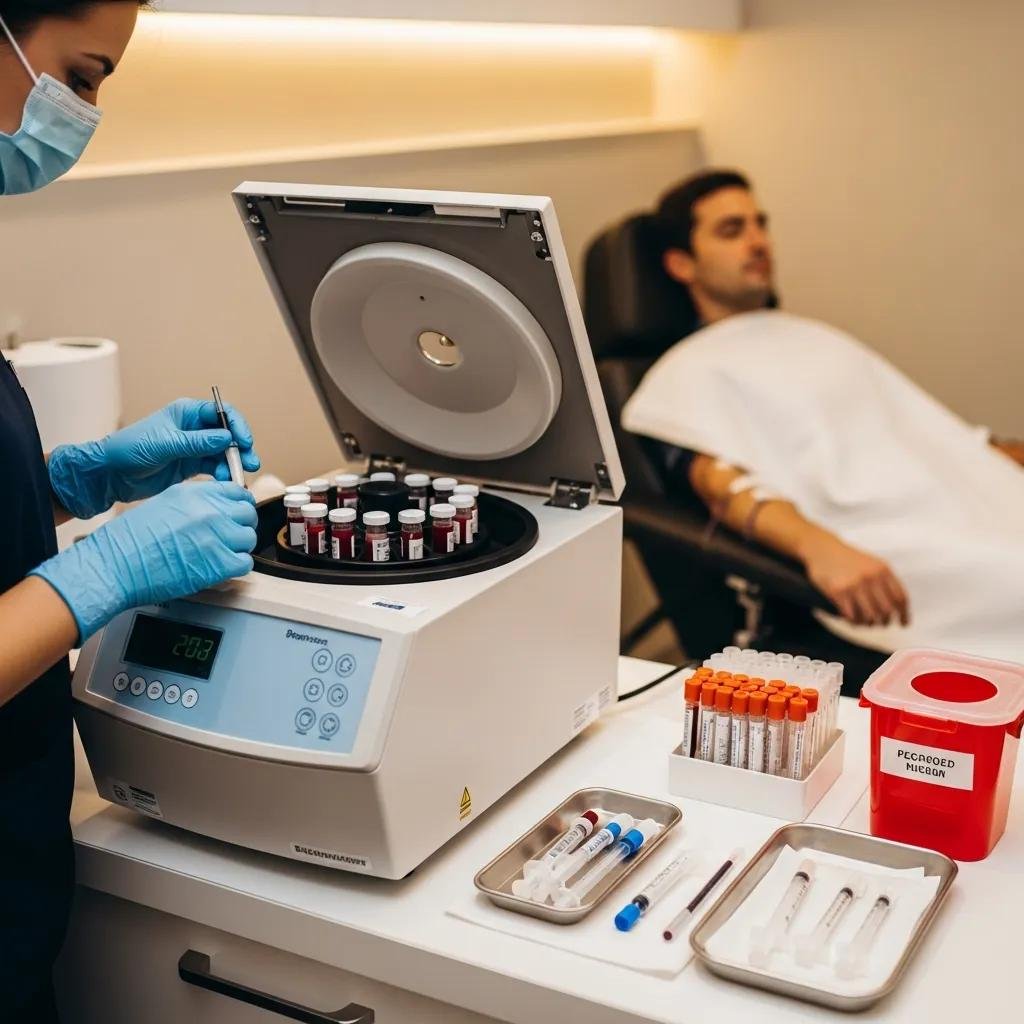
A typical PRP visit includes consultation, a blood draw, centrifugation to isolate platelets, and targeted scalp injections, all performed in a medical setting under clinical oversight. The initial consultation assesses hair loss pattern, medical history, and concurrent treatments to tailor a plan; Shore MedSpa & Bio Aesthetics and affiliated Shore Dermatology bring dermatology-led evaluation to this step, ensuring the medical factors are addressed. Treatment sessions are usually brief, with most in-office appointments lasting about 45–90 minutes depending on processing and treatment area. Expect minimal downtime and common transient effects like localized soreness or pinpoint bleeding that resolve in days.
Below is a compact comparison of the core procedural steps and what patients typically experience.
| Step | Purpose | Patient Experience |
|---|---|---|
| Blood Draw | Collect autologous sample for processing | Mild venipuncture discomfort; quick (5 minutes) |
| Centrifugation | Separate platelets and plasma from whole blood | Performed off the scalp; patient waits 10–15 minutes |
| Injection | Deliver PRP into scalp at targeted zones | Multiple small injections; topical numbing or local anesthetic reduces discomfort |
| Aftercare | Minimize washing, avoid intense exercise 24–48 hrs | Mild tenderness; normal activity resumes quickly |
This procedural table highlights practical expectations and timeline components for patients considering in-office PRP therapy.
How is PRP prepared and applied in the treatment?
PRP preparation begins with a routine blood draw followed by controlled centrifugation to concentrate platelets into a small plasma volume. The provider then maps the scalp and administers multiple microinjections into thinning zones using a grid approach to ensure even coverage; topical or local anesthesia is often used to improve comfort. Sessions typically last under 90 minutes from check-in to finish, and a typical initial course involves multiple treatments spaced weeks apart to stimulate cumulative effects. Understanding the preparation and injection flow helps patients anticipate the in-office process and immediate post-treatment sensations.
Is PRP therapy safe and minimally invasive?
PRP’s autologous nature reduces risks of allergic reaction or immune rejection, making it generally safe when performed by trained medical professionals. Common side effects are mild and transient: localized swelling, soreness, small bruises, or mild headache; serious complications are rare when proper sterile technique is used. Contraindications include active scalp infection or certain blood disorders, so medical screening and history-taking are essential before treatment. Dermatology oversight, such as that provided by board-certified clinicians at local practices, ensures appropriate evaluation and mitigation of risks.
What are the Benefits of PRP Therapy for Hair Loss in Rockville, MD?
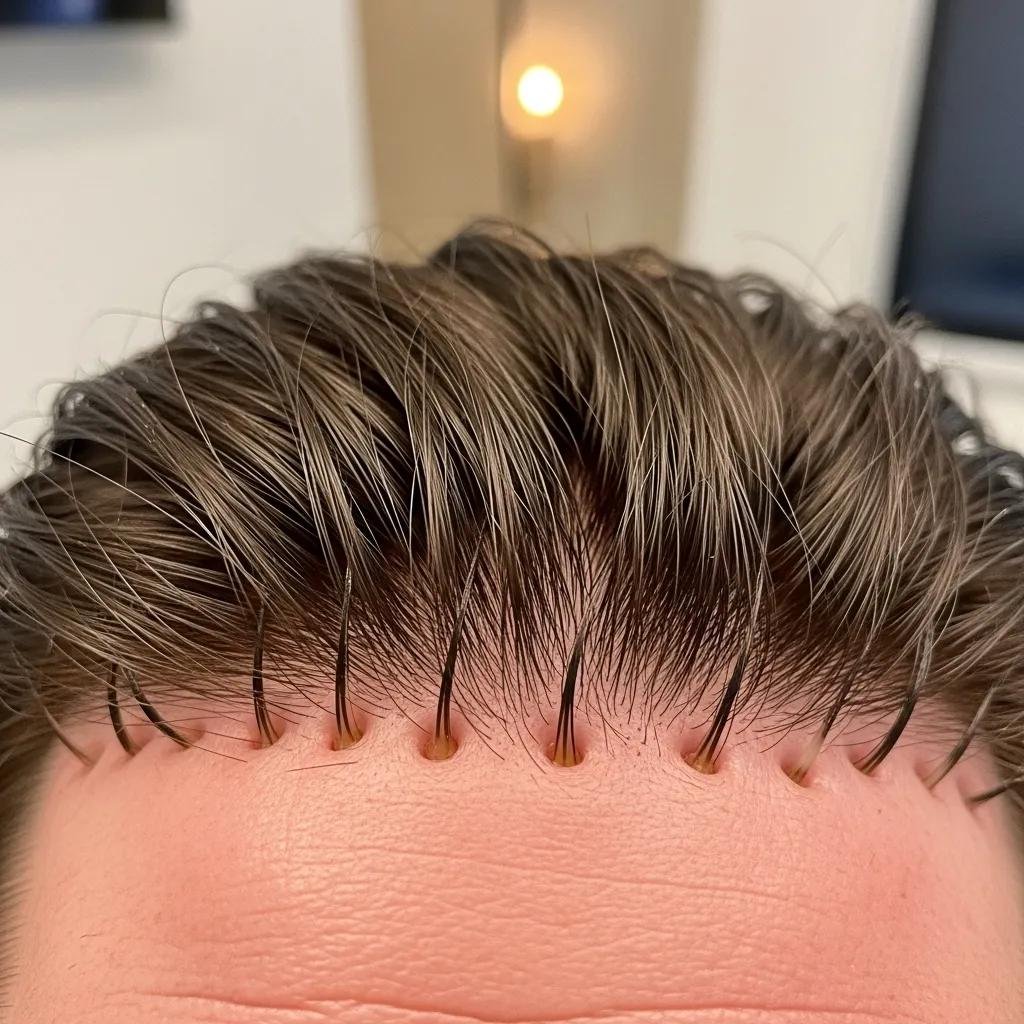
PRP therapy can deliver measurable improvements in hair density, thickness, and overall hair quality while preserving a non-surgical, natural approach with minimal downtime. Benefits often complement medical therapies and supportive modalities, creating a multi-modal strategy for durable results. Recent clinical summaries report many patients experience clinically meaningful density gains within three to six months, with continued improvement over a year when maintenance sessions are used. For patients seeking a low-downtime, autologous option, PRP fits into a broader dermatologic hair care plan.
PRP offers several patient-centered benefits:
- Non-surgical approach: Avoids incisions and donor-site procedures associated with transplants.
- Natural autologous therapy: Uses the patient’s own platelets to promote repair.
- Complementary potential: Works alongside topical or oral medications and light therapies to enhance outcomes.
Below is a concise EAV table summarizing key benefit metrics and typical timeframes.
| Outcome | Measured Effect | Typical Timeframe / Clinical Note |
|---|---|---|
| Hair Density | Increased hairs per cm² in many studies | Commonly measurable at 3–6 months |
| Hair Thickness | Increased shaft diameter reported | Noticeable after multiple sessions |
| Patient Satisfaction | Improved cosmetic appearance and confidence | Best with combined maintenance |
This table clarifies the expected improvements and practical timelines patients should anticipate.
How does PRP improve hair density and thickness?
PRP improves density and thickness by stimulating follicular cells and increasing local blood supply, which supports thicker shafts and reduces shedding. Clinical measures such as phototrichograms and standardized scales document increases in hair counts and shaft diameter in many treated patients. Visible improvements typically emerge after several sessions, commonly between three and six months, with peak or stabilizing effects over nine to twelve months depending on maintenance. Communicating realistic timelines helps patients set appropriate expectations and remain consistent with follow-up treatments.
Can PRP be combined with other hair loss treatments?
Combining PRP with evidence-based therapies often enhances outcomes because different approaches act on complementary pathways. Common combinations include topical minoxidil, oral medications where appropriate, microneedling, low-level laser therapy, nutritional supplements, and red light therapy to support follicle health. Such combinations require medical supervision to avoid interactions and to sequence therapies optimally for safety and efficacy. When used together in a coordinated plan, PRP and adjunctive measures can provide additive improvements in thickness and density.
Who is a Good Candidate for PRP Hair Restoration in Rockville?
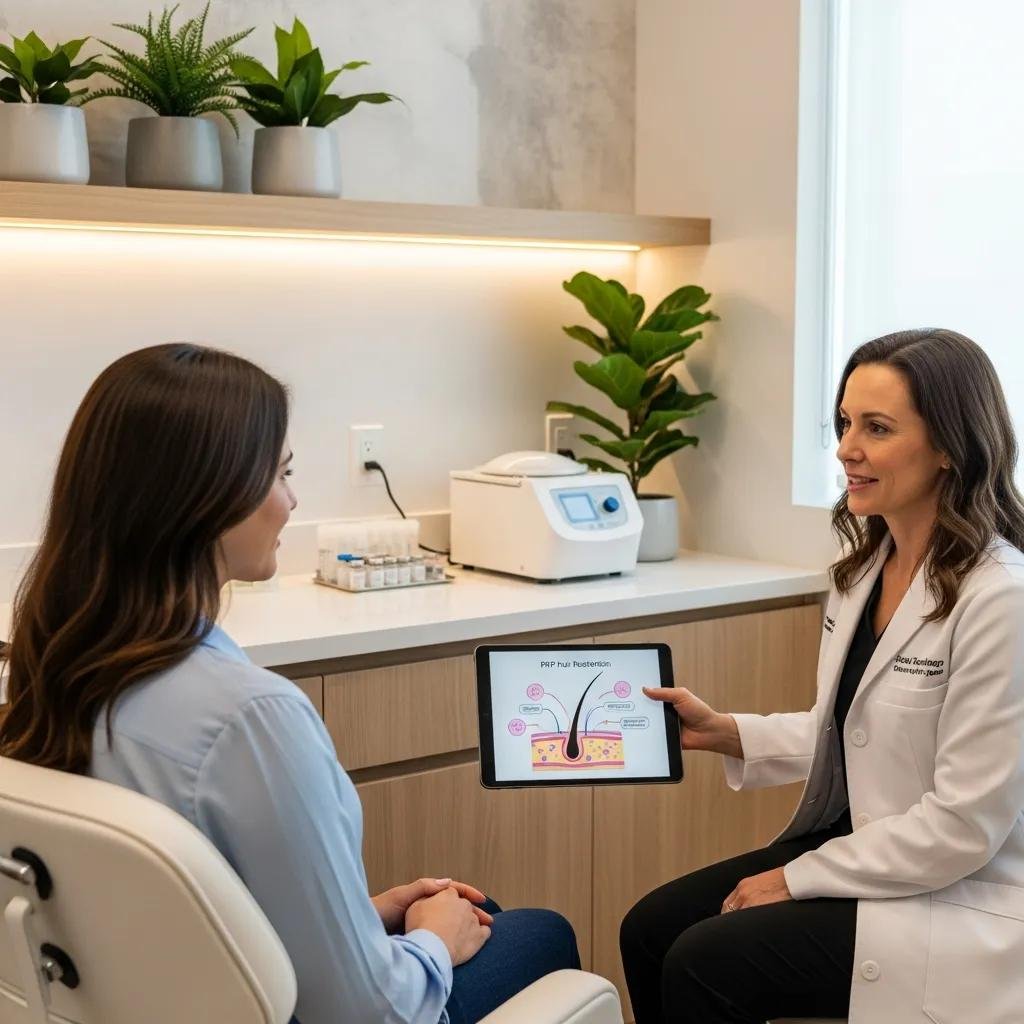
Good candidates for PRP typically have early to moderate non-scarring hair thinning with viable follicles, and they seek a non-surgical strategy to increase density and thickness. Candidates should undergo medical evaluation to rule out active scalp disease, systemic causes of hair loss, or contraindicating blood disorders; dermatology-led assessment helps determine whether PRP, medications, light therapy, or a combination is most appropriate. Expectations should be realistic: PRP is not a one-time cure and often requires an initial series and occasional maintenance sessions for sustained effect. Patients interested in personalized assessment should consult a dermatology practice to review history, exam findings, and possible adjunctive treatments.
Below is a quick comparison of PRP and common alternatives to aid decision-making.
| Approach | Characteristic | Typical Use Case |
|---|---|---|
| PRP | Autologous regenerative injections | Non-surgical density improvement |
| Minoxidil/Finasteride | Topical/oral medical therapy | Ongoing medical management of androgenetic alopecia |
| Hair Transplant | Surgical follicular relocation | Restores density where donor hair suffices |
This comparison highlights how PRP fits among medical and surgical options and helps clarify when each approach is considered.
Which types of hair loss respond best to PRP therapy?
PRP shows the best responses in androgenetic alopecia and diffuse thinning where follicles remain viable and scarring is absent. Telogen effluvium due to reversible systemic triggers can also show improvement when the underlying cause is treated and PRP supports recovery. Scarring alopecias and advanced follicular loss typically have limited responsiveness, and such conditions require specialist evaluation and often different interventions. Individual diagnostic workup is essential to identify the hair loss type and tailor an effective, evidence-aligned plan.
How to schedule a consultation for personalized PRP treatment plans?
Prepare for a consultation by compiling your hair loss history, medication list, prior treatments, and any relevant lab results to streamline assessment and planning. During the visit, expect a scalp exam, discussion of non-surgical and medical options, and recommendations for testing if an underlying medical cause is suspected. For Rockville-area patients, scheduling a consultation with Shore MedSpa & Bio Aesthetics or affiliated Shore Dermatology provides dermatology-led evaluation and helps determine whether PRP, medical therapy, light therapy, or a combination is the right path. After the consult, the provider will outline a timeline from assessment to first treatment and ongoing follow-up.
- Bring medical history and medication list to maximize the value of your visit.
- Discuss prior hair loss therapies and their effects so the clinician can evaluate response history.
- Expect a tailored plan that may combine topical/oral medications, supplements, light therapies, or PRP depending on findings.
This checklist will help you make the initial consultation efficient and ensure the clinician can recommend a personalized and safe treatment pathway.