Anti-Pollution Skincare Routine: Preventing Urban Skin Aging
Urban anti-pollution skincare focuses on preventing and repairing skin damage caused by city air, traffic emissions, and industrial pollutants. These contaminants drive oxidative stress and inflammation in the skin, which accelerates collagen breakdown, pigmentation, and barrier dysfunction; this article explains the science and gives a practical routine to defend and restore skin health. You will learn how particulate matter and free radicals interact with the stratum corneum, which topical ingredients reduce oxidative stress, and which in-office treatments reverse texture, pigment, and early structural aging. The guide covers mechanisms of damage, evidence-backed active ingredients, procedural options that stimulate remodeling, and how personalized care improves outcomes. Throughout, terms like urban skincare, pollution skin aging, oxidative stress skin damage, and anti-pollution skincare are used to connect clinical concepts with daily routines suitable for city living. By the end, you’ll have a concise prevention checklist, ingredient recommendations, and an understanding of when to seek medical-grade therapies for durable results.
How Does Urban Pollution Accelerate Skin Aging?
Urban pollution accelerates skin aging by depositing particulate matter and reactive compounds on the skin surface, which generate reactive oxygen species and trigger chronic low-level inflammation. This oxidative stress damages lipids and proteins in the skin barrier, reduces collagen integrity, and promotes uneven pigmentation, producing both intrinsic and extrinsic aging signs. Understanding these mechanisms clarifies why prevention and early repair matter in urban skincare. The next subsections examine particulate-driven inflammation and the enzymatic pathways that degrade collagen, linking molecular events to visible signs of aging.
What Are the Effects of Particulate Matter and Free Radicals on Skin?
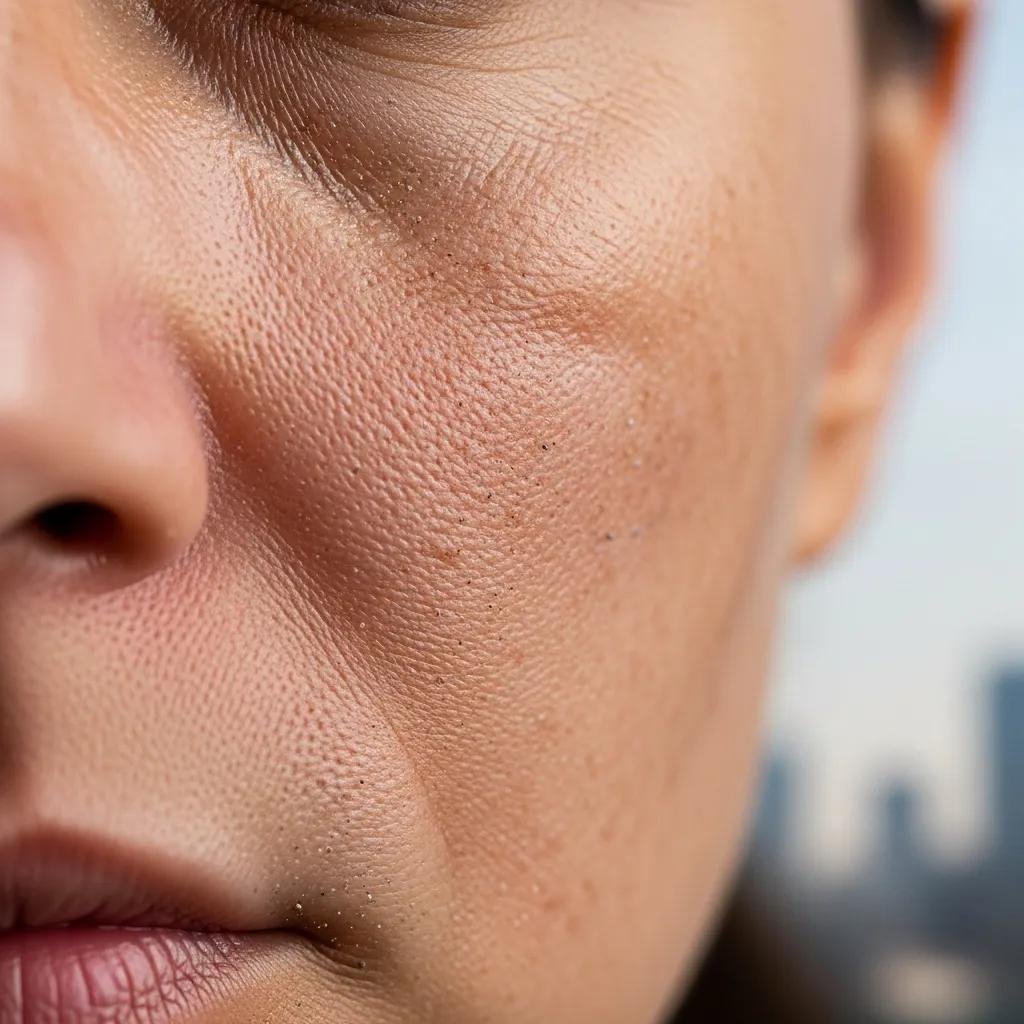
Particulate matter (especially PM2.5) adheres to the skin and, together with airborne volatile compounds, catalyzes the formation of free radicals that penetrate the stratum corneum. These reactive oxygen species (ROS) oxidize lipids and proteins, impairing barrier function and increasing transepidermal water loss, which raises sensitivity and roughness. Clinically, patients present with accelerated pigmentation, dull texture, and heightened inflammatory responses such as frequent irritation or rosacea flares. Recent studies indicate that daily exposure correlates with more facial brown spots and decreased barrier resilience, underscoring the need for antioxidant-rich routines. These barrier and pigment effects set the stage for deeper structural damage discussed next.
How Does Pollution Cause Collagen Breakdown and Wrinkles?
Oxidative stress from pollutants activates matrix metalloproteinases (MMPs), enzymes that cleave collagen and elastin fibers in the dermis, leading to loss of structural support and the formation of fine lines and deeper wrinkles. Chronic inflammation sustains MMP expression and reduces collagen synthesis, accelerating the transition from minor textural changes to permanent structural aging. Over time, repeated pollutant exposure compounds ultraviolet damage, producing synergistic effects on collagen integrity and pigment formation. Preventing MMP activation through antioxidants and repairing dermal structure with targeted treatments helps interrupt this pathway and restore firmness.
– Major urban pollutants that affect skin include:
- PM2.5 and PM10: tiny particles that adhere to and can penetrate the skin surface.
- Volatile organic compounds (VOCs): react with skin lipids to form radicals.
- Ozone and secondary oxidants: damage barrier lipids and proteins.
This short list clarifies the primary external stressors to address with a combined topical and procedural approach.
What Advanced Treatments Repair Pollution-Damaged Skin?
Clinical treatments reverse or improve pollution-related damage by removing pigmented or damaged epidermis, stimulating dermal remodeling, and reducing inflammation to allow healthier regeneration. Ablative and non-ablative resurfacing remove oxidized superficial layers, while energy-based collagen stimulators rebuild dermal matrix; adjunctive therapies reduce post-procedure inflammation and speed recovery. Tailoring treatment choice depends on the primary concern—pigment, texture, or laxity—and on patient tolerance for downtime. The following comparison table summarizes mechanisms, target symptoms, typical downtime, and expected outcomes to guide realistic expectations and planning.
Different procedures target pollution damage through distinct mechanisms and recovery profiles.
| Treatment | Mechanism | Target Symptoms | Typical Downtime |
|---|---|---|---|
| Er-YAG laser resurfacing | Precise epidermal ablation + stimulation | Pigmentation, texture, superficial lines | Moderate (3–7 days) |
| RF microneedling | Thermal collagen induction via micro-injury | Fine lines, skin laxity, texture | Low to moderate (2–5 days) |
| Chemical peels (VI Peel) | Controlled exfoliation and regeneration | Pigment, roughness, superficial scarring | Short (2–5 days) |
| LED therapy | Photobiomodulation reducing inflammation | Healing support, reduced redness | None; adjunctive use |
This comparison clarifies how each modality contributes: resurfacing addresses surface pigment and texture, RF microneedling stimulates collagen for firmness, peels accelerate epidermal turnover, and LED supports recovery and inflammation control. Medical oversight allows sequencing and combination to maximize results while minimizing risk.
How Do Laser Resurfacing and RF Microneedling Restore Skin Health?
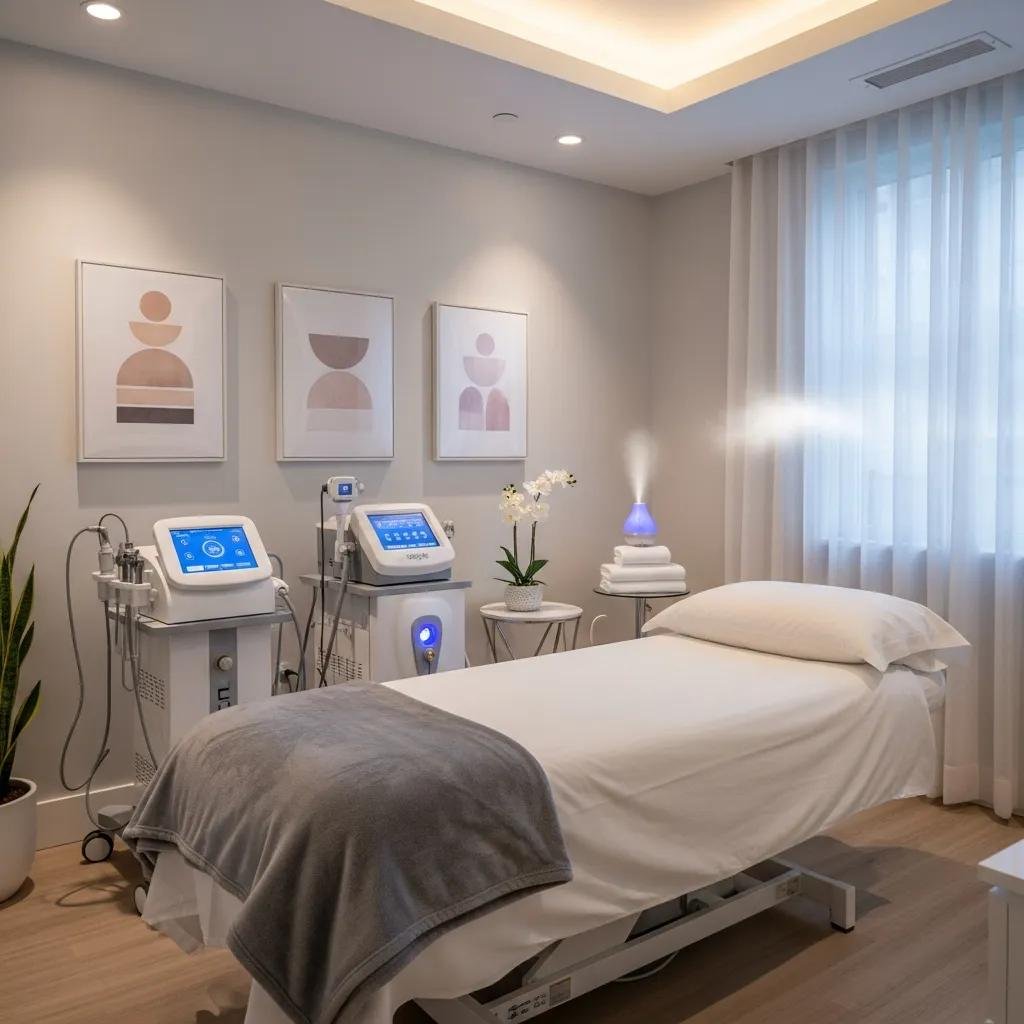
Laser resurfacing removes damaged epidermal layers and promotes a wound-healing response that triggers new collagen and elastin deposition, improving pigmentation and texture over weeks to months. Er-YAG devices offer precise ablation with predictable superficial resurfacing suitable for pigment and texture concerns related to pollution exposure. RF microneedling creates controlled dermal micro-injuries and delivers radiofrequency energy to stimulate fibroblasts and remodel collagen with generally less downtime than ablative lasers. Typical results include smoother texture, reduced pigmentation irregularities, and firmer skin; combining modalities under medical guidance often produces more comprehensive improvements. Proper post-procedure antioxidant and sunscreen use supports durable results and reduces relapse driven by ongoing pollution exposure.
What Role Do Chemical Peels and LED Therapy Play in Skin Rejuvenation?
Chemical peels accelerate epidermal turnover to shed oxidized cells and superficial pigment, while medium-depth peels can address more stubborn discoloration and roughness from pollution-related damage. Superficial to medium peels remove layers of damaged skin, reveal fresher epidermis, and enhance penetration of serums used during recovery. LED therapy uses specific wavelengths to reduce inflammation, stimulate cellular repair, and support collagen synthesis, making it an effective adjunct to reduce downtime and improve healing after resurfacing or needling. When combined thoughtfully, peels and LED create a sequence of exfoliation, regeneration, and anti-inflammatory support that maximizes rejuvenation while minimizing complications.
– Key considerations when choosing procedural combinations:
- Primary goal: pigment reduction, texture smoothing, or firmness restoration.
- Downtime tolerance: select modalities aligned with lifestyle needs.
- Recovery support: add LED and topical antioxidants to speed healing.
- Medical oversight: staging procedures reduces risk and improves outcomes.
This checklist helps patients prioritize options before a personalized consultation.
Which Skincare Ingredients Protect Against Environmental Skin Damage?

Topical ingredients protect against pollution-driven oxidative stress by neutralizing free radicals, strengthening the stratum corneum, and preventing pigment formation when used consistently and in the right formulations. Antioxidants like Vitamin C and Vitamin E directly quench ROS and reduce MMP activation, while barrier actives such as niacinamide and ceramides reinforce lipid structure and reduce transepidermal water loss. Sunscreen provides a second line of defense by limiting UV-driven oxidative synergy with pollutants, and formulation notes—concentration, pH, and vehicle—determine clinical performance. The table below summarizes key actives, their primary action, formulation considerations, and practical use recommendations for AM/PM routines.
Essential topical actives for urban skincare are summarized for practical selection.
| Ingredient | Action | Formulation Notes | Practical Use |
|---|---|---|---|
| Vitamin C (L-ascorbic acid) | Antioxidant, brightening | Stabilized formulas, pH <3.5 for L-ascorbic acid | AM; layer under sunscreen |
| Niacinamide | Barrier repair, reduces inflammation | Stable across pH; pairs well with many actives | AM/PM; improves TEWL |
| Vitamin E (tocopherol) + Ferulic acid | Synergistic antioxidant boost | Pair with Vitamin C for stability | AM; enhances photoprotection |
| Ceramides | Restores lipid barrier | Use in emollient vehicles | PM or AM; supports barrier function |
This table helps match goals to ingredients: combine antioxidants in the morning with sunscreen, and emphasize barrier repair ingredients in maintenance routines.
How Do Antioxidants Like Vitamin C and Niacinamide Defend Skin?
Vitamin C neutralizes free radicals, reduces pigment by inhibiting tyrosinase activity, and supports collagen synthesis, making it a cornerstone of anti-pollution AM care when formulated at effective concentrations (typically 10–20%). Niacinamide strengthens barrier lipids, lowers transepidermal water loss, and reduces inflammatory signaling, which together limit pollutant penetration and sensitivity. Used in tandem, these actives reduce oxidative stress, improve tone, and foster measurable improvements in resilience and appearance. For best results, layer stabilized Vitamin C in the morning under a broad-spectrum sunscreen and incorporate niacinamide twice daily to maintain barrier integrity.
Why Is Broad-Spectrum Sunscreen Essential for City Living?
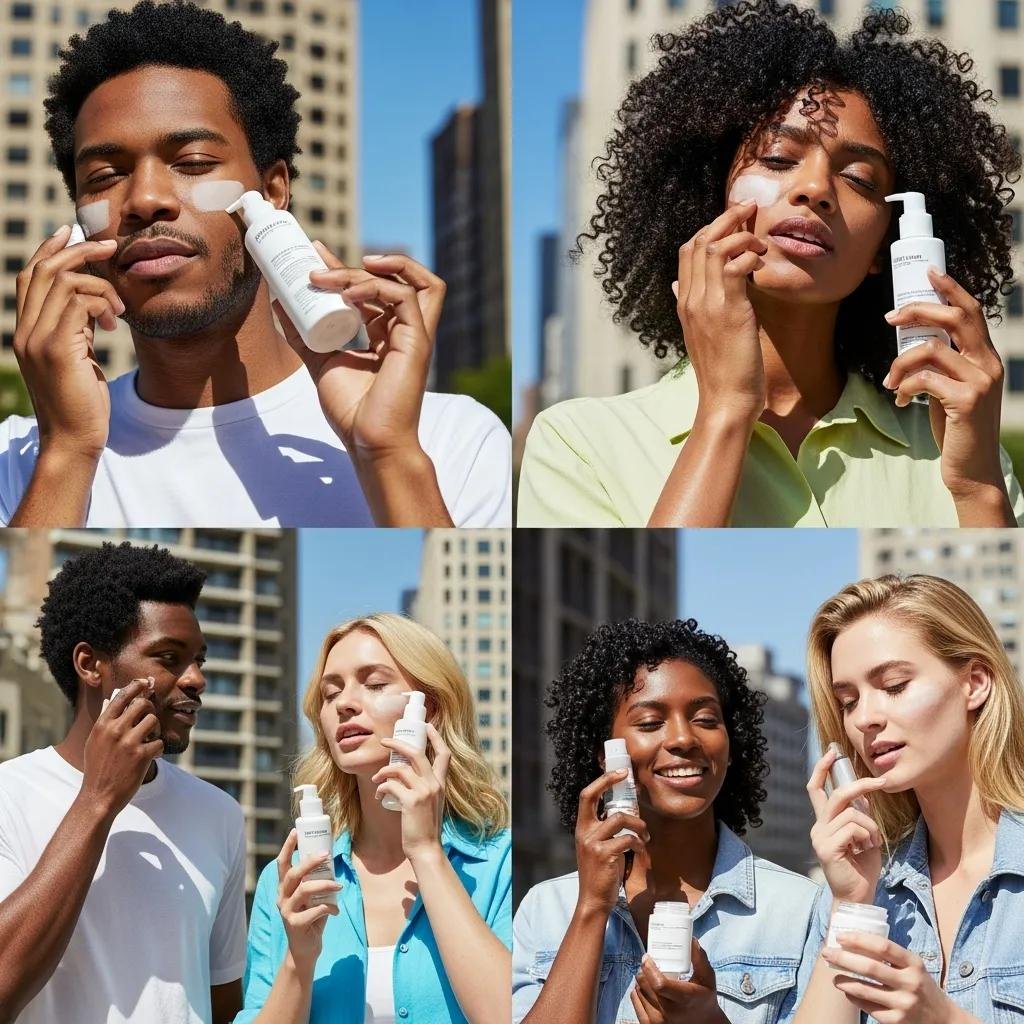
Broad-spectrum sunscreen protects against UVA and UVB rays that amplify pollutant-driven oxidative damage and pigment formation, making daily SPF 30+ an essential component of urban skincare. Sunscreen limits the synergistic effects of UV radiation and airborne oxidants that accelerate collagen breakdown and dark spot development, and regular reapplication maintains effective protection during prolonged outdoor exposure. Select formulas that pair well with antioxidant serums and suit skin type to ensure consistent daily use. Integrating sunscreen into both procedural aftercare and everyday routines ensures that in-office gains are preserved against ongoing environmental stressors.
– Everyday anti-pollution routine checklist:
- AM: gentle cleanse, antioxidant serum (Vitamin C), moisturizer with ceramides, broad-spectrum SPF 30+.
- PM: cleanse thoroughly, niacinamide or reparative serum, targeted retinoid if tolerated, barrier-rich moisturizer.
- Weekly: gentle exfoliation or scheduled superficial peel under guidance.
This routine checklist offers a practical framework to layer protective and reparative products for urban environments.
How Can Personalized Care Enhance Your Urban Skin Defense?
Personalized care begins with a clinical assessment that differentiates pigment from photoaging, evaluates barrier function, and maps structural changes, enabling targeted therapies rather than one-size-fits-all regimens. A tailored plan sequences topical and in-office procedures—such as stabilizing the barrier before resurfacing—to reduce complications and improve longevity of results. Ongoing monitoring allows adjustments in active concentrations, timing of maintenance treatments, and supportive therapies to address seasonal or exposure-driven changes. The following list summarizes how personalized medical oversight improves both safety and efficacy.
– Benefits of a tailored plan include:
- Accurate diagnosis: distinguishing pollution-induced pigment from melasma or lentigines.
- Optimized sequencing: preparing skin for resurfacing with barrier repair and antioxidants.
- Customized maintenance: scheduling touch-ups and adjusting actives for ongoing protection.
These advantages highlight why medical evaluation can materially improve outcomes compared with generic regimens.
What Are the Benefits of Expert Consultations at Shore MedSpa?
A consultation with a board-certified dermatologist-led practice like Shore MedSpa & Bio Aesthetics provides clinical assessment, evidence-based selection of Er-YAG laser resurfacing, RF microneedling, chemical peels (VI Peel), and LED therapy, and a safety-focused treatment plan tailored to urban skin concerns. Under the oversight of Dr. Ronald Shore, practitioners can combine modalities to target pigment, texture, and structural loss while minimizing downtime and complications. This medical approach ensures that topical regimens, procedural timing, and post-procedure recovery are coordinated for durable improvements. Patients benefit from objective evaluation and a customized pathway that aligns daily skincare with in-office interventions.
How Do Real Patient Results Demonstrate Pollution Damage Reversal?
Realistic outcomes from combined topical and procedural strategies commonly include reduced visible pigmentation, smoother skin texture, and improved firmness that reflect both epidermal renewal and dermal remodeling. Before-and-after documentation—handled with confidentiality—illustrates measurable declines in brown spots, fewer fine lines, and enhanced skin tone uniformity achieved over a staged treatment plan. Maintenance with antioxidants and sunscreen preserves gains and reduces recurrence driven by ongoing urban exposure. For many patients, a coordinated regimen under medical guidance delivers the most predictable path from pollution-damaged skin back to sustained, healthier appearance.
– Signs of meaningful improvement to track:
- Reduction in new and existing brown spots.
- Smoother, more even texture with fewer rough patches.
- Improved firmness and diminished fine lines.
These metrics help set realistic expectations and monitor progress over time. For readers seeking personalized evaluation, consider scheduling a medical consultation with Dr. Ronald Shore at Shore MedSpa & Bio Aesthetics in Rockville, MD to review your skin’s specific exposure history and build a tailored prevention and repair plan.