Personalized Aesthetic Treatments: Tailoring Customized Medspa Services to Your Unique Beauty Goals
Personalized aesthetics means designing individualized treatments that match a person’s anatomy, skin type, and beauty goals to produce natural, predictable results. This approach works by combining a careful assessment, diagnostic tools, and a sequenced treatment plan so each modality complements the others and minimizes downtime. Readers will learn why tailored plans outperform one-size-fits-all services, how consultations map to treatment choices, and practical examples of facial, body, and maintenance strategies. The article outlines consultation steps, compares key facial and body modalities, and walks through building a bespoke skincare routine using current research and emerging trends like prejuvenation and AI-enabled skin analysis. Throughout, terms such as personalized facial rejuvenation, tailored dermal filler plans, and personalized body contouring are used to connect clinical concepts to real-world options. Practical next steps and sample treatment comparisons follow to help you evaluate individualized cosmetic dermatology options.
What Are Personalized Aesthetic Treatments and Why Do They Matter?
Personalized aesthetic treatments are bespoke medical aesthetics plans that align procedures to an individual’s anatomy, lifestyle, and desired outcome to improve efficacy and safety. They work by using a detailed consultation, diagnostic imaging or skin analysis, and tailored dosing or device settings to target specific concerns while preserving natural expression. Benefits include more natural results, fewer adverse effects, and efficient use of combination therapies that amplify outcomes. Recent trends emphasize prejuvenation and AI skin analysis to predict aging trajectories and guide early interventions, which support long-term skin health and sustained improvements.
Shore MedSpa & Bio Aesthetics operationalizes personalization through board-certified dermatology oversight and consultation-first planning, ensuring treatment sequencing and technology selection reflect individual anatomy and goals. This clinical governance model helps align expectations and optimize outcomes for each patient. Understanding how customization enhances individual beauty leads directly into the specific mechanisms clinicians use to create synergy across treatments.
How Do Customized Medspa Services Enhance Individual Beauty?
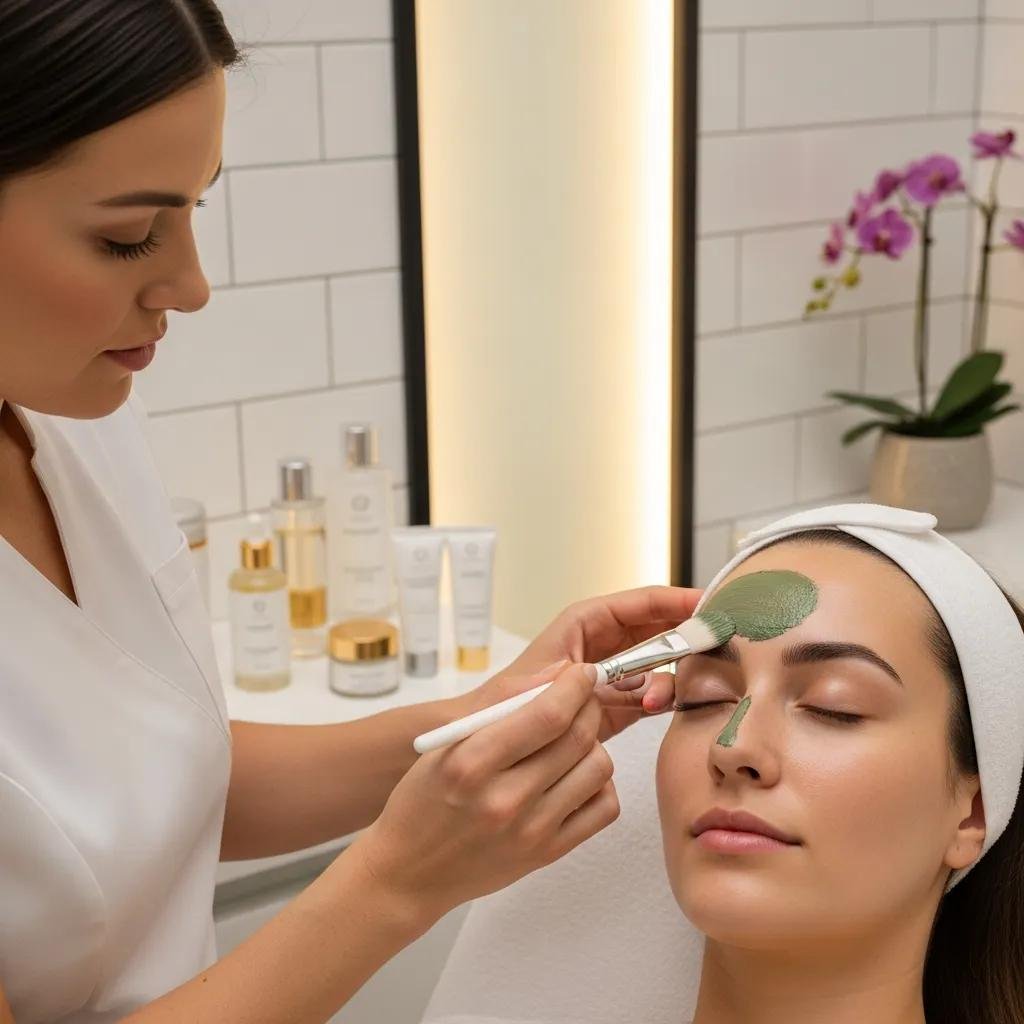
Customized medspa services enhance beauty by aligning treatment selection with facial anatomy, muscle dynamics, and skin quality; this prevents over-treatment and preserves natural movement. Providers sequence therapies—for example, relaxing dynamic lines with neuromodulators before adding volume with fillers—so results are harmonious and durable. Combination strategies pair resurfacing or chemical peels with neuromodulators and fillers to improve texture, tone, and contour in a coordinated plan. A hypothetical case: treating midface volume loss and early texture changes with targeted filler placement followed by RF microneedling yields balanced contour improvement and skin quality enhancement.
This anatomy-aware planning reduces visible “overdone” outcomes and prepares skin for maintenance, which naturally leads to outlining the consultation process that sets these decisions in motion.
What Is the Consultation Process for Tailored Beauty Plans?
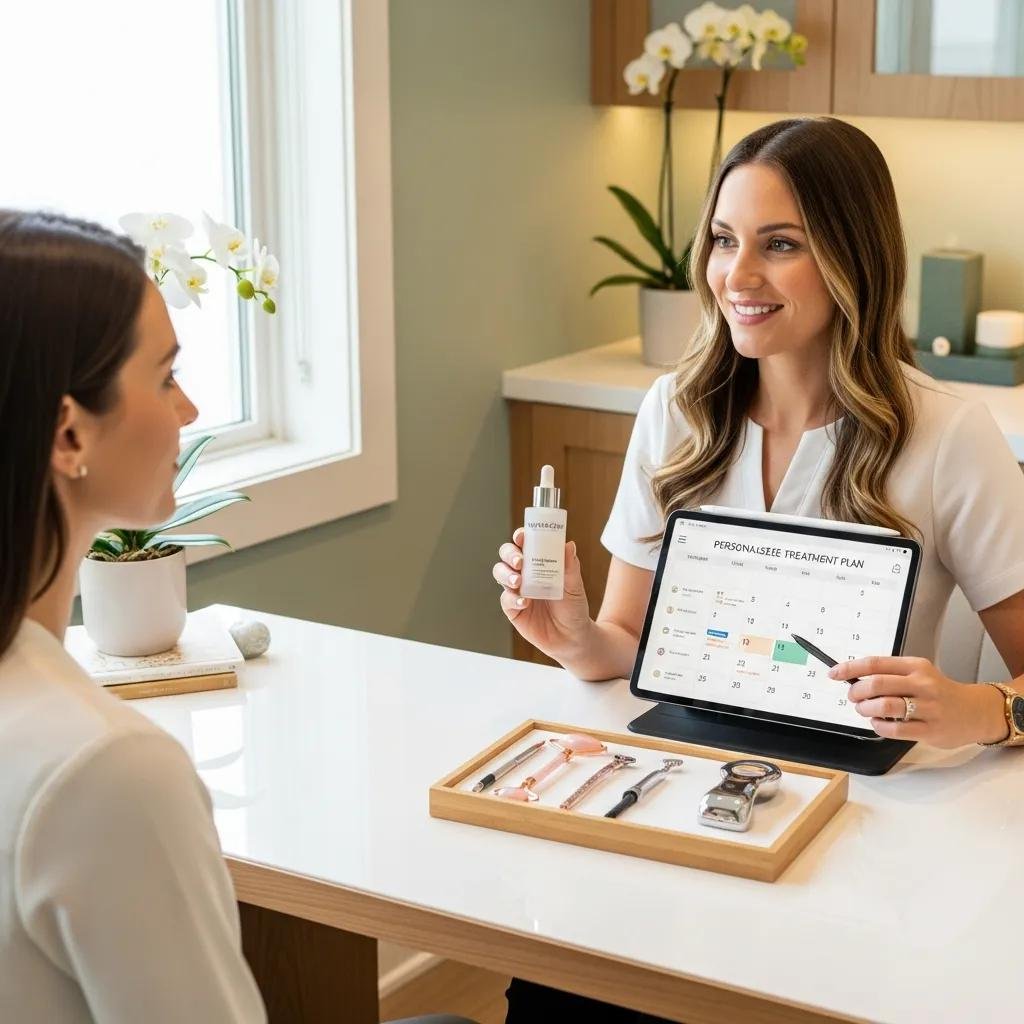
A structured consultation defines goals, evaluates medical history, and uses diagnostic tools to design an individualized treatment plan that balances efficacy and safety. Typical steps include a detailed interview to clarify aesthetic priorities, clinical exam to assess skin type and anatomy, targeted diagnostics such as standardized photos or skin analysis, collaborative plan development with timelines and consent, and scheduled follow-up to adjust treatments based on response. The consultation creates a roadmap that sequences injectables, energy-based devices, and topical regimens in an evidence-informed order. Clear communication during this process reduces surprises and improves long-term satisfaction with personalized aesthetic care.
How Does Shore MedSpa Personalize Facial Rejuvenation Treatments?
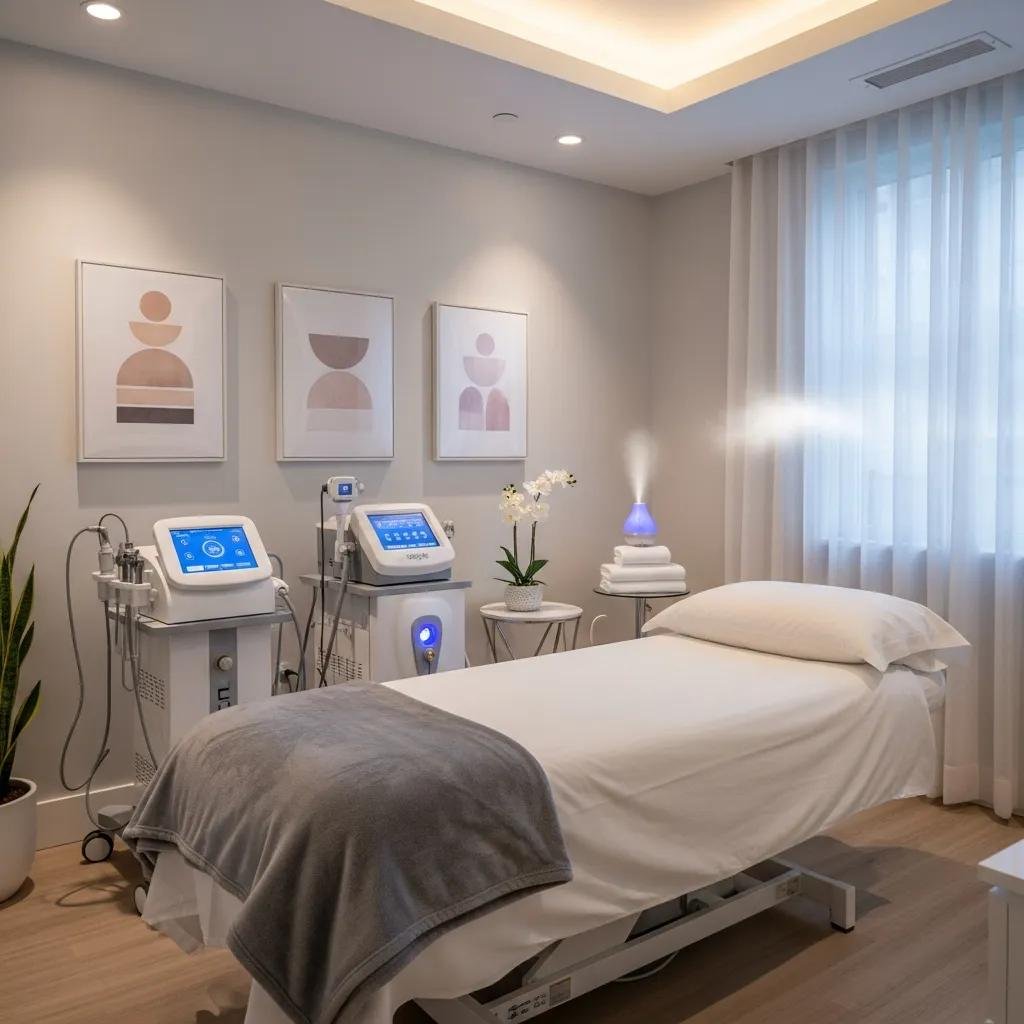
Facial rejuvenation personalization matches modality choice and parameters to each patient’s anatomy, movement patterns, skin type, and recovery tolerance to maximize natural-looking outcomes. Shore MedSpa & Bio Aesthetics applies this model using technologies and treatments such as Botox/Dysport for dynamic lines, dermal fillers (Restylane, Sculptra) for volume, chemical peels (VI Peel, AHA peels) for texture, laser resurfacing (Er:YAG, IPL) for tone, and RF microneedling (Lutronic Genius RF) for combined tightening and resurfacing. Treatment selection considers expressive goals, facial balance, and downtime preferences to create a staged plan that optimizes safety and longevity.
| Treatment | Primary Purpose | Personalization Factors | Typical Downtime |
|---|---|---|---|
| Botox / Dysport | Reduce dynamic wrinkles | Dose, injection points, muscle mapping | 1–3 days (minor) |
| Dermal Fillers (Restylane, Sculptra) | Restore volume/contour | Filler type, placement, amount | 1–7 days (swelling/bruising) |
| Chemical Peels (VI Peel, AHA) | Improve texture and tone | Peel strength, skin type, prep | 2–7 days (peeling) |
| Laser Resurfacing (Er:YAG, IPL) | Resurface skin, pigment correction | Wavelength, energy, Fitzpatrick type | 3–10 days (varies) |
This comparison shows how modality selection and parameter tuning jointly determine outcomes and safety. Personalization is especially important when combining injectables with resurfacing to avoid complications and optimize timing.
What Are the Benefits of Personalized Botox and Dermal Filler Plans?
Personalized injectables focus on preserving natural expression while correcting lines and restoring structural support, which improves longevity and satisfaction. Custom dosing and precise placement ensure muscle movement remains natural, avoiding an overtreated appearance. Strategic filler use restores facial harmony by targeting specific compartments rather than indiscriminate volume replacement, improving contour and proportions. Patient-specific planning also identifies optimal timing and sequencing to combine neuromodulators with fillers and energy-based treatments for synergistic results.
Key advantages include:
- Natural facial movement preserved through targeted dosing and mapping.
- Improved facial symmetry and proportion with strategic volume placement.
- Reduced risk of complications by tailoring materials and techniques.
- Longer-lasting, more harmonious results through planned sequencing.
How Are Chemical Peels and Laser Resurfacing Customized for Your Skin Type?
Chemical peels and lasers are customized by selecting peel agents or energy settings appropriate to Fitzpatrick skin type, concern severity, and downtime tolerance to minimize risk and maximize benefit. Lower-strength AHA peels suit mild texture issues, while VI Peel protocols can address pigment and deeper texture when properly indicated and prepped. Laser parameters such as Er:YAG settings and IPL wavelengths are adjusted to limit heat buildup in higher Fitzpatrick types and to target specific chromophores. Pre- and post-treatment protocols—sun protection, topical priming, and staged sessions—further personalize safety and efficacy.
Providers routinely test and titrate settings, staging treatments to allow tissue recovery, which transitions naturally into body contouring options that follow similar personalization principles.
What Personalized Body Contouring and Wellness Solutions Are Available?
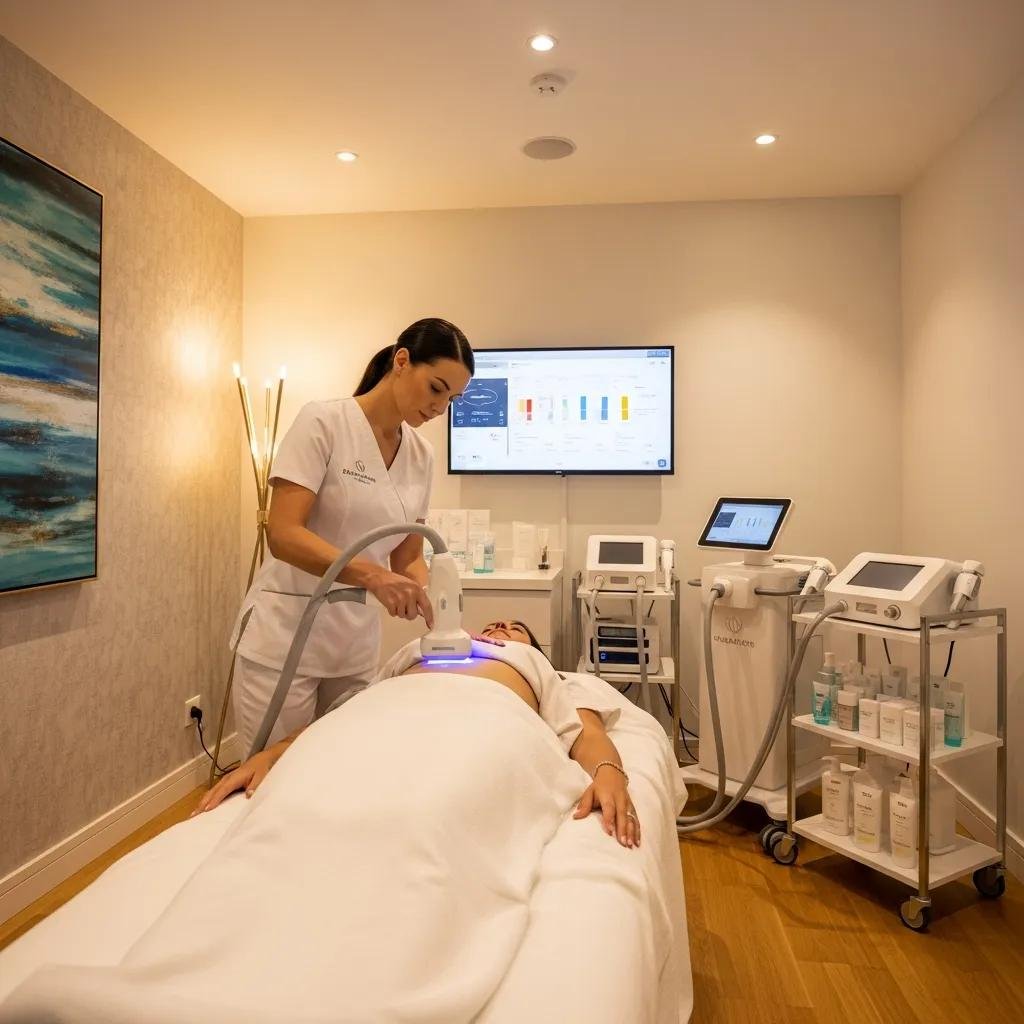
Personalized body contouring and wellness plans combine device-based fat reduction and medically supervised weight-loss strategies tailored to each patient’s distribution of adipose tissue, metabolic profile, and lifestyle. Non-surgical body sculpting like SculpSure targets focal fat pockets with controlled laser energy, while medication-assisted programs (semaglutide, tirzepatide) are individualized for medical history, dosing tolerance, and monitoring needs. Personalization includes selecting target areas, planning session counts, and integrating nutrition and follow-up to support durable change. Holistic plans often link contouring sessions with lifestyle interventions to maintain results.
| Approach | Target | Personalization Elements | Expected Timeline |
|---|---|---|---|
| SculpSure | Focal subcutaneous fat | Applicator placement, session count, area size | 6–12 weeks post-treatment |
| Semaglutide / Tirzepatide | Systemic weight loss | Dosing, medical monitoring, lifestyle counseling | Weeks to months with monitoring |
| Combined Plan | Sculpt + metabolic | Sequenced treatments, nutrition, follow-up | Integrated over 3–6 months |
This comparison highlights how non-surgical contouring and pharmacotherapy serve different but complementary roles in personalized body plans. Proper medical oversight improves safety and long-term outcomes.
How Does SculpSure Provide Custom Body Sculpting?
SculpSure uses targeted laser energy to heat adipose tissue selectively, causing gradual fat reduction through lipolysis while sparing the skin surface. Customization comes from applicator placement, energy setting adjustments, and planning the number and spacing of sessions based on fat thickness and treatment area (e.g., flanks versus abdomen). Typical plans involve one to several sessions spaced weeks apart, with visible improvement appearing over 6–12 weeks as the body clears treated cells. Provider assessment of skin laxity and volume guides whether adjunctive therapies or repeat sessions are recommended.
Personalized planning for SculpSure emphasizes mapping treatment zones and setting realistic timelines for fat reduction, which naturally leads to medication-assisted options for systemic weight management when appropriate.
What Is Medically Supervised Personalized Weight Loss?
Medically supervised personalized weight loss integrates patient evaluation, pharmacotherapy when indicated, nutritional counseling, and monitoring to tailor treatment safely and effectively. Programs using agents like semaglutide or tirzepatide require individualized dosing, regular follow-up to track metabolic response, and lifestyle support to optimize adherence and outcomes. Medical supervision addresses contraindications, adjusts therapy based on progress, and incorporates behavioral strategies for sustainable change. Personalization improves safety, enhances weight-loss efficacy, and reduces relapse risk.
These wellness strategies often pair with localized contouring for comprehensive body-sculpting outcomes, and they inform maintenance programs that sustain aesthetic results.
How Can Advanced Skincare and Maintenance Be Tailored to You?
Long-term maintenance uses personalized routines and periodic in-office treatments to preserve gains from aesthetic procedures and slow future aging. Maintenance plans select actives and device intervals based on skin concerns, such as retinoids for photoaging, targeted antioxidants for pigmentation, and scheduled resurfacing or microneedling for texture. Microneedling parameters, topical adjuncts, and follow-up cadence are adjusted for condition severity and skin type to balance efficacy and downtime. A bespoke routine combines clinical interventions with home care to maintain tone, texture, and contour over time.
| Modality | Concern Treated | Personalization Method | Follow-up Frequency |
|---|---|---|---|
| Microneedling / RF | Scars, texture, laxity | Needle depth, RF intensity, adjuncts | 4–8 weeks between sessions |
| Topical Regimen | Aging, pigment | Active selection, concentration, layering | Daily with quarterly reviews |
| Laser Maintenance | Tone, pigment | Wavelength/energy tailoring | Every 3–12 months |
These comparisons underscore how combining in-office maintenance with a tailored home regimen sustains results and guides interval care planning.
How Is Microneedling Customized for Specific Skin Concerns?
Microneedling customization involves adjusting needle depth, treatment intensity, and adjunctive therapies—such as PRP or growth-factor topicals—to match concerns like acne scarring, fine lines, or overall texture. For acne scarring, deeper needling with staged sessions promotes collagen remodeling; for superficial texture, shallower depths and more frequent treatments optimize turnover with minimal downtime. RF microneedling adds controlled thermal energy for tightening in patients with laxity, while non-RF microneedling focuses on surface remodeling. Expected downtime ranges from mild redness to several days of recovery depending on intensity, and outcomes typically improve over multiple sessions.
Choosing parameters based on concern and response helps clinicians sequence maintenance treatments effectively and leads to a practical routine-building process.
What Are the Steps to Develop Your Bespoke Skincare Routine?
A stepwise approach creates a routine that addresses goals, tolerance, and lifestyle while allowing measured introduction of active ingredients to monitor response. Start with assessment and goal setting, select a core routine (gentle cleanser, sunscreen, moisturizer), introduce actives methodically (retinoid, vitamin C, exfoliant) while tracking reactions, and schedule periodic clinical maintenance and reassessment. Monitoring and adjustments—based on results and seasonal changes—ensure long-term adherence and safety. A clear plan reduces irritation risk and optimizes synergy between daily care and in-office treatments.
For readers interested in a personalized consultation and treatment sequence, Shore MedSpa & Bio Aesthetics and Dr. Ronald Shore offer consultation-first planning with board-certified dermatology oversight to map individualized facial, body, and maintenance strategies.