
Med Spa Patient Education: Essential Resources for Understanding Aesthetic & Wellness Treatments
Patient education for med spa treatments means giving clear, actionable information about what procedures do, how they work, and what patients should expect before, during, and after care. Well-informed patients can weigh risks and benefits, follow pre-care and aftercare instructions, and set realistic treatment expectations, which improves safety and outcomes. This guide explains common aesthetic and wellness treatments, how to prepare, practical aftercare steps, and the role of informed consent so readers can approach cosmetic and wellness procedures with confidence. You will learn specific pre-care steps, key recovery timelines, common side-effect management, and consultation questions that clarify provider qualifications and expected results. The article maps five core areas: treatment types, preparation, aftercare, safety and consent, and practical patient checklists — all written for easy reference and shared decision-making.
What Are Aesthetic and Wellness Treatments Offered at Med Spas?
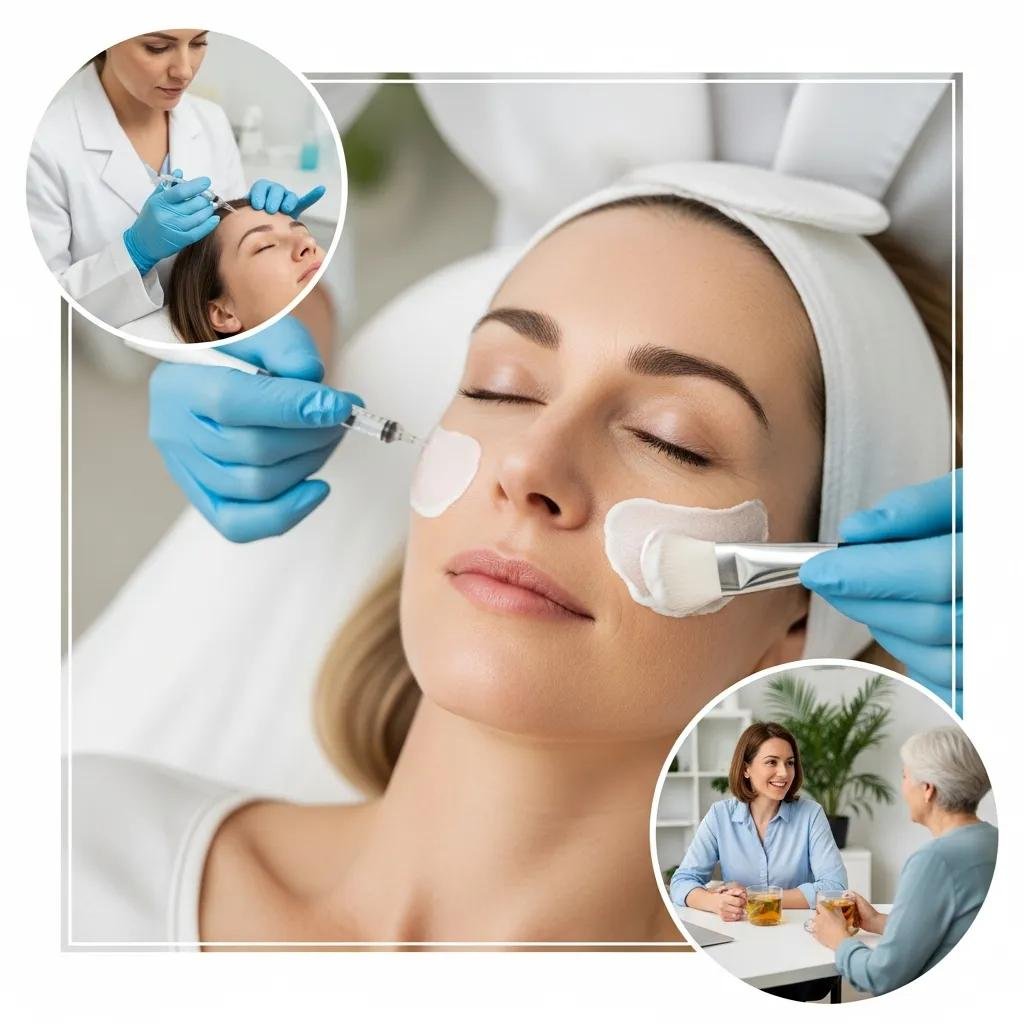
Aesthetic and wellness treatments at med spas encompass minimally invasive cosmetic procedures and medically supervised wellness therapies designed to improve appearance, function, or systemic health. Aesthetic treatments focus on skin quality and facial/body contouring through injectables and energy-based devices, while wellness treatments target metabolic, nutritional, or cellular support for overall health. Understanding the difference clarifies expectations: cosmetic procedures aim for visible appearance changes, and wellness therapies aim for physiologic improvement that can affect appearance indirectly. Below is a concise comparison of common categories and what patients typically expect from each.
Which Common Procedures Should Patients Know About?
Patients should know that med spas commonly offer injectables like neurotoxin injections and dermal fillers, energy-based resurfacing and hair removal, chemical peels, microneedling, body contouring, and medically supervised weight-loss or metabolic therapies. Neurotoxin injections reduce dynamic lines with minimal downtime, dermal fillers restore volume and contour with variable swelling, lasers and peels resurface skin over days to weeks, microneedling stimulates collagen with a few days of redness, and body contouring procedures reduce localized fat with gradual results. Knowing each procedure’s purpose and typical recovery window helps set realistic treatment expectations and informs scheduling and aftercare planning.
How Do These Treatments Benefit Your Appearance and Health?
Aesthetic procedures deliver benefits ranging from smoothing wrinkles and restoring facial volume to improving skin texture and reducing unwanted pigment or hair. Wellness treatments can support metabolic health, weight-management goals, and cellular vitality, which can amplify cosmetic outcomes by improving skin tone and energy levels. Benefits vary by intervention: some produce immediate visible change (injectables), while others yield progressive improvements (body contouring, weight-loss medications). Framing outcomes as subtle-to-moderate rather than dramatic helps patients maintain realistic expectations and better satisfaction with results.
Different aesthetic and wellness options include injectables (Botox, Restylane variants), lasers (resurfacing, IPL), device-based contouring (SculpSure), and medical therapies (Semaglutide, Tirzepatide, NAD+). For example, injectables address dynamic lines and volume loss, lasers target texture and pigment, and weight-loss medications support metabolic change that can complement body-contouring strategies. Understanding these categories guides patients toward the right treatment mix for their goals.
This quick comparison table summarizes common procedures and typical patient expectations.
| Procedure Category | Procedure Type | Typical Patient Expectation/Outcome |
|---|---|---|
| Injectables | Neurotoxins, Dermal fillers | Rapid improvement in lines or volume; short recovery |
| Energy-based | Laser resurfacing, IPL, RF | Gradual texture and tone improvement; 3–14 day recovery |
| Chemical & Needling | Peels, Microneedling | Collagen stimulation, smoother skin; several days of redness |
| Body & Metabolic | SculpSure, Semaglutide/Tirzepatide | Fat reduction over weeks/months; metabolic weight support |
This table helps patients prioritize which treatments match their desired outcomes and acceptable recovery timelines.
(Brief practice note: Shore MedSpa & Bio Aesthetics, led by board-certified dermatologist Dr. Ronald Shore in Rockville, MD, offers a range of these injectables, laser resurfacing, chemical peels, body-contouring, and medical weight-loss therapies, illustrating how clinics combine aesthetic and wellness services under physician oversight.)
How Should Patients Prepare for Their Med Spa Treatments?
Proper preparation reduces risk and improves results by optimizing skin and systemic conditions before treatment. Preparation typically includes medication review, temporary avoidance of blood-thinners and certain supplements where appropriate, skin priming for resurfacing procedures, clear hydration and sleep optimization, and scheduling considerations around social or work events. Communicating full medical history and current medications allows providers to identify contraindications and tailor pre-care instructions, which directly impacts safety and treatment expectations.
What Pre-Care Instructions Are Important to Follow?
Pre-care instructions often specify stopping NSAIDs and certain supplements that increase bleeding risk for a set period before injections or energy-based treatments, avoiding intense sun exposure, and using gentle skincare products rather than new active ingredients immediately before procedures. Patients should hydrate well, avoid alcohol 24–48 hours prior, and disclose recent isotretinoin use or changes in medical status. Following these steps reduces bruising and infection risk while helping the provider deliver predictable results.
What Questions Should You Ask During Your Consultation?
Bring a concise question list to ensure informed consent and realistic expectations: ask about the specific benefits and risks, the provider’s experience with the chosen procedure and device, expected downtime, alternatives, and the follow-up plan for complications. Also request written pre- and post-care instructions and ask how outcomes will be measured and photographed. These questions clarify provider qualifications, procedural steps, and recovery expectations to support safe decision-making.
- What are the expected results and timeline?
- What are the common and rare risks for this procedure?
- How many similar procedures have you performed and with which devices?
These consultation questions help patients confirm competence and align on realistic goals before scheduling care.
What Are the Key Aftercare Instructions and Recovery Tips?
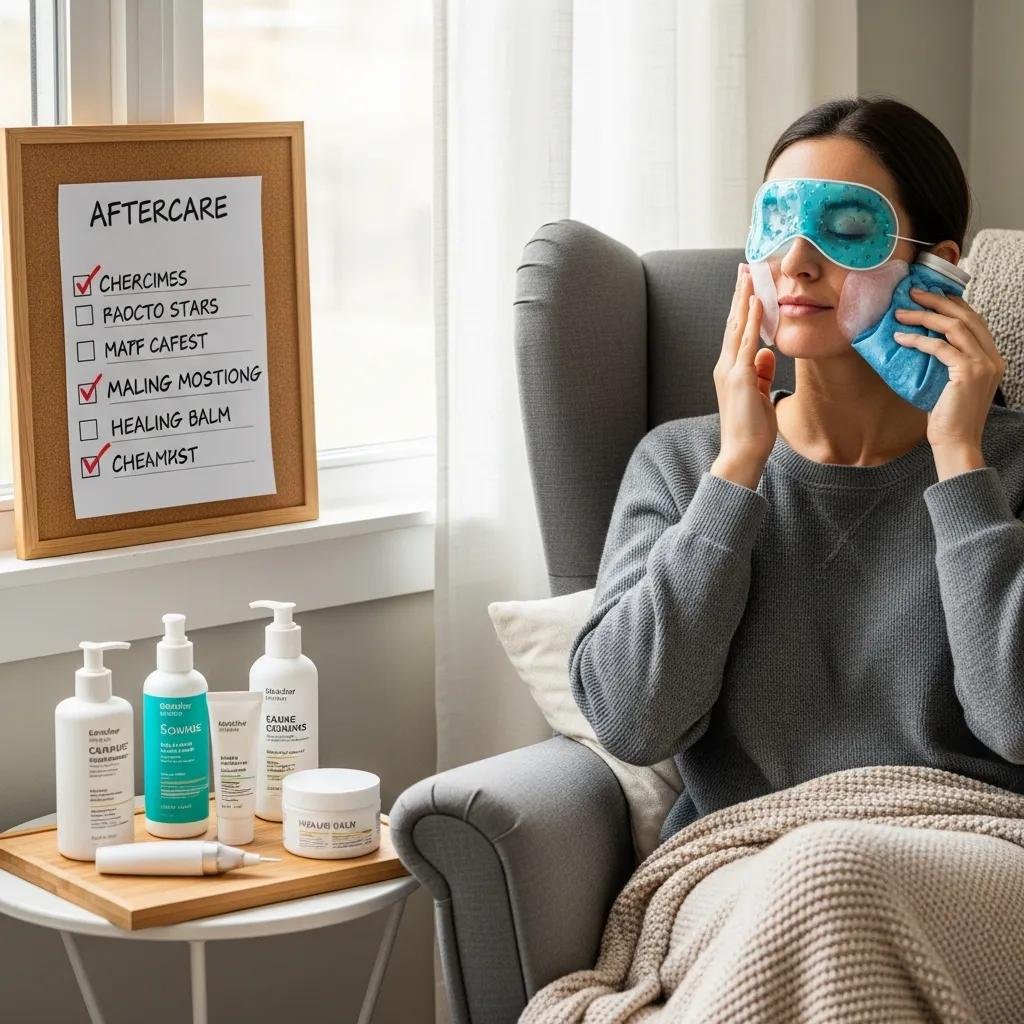
Aftercare preserves results and minimizes complications by controlling inflammation, protecting treated tissues, and monitoring early signs of problems. Immediate post-care commonly includes cold compresses for swelling, gentle cleansing, avoidance of strenuous activity for 24–72 hours depending on procedure, and sun protection once healing permits. Clear expectations for bruising, swelling, and gradual improvement help patients recognize normal recovery versus signs needing urgent attention. Below is a practical symptom-management reference to aid common post-procedure scenarios.
How to Manage Side Effects and Ensure Optimal Results?
Most minor side effects respond to conservative measures: cold packs for the first 24–48 hours reduce swelling, keeping the head elevated limits facial edema, and over-the-counter analgesics (per provider guidance) control discomfort. Redness and sensitivity after resurfacing typically subside over days to two weeks with gentle skincare and sunscreen use. Persistent severe pain, spreading redness, or signs of infection require immediate provider contact. Clear timelines and red-flag signs ensure safe recovery and timely intervention when needed.
Intro to symptom-action table and how to use it.
| Symptom/Issue | Recommended Action | Expected Timeline |
|---|---|---|
| Mild swelling/bruising | Cold compress, elevation, topical Arnica per guidance | 3–14 days |
| Redness/peeling after resurfacing | Gentle cleanser, moisturization, SPF | 5–14 days |
| Tender nodule after filler | Contact provider for assessment; possible massage or hyaluronidase | 1–4 weeks (provider-guided) |
This table offers a quick reference for typical recovery steps and expected timelines, helping patients know when to self-manage and when to seek professional care.
(If you need provider-specific aftercare, request written instructions from your clinic; to schedule a consultation or ask for tailored post-care guidance, Shore MedSpa & Bio Aesthetics can be contacted locally at their Rockville address or by phone.)
What Are the Do’s and Don’ts After Aesthetic Procedures?
Clear behavioral rules protect results and reduce complications: avoid strenuous exercise and heat exposure for the immediate recovery period, refrain from touching or massaging treated areas unless instructed, and prioritize SPF and gentle skincare to support healing. Conversely, do keep treated areas clean, follow prescribed topical or oral regimens, maintain hydration and sleep, and attend scheduled follow-ups for assessment. These simple habits significantly influence long-term outcomes and patient satisfaction.
- Do follow written aftercare, use sunscreen, and attend follow-ups.
- Don’t engage in heavy exercise, tanning, or unapproved topical actives immediately after procedures.
- Do contact your provider for worsening pain, spreading redness, or unusual discharge.
These do’s and don’ts offer a compact recovery guide that patients can follow day-to-day to protect their investment and health.
Why Is Informed Consent and Patient Safety Crucial in Med Spa Treatments?
Informed consent is a process that ensures patients understand the nature of a procedure, its risks and benefits, alternatives, and follow-up plan so they can make a voluntary, informed decision. This legal and ethical safeguard reduces misunderstandings and guides clinicians to document medical history, discuss realistic outcomes, and plan for complication management. Patient safety likewise depends on proper screening, sterile technique, device training, and clear communication about recovery expectations and red flags.
What Risks and Benefits Should Patients Understand?
Patients should know the common, minor risks—such as bruising, temporary swelling, and transient redness—and the rare but more serious complications like infection, vascular compromise with injectables, or pigmentary changes after resurfacing. Benefits include improved appearance, functional gains (e.g., reduced dynamic lines), and enhanced confidence, but results vary by treatment and individual biology. Emphasizing risk mitigation through screening and strict aftercare helps patients weigh trade-offs realistically.
How Do Provider Qualifications Impact Your Safety?
Provider qualifications directly influence complication recognition and management; look for clinicians with relevant medical credentials and specific training in cosmetic procedures and devices. For example, a board-certified dermatologist leading care provides expertise in skin anatomy, procedural technique, and complication treatment. As an illustrative example from the local community, Dr. Ronald Shore leads Shore MedSpa & Bio Aesthetics in Rockville, providing physician-led oversight that supports safety, individualized treatment plans, and access to appropriate follow-up care.
- Ask about board certification and specialized training.
- Confirm experience with the specific device or product.
- Request emergency and complication protocols.
These steps help patients verify competency and select a provider aligned with safe practice standards.