
Optimal Water Intake for Hydrated & Glowing Skin: How Much to Drink for Radiant Skin Health
Proper internal hydration is a foundational, measurable way to support skin health: water maintains cell volume, supports nutrient transport, and enables enzymatic processes that preserve collagen and elasticity.
This article explains how water intake affects skin elasticity, texture, and glow, offers practical daily intake guidance you can personalize by weight and activity, and shows how to spot and remedy dehydrated skin with internal strategies and topical complements. Many people confuse dehydrated skin (an internal water deficit) with chronically dry skin (a lipid-barrier issue), so you’ll learn clear self-checks and stepwise remedies that prioritize hydration while integrating proven topical and professional options. The guide also outlines how clinical treatments can amplify hydration benefits and when to consider professional evaluation. Read on for evidence-based benefits of drinking water for skin hydration, simple formulas to calculate daily needs, identification and remedies for dehydration, and a concise look at how Shore MedSpa & Bio Aesthetics’ services can complement an optimized hydration strategy.
What Are the Key Benefits of Drinking Water for Skin Hydration?
Drinking adequate water improves skin hydration by increasing cellular turgor, supporting extracellular matrix hydration, and promoting efficient nutrient and oxygen delivery to fibroblasts, which together enhance elasticity and surface plumpness. Current research shows that even modest improvements in systemic hydration can reduce skin roughness and support barrier recovery, yielding a visibly healthier tone. Below is a brief list of core benefits the reader can expect from consistent hydration.
The primary hydration benefits for skin include:
- Improved Elasticity and Plumpness: Adequate hydration increases cell volume and turgor, making skin appear firmer.
- Support for Collagen Synthesis: Better nutrient transport helps fibroblasts maintain collagen and elastin.
- Reduced Fine Lines and Smoother Texture: Hydrated skin looks less crepey and reflects light more evenly.
- Enhanced Detox and pH Balance: Hydration supports metabolic waste clearance, helping skin tone.
These benefits are amplified when coupled with barrier-supporting topicals and proper nutrition, and for some patients, professional treatments can further accelerate visible improvement. After explaining these mechanisms, the next section shows how to translate general advice into a personalized daily water plan.
How Does Water Improve Skin Elasticity and Collagen Production?
Water improves skin elasticity by hydrating the dermal extracellular matrix, which maintains the spacing and function of collagen and elastin fibers, and by optimizing cellular metabolism in fibroblasts. When cells are adequately hydrated, enzymatic processes involved in collagen synthesis and cross-linking proceed more efficiently, which supports structural resilience. Nutrient and oxygen delivery also improve with better plasma volume and circulation, enabling fibroblasts to access amino acids and cofactors needed for collagen turnover. Understanding this mechanism clarifies why hydration alone won’t replace professional interventions for structural loss but does create the physiological environment where collagen remodeling can be more effective.
In What Ways Does Hydration Help Reduce Fine Lines and Promote a Glowing Complexion?
Hydration reduces the appearance of fine lines through immediate plumping of epidermal and superficial dermal layers, which smooths crepey texture and makes light reflect more uniformly, producing a visible glow. Over weeks, consistent hydration supports barrier repair and reduces transepidermal water loss, which decreases dryness-related accentuation of lines. Topical humectants like hyaluronic acid act synergistically with systemic hydration by drawing and holding water in the epidermis, improving short-term appearance. These immediate and medium-term effects set the stage for longer-term texture improvement when combined with nutrition and professional care.
How Much Water Should You Drink Daily for Optimal Skin Hydration?
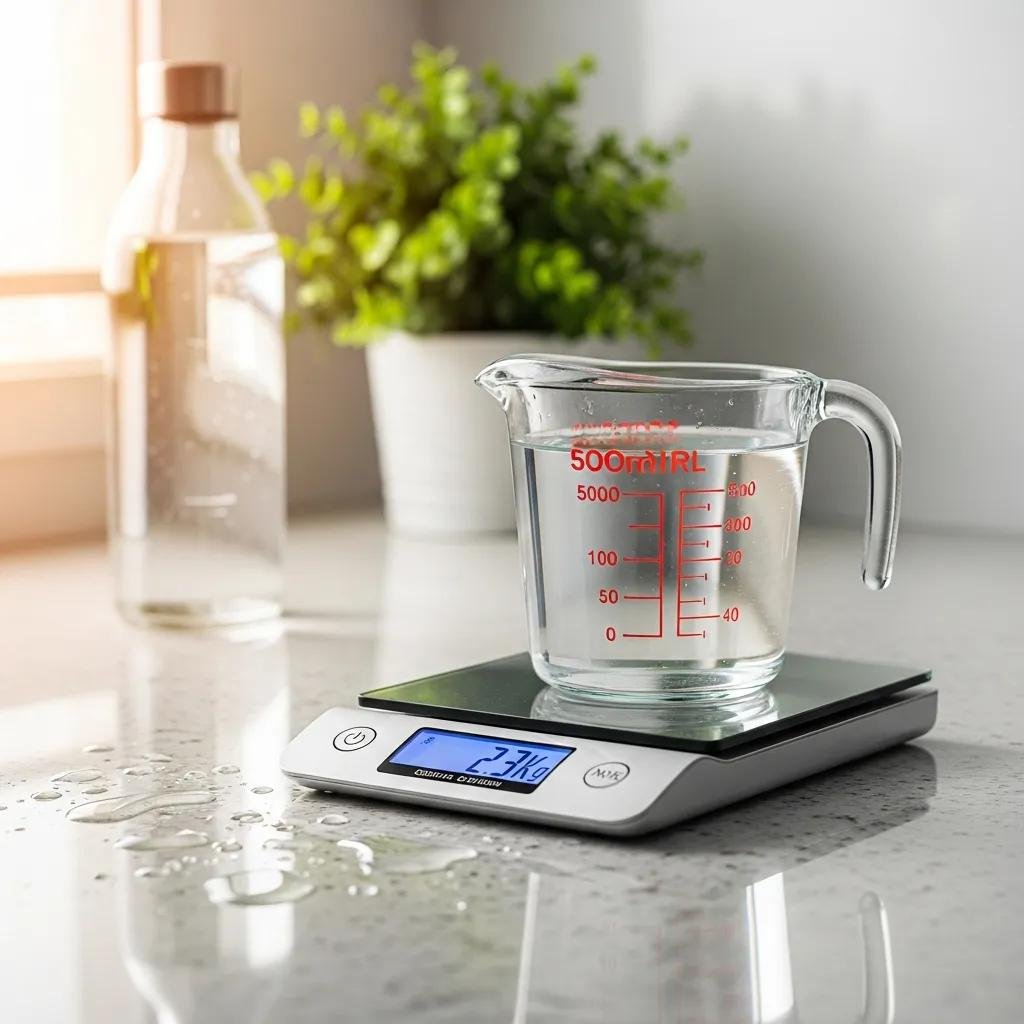
Daily water needs to support skin health vary, but a practical target range for many adults is roughly 64–100 ounces (about 1.9–3 liters) per day, adjusted by body size, activity, and climate. A simple personalization rule is to aim for about 0.4–0.6 ounces per pound of body weight as a baseline, then add fluid for exercise and hot or dry environments. Medical conditions or medications may require adjustments; consult a clinician if you have concerns. The table below compares common intake approaches to help you choose the best method for your lifestyle.
Comparison of common intake calculation methods:
| Method | How it’s calculated | Best use-case |
|---|---|---|
| 8×8 Rule | Eight 8-ounce glasses (~64 oz/day) | Simple baseline for low-activity adults |
| Weight-Based | 0.4–0.6 oz per lb of body weight | Personalized baseline that scales with size |
| Activity-Adjusted | Baseline + ~12–16 oz per 30–60 minutes exercise | Active individuals and hot climates |
This comparison highlights that the weight-based formula offers better personalization than rigid “glass” rules, and activity adjustments meaningfully increase needs. Next, learn concrete examples and quick calculations for typical body sizes and exercise routines.
What Are Personalized Water Intake Recommendations Based on Body Weight and Activity?
A straightforward personalization formula is 0.5 ounces per pound of body weight as a baseline: multiply your weight in pounds by 0.5 to get ounces per day. For example, a 150 lb person would target about 75 ounces baseline; add roughly 12–16 ounces per 30–60 minutes of moderate exercise depending on sweat rate. Include water-rich foods and electrolyte-balanced beverages when exercise is prolonged. This checklist helps translate the formula into daily practice and supports skin hydration goals:
- Calculate baseline with 0.4–0.6 oz/lb, then
- Add 12–16 oz per hour of exercise,
- Increase intake in heat or low-humidity environments.
These adjustments ensure that hydration supports both systemic requirements and specific skin-focused outcomes.
How Do Climate and Lifestyle Affect Your Daily Water Needs for Skin Health?
Climate and lifestyle markedly change water needs: hot, dry, or high-altitude conditions increase fluid loss and accelerate transepidermal water loss, while heated indoor air in winter also dries the skin. Lifestyle factors such as frequent alcohol consumption, high caffeine intake, air travel, and intense workouts further elevate requirements and can disrupt skin barrier recovery. Practical tips include using a humidifier in dry environments, prioritizing electrolyte-containing fluids after heavy sweat, and monitoring urine color as a simple hydration indicator. These steps help align intake with real-world conditions that affect skin hydration and appearance.
What Are the Signs of Dehydrated Skin and How Can You Remedy Them?
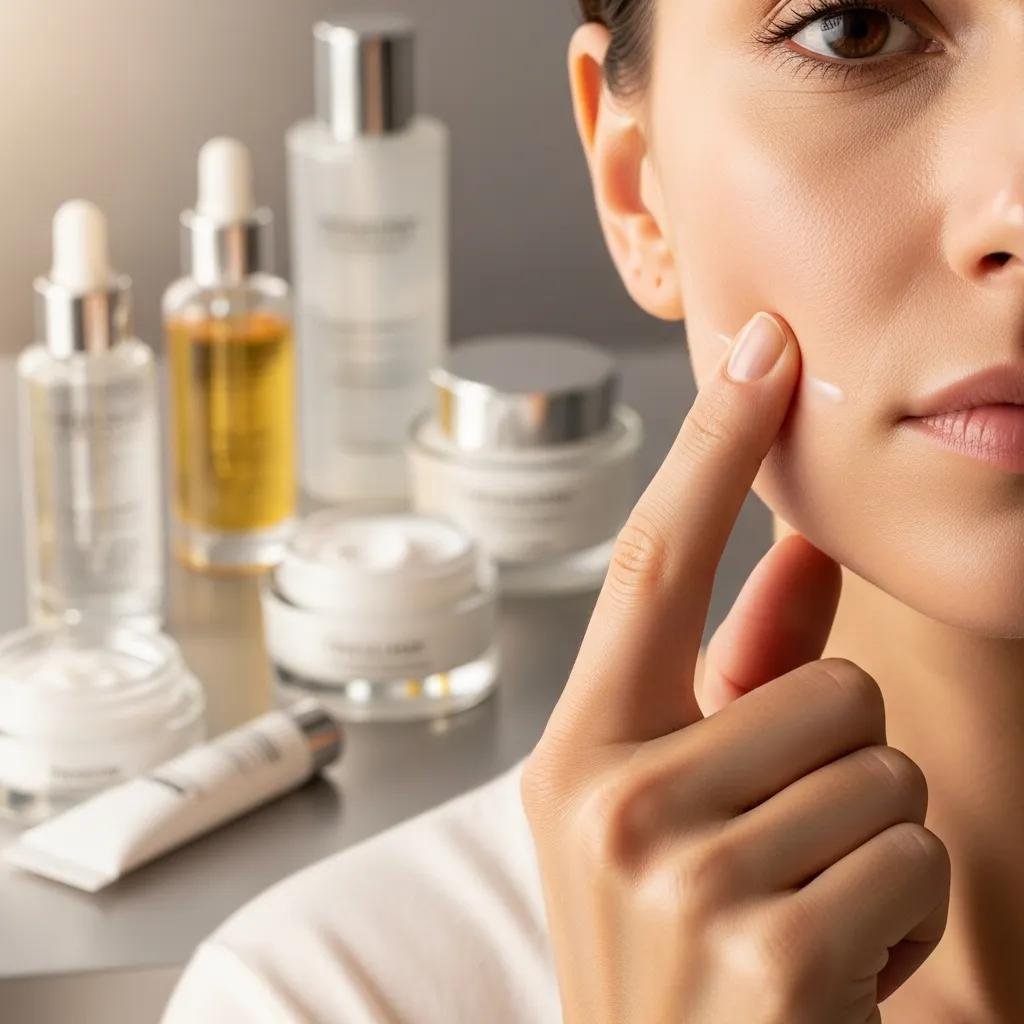
Dehydrated skin typically presents as dullness, a feeling of tightness, accentuated fine lines, and a rough or crepey texture—distinct from chronically dry skin caused by lipid deficiency. Early identification enables rapid internal and external intervention: increase fluid intake, consume water-rich foods, and apply humectant-rich topicals. The table below maps common symptoms to recommended internal remedies and topical or professional options to guide action.
Symptom → Recommended remedies mapping:
| Symptom | Immediate internal remedy | Recommended external/professional remedy |
|---|---|---|
| Dull, lackluster tone | Increase water + water-rich fruits/veggies | Humectant serum (hyaluronic acid) |
| Tightness after washing | Sip fluids + electrolyte-balanced snack | Emollient moisturizer with ceramides |
| Fine lines, crepiness | Consistent daily water + protein intake | Professional hydrating facial or microneedling adjunct |
When initial measures don’t restore resilience after several weeks, consider professional evaluation to rule out barrier disorders or structural concerns. Next, specific self-checks help distinguish transient dehydration from chronic issues requiring clinical care.
How to Identify Symptoms Like Dullness, Tightness, and Fine Lines?
A quick self-assessment includes a pinch test for turgor (gently lift and release skin) and visual checks for increased line visibility or patchy dullness; transient slow rebound and improved texture after rehydration suggest dehydration. Note red flags such as persistent fissuring, severe itching, or new widespread inflammation, which warrant clinician assessment. Track timelines: improvement in hydration often occurs within days for surface plumping and weeks for barrier recovery. If symptoms persist despite proper hydration and topical care, professional options can be explored.
What Internal and External Remedies Improve Dehydrated Skin?
Prioritize low-effort, high-impact internal steps: increase plain water, include water-rich foods (cucumbers, melons), and maintain balanced electrolytes for cellular hydration. Topical strategies focus on humectants such as hyaluronic acid or glycerin to draw water into the epidermis and barrier-repair ingredients like ceramides to prevent water loss. For persistent or structural concerns, professional treatments—viewed as adjuncts—can accelerate recovery; Shore MedSpa & Bio Aesthetics offers clinical options that may complement hydration strategies. Start with hydration and topicals, then escalate to professional care when necessary.
How Do Shore MedSpa Treatments Complement Optimal Water Intake for Glowing Skin?
Shore MedSpa & Bio Aesthetics, led by board-certified dermatologist Dr. Ronald Shore in Rockville, MD, provides advanced cosmetic dermatology services that synergize with optimized hydration by promoting collagen remodeling, improving texture, and supporting recovery. When internal hydration is adequate, fibroblast activity and tissue repair respond more effectively to procedures, enhancing outcomes. Below is a table that clarifies how select treatments work and how hydration enhances their mechanisms.
| Treatment | Mechanism | Hydration synergy |
|---|---|---|
| Microneedling | Micro-injury stimulates collagen production | Hydration supports fibroblast metabolism and quicker repair |
| Chemical Peels | Controlled exfoliation promotes renewal | Hydrated epidermis tolerates healing better and receives topicals more effectively |
| LED Skin Therapy | Photobiomodulation enhances cellular repair | Well-hydrated cells exhibit stronger photobiomodulation responses |
For patients seeking combined approaches, Shore MedSpa emphasizes customized treatment plans and advanced technologies to naturally enhance skin health in concert with lifestyle measures like optimized water intake. Discuss timing and aftercare that prioritize hydration to maximize collagen response and sustain a glowing complexion.