Non-Surgical Skin Tightening Treatments in Rockville, MD: Effective Solutions for Firmer, Youthful Skin
Non-surgical skin tightening refers to a group of medical spa procedures that use energy-based devices and controlled tissue injury to stimulate collagen and elastin remodeling, reducing skin laxity and improving contour without incisions. Many adults seek these treatments to address loose skin on the face, neck, and body that develops from aging, weight change, or sun damage; this article explains how those therapies work, who benefits most, and what realistic results to expect. You’ll learn the biological mechanisms behind tightening, the primary device classes used in clinical practice, and the specific non-surgical options available in the Rockville area. The guide reviews RF microneedling, Er:YAG laser resurfacing, and laser-based body contouring, and shows how these approaches differ in downtime, target depth, and outcomes. After describing mechanisms and comparative attributes, the article compares local treatment options with a concise EAV table and then explains candidacy and expected timelines for results. Current research shows that staged, energy-based approaches produce consistent collagen stimulation and smoother, firmer skin when matched to patient morphology and goals.
What Are Non-Invasive Skin Firming Treatments and How Do They Work?
Non-invasive skin firming treatments are procedures that deliver thermal or mechanical energy to the dermis to trigger a wound-healing response, producing collagen contraction and new collagen synthesis that tightens tissue and improves texture. These treatments work by producing controlled micro-injuries or dermal heating that activate fibroblasts and remodel the extracellular matrix, increasing tensile strength and elasticity. The immediate effect is tissue contraction while longer-term improvements appear as neocollagenesis and elastin reorganization over weeks to months. Understanding these mechanisms clarifies why different devices target distinct depths and why treatment selection depends on the degree of skin laxity.
Non-invasive technologies used for skin tightening include several device classes:
- Radiofrequency (RF) energy: heats the dermis to stimulate collagen contraction and repair.
- Laser energy (ablative and non-ablative): ablates or thermally remodels tissue to accelerate resurfacing.
- Microneedling with energy delivery: creates micro-injuries and, when combined with RF, amplifies dermal heating.
These mechanisms set the stage for selecting treatments tailored to the area, laxity severity, and downtime tolerance, which we will examine next.
How Do Collagen and Elastin Improve Skin Tightness?
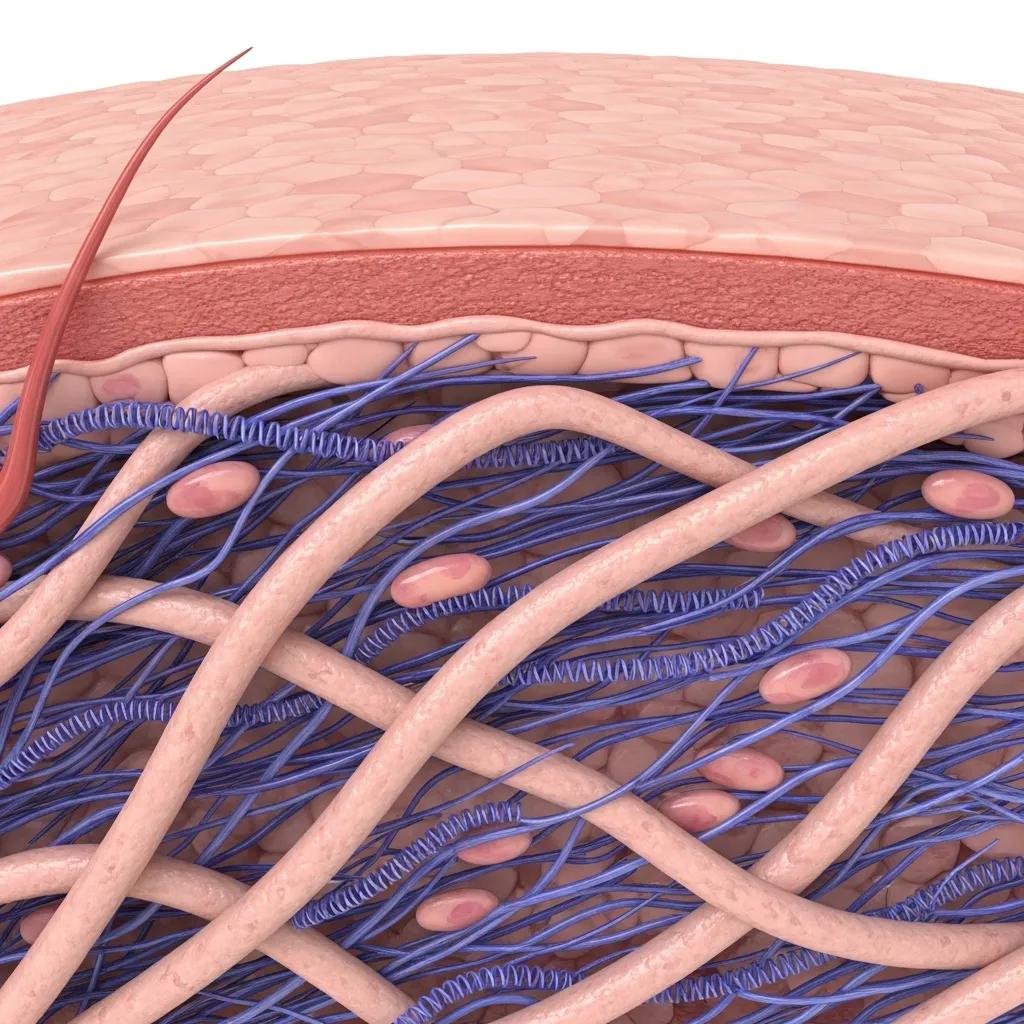
Collagen provides structural support and tensile strength in the dermis while elastin supplies elastic recoil; together they determine skin firmness and resistance to deformation. When collagen networks become fragmented or elastin fibers degrade with age or photodamage, skin laxity increases and contour softens. Treatments that stimulate fibroblast activity and new collagen deposition gradually restore dermal scaffolding, improving tensile strength and reducing visible sagging. Clinically, remodeling yields firmer texture, reduced fine lines, and improved contour over a 3–6 month timeframe as immature collagen matures and integrates with existing matrix. Recognizing this biology explains why repeated treatments and maintenance sessions are often recommended to sustain results.
What Role Does Radiofrequency and Laser Energy Play in Skin Rejuvenation?
Radiofrequency and laser energies act as controlled stressors that raise intradermal temperature or ablate targeted tissue to initiate a predictable healing cascade and matrix remodeling. RF primarily produces deep dermal heating with minimal epidermal disruption, favoring collagen contraction and neocollagenesis with moderate downtime, while ablative lasers like Er:YAG remove epidermal layers and produce more vigorous remodeling at the cost of longer recovery. Non-ablative lasers and RF create thermal zones that tighten tissue with less surface injury, making them suitable when downtime must be limited. Clinically, the choice between RF and laser depends on desired depth, downtime tolerance, and specific concerns such as texture, pigmentation, or scar revision.
Which Non-Surgical Skin Tightening Treatments Are Available in Rockville?
This section summarizes the principal non-surgical skin-tightening modalities commonly available to patients in Rockville, emphasizing how each approach addresses skin laxity and contour concerns. Selecting among options requires matching mechanism, target depth, and downtime to the patient’s anatomy and expectations. Below is a concise list of the core treatments with one-line definitions to clarify their primary action.
- RF microneedling: Combines microneedling and radiofrequency heat to stimulate collagen from the dermal plane.
- Er:YAG laser resurfacing: Ablative laser that removes superficial epidermis and induces dermal remodeling for texture and firmness.
- SculpSure® body contouring: Non-invasive laser thermolysis focused on subcutaneous fat reduction with secondary tightening effects.
The following table compares these options by mechanism, target areas, typical downtime, ideal candidate, and expected timeline for results; it highlights the attributes clinicians use to recommend one modality over another.
| Treatment | Mechanism | Typical Target Areas | Downtime | Ideal Candidate |
|---|---|---|---|---|
| RF microneedling (e.g., Lutronic Genius® RF) | Microneedling + RF heat stimulates dermal remodeling | Face, neck, cheeks, perioral, scars | 2–7 days | Mild–moderate laxity; textured skin |
| Er:YAG laser resurfacing | Ablative resurfacing of epidermis with dermal heating | Face, periocular, perioral | 5–14 days | Photoaged skin, fine lines, deeper texture issues |
| SculpSure® body contouring | Laser thermolysis of subcutaneous fat | Abdomen, flanks, inner thighs | Minimal (mild soreness) | Localized fat pockets with mild laxity |
This comparison shows how different mechanisms produce specific effects on collagen and contour; the next subsections examine RF microneedling and Er:YAG resurfacing in greater detail, including typical treatment cadence and recovery expectations. After outlining general options, Shore MedSpa & Bio Aesthetics in Rockville offers concrete examples of these modalities—Lutronic Genius® RF for RF microneedling, Er:YAG laser resurfacing, and SculpSure® for body contouring—illustrating how device choices fit into local practice when educating patients.
What Are the Benefits of RF Microneedling for Skin Tightening?
RF microneedling uses insulated needles to deliver radiofrequency energy beneath the epidermis, combining controlled micro-injury with localized heating to accelerate collagen and elastin synthesis. The dual-action mechanism improves skin laxity, reduces pore size, softens acne scars, and refines texture while preserving surface integrity compared with ablative lasers. Typical treatment sessions last about 30–60 minutes, and providers often recommend a series of 3–4 sessions spaced 4–6 weeks apart to achieve progressive improvement. Recovery is usually limited to a few days of redness and mild swelling, with measurable tightening emerging over 8–12 weeks as neocollagenesis progresses. Patients with mild to moderate laxity who prefer limited downtime often select RF microneedling as a balanced option.
How Does Er:YAG Laser Resurfacing Enhance Skin Firmness?
Er:YAG laser resurfacing removes superficial epidermal layers with precise ablation while delivering thermal energy to the dermis, prompting robust collagen remodeling and marked improvements in texture and firmness. Because Er:YAG is ablative, it typically yields faster and more pronounced resurfacing results than non-ablative alternatives, making it well-suited for patients with significant sun damage, fine lines, and texture irregularities. Treatment sessions vary by treatment depth but commonly require topical anesthesia and a recovery window of 5 to 14 days for re-epithelialization and gradual improvement. Clinical examples show smoother, firmer skin and reduction of superficial wrinkles after a single deep session or staged superficial treatments, depending on patient tolerance and goals.
How Does SculpSure Body Contouring Support Skin Tightening and Fat Reduction?
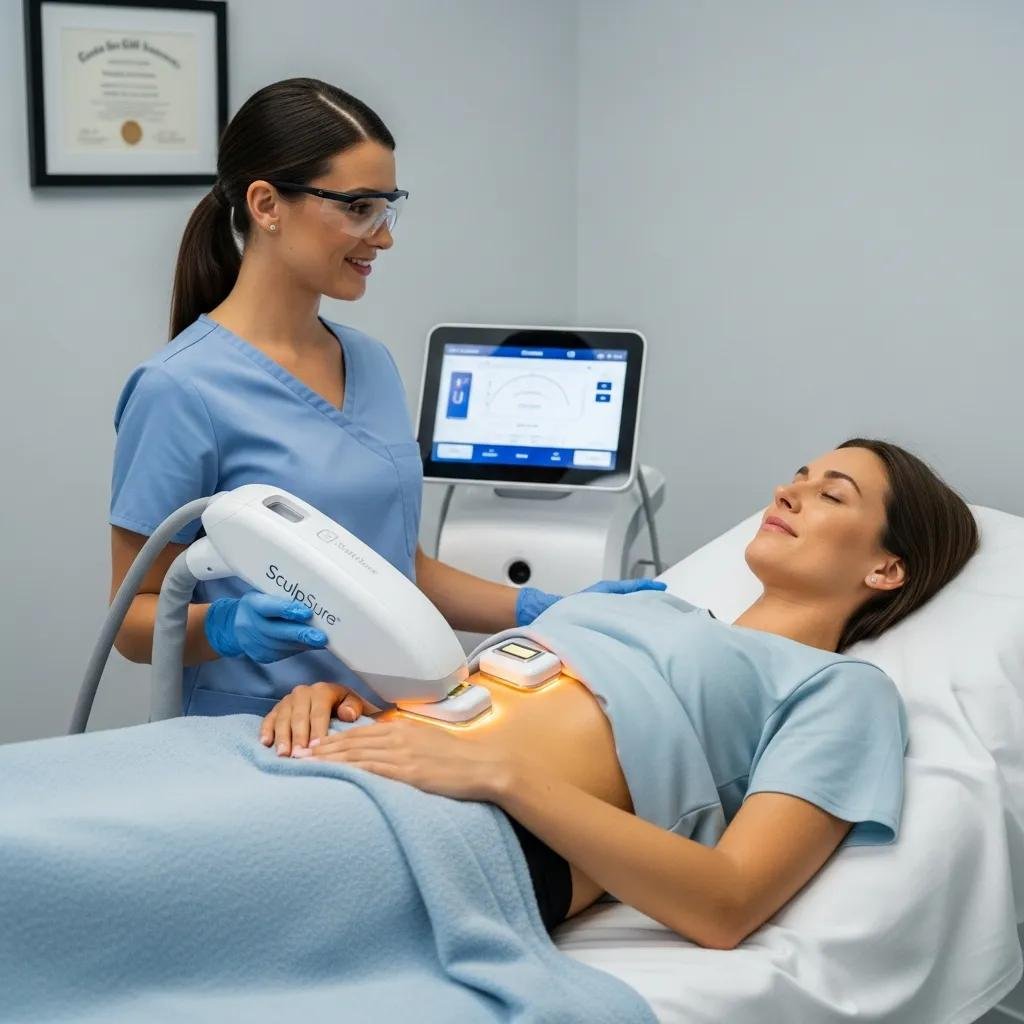
SculpSure® is an FDA-cleared, non-invasive laser body-contouring system that uses controlled hyperthermia to damage adipocytes (laser thermolysis), which are then resorbed by the body over weeks; the reduction in subcutaneous volume can lead to modest secondary skin tightening. The mechanism centers on targeted heating of the fat layer without incisions, producing measurable circumference reductions per session and gradual contour changes over 6–12 weeks. Because SculpSure focuses primarily on adipocyte disruption rather than direct dermal remodeling, tightening is typically mild compared with devices designed for collagen induction; nevertheless, reducing underlying fat can improve perceived skin tautness and silhouette. For patients with localized fat pockets and only mild skin laxity, SculpSure offers a minimally invasive path to improved contour with little downtime.
Before the EAV table, here is an explanation of what the table will show and why those attributes matter for patient decision-making.
| Attribute | Characteristic | Typical Value/Note |
|---|---|---|
| Mechanism | Laser thermolysis of adipocytes | Targeted subcutaneous heating |
| Fat reduction per session | Average measurable change | Clinical studies report average reductions of about 24% per treatment area (patient dependent) |
| Associated tightening | Degree of skin recoil | Mild—best in patients with good baseline elasticity |
| Session time | Typical treatment duration | ~25 minutes per treatment area |
| Recovery notes | Typical downtime | Minimal; transient soreness or numbness possible |
This table clarifies SculpSure’s role as a body-contouring tool that can produce modest tightening while primarily reducing localized fat stores. Next, candidacy guidelines help determine who will benefit most from SculpSure versus dedicated skin-tightening devices.
Who Are Ideal Candidates for SculpSure in Rockville?
Ideal SculpSure candidates have localized adipose pockets, maintain a stable weight, and retain reasonable skin elasticity, enabling contour change without surgical excision. Individuals with BMI in the mild-to-moderate range and focal fullness on the abdomen, flanks, or thighs often achieve the most predictable outcomes. Contraindications include diffuse skin laxity or significant excess skin that requires excision rather than non-invasive contouring; in those cases, RF microneedling or ablative resurfacing alone will not correct redundant tissue. Providers commonly recommend a realistic expectation that results are gradual and sometimes enhanced by a series of 1–3 treatments spaced several weeks apart to allow for tissue resorption and remodeling.
- Localized fat pockets unresponsive to diet and exercise.
- Stable body weight and realistic expectations.
- Adequate skin elasticity for mild secondary tightening.
These candidacy points guide patient selection and reduce the likelihood of dissatisfaction, leading naturally to an explanation of expected results and timelines.
What Results Can Patients Expect After SculpSure Treatments?
Patients typically notice contour changes beginning at about 6 weeks after treatment, with progressive improvement up to 12 weeks as the body clears damaged adipocytes; average reductions vary by study and individual factors. Most patients experience measurable circumference reductions and report smoother contours, but the degree of skin tightening is modest compared with dedicated dermal remodeling devices. Recovery is minimal, allowing patients to resume normal activities quickly while observing gradual changes; combining SculpSure with tightening modalities can improve overall outcomes for patients with both fat and laxity concerns. Managing expectations—emphasizing gradual fat resorption and modest tightening—helps patients plan follow-up sessions or complementary treatments for optimal contour improvement.
Why Choose Shore MedSpa & Dr. Ronald Shore for Non-Surgical Skin Tightening?
Shore MedSpa & Bio Aesthetics in Rockville is led by Board-Certified Dermatologist Dr. Ronald Shore and offers advanced cosmetic dermatology services that include RF microneedling (Lutronic Genius® RF), Er:YAG laser resurfacing, and SculpSure® body contouring. The practice emphasizes personalized treatment planning that aligns device selection with skin type, laxity degree, and patient goals, and serves Rockville and nearby communities such as Bethesda, North Bethesda, Silver Spring, and Potomac. Leadership by a board-certified dermatologist ensures clinical oversight in diagnosis, device selection, and complication management, supporting safer, evidence-informed care for non-surgical firming procedures.
- Board-certified dermatology leadership for clinical decision-making.
- Personalized treatment plans that combine modalities when appropriate.
- Use of advanced devices such as Lutronic Genius® RF, Er:YAG resurfacing, and SculpSure® for targeted outcomes.
These factual attributes explain why patients seeking non-surgical firming in Rockville may consult a dermatology-led medspa for comprehensive evaluation and tailored care; the next subsections describe how personalization and board certification contribute to better outcomes.
What Makes Personalized Treatment Plans Effective at Shore MedSpa?
Personalized plans begin with a detailed consultation that documents medical history, skin type, laxity severity, and photographic baseline, allowing clinicians to map treatment depth and sequence precisely. Tailored plans select modalities based on target anatomy—favoring RF microneedling for textured skin with mild laxity or Er:YAG resurfacing for pronounced surface damage—and may schedule staged sessions to optimize remodeling while managing downtime. Follow-up and maintenance protocols are established up front to track progress and time adjunctive procedures, ensuring incremental improvement and long-term maintenance. This individualized approach minimizes risk and aligns patient expectations with biologically realistic timelines, improving satisfaction.
How Does Board-Certified Dermatologist Expertise Enhance Treatment Outcomes?
Board-certified dermatologists bring diagnostic precision, nuanced understanding of skin physiology, and experience managing procedure-related complications, which together improve safety and outcome predictability. Dermatologist oversight allows accurate differentiation of skin laxity from underlying medical or structural issues that may mimic cosmetic concerns, preventing inappropriate treatment selection. Clinical judgment guides safe combination therapies and energy settings, reducing the risk of adverse effects while maximizing remodeling potential. This expertise supports evidence-based care pathways and helps patients pursue conservative to advanced non-surgical firming options with confidence.