
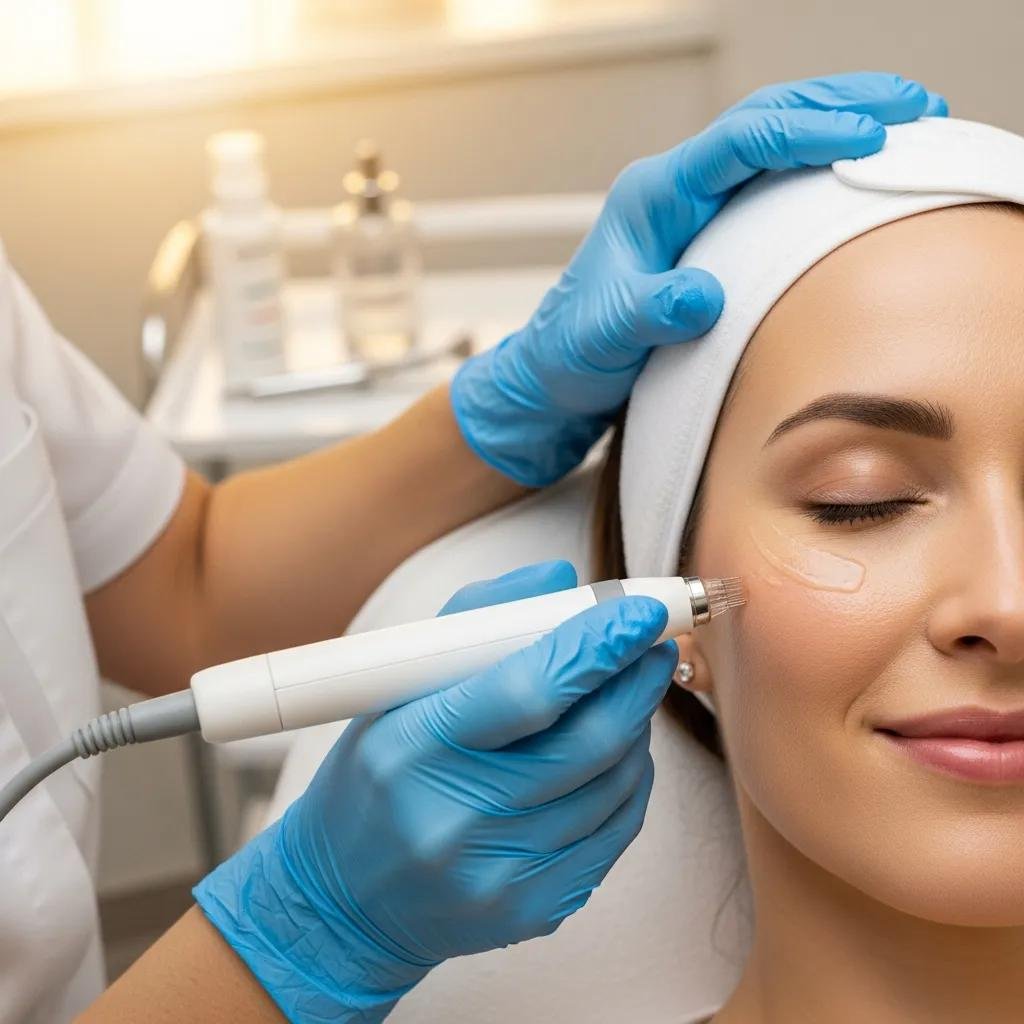
Microneedling with PRP and PRF for Enhanced Skin Renewal in Rockville, MD
Microneedling combined with platelet-rich plasma (PRP) or platelet-rich fibrin (PRF) is a targeted approach to skin renewal that harnesses controlled micro-injury and concentrated growth factors to stimulate collagen and elastin remodeling. This article explains how microneedling with PRP/PRF works, what benefits patients commonly see for fine lines, acne scars, texture, and tone, and how the procedure is performed in a clinical setting in Rockville. Many people seek collagen induction therapy in Rockville to refresh skin without extensive downtime; understanding the science and realistic expectations helps choose the right option. You will learn the mechanism of action, a comparison of PRP vs PRF, expected outcomes, a step-by-step walkthrough of an in-clinic treatment, and cost factors that influence pricing in the Montgomery County area. Throughout, keywords like microneedling PRP Rockville, PRF skin rejuvenation, and collagen induction therapy Rockville are used to help you find relevant local care options and make an informed decision. Recent studies indicate sustained benefit from growth-factor–assisted microneedling when performed by experienced providers, so consider the procedural details and personalization described below.
What is Microneedling with PRP and PRF? Understanding the Science of Skin Renewal
Microneedling with PRP or PRF combines mechanical collagen induction therapy with biologic growth-factor augmentation to accelerate tissue repair and improve skin quality. The microneedling device creates micro-channels in the epidermis and dermis, which initiates a wound-healing cascade and increases permeability for topical or autologous biologics. PRP delivers a concentrated bolus of platelets and signaling proteins that jump-start regeneration, while PRF provides a fibrin matrix that releases growth factors over a longer period. These paired mechanisms—micro-injury plus biologic signaling—produce remodeling of extracellular matrix components and clinically noticeable renewal in texture and firmness.
How does microneedling stimulate collagen and elastin production?
Microneedling stimulates collagen and elastin by producing controlled micro-injuries that trigger a defined inflammatory and repair cascade. Platelets, neutrophils, and macrophages migrate to the site and release cytokines and growth factors, which activate fibroblasts to synthesize collagen types I and III and elastin. Over weeks to months, the newly formed extracellular matrix matures and reorganizes, improving dermal thickness and smoothing surface irregularities. Visible improvements typically evolve gradually, with incremental gains after each treatment as collagen remodels and skin tone evens.
What roles do PRP and PRF play in enhancing skin rejuvenation?
PRP contributes an immediate concentration of platelets and growth factors—such as PDGF, TGF-β, and VEGF—that accelerate initial cellular proliferation and matrix deposition. PRF differs by forming a fibrin scaffold that traps platelets and leukocytes, enabling a slower, sustained release of growth factors and supporting tissue scaffolding. Combining microneedling with either PRP or PRF enhances growth-factor penetration through micro-channels and can improve both speed and durability of results. Recent clinical observations suggest PRF may reduce early postoperative erythema and extend the remodeling window, while PRP often yields a rapid perceptible boost.
| Preparation | Release Profile | Typical Indications |
|---|---|---|
| PRP: centrifuged plasma with platelets | Rapid release over hours to a few days | Acute rejuvenation, quick recovery goals |
| PRF: fibrin matrix with platelets/leukocytes | Sustained release over days to weeks | Longer remodeling, scaffold support |
| Application: topical or microneedle-assisted delivery | Enhanced penetration via micro-channels | Fine lines, texture, scars, tone unevenness |
The table compares preparation, growth-factor release, and common indications to help clinicians and patients choose the appropriate adjunct. Understanding these differences supports tailored treatment planning for individual skin goals.
What Are the Key Benefits of PRP and PRF Microneedling for Skin in Rockville?
Microneedling with PRP or PRF delivers progressive, natural-looking skin improvement by combining structural remodeling with biologic signaling. The primary benefits include wrinkle reduction, scar remodeling, improved texture and tone, and enhanced elasticity with minimal invasiveness. Treatments are often part of a broader collagen induction therapy approach and can be combined with RF microneedling for deeper remodeling when indicated. For residents of the Rockville and Montgomery County area, this treatment offers a regenerative option that emphasizes natural rejuvenation and personalized planning.
Microneedling with PRP/PRF offers these core benefits:
- Reduction in fine lines and dynamic wrinkles through dermal collagen induction.
- Improved appearance of acne scars and surgical scars via tissue remodeling.
- Smoother skin texture and more even tone through epidermal turnover and dermal repair.
- Increased elasticity and subtle lifting from strengthened dermal matrix.
These benefits translate into cumulative improvements over a series of sessions; patients typically observe gradual enhancement with maintenance options discussed at consultation.
| Clinical Target | Mechanism | Clinical Benefit |
|---|---|---|
| Fine lines & wrinkles | Collagen synthesis (I & III) | Reduced depth, smoother contours |
| Acne scars | Matrix remodeling and volumization | Scar softening and blending with adjacent skin |
| Texture & tone | Epidermal turnover + growth factors | Fewer irregularities and reduced hyperpigmentation |
| Elasticity | Fibroblast activation | Firmer, more resilient skin |
This EAV-style table maps specific mechanisms to observable clinical outcomes, clarifying why PRP/PRF-supported microneedling addresses a range of cosmetic indications.
How does this treatment reduce fine lines, wrinkles, and acne scars?
Reduction of lines, wrinkles, and scars occurs through targeted dermal remodeling driven by fibroblast activation and new collagen deposition. Microneedling creates channels that reorganize scar tissue and encourage neocollagenesis, while PRP/PRF supplies growth factors that enhance remodeling quality and speed. Multiple sessions spaced appropriately allow cumulative collagen maturation, reducing depression in atrophic scars and softening rhytids. Evidence-based practice sets realistic expectations: noticeable smoothing often requires a series of treatments with observable improvement continuing for months.
What improvements can be expected in skin texture, tone, and elasticity?
Patients can expect smoother surface texture, a more even skin tone, and gradual restoration of elasticity over 3–6 months following a treatment series. Pigment irregularities respond variably; improvement depends on adjunctive regimens and sun protection. Elasticity gains manifest as firmer skin and subtle tightening as dermal collagen content increases, contributing to a refreshed appearance. Maintenance spacing—often 6–12 months after an initial series—helps sustain these improvements over time.
What to Expect During Your Microneedling with PRP/PRF Treatment at Shore MedSpa
An in-clinic microneedling with PRP/PRF visit begins with a thorough assessment and ends with personalized aftercare to optimize healing and results. Shore MedSpa & Bio Aesthetics in Rockville offers both PRP and PRF options and advanced microneedling technologies, including RF-capable devices for providers who recommend deeper remodeling. The process prioritizes safety, board-certified dermatologist oversight, and a tailored plan that matches the biologic choice (PRP vs PRF) to patient goals and skin characteristics. Below is a summary of what patients can expect from consultation through recovery.
What happens during consultation and treatment customization?
The consultation reviews skin history, concerns, and medical contraindications while documenting baseline photos and goals. Providers assess skin type, scar morphology, and expectations to determine whether PRP or PRF, or an RF microneedling modality, is most appropriate. The consultation also includes discussion of realistic timelines, number of sessions, and pre-procedure preparation such as topical numbing and avoidance of blood-thinning supplements. This individualized planning ensures the chosen protocol aligns with regenerative objectives and risk profile.
What is the step-by-step procedure including blood draw and application?
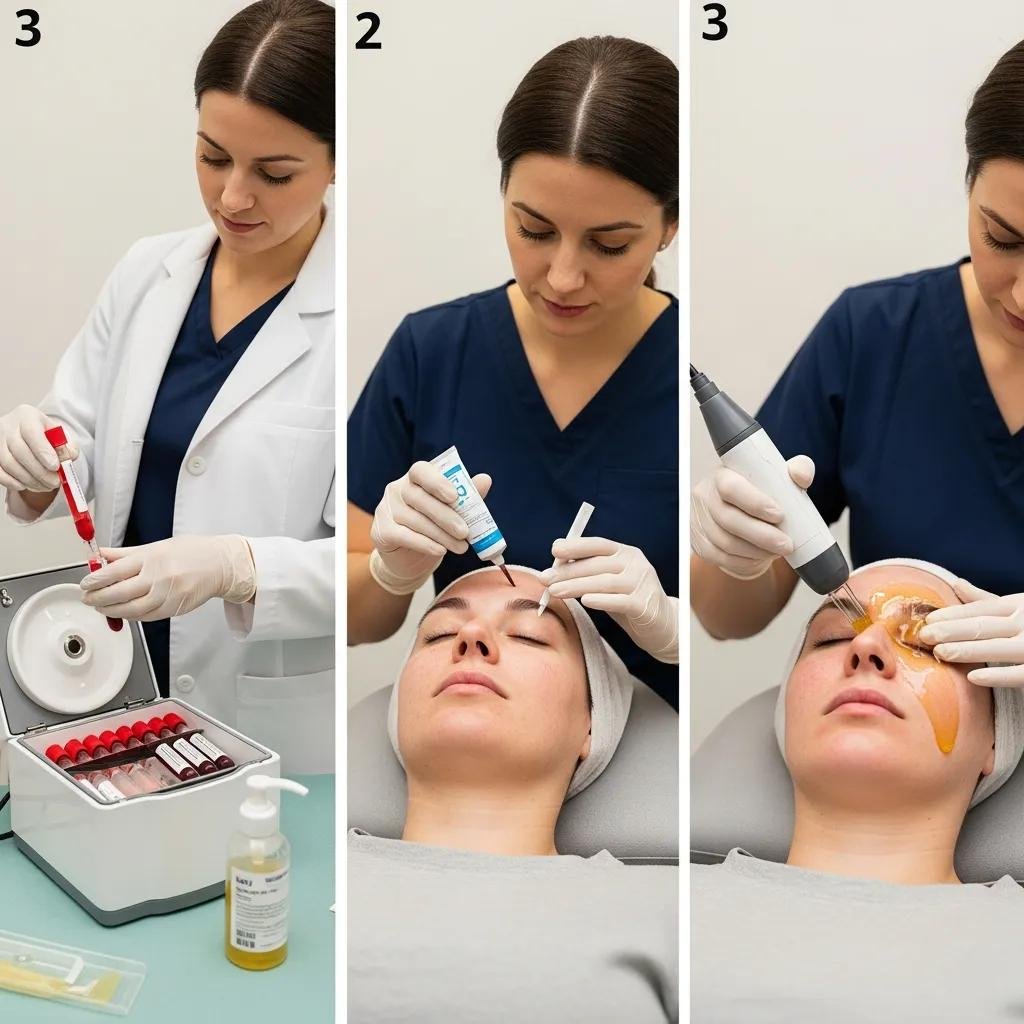
- Consult & consent: Review plan and obtain informed consent.
- Blood draw & centrifugation: A small autologous blood sample is spun to produce PRP or processed into PRF.
- Topical anesthesia: Numbing cream is applied to enhance comfort before needling.
- Microneedling passes: The device creates micro-channels; RF devices may be used for deeper remodeling.
- Application of PRP/PRF: Concentrated product is applied to enhance penetration and healing.
- Immediate aftercare: Soothing serums, sun protection, and recovery instructions provided.
How Much Does Microneedling with PRP and PRF Cost in Rockville, MD?
Typical cost for microneedling with PRP or PRF varies based on the biologic selected, whether RF energy is combined, provider expertise, and number of sessions required. In Rockville, session pricing often reflects device technology (RF microneedling commands a premium) and the use of autologous biologics; package deals or membership plans can lower the per-session cost. Shore MedSpa emphasizes personalized treatment plans overseen by board-certified dermatologist leadership, and prospective patients are encouraged to schedule a consultation to receive an individualized quote tailored to area size and treatment complexity.
- Procedural choices such as RF microneedling with PRP typically increase cost relative to traditional microneedling with PRF.
- Provider credentials—board-certified dermatologist oversight—can affect pricing due to specialized expertise.
- Session count and treatment area size are primary drivers of total program cost.
Patients should ask about packages (series of three or four treatments) and membership options that provide savings and priority scheduling during consultation.
Are there package deals or membership options available?
Many practices offer package structures to optimize value, such as series of three treatments or maintenance plans that reduce per-session expense. Packages commonly bundle pre- and post-care instructions, follow-up assessments, and scheduling conveniences that support consistent outcomes. When evaluating offers, ask whether the package includes device type, biologic (PRP vs PRF), and any follow-up visits so the total value is clear. Shore MedSpa’s approach highlights personalized plans and advanced technology under board-certified oversight to match patient goals with appropriate package options.
What factors influence the overall treatment cost?
Several variables influence cost, including device selection (RF vs manual microneedling), biologic choice (PRP vs PRF), practitioner credentials, number of sessions, and whether adjunctive treatments are used. Larger treatment areas and more intensive protocols require longer appointment times and higher resource use. Patients should request a personalized estimate that accounts for these factors rather than relying on a single price, ensuring clarity on expected outcomes and financial planning.