
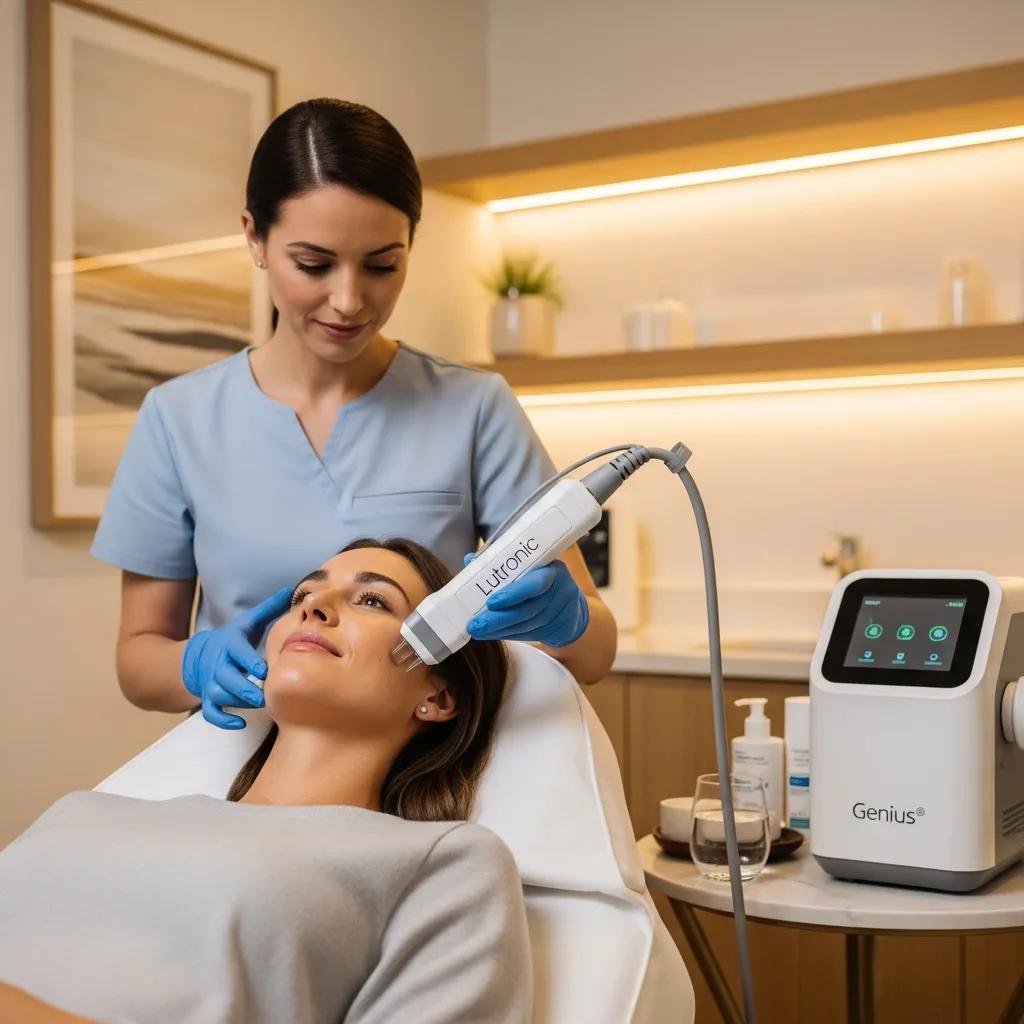
RF Microneedling Treatments in Rockville, MD: Effective Skin Rejuvenation and Acne Scar Solutions
RF microneedling combines controlled micro-injuries with radiofrequency energy to stimulate collagen and elastin production, producing measurable skin rejuvenation and improving acne scarring in many patients. This article explains how the treatment works, what targets respond best, and what to expect from the procedure when performed by experienced clinicians in Rockville, MD. Readers will learn the biological rationale behind collagen induction therapy, device-specific advantages associated with contemporary RF platforms, typical recovery timelines, and the main factors that influence cost and treatment planning. The guide also maps practical next steps for scheduling a consultation and interpreting before/after outcomes so you can make an informed decision about care. Throughout, relevant terms such as RF microneedling, collagen induction therapy, acne scar treatment Rockville, and Lutronic Genius® RF are used to clarify options and outcomes for local patients.
What is RF Microneedling and How Does It Work?
RF microneedling is a minimally invasive procedure that uses fine needles to create micro-channels while delivering radiofrequency energy into the dermis to accelerate collagen remodeling. The controlled injury plus volumetric heat prompts fibroblasts to produce new collagen and elastin, which improves texture and reduces scar depth. Typical clinical targets include atrophic acne scars, fine lines, enlarged pores, and mild skin laxity. Many providers in Rockville utilize precision RF platforms to tailor depth and energy to specific anatomic zones for safer, more consistent results.
RF microneedling’s combined mechanical and thermal mechanism supports predictable structural repair, which leads naturally into a closer look at collagen induction and device-specific benefits below.
- The treatment pairs microneedling with radiofrequency heat to stimulate deep dermal remodeling.
- Micro-injuries recruit fibroblasts; RF energy accelerates collagen I/III deposition.
- Precision depths and adjustable energy settings enable customization for scars, wrinkles, and laxity.
- Sessions are scheduled in a series to progressively build structural results with controlled downtime.
How Does Collagen Induction Therapy Improve Skin Texture?
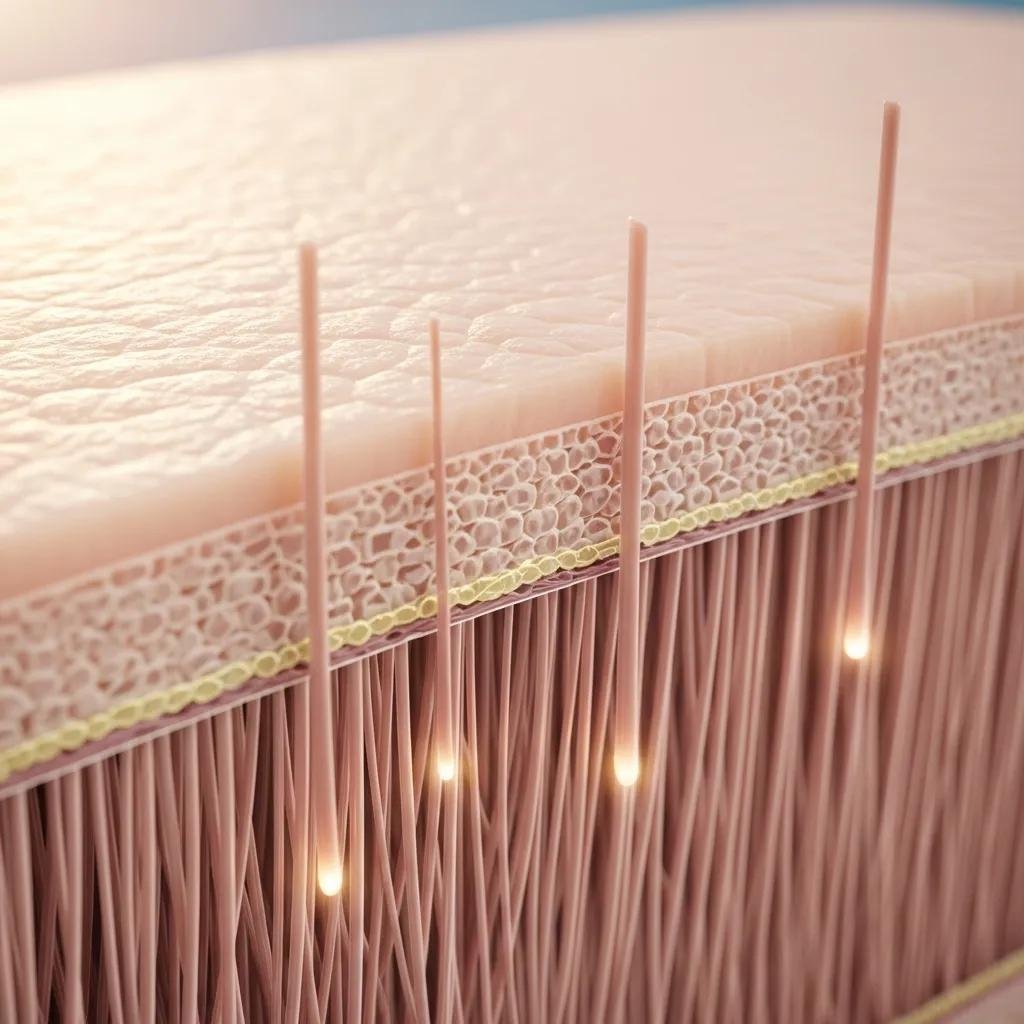
Collagen induction therapy (CIT) improves texture by creating regulated dermal micro-injury that activates a wound-healing cascade and fibroblast proliferation. The fibroblasts synthesize new collagen and reorganize existing fibers, gradually smoothing depressions and reducing pore visibility over weeks to months. Patients typically begin to see textural improvement within 4–8 weeks as early collagen maturation occurs, with continued gains up to six months after a treatment series. This predictable remodeling makes CIT particularly effective for rolling and boxcar acne scars that benefit from volumetric dermal filling.
These tissue changes explain why a planned series of treatments is recommended rather than a single session, which leads to considerations about device choice and safety.
What Role Does the Lutronic Genius® RF Device Play in Treatment?
Contemporary devices like the Lutronic Genius® RF offer adjustable needle depths and fractional radiofrequency delivery that increase procedural precision and safety. These features let clinicians titrate energy by treatment zone, reducing thermal spread while targeting deeper dermal layers where collagen synthesis most effectively alters contour. Precision control shortens recovery for many patients by limiting unnecessary surface trauma and tailoring sessions to individual scar morphology. As an example of clinical-grade RF microneedling, such platforms support reproducible outcomes when operated by trained practitioners.
Using a validated RF device enhances treatment customization and informs realistic expectations for downtime and improvement, which connects directly to the benefits discussed for local clinics below.
What Are the Benefits of RF Microneedling at Shore MedSpa in Rockville?
RF microneedling delivers several measurable benefits: improved skin texture, reduction in atrophic acne scars, diminished fine lines, and mild skin tightening through dermal remodeling. The treatment’s thermal component increases collagen synthesis beyond what manual needling alone achieves, producing firmer-feeling skin and smoother surface contours over time. Performed under physician oversight, treatment planning can be individualized to skin type, scar pattern, and tolerance to optimize safety and results for each patient.
Shore MedSpa & Bio Aesthetics in Rockville emphasizes personalized treatment plans led by a board-certified dermatologist using advanced RF platforms, which supports consistent, natural-appearing rejuvenation for appropriate candidates.
- Skin texture improvement: Stimulates dermal remodeling to smooth uneven surfaces.
- Acne scar reduction: Volumetric collagen production raises depressed scars.
- Skin tightening: RF-induced heat causes dermal contraction and firmer skin.
These benefits demonstrate why RF microneedling is preferred over conventional needling for certain indications and lead directly into a targeted comparison of common treatment outcomes in practice.
Introductory comparison of outcomes and expected sessions for common concerns:
| Concern | Mechanism Targeted | Typical Result & Sessions |
|---|---|---|
| Atrophic acne scars | Dermal collagen induction and remodeling | Noticeable improvement after 3–4 sessions; progressive smoothing |
| Fine lines / wrinkles | Dermal thickening and elastin support | Reduced depth and surface refinement after 2–3 sessions |
| Mild skin laxity | Collagen contraction + neocollagenesis | Improved firmness over 2–4 sessions, best with maintenance |
This table highlights how treatment goals map to mechanism and typical session counts, helping patients prioritize objectives before scheduling.
How Does RF Microneedling Address Acne Scars and Wrinkles?
RF microneedling improves acne scars by depositing collagen into the dermis where atrophic scars create depressions, effectively raising the scar base over successive treatments. Rolling and boxcar scars usually respond better than deep ice-pick scars, which may require adjunctive approaches for optimal correction. Wrinkle improvement results from increased dermal thickness and elastin support, which reduces crease depth and improves skin resilience. A typical course is three to four sessions spaced several weeks apart, with maintenance or combination strategies considered for advanced cases.
This targeted performance underpins the value of personalized planning and physician oversight, which is the focus of the next subsection.
Why Choose Personalized Treatment Plans Led by Dr. Ronald Shore?
Physician-led protocols ensure an assessment that considers scar morphology, skin type, and medical history before selecting energy settings and needle depths, reducing the risk of adverse effects and improving outcome predictability. Dr. Ronald Shore’s oversight supports integration of adjunctive options when appropriate and helps set realistic expectations for timeline and results. Personalization also enables safe treatment for a wider range of candidates by adjusting technique to pigmentation concerns and previous procedures. That clinical triage and tailored approach contributes directly to improved patient satisfaction and safety.
Physician involvement is particularly important when combining RF microneedling with other modalities or when treating complex scar patterns.
What Should You Expect During and After Your RF Microneedling Procedure?
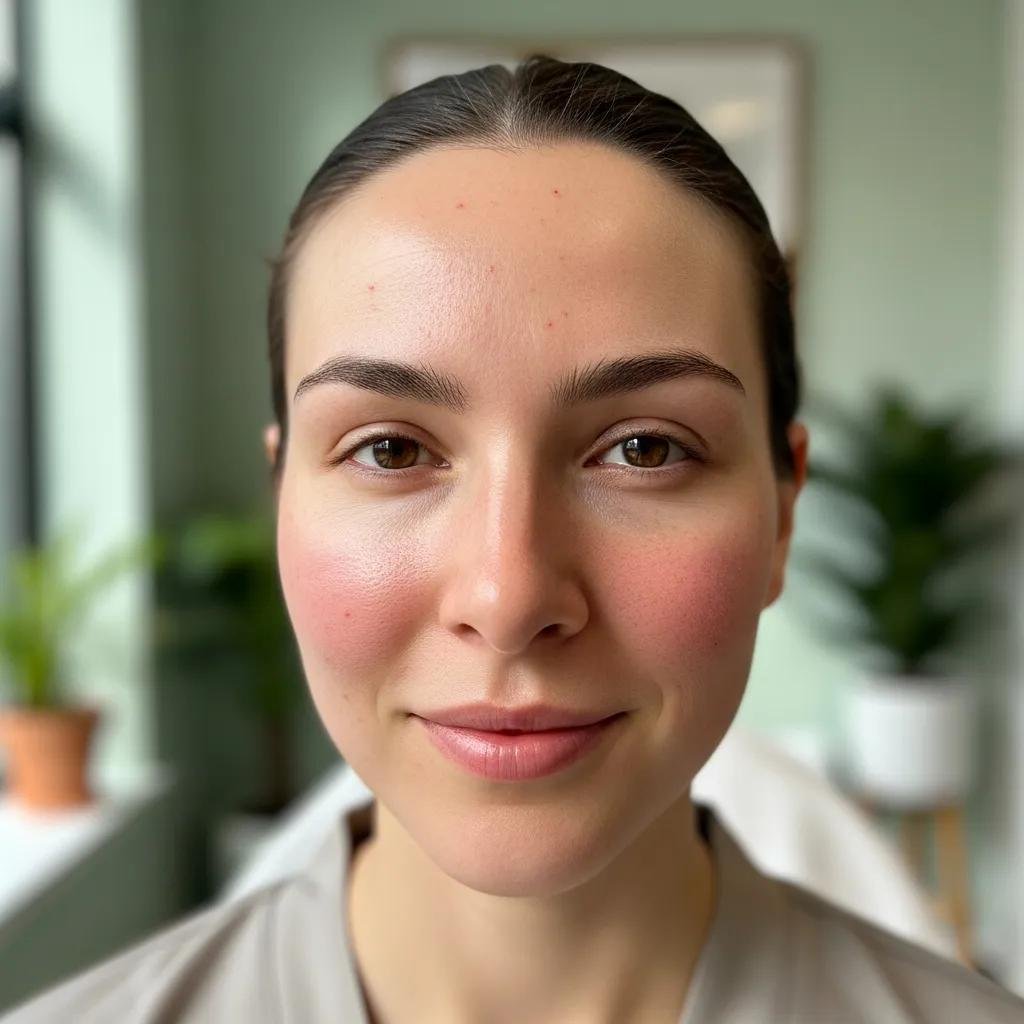
A typical RF microneedling pathway begins with a consultation and skin assessment, followed by topical numbing before treatment, sequential passes with controlled depth and energy, and detailed aftercare instructions to support healing. Immediate effects generally include erythema and mild swelling that resolve over a few days, while substantive remodeling appears over weeks to months. Most patients resume normal activities within 24–48 hours but should avoid direct sun and aggressive exfoliation while healing. Clinician-led protocols and before/after galleries help set expectations and demonstrate realistic timelines for change.
- Before: Clinical assessment, photos, expectation setting, topical anesthetic applied.
- During: Multiple passes with adjustable needle depth and RF energy; session typically 30–60 minutes.
- After: Redness and mild swelling 24–72 hours; gentle skin care and sun avoidance recommended.
These steps give a clear timeline for patients deciding whether to proceed and introduce the gallery review described next.
What Is the RF Microneedling Process and Recovery Like?
The procedure is performed after topical numbing and consists of controlled passes over the treatment area; patients feel pressure, warmth, and brief pricks rather than intense pain. Immediately after, skin appears pink to red with mild edema and micro-crusting in some cases, which typically subsides within 24–72 hours with proper care. Follow-up instructions emphasize gentle cleansing, broad-spectrum sun protection, and avoidance of active resurfacing products until the barrier heals. Visible remodeling develops over weeks, with most patients noting progressive improvement across the treatment series and into the following months.
This recovery profile helps patients plan downtime and aftercare, and it naturally leads into viewing real-case results for context.
Where Can You See Real Results: Before and After Gallery Highlights
Reviewing annotated before-and-after images helps patients evaluate realistic outcomes by focusing on consistent lighting, treatment zones, and timing between images rather than dramatic single-shot examples. Look for cases that match your primary concern—acne scars, texture, or laxity—and check the number of sessions and timelines noted in captions. Shore MedSpa’s gallery includes case examples that demonstrate incremental improvement and provides context for expected results during consultations. Asking to see similar skin types and scar patterns during a consult yields the most relevant perspective on potential outcomes.
Comparing annotated photos prepares patients to ask informed questions about expected improvements and individualized plans.
How Much Does RF Microneedling Cost in Rockville, MD?
RF microneedling pricing varies based on treatment area size, number of sessions, device and consumable costs, provider qualifications, and adjunctive therapies. Because these attributes change per plan, clinics typically offer personalized quotes after a clinical assessment rather than one-size-fits-all pricing. When budgeting, consider that a physician-led treatment with a high-precision RF device and sterile disposables will differ from a simpler manual needling session. To get an exact quote, schedule a consultation to review goals, anatomical sites, and recommended session counts.
Primary pricing factors to consider include:
- Treatment area size and complexity
- Number of sessions recommended to reach goals
- Provider credentials and device type chosen
These factors summarize the main drivers of cost and justify obtaining a tailored estimate from a qualified clinic.
| Driver | How It Affects Price | Notes |
|---|---|---|
| Treatment area | Larger zones increase time and consumables | Faces vs. neck/chest vary in cost |
| Session count | More sessions multiply total cost | Dependent on severity and desired outcome |
| Combination therapies | Adds cost but may reduce sessions | PRP or topical adjuncts increase effectiveness |
This table clarifies how practical attributes translate into pricing differences and supports budgeting before a formal consult.
What Factors Influence Microneedling Treatment Pricing?
Treatment pricing is influenced by the anatomical area, session frequency, device and disposable costs, and whether physician supervision or adjunctive modalities are included. Devices with advanced RF capabilities and single-use sterile tips typically raise the per-session cost but can improve safety and predictability. Provider expertise—particularly board-certified oversight—affects both price and the quality of planning and follow-up care. Discussing these specifics in consultation clarifies how each factor applies to your individual plan.
Understanding these drivers helps patients prioritize trade-offs between cost, convenience, and clinical outcomes.
How Can You Schedule a Personalized Consultation at Shore MedSpa?
To schedule a consultation at Shore MedSpa & Bio Aesthetics, call the clinic’s front desk at +1 (301) 901-7661 or visit the practice in person at 4701 Randolph Rd, #207-B, Rockville, MD 20852 to request an appointment. During the consultation, expect a medical assessment, discussion of Lutronic Genius® RF capabilities, recommended session counts, and a tentative cost estimate tailored to your goals. Bring a history of past skin treatments, current medications, and clear photos of your concerns to speed planning. The consult is the best way to receive a precise, written treatment plan and a personalized price quote.
Preparing this information ensures an efficient consultation and a clear next step toward treatment planning.