Meet Dr. Janine Shore: Your Functional Medicine Dermatologist in Rockville for Holistic Skin Health
Dr. Janine Shore combines a patient-centered approach with functional medicine perspectives to help people address the root causes of chronic skin issues and pursue long-term skin health. This article explains who she is, what functional medicine dermatology means in practice, which conditions respond well to a root-cause approach, and how a patient experience typically unfolds in Rockville. Many patients seek alternatives to symptom-only care because recurring acne, eczema, rosacea, and inflammatory aging are driven by internal factors like microbiome imbalance, hormones, and systemic inflammation. Functional dermatology aims to identify and treat those drivers through targeted assessment, nutrition and lifestyle interventions, and evidence-informed dermatologic therapies. Read on for a concise biography of Dr. Janine Shore, a clear definition of functional medicine dermatology, condition-specific management strategies, and a practical walkthrough of the consultation and personalized plan process. Throughout the article you will find actionable steps, comparison tables that map principles to benefits, and checklists designed to help you evaluate integrative skin health options in Rockville.
Who Is Dr. Janine Shore? Biography and Professional Journey
Dr. Janine Shore serves in leadership as CEO of Shore Dermatology and is active in community and charitable initiatives, including co-founding Delivering Cures 4 Cancer. Her professional focus blends administrative leadership with an interest in integrative and functional approaches to skin wellness, emphasizing personalized care and patient education. As part of a family practice legacy, the practice also notes Dr. Ronald Shore as founder and a board-certified dermatologist, which situates the clinic in a clinical and aesthetic continuum. This leadership background informs a clinic philosophy that prioritizes individualized treatment plans and modern technology while seeking to address internal contributors to skin conditions, a perspective that transitions naturally into a definition of functional medicine dermatology below.
What Are Dr. Janine Shore's Credentials and Expertise in Dermatology and Functional Medicine?
Dr. Janine Shore’s verifiable roles emphasize executive and program leadership rather than specific clinical credentials presented here, and those roles shape her approach to patient care. Her experience leading Shore Dermatology and co-founding Delivering Cures 4 Cancer suggests practical expertise in coordinating clinical services, patient pathways, and multidisciplinary initiatives. This operational and programmatic experience supports a patient-first philosophy that values personalized medicine, evidence-informed protocols, and coordinated care across medical dermatology, cosmetic procedures, and medical weight-loss services. Those organizational strengths translate into a clinical stance that integrates functional thinking—focusing on root causes like inflammation, gut health, and hormones—alongside conventional dermatologic therapies.
What Is Functional Medicine Dermatology and How Does It Benefit Skin Health?
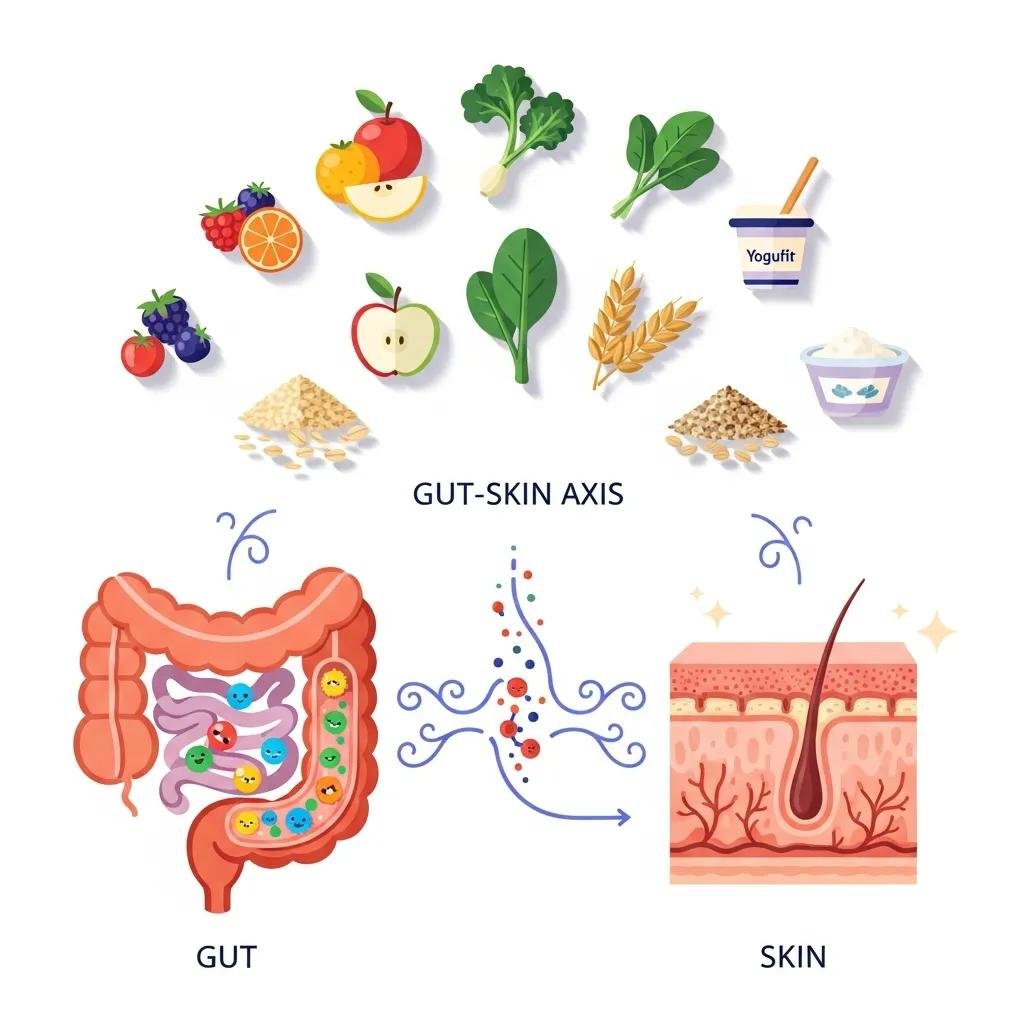
Functional medicine dermatology is an integrative approach that defines skin problems as outward signs of internal imbalances and then targets those underlying mechanisms to restore skin health. The mechanism centers on mapping contributors—such as the gut-skin axis, systemic inflammation, hormonal dysregulation, and the skin microbiome—to personalized interventions that combine nutrition, targeted supplements, lifestyle modification, and adjunctive dermatologic therapies. The primary benefits are improved long-term control of chronic conditions, fewer recurrences, and treatment plans tailored to the individual rather than a one-size-fits-all protocol. Recent studies emphasize the role of systemic inflammation and the microbiome in skin disease, supporting this shift toward root-cause evaluation and integrative management.
Different functional principles translate into measurable skin-health benefits in predictable ways.
| Functional Principle | Mechanism | Skin Health Benefit |
|---|---|---|
| Gut–Skin Axis | Microbiome modulation and reduced intestinal permeability | Lower systemic inflammation and improved barrier function |
| Inflammation Reduction | Nutritional and lifestyle anti-inflammatory strategies | Fewer flares and reduced lesion severity |
| Hormone Regulation | Endocrine assessment and targeted interventions | Better control of hormonal acne and oil production |
This table clarifies how underlying principles map to mechanisms and practical benefits, making choices easier for patients seeking an integrative path. Understanding these principles leads directly to the assessments and interventions clinicians use, which are described next.
How Does Functional Medicine Address Root Causes of Skin Conditions?
Functional medicine addresses root causes through systematic assessment and layered interventions that target the driver rather than only the symptom. Typical steps include a thorough clinical history focusing on diet, stress, and sleep; targeted laboratory testing for hormones, metabolic markers, and inflammation; and assessment of the microbiome when indicated. Interventions pair evidence-based dermatologic therapies with nutrition plans, targeted supplements, and lifestyle adjustments to reduce inflammation and rebalance internal systems. Expect gradual improvement over weeks to months, with iterative testing and plan adjustments to sustain gains and minimize recurrence.
Functional management proceeds in practical, stepwise fashion:
- Comprehensive Intake: Document diet, exposures, medication history, and symptom patterns.
- Targeted Testing: Use labs and specialized assessments to identify contributors such as hormonal imbalances or dysbiosis.
- Personalized Intervention: Combine topical/medical dermatology with tailored nutrition, supplements, and behavior changes.
- Monitoring and Adjustment: Reassess outcomes and refine the plan for durable results.
These steps create a roadmap from diagnosis to sustained skin improvement and naturally lead into how integrative care differs locally in Rockville.
What Makes Integrative Dermatology Different in Rockville, MD?
Integrative dermatology in Rockville emphasizes coordinated care and longer-term wellness compared with procedure-first clinics that focus primarily on isolated treatments. The difference lies in combining medical dermatology, cosmetic procedures when appropriate, and functional assessments such as dietary review and hormonal evaluation, producing plans that treat both skin manifestations and systemic contributors. Patients in this model typically experience a more collaborative care pathway: initial root-cause assessment, a blended treatment regimen, and scheduled follow-up to optimize adherence and outcomes. This patient-centered continuity fosters better long-term control and aligns with modern expectations for holistic skin health.
Which Skin Conditions Does Dr. Janine Shore Treat Using a Functional Medicine Approach?
Many chronic dermatologic conditions respond well when clinicians address internal drivers alongside topical and procedural care. Common conditions managed with a functional lens include acne, eczema (atopic dermatitis), psoriasis, and rosacea, each requiring a distinct mapping from root cause to intervention. The functional approach seeks to reduce flares, extend remission periods, and minimize reliance on long-term broad immunosuppression when safe alternatives or adjuncts are available. Below is a compact comparison that shows condition, common root causes, and typical functional interventions.
| Condition | Root Causes Addressed | Functional Approach & Interventions |
|---|---|---|
| Acne | Hormonal imbalance, microbiome, inflammation | Hormonal evaluation, low-inflammatory diet, targeted topicals |
| Eczema | Barrier dysfunction, systemic inflammation, dysbiosis | Barrier repair, anti-inflammatory diet, microbiome support |
| Psoriasis | Immune activation, metabolic triggers, stress | Immune-modulating strategies, lifestyle changes, adjunctive meds |
| Rosacea | Vascular reactivity, microbiome, triggers | Trigger identification, microbiome modulation, topical care |
This comparison clarifies how functional medicine maps root causes to tailored interventions and prepares patients for condition-specific strategies described next.
How Are Acne, Eczema, and Psoriasis Managed Holistically?
Holistic management mixes condition-specific medical treatments with interventions that address diet, inflammation, and barrier or immune function. For acne, clinicians evaluate hormones, recommend low-glycemic dietary patterns, and pair targeted topical or systemic agents as needed to reduce oil production and inflammation. For eczema, priority is barrier restoration and reducing systemic inflammation through nutrition and microbiome-supportive measures alongside topical care. For psoriasis, immune modulation through lifestyle and diet complements medical therapies to reduce lesion burden and improve quality of life. Practical patient tips include keeping a symptom-trigger journal, prioritizing anti-inflammatory foods, and following a consistent skincare routine.
What Role Do Gut Health and Hormonal Balance Play in Skin Wellness?
Gut health and hormonal balance are foundational to skin physiology because they influence systemic inflammation, immune signaling, and sebum production. The gut microbiome modulates immune responses and can either amplify or dampen skin inflammation; interventions like dietary fiber, prebiotics, probiotics, and targeted elimination diets can shift microbial balance. Hormonal imbalances—particularly androgenic activity—directly affect oil production and acne risk, making endocrine evaluation and lifestyle measures important. Common functional assessments include dietary analysis, basic hormone panels, and consideration of microbiome testing when clinically indicated, each informing a personalized intervention plan.
How Can You Experience Personalized Holistic Skin Care with Dr. Janine Shore in Rockville?
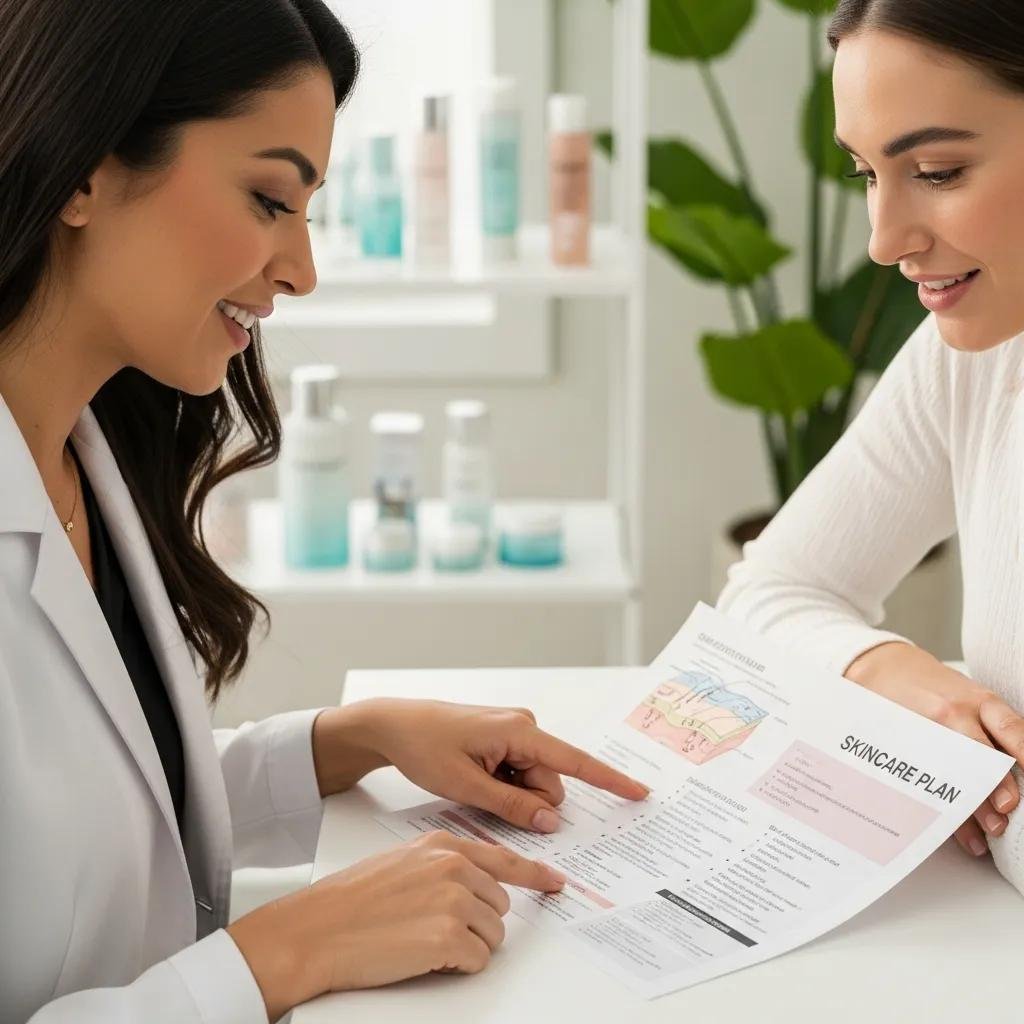
Patients typically enter a structured, stepwise pathway that begins with comprehensive intake and moves through targeted testing to a customized wellness plan and scheduled follow-up. The process is designed to integrate conventional dermatology with functional assessments, creating individualized roadmaps that address both external symptoms and internal drivers. At Shore Dermatology, this pathway is implemented through coordinated services that include medical dermatology, cosmetic procedures when appropriate, and medical weight-loss options—offering patients an integrated set of tools to pursue whole-person skin health. Below is a scannable table that explains consultation steps, tools, and expected outcomes during the patient journey.
| Consultation Step | Tool / Assessment | Patient Outcome / Next Step |
|---|---|---|
| Intake & History | Comprehensive review of systems and lifestyle | Identifies likely drivers and testing needs |
| Targeted Testing | Labs (hormones, inflammation), microbiome as indicated | Clarifies biochemical contributors to skin issues |
| Personalized Plan | Nutrition, supplements, topical/systemic therapies | Actionable regimen with measurable goals |
| Follow-up & Monitoring | Outcome tracking and plan refinement | Sustained improvement and iterative care |
This patient-journey table shows how each step produces specific outcomes and sets expectations for follow-up. The next subsection explains what a first visit typically looks like.
What to Expect During a Functional Dermatology Consultation?
A typical first visit includes a thorough history, focused physical exam, and an outline of targeted testing that may include labs or microbiome assessment depending on findings. The clinician then proposes an initial plan combining immediate symptom relief measures with medium-term interventions such as dietary changes, supplements, and any indicated dermatologic procedures. Patients receive a clear timeline for expected improvements and a schedule for follow-up to measure response and adjust the plan. This structured approach helps patients move from uncertainty to a concrete, monitored plan that addresses root causes and skin symptoms concurrently.
How Are Customized Wellness Plans Developed for Skin Health?
Customized plans are assembled by integrating clinical findings, test results, and patient preferences into a prioritized set of interventions that balance efficacy and tolerability. Core components often include dietary guidance to reduce inflammatory drivers, targeted supplements to address specific deficiencies or microbiome needs, and topical or systemic dermatologic therapies for active lesions. Progress is measured with objective markers, symptom tracking, and scheduled reassessments to refine the plan iteratively. For patients interested in integrated services, Shore Dermatology offers coordinated implementation of these elements within its broader medical dermatology and aesthetic service offerings, and patients can inquire about appointments and program details directly through the practice.
- The article has described who Dr. Janine Shore is, what functional medicine dermatology entails, and how common conditions are managed with root-cause strategies.
- It provided practical steps for consultation and service integration in Rockville, and it included tables and lists to support decision-making.
- If you are evaluating holistic dermatology options, use the checklists and consult pathways above to prepare for a productive first visit.