Med Spa vs. Day Spa: Key Differences Explained for Informed Spa Choices
Choosing between a med spa and a day spa starts with a clear distinction: med spas deliver medical-grade aesthetic and body treatments under clinical oversight, while day spas focus on relaxation, surface-level beauty, and sensory experiences. This article explains those differences so you can match your goals—longer-lasting clinical change versus immediate pampering—with the right provider. You will learn what defines a med spa, which medical technologies and provider credentials matter, how day spas operate, and a side-by-side comparison of outcomes, costs, and recovery. The guide closes with a practical decision checklist that helps you decide when to seek medical supervision for skin or body concerns and when a day spa is the better fit. Throughout, we use common search terms like med spa vs day spa, medical-grade skincare, and dermatologist-led med spa to help you find precise answers and next steps.
What Defines a Med Spa and Its Medical-Grade Services?
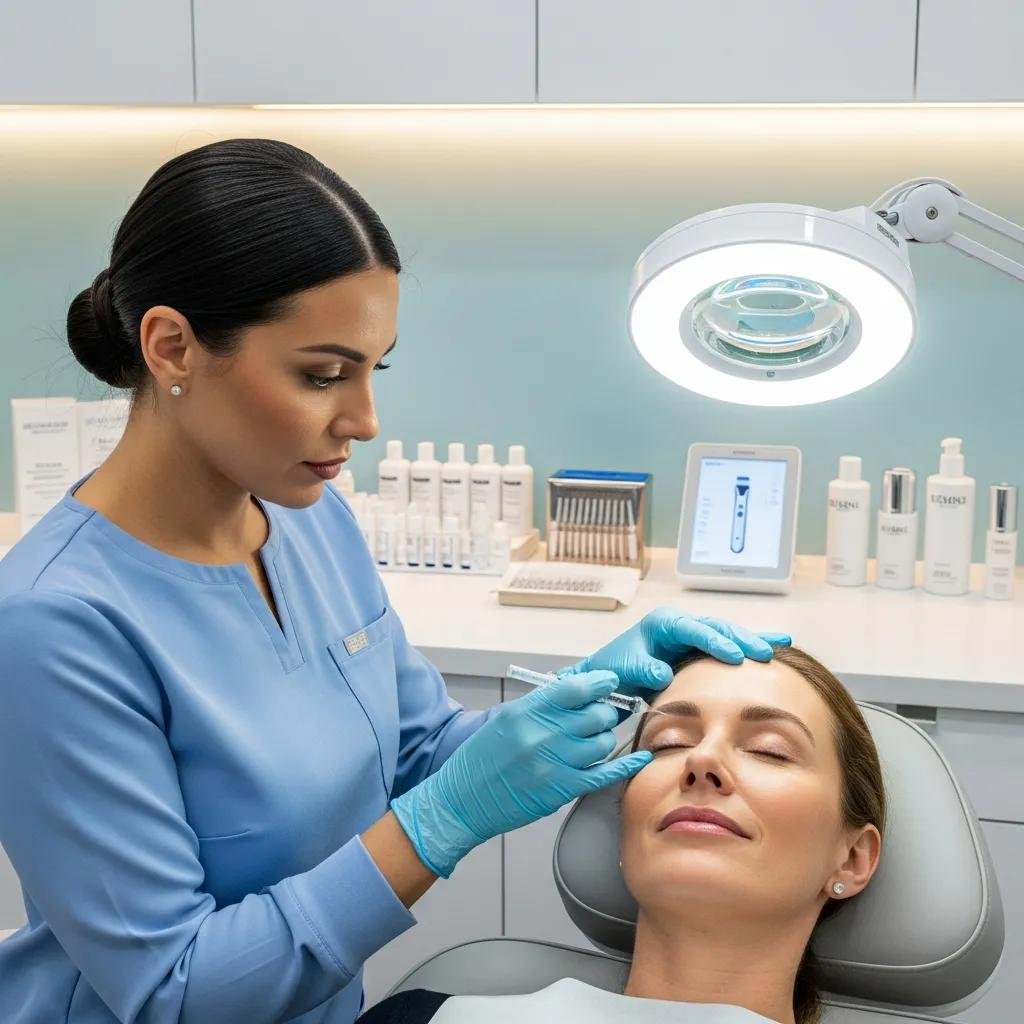
A med spa is a health-and-beauty business that delivers medical aesthetic treatments under licensed clinical oversight to treat skin, aging, and body-contouring concerns. Medical supervision enables use of prescription products, advanced lasers, injectables, and device-based therapies that aim for longer-lasting, measurable improvements rather than temporary surface results. The typical value is durable aesthetic change with clinician-guided safety protocols, informed consent, and tailored treatment plans. Understanding the scope of med spa services clarifies why provider credentials and device selection matter; the next subsection catalogs the common treatments and what they target.
Med spa medical-grade services commonly include the following:
- Botox injections to relax dynamic facial lines and reduce expression wrinkles.
- Dermal fillers to restore volume and contour facial structures for longer-lasting lift.
- Laser treatments (Er:YAG, IPL, laser hair removal, tattoo removal) to resurface, correct pigment, and remove unwanted hair or ink.
- RF microneedling and chemical peels to stimulate collagen, improve texture, and treat acne scarring.
- Non-invasive body contouring like SculpSure and medically supervised weight loss programs for targeted fat reduction and metabolic support.
This roster shows how med spa interventions address deeper structural or physiological issues that surface-focused services do not, which leads into a compact EAV table describing common med spa offerings.
Med spa offerings and what to expect:
| Treatment | What It Treats | Provider Type Required | Typical Downtime | Typical Longevity |
|---|---|---|---|---|
| Botox | Dynamic wrinkles (forehead, crow’s feet) | MD, RN or PA under physician oversight | Minimal, possible transient bruising | 3–4 months |
| Dermal Fillers | Volume loss, nasolabial folds, lip/enhancement | MD, RN, PA with injector training | Mild swelling/bruising 1–7 days | 6–18 months depending on product |
| Laser resurfacing (Er:YAG) | Photoaging, texture, pigmentation | Physician-led or supervised clinician | Several days to 2 weeks | Months to years with maintenance |
| RF Microneedling | Texture, acne scars, collagen stimulation | Supervised clinical provider | 2–5 days | 6–12 months+ with series |
| SculpSure (body contouring) | Localized fat pockets | Clinician-administered | Minimal | Months (permanent fat cell reduction) |
| Medically supervised weight loss | Metabolic/weight management | Physician-directed program | Varies | Ongoing with adherence |
This table highlights why clinical training and devices are integral to med spa outcomes and safety, and it transitions to how those clinicians are credentialed.
What medical treatments and technologies are offered at a Med Spa?
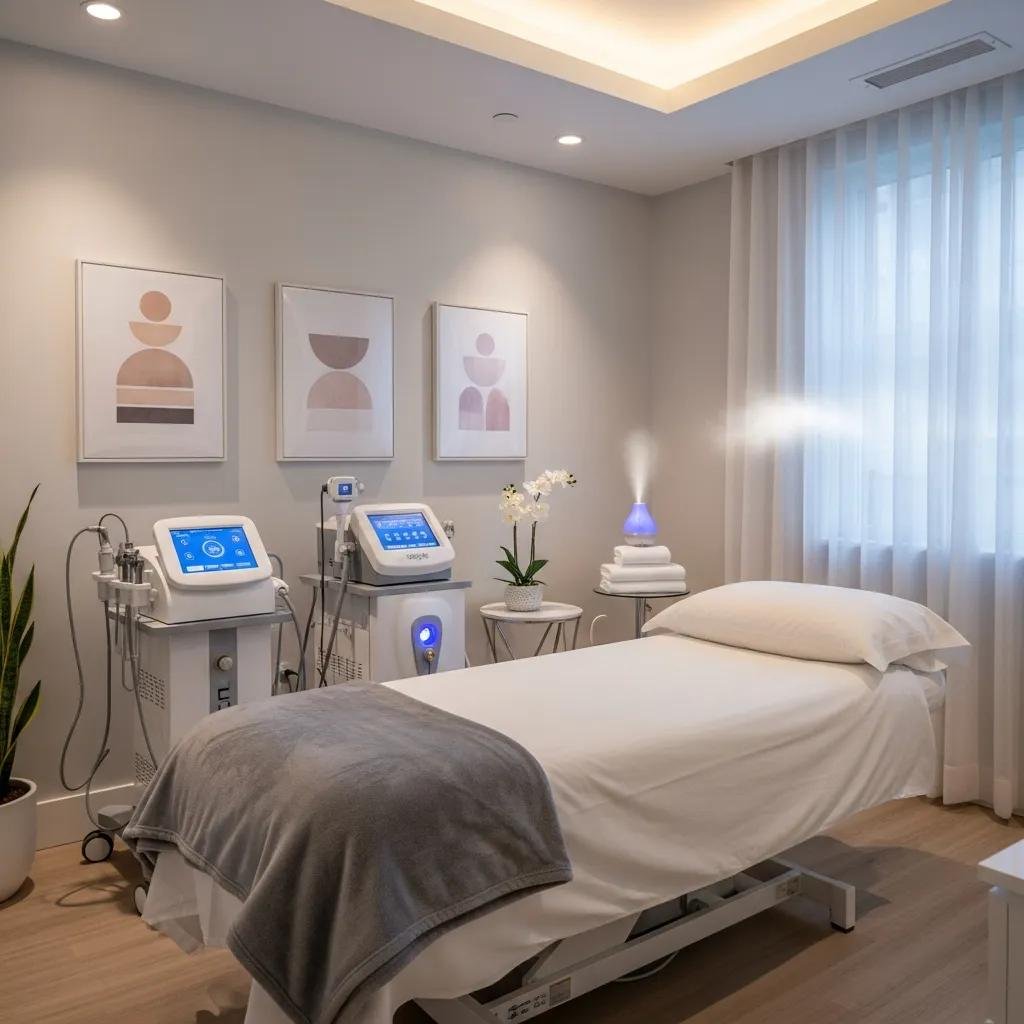
Med spas use a mix of injectables, energy devices, and physician-prescribed interventions to treat structural skin issues and body composition. Botox reduces muscle-driven lines by blocking nerve signals that cause contraction, while dermal fillers replace soft-tissue volume lost to aging to restore contours. Laser systems such as Er:YAG and IPL target pigment, vascular concerns, and texture by delivering controlled light energy to specific skin layers. RF microneedling uses heat and micro-injury to stimulate collagen remodeling for scars and laxity. Body-contouring tools like SculpSure apply targeted thermal energy to reduce subcutaneous fat non-invasively. These device-and-product pairings define the med spa’s capability to produce clinical results, and they require trained clinicians to select and tailor therapies safely.
How does medical supervision and staff qualifications impact Med Spa treatments?
Medical supervision ensures individualized treatment planning, appropriate patient selection, and the ability to manage complications should they occur. Med spas typically operate under a medical director—often a physician—who establishes protocols; a board-certified dermatologist serving in that role brings specialized knowledge of skin pathology and cosmetic procedures. Registered nurses and physician assistants commonly perform or assist with treatments under this oversight, delivering injectables and device therapies after training. Credentials matter because the choice of provider affects dosing, technique, and complication management, improving both safety and outcome predictability. Clear clinical governance also supports informed consent and follow-up care, which distinguishes med spas from non-medical service providers.
What Characterizes a Day Spa and Its Relaxation-Focused Services?
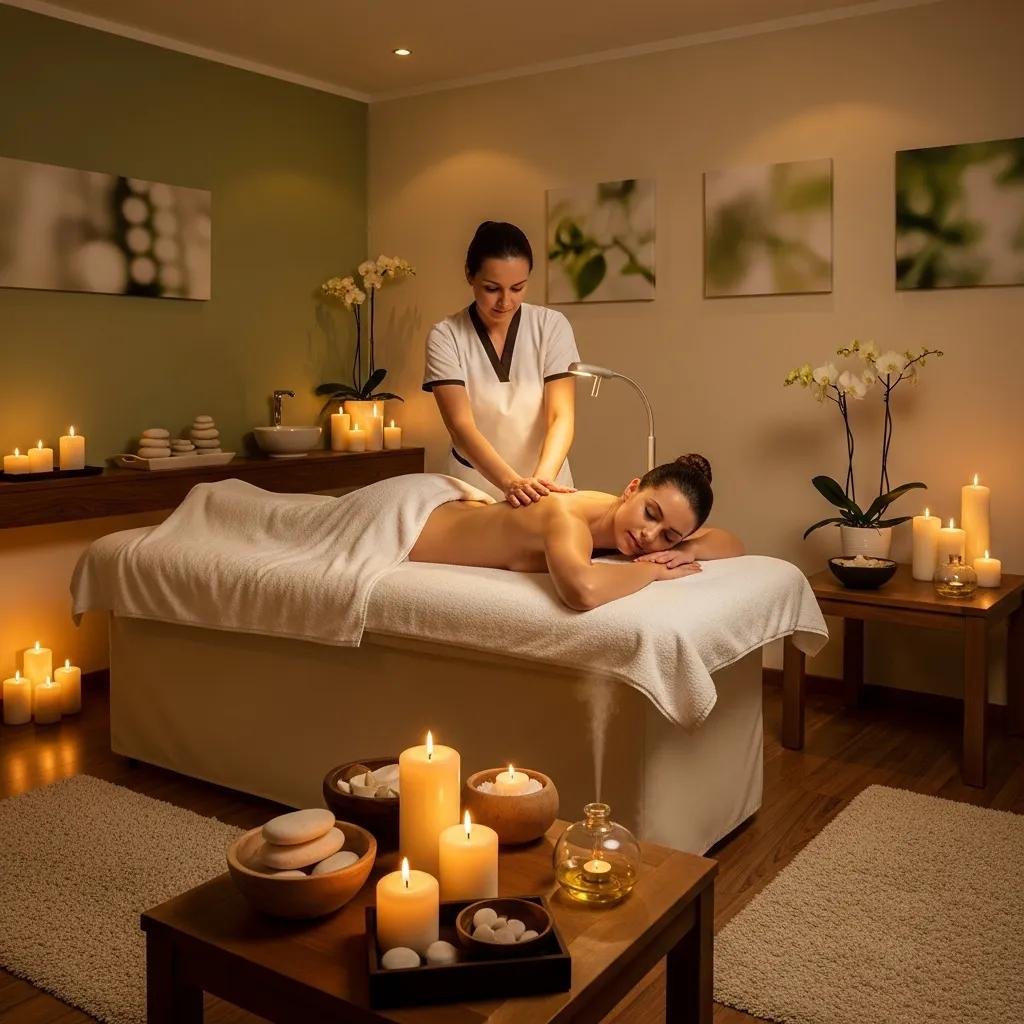
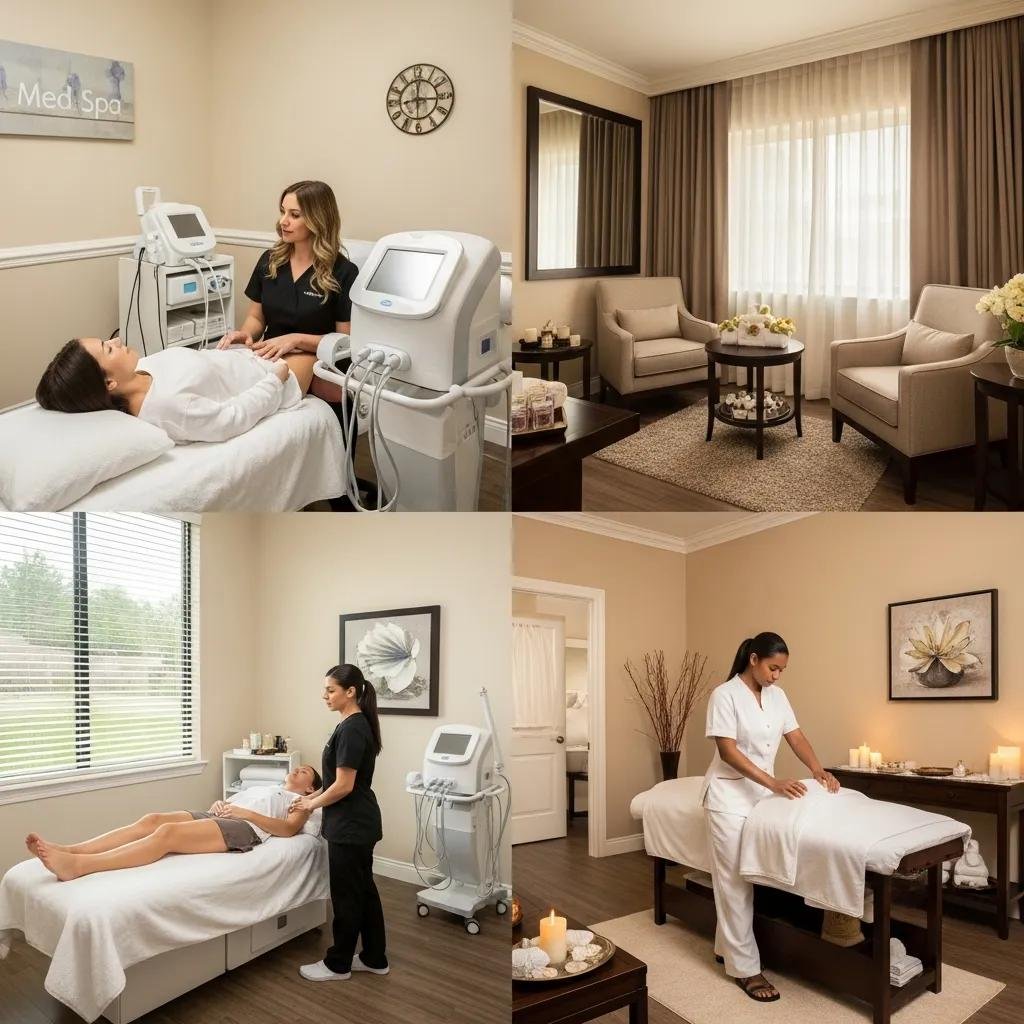
A day spa is a wellness spa focused on sensory relaxation, topical grooming, and immediate feel-good benefits rather than medical correction. The emphasis is on experiential services—massage, traditional facials, nail care, and body treatments—that promote stress relief, improved surface hydration, and temporary aesthetic refreshes. Day spas use topical cosmetics, manual techniques, and noninvasive equipment limited to low-risk modalities that licensed aestheticians and massage therapists can provide. Since the goals are experiential and short-term, regulatory scope and staff qualifications differ significantly from medical settings. The next subsection lists typical day spa services with their immediate benefits.
Common day spa treatments and immediate goals:
- Massage (Swedish, deep tissue, hot stone): Relieves muscle tension, promotes relaxation, improves circulation.
- Traditional facials: Cleanse, exfoliate, and hydrate the skin for a refreshed appearance.
- Manicures and pedicures: Nail grooming and cosmetic finish for cosmetic confidence.
- Body wraps and scrubs: Immediate smoothing and temporary skin glow.
These services provide quick, visible pampering effects that suit stress relief and event preparation, which contrasts with med spa objectives and leads into a comparison of staff credentials.
Which traditional beauty and relaxation treatments are typical at a Day Spa?
Day spa offerings center on touch-based and topical services designed to reduce stress and improve surface appearance. Massage therapy varieties promote relaxation and muscular release through manual techniques, while facials focus on cleansing, exfoliation, and hydration for an immediate glow. Nail services and waxing or non-medical hair removal deliver cosmetic grooming for events or self-care. Body massages and wraps provide tactile relaxation and temporary skin smoothing rather than structural change. These treatments are ideal when your primary aim is short-term relaxation or a quick skin refresh before a special occasion.
What qualifications do Day Spa staff have and how do they differ from Med Spa professionals?
Day spa staff typically include licensed aestheticians and certified massage therapists whose training emphasizes skin care basics, product use, and hands-on modalities within a non-medical scope. Their licenses allow for facials, superficial chemical exfoliation within regulatory limits, and massage techniques, but not prescription treatments, invasive procedures, or medical-grade lasers. When clients present conditions beyond surface care—such as persistent acne scars, unexplained lesions, or significant laxity—day spa professionals should refer patients to medical providers. This referral boundary underscores why credential differences matter for safety and appropriate treatment selection.
How Do Med Spa and Day Spa Services Compare Side-by-Side?
Comparing med spas and day spas highlights differences in treatment intent, technology, staff, expected result longevity, and typical costs. Med spas aim for clinical improvements using physician-supervised injectables, prescription regimens, and lasers; day spas prioritize relaxation and temporary cosmetic enhancements with manual therapies and topical products. The following EAV-style comparison maps service type to staff qualifications, technology, session length, typical cost range, and intended result to make contrasts concrete and actionable.
Service comparison across med spa vs day spa:
| Service Type | Typical Staff Qualification | Technology Used | Typical Session Length | Typical Cost Range | Intended Result |
|---|---|---|---|---|---|
| Med Spa (example: Shore MedSpa & Bio Aesthetics) | Board-certified dermatologist oversight, RNs/PAs | Lasers (Er:YAG, IPL), injectables, RF microneedling, SculpSure | 30–90 minutes depending on procedure | Typical med spa visit averages $500–$700 | Durable aesthetic/clinical improvement |
| Day Spa | Licensed aestheticians, massage therapists | Hands-on techniques, topical devices | 30–90 minutes | Lower single-service prices, variable | Immediate relaxation, temporary surface results |
| Hybrid (light device use) | Aesthetician with supervision | Low-energy IPL/LED, non-prescription tools | 30–60 minutes | Mid-range | Enhanced surface appearance, minimal downtime |
This table clarifies how staff and technology drive costs and outcomes; the next subsection summarizes key differences in goals and results.
What are the key differences in treatment goals, technology, and expected results?
Med spas prioritize long-term clinical outcomes—reducing deep wrinkles, correcting photoaging, and contouring body shape—using stronger technologies and prescription products. Day spas prioritize immediate relaxation and surface appearance, using manual therapies and over-the-counter topical products. Technology intensity differs: med spas use lasers, RF microneedling, and energy-based body contouring, whereas day spas rely on massage tools and cosmetic-grade exfoliation. Expected longevity follows: med spa results can persist months to years with maintenance, while day spa effects are short-term, often lasting days to weeks. Recognizing these divergent goals helps determine which venue aligns with a client’s objectives.
How do costs and treatment durations differ between Med Spas and Day Spas?
Cost drivers include device expense, clinician time, and regulatory overhead. Med spa procedures typically command higher prices because of specialized equipment, medical staff, and individualized treatment planning; average med spa visits often fall in the $500–$700 range for combined services or device sessions. Day spa visits are generally lower per service, reflecting manual labor and non-prescription products. Session durations overlap—many treatments range from 30 to 90 minutes—but med spa sessions sometimes require additional pre- or post-procedure visits for assessment and follow-up. Understanding these differences informs budget and time expectations when selecting a provider.
How to Choose Between a Med Spa and a Day Spa for Your Needs?
Choosing the right provider depends on your goals, medical history, downtime tolerance, and desired result longevity. If your primary objective is medical-grade correction of skin texture, volume loss, scarring, or targeted fat reduction, a med spa with physician oversight is most appropriate. If you want stress relief, immediate skin refresh, or cosmetic pampering before an event with minimal downtime and lower cost, a day spa is likely the better fit. Below is a short decision checklist to guide that choice.
When to choose med spa vs day spa—decision checklist:
- Choose a med spa: If you need injectables, laser resurfacing, body contouring, or medically supervised weight loss.
- Choose a day spa: If your goal is relaxation, massage, a hydrating facial, or quick cosmetic grooming before an event.
- Consider medical oversight: If you have chronic skin conditions, a history of scarring, or take medications that affect healing, prefer a med spa.
- Weigh downtime and cost: If you cannot accept recovery time or higher expense, day spa services offer low-cost, low-downtime options.
This checklist helps match goals to venue, and the next subsection offers specific scenarios that favor med spa treatment.
When is a Med Spa the ideal choice for skin and body concerns?
Opt for a med spa when structural or physiological issues require clinician-guided intervention—persistent acne scarring, significant photoaging, deep wrinkles, localized fat pockets, or when prescription-strength treatments are needed. Med spas provide comprehensive assessment, treatment sequencing (for example combining lasers with topical medical regimens), and monitoring for complications. Expect pre-treatment evaluation and a personalized plan that balances efficacy and safety. Medical-grade strategies aim for measurable, long-term improvement rather than transient cosmetic changes.
When should you opt for a Day Spa for relaxation and temporary beauty?
Choose a day spa when your goal is stress reduction, a visible but temporary skin refresh, or event-focused grooming that requires minimal recovery. Day spas excel at massage therapies for tension relief, facials that improve hydration and glow, and nail or waxing services for cosmetic prep. These options are cost-effective, typically require no medical clearance, and let you return to normal activities immediately. For short-term well-being and pampering, the day spa remains a reliable choice.
For readers in Rockville, MD seeking medically supervised aesthetic care, Shore MedSpa & Bio Aesthetics is an example of a dermatologist-led med spa; the practice lists services such as Botox, dermal fillers, lasers (Er:YAG, RF microneedling, IPL, laser hair removal, tattoo removal), chemical peels, SculpSure body contouring, and medically supervised weight loss programs, and is led by board-certified dermatologist Dr. Ronald Shore. Contact details include a local Rockville presence and phone number +1 (301) 901-7661 for those who require clinical-grade evaluation and tailored treatment plans.