Med Spa Services in Twinbrook, MD: Expert Treatments for Skin Rejuvenation and Wellness
Med spa services in and around Twinbrook, MD blend cosmetic dermatology and aesthetic treatments to improve skin health, reduce signs of aging, and support overall wellness. This guide explains the common service categories available to Twinbrook residents and nearby communities, outlines how each approach works, and clarifies what to expect before, during, and after procedures. Many patients seek injectables, laser and light treatments, microneedling and chemical peels, non-surgical body contouring, and medically supervised weight loss programs to achieve measurable, natural-looking results. This article will describe those treatment categories, compare popular options and timelines, and offer practical preparation and aftercare advice so you can choose safe, effective care. Throughout, we highlight why clinician oversight, treatment sequencing, and appropriate technology matter for outcomes. By the end you’ll understand treatment mechanisms, candidacy considerations, and how to evaluate providers near Twinbrook for safe skin rejuvenation and wellness.
What Med Spa Services Are Available Near Twinbrook, MD?
Med spa services near Twinbrook cover several focused categories that address lines, volume loss, skin texture, pigmentation, and localized fat reduction. These treatments combine procedural techniques and device-based therapies that stimulate collagen, remodel tissue, or alter cellular signaling to produce visible improvement in weeks to months. Popular categories include neuromodulators and fillers for dynamic lines and volume, light- and laser-based resurfacing for texture and pigment, microneedling and chemical peels for collagen induction, non-surgical body contouring for stubborn fat pockets, and medically supervised weight-management programs. Below is a concise comparison to help readers scan options by common target and expected benefit.
| Service Category | Typical Target Areas | Typical Benefit / Time-to-Result |
|---|---|---|
| Injectables (Botox, dermal fillers, Sculptra) | Forehead, glabella, perioral, midface | Smoother lines in days to weeks; volumization over weeks–months |
| Laser & IPL therapies | Texture, pigmentation, vascular lesions, hair | Improved tone/clarity after 1–4 sessions; variable downtime |
| Microneedling & Chemical Peels | Fine lines, acne scars, surface texture | Collagen stimulation with progressive improvement over weeks |
| Body Contouring (e.g., SculpSure) | Abdomen, flanks, submental area | Fat reduction apparent in 6–12 weeks after treatment |
This overview shows the spectrum of med spa care available to Twinbrook-area patients and how different modalities map to common concerns. For local examples, Rockville-based practices provide many of these services under medical oversight; some clinics combine assessments, personalized plans, and device-based therapy to align treatment sequencing with patient goals.
Which Injectables Like Botox and Fillers Are Offered in Twinbrook?
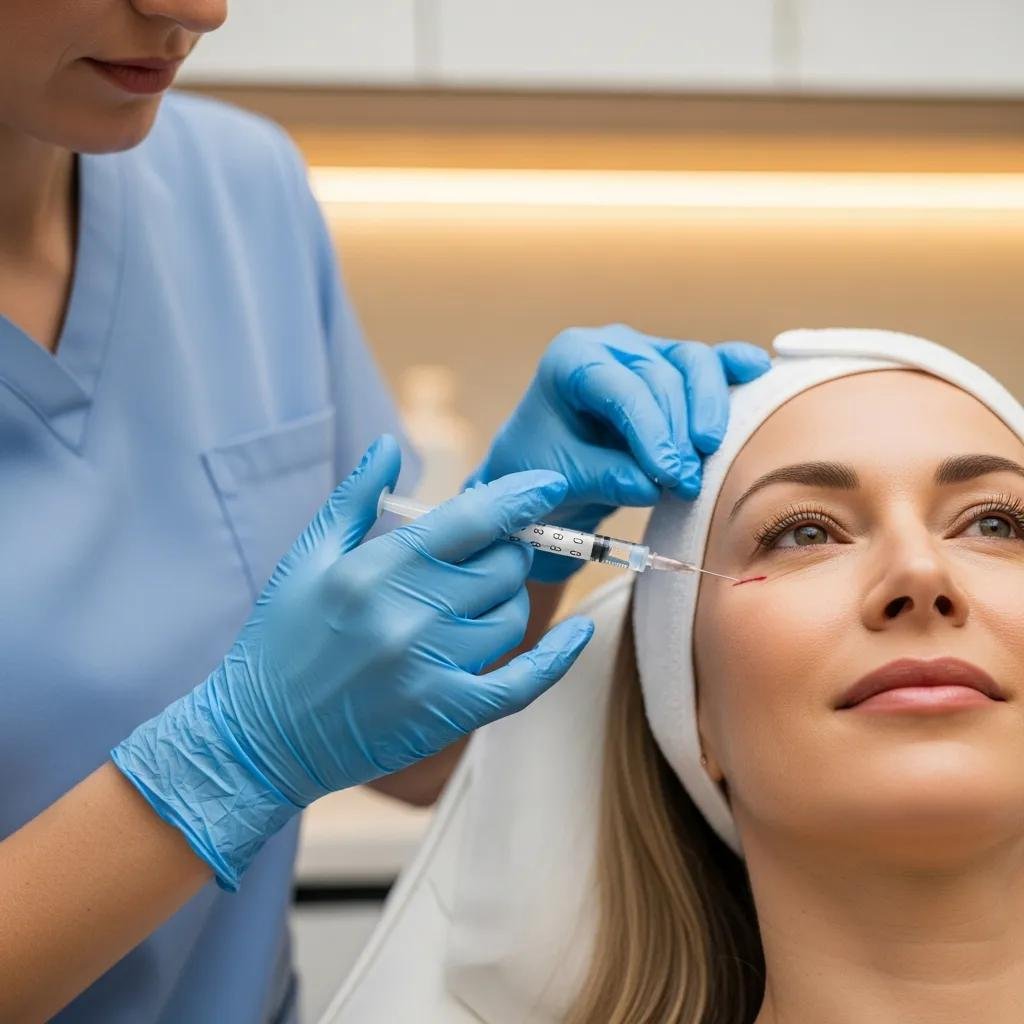
Injectables fall into two functional groups: neuromodulators that relax targeted muscles and volumizing fillers that restore lost tissue volume. Neuromodulators such as Botox reduce dynamic wrinkles by temporarily inhibiting muscle contraction, producing visible softening in days with peak effects around two weeks. Dermal fillers, including hyaluronic acid products and collagen stimulators like Sculptra, add immediate volume or induce gradual collagen formation with results lasting months to years depending on the agent. Candidates choose injectables based on targeted areas—forehead and glabella for lines, cheeks and nasolabial folds for volume—and on desired longevity and reversibility. Safety is improved when an experienced clinician maps anatomy, uses conservative dosing, and plans follow-up to refine outcomes.
What Laser Skin Treatments Can Improve Your Complexion?
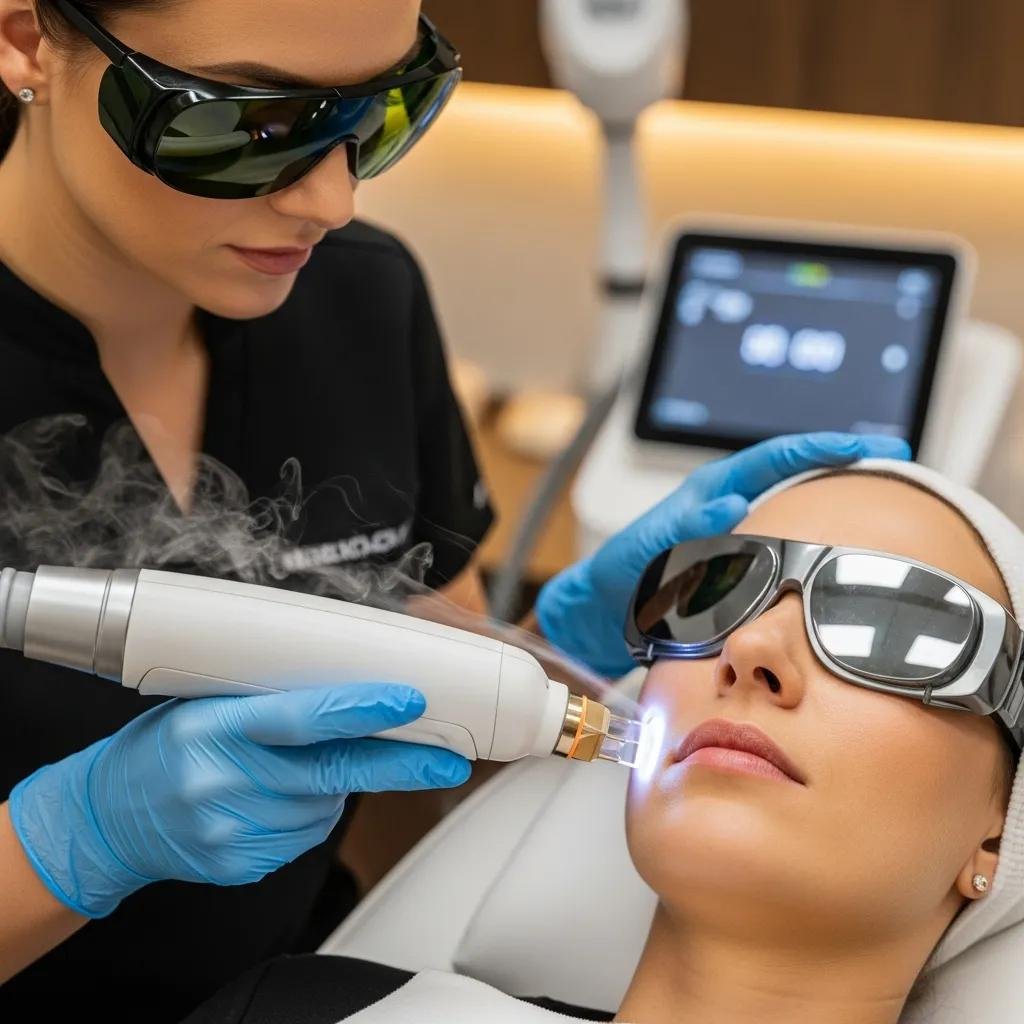
Laser and light-based treatments use focused energy to target pigment, vascular lesions, texture, and hair by creating controlled micro-injury or photothermal effects that stimulate repair. Fractional resurfacing and Er-YAG lasers remove damaged surface layers to improve texture and scars but often require more downtime, while IPL photofacial targets pigment and redness with minimal recovery and multiple sessions. Picosecond and fractional devices are useful for tattoo removal and pigment fragmentation with staged treatments. Choice of device depends on concern, skin type, and tolerance for downtime; a clinician will tailor energy settings and session frequency to balance efficacy and safety. Consulting a qualified provider helps determine the best modality for individualized skin goals.
How Does Medical Weight Loss Support Wellness in Twinbrook Med Spas?
Medically supervised weight-loss programs in med spa settings combine clinician assessment, prescription therapies, and lifestyle counseling to achieve sustained metabolic improvement and weight reduction. These programs differ from commercial diets because they use prescription medications, regular monitoring, and clinical oversight to manage safety and adapt treatment. Common pharmacologic options in current practice include GLP-1 and dual-agonist agents that reduce appetite and modify metabolic signaling; they are prescribed as part of a structured program with follow-up, labs, and behavioral support. The table below compares high-level attributes to help patients understand differences between typical program options.
| Medication / Program | Mechanism | Supervision & Expected Outcomes |
|---|---|---|
| Semaglutide program | GLP-1 receptor agonist; appetite suppression | Clinician-monitored plan with weight reduction over months |
| Tirzepatide program | Dual GIP/GLP-1 agonist; enhanced metabolic effects | Medical supervision with progressive metabolic improvements |
| Multimodal weight plan | Medication + counseling + monitoring | Combines pharmacology with lifestyle change for durability |
These programs prioritize safety through initial assessment, dose titration under clinical guidance, and ongoing monitoring of metabolic markers and side effects. As examples of local offerings, some Rockville-area med spa providers integrate Semaglutide and Tirzepatide programs alongside lifestyle support to deliver measurable weight-loss outcomes while ensuring medical oversight and follow-up.
What Are the Benefits of Semaglutide and Tirzepatide Weight Loss Programs?
Semaglutide and tirzepatide support weight loss primarily by regulating appetite and improving metabolic control, which often leads to meaningful reductions in body weight and improved glycemic markers. Semaglutide acts on GLP-1 pathways to reduce hunger and slow gastric emptying, while tirzepatide combines GIP and GLP-1 activity for enhanced metabolic signaling. Patients commonly experience progressive weight loss over weeks to months when therapy is combined with nutrition counseling and activity plans. Safety monitoring and individualized assessment are essential because response, tolerability, and contraindications vary; clinicians adjust treatment components to optimize benefits and minimize adverse effects.
Who Is an Ideal Candidate for Medical Weight Loss Services?
Ideal candidates for medically supervised weight-loss programs generally include adults with overweight or obesity and those with weight-related comorbidities who have not achieved sufficient results through lifestyle measures alone. Clinicians screen for medical history, concomitant medications, and contraindications to GLP-1 or dual-agonist therapies before initiating treatment. Candidates should be willing to engage in regular follow-up visits, adhere to recommended lifestyle adjustments, and undergo periodic monitoring of labs and symptoms. Individualized assessment ensures that treatment selection, safety checks, and realistic expectations are aligned with the patient’s health profile and goals.
Why Choose a Board-Certified Dermatologist for Med Spa Treatments in Twinbrook?
Board-certified dermatologists bring medical training to aesthetic care, combining diagnostic expertise with procedural skills to increase safety and treatment precision. Dermatologist oversight matters because skin conditions often require differential diagnosis, appropriate device selection, and management of complications that can arise from invasive or energy-based therapies. Benefits of board-certified oversight include accurate diagnosis, evidence-based treatment planning, and the ability to manage adverse events promptly and effectively. For example, Rockville-based practices led by board-certified dermatologists provide integrated cosmetic dermatology and med spa services to ensure clinical rigor alongside aesthetic goals.
How Does Personalized Care Enhance Skin Rejuvenation Results?
Personalized care begins with a thorough assessment of skin type, history, and cosmetic goals, then sequences treatments to maximize benefit while minimizing risk. By combining therapies—such as a series of peels followed by maintenance microneedling and tailored home-care—clinicians can produce synergistic collagen stimulation and long-term improvement. Individualization also addresses timing, recovery tolerance, and concurrent medical conditions that affect outcomes. Follow-up visits allow adjustments in technique or product selection, which improves durability and reduces the chance of over- or under-treatment.
What Advanced Technologies Are Used for Safe and Natural Outcomes?
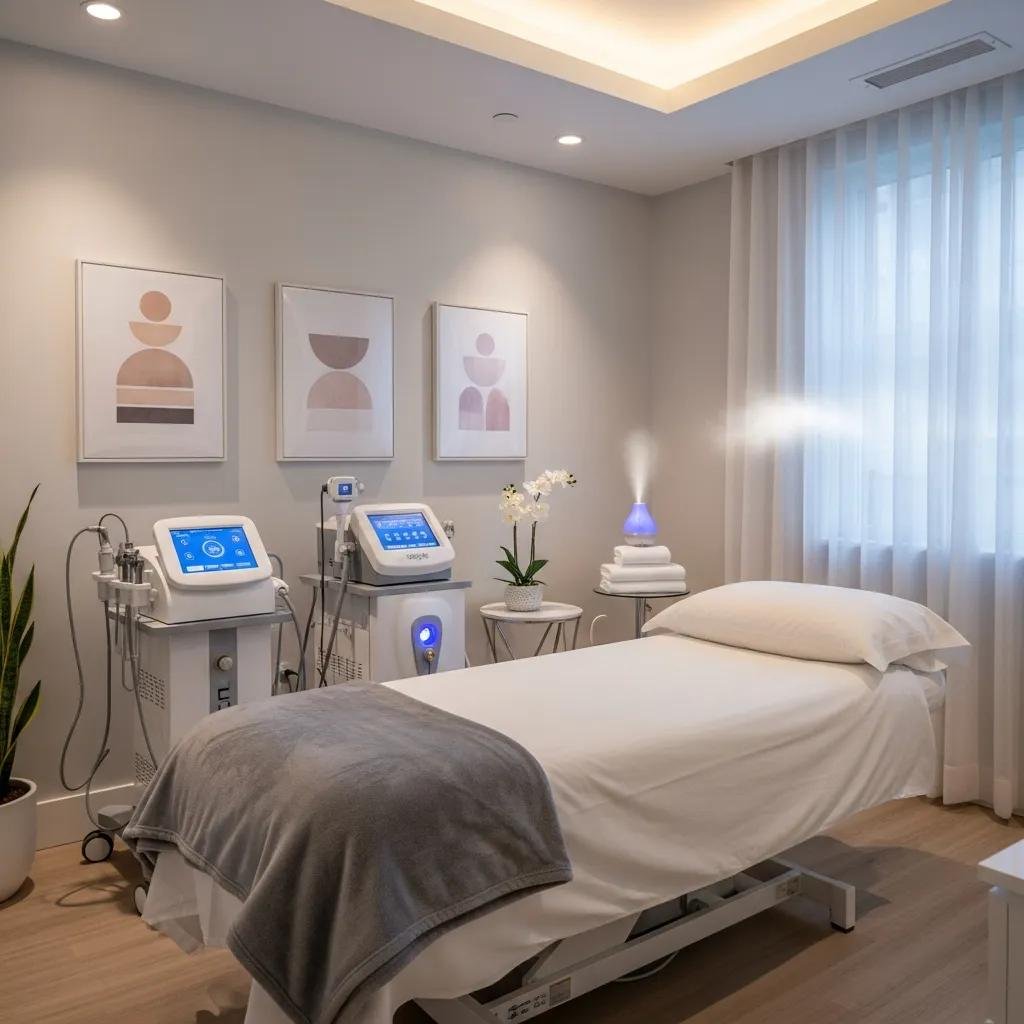
Advanced med spa technologies include RF microneedling for collagen remodeling, fractional and ablative lasers for resurfacing, picosecond lasers for pigment and tattoo work, IPL for vascular and pigmented lesions, and non-surgical platforms for fat reduction such as SculpSure. Each device has specific tissue interactions and indications; for example, RF microneedling combines controlled mechanical injury with radiofrequency energy to tighten and thicken dermis with limited downtime. Trained clinicians select device, parameters, and adjunctive measures (topical preparation, numbing, post-procedure care) to achieve gradual, natural-looking improvements. Device choice should be evidence-informed and matched to the patient’s skin type and treatment goals.
What Should You Expect During and After Med Spa Procedures in Twinbrook?
A typical med spa journey begins with a consultation that includes medical history, goal-setting, and a physical skin assessment to create a tailored plan. During procedures you can expect clinician-prepared protocols: topical numbing for microneedling or peels, measured injections for neuromodulators and fillers, and protective measures for laser sessions. Post-procedure protocols vary by treatment intensity but commonly emphasize sun protection, gentle cleansing, and scheduled follow-up to monitor healing and outcomes. Knowing typical side effects and recovery windows helps patients plan timing and set realistic expectations for visible improvement.
How to Prepare for Common Treatments Like Chemical Peels and Microneedling?
Preparing for superficial procedures reduces complications and optimizes results; common pre-care steps include stopping topical retinoids about 3–7 days before treatment depending on skin sensitivity, avoiding significant sun exposure, and disclosing medications such as blood thinners to your clinician. Arrive with clean skin and follow any pre-appointment instructions about topical agents or antibiotics if prescribed. Discuss medical history, prior procedures, and expectations so the provider can tailor concentration and depth to your skin. Clear communication during consultation reduces surprises and supports smoother recovery.
What Are Typical Recovery Times and Aftercare Recommendations?
Recovery varies with treatment intensity: light peels and low-energy lasers often have minimal downtime of one to three days, while deeper resurfacing can require several days to two weeks of more noticeable redness and peeling. Aftercare commonly includes gentle moisturizers, broad-spectrum sunscreen, avoidance of heat and strenuous exercise for 48–72 hours when indicated, and scheduled follow-up to assess healing. Contact your provider if you experience prolonged pain, signs of infection, or unexpected reactions; prompt evaluation ensures safe resolution and preserves results.
- Pre- and post-care checklist: Follow these practical steps to support healing and outcomes.
- Disclose medical history: Tell your clinician about medications, allergies, and prior procedures.
- Avoid strong exfoliants: Stop retinoids or harsh acids as advised before treatments.
- Practice sun avoidance: Minimize UV exposure before and after procedures to reduce complications.
- Use gentle skincare: Return to a simple routine with recommended products during healing.
- Attend follow-up visits: Monitor progress and allow clinicians to adjust care as needed.