
Med Spa Services in Fallsgrove, MD: Your Guide to Expert Aesthetic Treatments
Med spa services combine clinical dermatology techniques and aesthetic therapies to improve skin health, reduce visible aging, and refine body contours for Fallsgrove residents seeking non-surgical enhancement. This guide explains what local med spa services include, how common treatments work, and what results you can expect so you can make informed choices about injectables, lasers, peels, microneedling, body contouring, and medical weight-loss options. Many people want natural-looking improvements with minimal downtime; evidence-based, technology-driven approaches address those needs by targeting specific tissue mechanisms—muscle modulation, volumization, collagen stimulation, and targeted fat reduction. Below you’ll find clear definitions, practical comparisons, safety notes, and examples of typical treatment courses across five core areas. We also note local access to care: Shore MedSpa & Bio Aesthetics serves Rockville and nearby Fallsgrove with advanced cosmetic dermatology under board-certified leadership, offering the primary service clusters discussed here. Read on to compare injectables, lasers and skin rejuvenation, and non-surgical body and weight-loss options so you can choose the right pathway for your goals.
What Are Med Spa Services Offered in Fallsgrove?
Med spa services are clinical aesthetic procedures that sit between traditional spa treatments and surgical cosmetic care, using medical devices and prescription-grade agents to treat skin texture, lines, volume loss, unwanted hair, and focal fat. These services work via distinct mechanisms—neuromodulation to relax muscles, fillers to restore or replace volume, lasers and peels to resurface or remove pigment, and energy-based devices to reduce fat cells—producing measurable cosmetic improvements with limited recovery. Below is a concise enumeration of core med spa offerings commonly available near Fallsgrove.
- Injectables: neuromodulators and dermal fillers for lines and volume.
- Laser therapies: hair reduction, resurfacing, and pigment correction.
- Skin treatments: microneedling and chemical peels to improve texture.
- Body contouring: non-invasive fat reduction technologies.
- Medical weight loss: GLP-1–based programs for sustained weight change.
These categories represent the functional toolbox clinicians use to tailor plans, and the next subsection highlights the specific non-surgical options offered by a nearby provider.
Which Non-Surgical Treatments Are Available at Shore MedSpa?
Shore MedSpa & Bio Aesthetics offers a selection of non-surgical treatments aligned with contemporary cosmetic dermatology: injectables (Botox and dermal fillers), laser procedures for hair removal and resurfacing, microneedling, chemical peels, non-invasive body contouring, and medically supervised weight-loss programs. Each treatment targets a different tissue process—Botox modulates neuromuscular activity to soften dynamic lines, fillers replace lost volume and restore contours, lasers selectively heat or ablate tissue for hair or resurfacing, while microneedling drives collagen remodeling. These services are organized into treatment clusters so clinicians can combine modalities for synergistic, natural results. The clinic’s menu mirrors the core service areas Fallsgrove patients typically seek and sets the stage for more detailed treatment comparisons below.
How Do Med Spa Services Enhance Natural Beauty?
Med spa approaches prioritize subtle, natural enhancement by restoring structural support, smoothing dynamic creases, and improving skin quality without creating an overtreated appearance. Providers evaluate facial anatomy, skin condition, and movement patterns to sequence treatments—often starting with conservative neuromodulation, then adding strategic filler or resurfacing treatments to restore balance and texture. The result is incremental improvement in lines, contour, and radiance rather than dramatic changes, which preserves individual identity while addressing cosmetic concerns. This treatment philosophy leads naturally into a closer look at injectables—how they work and what outcomes patients can expect.
How Can Botox and Dermal Fillers Improve Your Appearance in Fallsgrove?
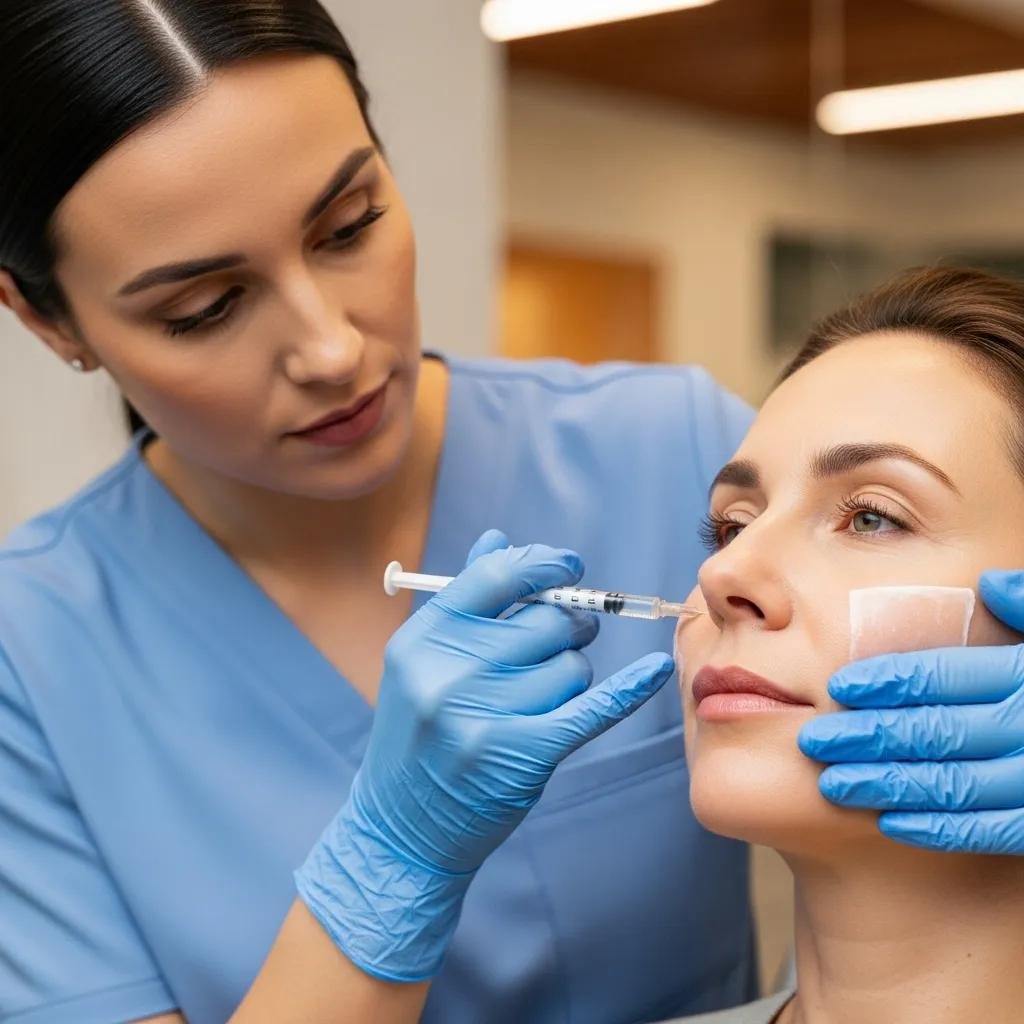
Botox and dermal fillers address distinct aging mechanisms: Botox (a neuromodulator) reduces dynamic wrinkles by decreasing muscle activity, while dermal fillers restore lost volume and improve contour through injectable gels or biostimulatory agents. Both approaches produce rapid, targeted cosmetic improvements when administered by qualified clinicians and have predictable onset and duration profiles, making them foundational in non-surgical facial rejuvenation. The table below compares key attributes to help you choose.
Intro: This comparison clarifies target areas, mechanism, and typical duration for neuromodulators versus filler treatments.
| Treatment Type | Mechanism | Typical Duration |
|---|---|---|
| Neuromodulator (e.g., Botox) | Temporarily reduces muscle contraction to smooth dynamic lines | 3–4 months |
| Hyaluronic Acid Fillers | Adds immediate volume and contour; reversible with hyaluronidase | 6–18 months depending on product |
| Biostimulatory Fillers | Stimulates collagen production for gradual structural improvement | 12–24+ months with staged treatments |
This table shows how combining neuromodulation and volumization yields complementary outcomes and sets expectations for maintenance. The following lists summarize typical benefits and considerations.
Botox and filler benefits include:
- Wrinkle reduction: Softens forehead lines, glabellar lines, and crow’s feet.
- Volume restoration: Replaces midface and lip volume to restore youthful contours.
- Prevention and maintenance: Neuromodulators can reduce formation of new dynamic lines.
These benefits explain why many patients pair treatments; the next section examines Botox specifically and its patient experience.
What Are the Benefits of Botox for Wrinkle Reduction?
Botox works by blocking specific neuromuscular signals, reducing the repetitive muscle contractions that cause dynamic wrinkles over time. The procedure is brief, typically performed in a clinic setting with minimal discomfort, and results emerge within days as treated muscles relax and overlying lines soften. Patients commonly see improvement for around three to four months, after which repeat treatments restore effect; side effects are typically transient and related to injection technique. Understanding Botox’s timeline and candidacy helps patients set realistic expectations before adding fillers or resurfacing procedures.
How Do Dermal Fillers Restore Facial Volume?
Dermal fillers use hyaluronic acid or biostimulatory materials to fill pockets of volume loss, support soft-tissue contours, and improve facial proportions immediately after injection. Treatment areas include the midface, nasolabial folds, lips, and under-eye hollows, with longevity varying by product type and placement. Fillers can be sculpted to enhance structure while preserving natural expression, and some stimulate collagen for longer-term improvement; safety relies on proper anatomical knowledge and conservative dosing. Knowing filler options helps you plan maintenance and combination strategies with neuromodulators.
What Laser and Skin Rejuvenation Treatments Does Shore MedSpa Provide?
Laser and resurfacing therapies target skin concerns by delivering controlled light or thermal energy to remove damaged layers, stimulate collagen, or destroy hair follicles, producing clearer tone and improved texture. Treatments range from diode laser hair reduction to fractional resurfacing and picosecond devices for pigment; each modality differs in depth of penetration, ideal indications, and downtime. The table below clarifies common laser and skin rejuvenation choices, indications, and typical recovery expectations.
Intro: Use the following table to compare resurfacing and hair-removal technologies by suitable concerns and typical downtime.
| Option | Suitable Concerns | Typical Downtime |
|---|---|---|
| Diode/IPL Hair Reduction | Unwanted hair across body and face | Little to none; multiple sessions needed |
| Fractional Laser Resurfacing | Texture, scars, deep wrinkles | Several days to a week of recovery |
| Picosecond Laser | Pigment and tattoo removal, texture | Minimal to moderate redness and peeling |
This comparison highlights tradeoffs between efficacy and recovery to guide treatment selection. Next we review laser hair removal mechanics and expectations.
How Does Laser Hair Removal Work for Long-Term Results?
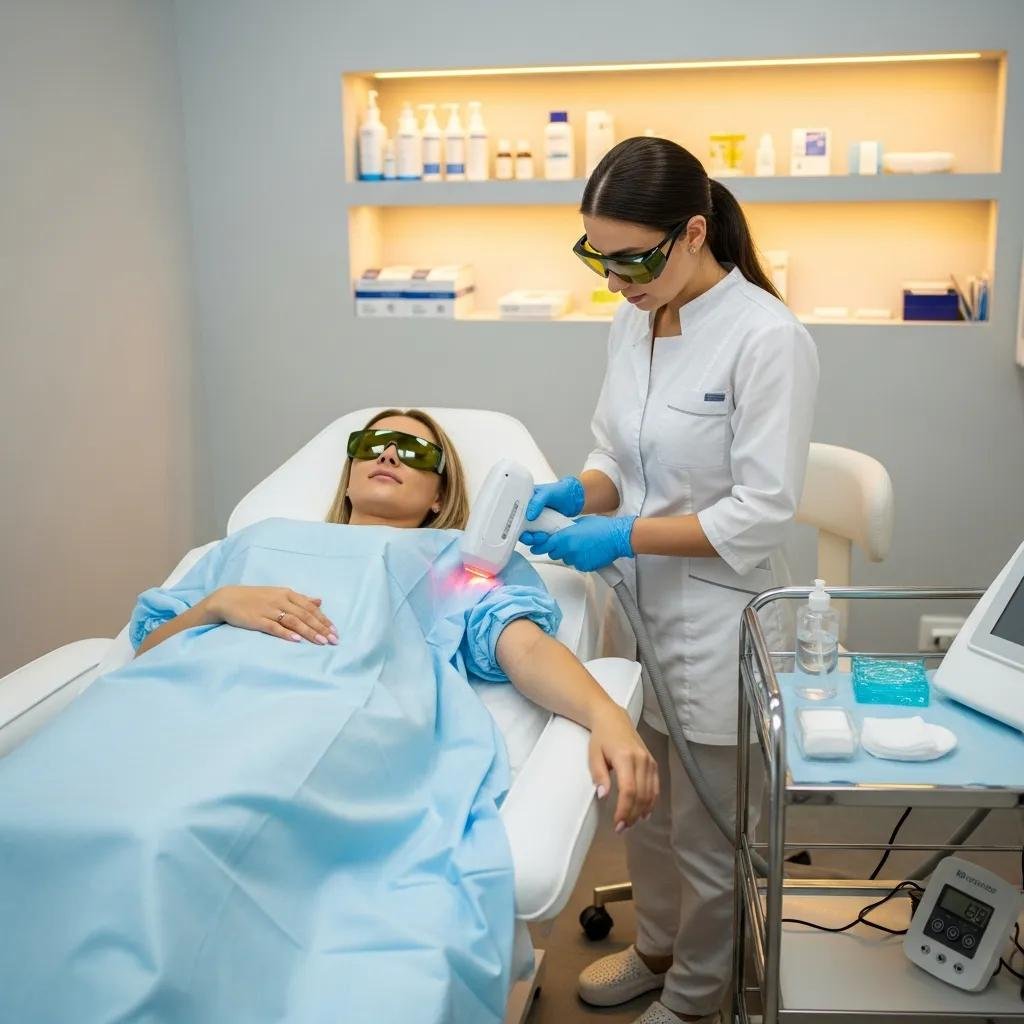
Laser hair removal uses selective photothermolysis—laser energy is absorbed by melanin in the hair shaft and follicle, converting light to heat that disables follicular growth without harming surrounding skin. Effective long-term reduction requires treating hair during active growth cycles over multiple sessions spaced weeks apart, and outcomes depend on hair color, skin tone, and device type. Darker hairs on lighter skin generally respond best, and modern devices extend safety to a wider range of skin tones with appropriate settings. Realistic expectations and a treatment plan ensure durable thinning rather than single-session eradication.
What Are the Advantages of Microneedling and Chemical Peels?
Microneedling creates controlled micro-injury to stimulate collagen and elastin production, improving fine lines, texture, and acne scarring over a series of sessions. Chemical peels remove damaged surface layers with controlled exfoliation to treat pigmentation, uneven tone, and superficial texture issues. Microneedling typically has minimal downtime with progressive collagen remodeling, while peel depth determines recovery time; combining both can accelerate overall skin rejuvenation. Choosing between them depends on concern severity, skin type, and recovery tolerance, and combining modalities often enhances results.
How Does Shore MedSpa Support Body Contouring and Medical Weight Loss in Fallsgrove?
Non-surgical body contouring and GLP-1–based medical weight-loss programs address different aspects of body composition: contouring reduces focal fat deposits with targeted energy devices, while pharmacologic therapies alter appetite and metabolism to produce systemic weight loss. Clinicians evaluate candidates for localized adiposity versus generalized weight management and recommend single or combined pathways as appropriate. Shore MedSpa & Bio Aesthetics lists SculpSure as an example of non-invasive fat-reduction technology and offers medically supervised programs using semaglutide and tirzepatide for patients needing metabolic support—each option requires clinical screening and structured follow-up. The table below summarizes mechanisms and typical outcomes to clarify differences.
Intro: This table contrasts targeted fat reduction with GLP-1 medical weight-loss therapies to inform decision making.
| Approach | Mechanism | Best Candidates |
|---|---|---|
| SculpSure (laser lipolysis) | Targets fat cells with heat, triggering cell elimination | Localized fat pockets, near-normal weight |
| Semaglutide (GLP-1) | Appetite suppression and improved glycemic control | Patients with systemic weight concerns |
| Tirzepatide (dual agonist) | Dual incretin effects for greater weight loss | Patients needing robust medical weight loss |
This comparison helps align patient goals with realistic outcomes and clinical pathways. Next, we detail SculpSure and GLP-1 roles in practice.
What Is SculpSure Body Contouring and Its Benefits?
SculpSure uses controlled laser-generated heat to damage fat cells in targeted areas, which the body gradually eliminates over weeks to months, producing reduced pocketed fat without surgical incisions. Typical sessions are brief and well tolerated; visible results emerge over 6–12 weeks, and multiple treatments may enhance contouring. It’s ideal for patients with discrete, pinchable fat rather than generalized obesity, and downtime is minimal compared with surgical alternatives. Understanding candidacy and timelines informs whether to pursue targeted contouring or systemic approaches.
How Do Semaglutide and Tirzepatide Aid in Medical Weight Loss?
Semaglutide and tirzepatide are injectable medications that mimic incretin hormones to reduce appetite, slow gastric emptying, and improve glycemic control, leading to significant weight reduction when combined with medical supervision and lifestyle support. Treatment programs include assessment, dosing protocols, and regular monitoring to manage efficacy and side effects; outcomes vary but recent evidence shows substantial mean weight loss for many patients under medical oversight. These medications function as systemic adjuncts to diet and exercise, and when appropriate they complement procedural options for comprehensive body-shape goals.