
Maintaining Your Aesthetic Results: Essential Long-Term Care Tips for Lasting Beauty
Aesthetic result maintenance means using targeted aftercare, daily skin health practices, lifestyle choices, and periodic professional follow-up to preserve and extend outcomes from injectables, lasers, peels, and body-contouring. This approach works by protecting treated tissues during healing, supporting collagen and skin barrier function with appropriate topical actives and sun protection, and reinforcing improvements with maintenance treatments when needed. Readers will learn immediate post-procedure steps, an effective daily skincare routine, lifestyle changes that support longevity, and how maintenance visits and complementary therapies fit into a long-term plan. Many patients lose measurable benefit when routine care and follow-up are inconsistent; following structured guidance reduces complications, prolongs results, and preserves a natural appearance. The sections that follow cover immediate aftercare checklists and quick comparisons by treatment, a practical cleanse→treat→protect daily plan, lifestyle strategies including nutrition and hydration, and recommended maintenance frequencies and adjunctive therapies.
What Are the Immediate Aftercare Steps to Protect Your Aesthetic Treatment Results?
Immediate aftercare refers to the actions taken in the hours and first days after a procedure to reduce complications and protect outcomes. These steps work by minimizing inflammation, preventing infection, and avoiding mechanical disruption of treated tissues so that injections settle, laser-treated skin re-epithelializes, and chemical peels heal predictably. Following provider-specific instructions matters because protocols vary by treatment type and by individual healing response; adhering to guidance reduces the risk of bruising, infection, and asymmetry. Below is a concise checklist designed as a quick-reference “do this / avoid that” guide optimized for post-treatment safety and longevity.
Do this — avoid that: core immediate steps for most procedures
- Keep the area clean: Use a gentle cleanser and avoid topical makeup for 24 hours after most procedures.
- Control swelling: Apply cold compresses intermittently during the first 24 hours and sleep with head elevation if facial swelling occurs.
- Limit exertion: Avoid strenuous exercise, heavy lifting, and heat exposure for 24–72 hours depending on procedure.
- Skip facial manipulation: Do not rub, massage, or apply pressure to treated areas for at least 24–48 hours unless instructed otherwise.
- Follow medication guidance: Use prescribed topical antibiotics or short courses of anti-inflammatories only as recommended by your provider.
- Watch for red flags: Seek provider contact for intense pain, spreading redness, fever, or signs of infection.
These immediate steps form the backbone of safe recovery and set the stage for longer-term maintenance by preventing early setbacks and preserving the clinician’s intended outcome.
How Should You Manage Common Post-Treatment Effects Like Swelling and Redness?
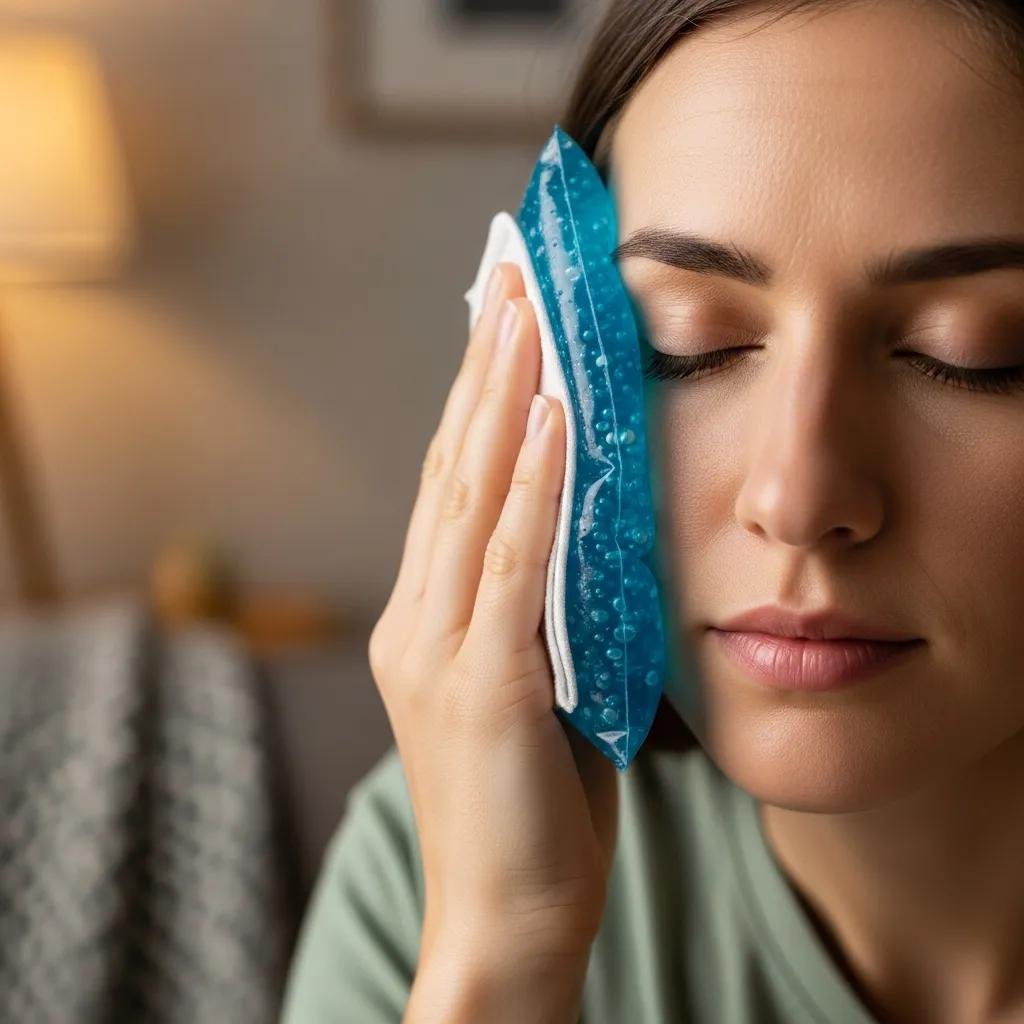
Swelling and redness are normal inflammatory responses after injectables, lasers, and peels; they arise because the body directs fluid and immune cells to heal treated tissue. Immediate cooling with brief, intermittent cold compresses reduces capillary dilation and discomfort; apply for 10–15 minutes every hour during the first 6–12 hours, avoiding direct ice-on-skin contact to prevent frost injury. Elevating the head when lying down and sleeping propped up can decrease facial edema overnight, and short-term avoidance of salt-heavy meals lowers fluid retention. Over-the-counter acetaminophen is acceptable for pain control, but avoid routine NSAIDs if your provider advises against them for bruising risk; persistent or worsening redness, expanding bruising, or systemic symptoms should prompt immediate clinical contact.
| Treatment | Typical Immediate Effect | Recommended Immediate Step |
|---|---|---|
| Injectables (Botox, Fillers) | Local swelling, mild bruising | Cold compresses, avoid pressure for 24–48 hrs |
| Laser resurfacing (Er-YAG, IPL) | Redness, weeping of treated skin | Gentle cleansing, occlusive emollient, sun avoidance |
| Chemical peels (VI Peel, AHA) | Peeling, redness, sensitivity | Hydration, avoid exfoliants until healed |
Which Specific Instructions Should You Follow for Botox and Dermal Filler Aftercare?
After Botox and dermal fillers, the primary goal is to avoid displacement, excessive swelling, and infection while the product integrates with tissues. Avoid manipulating the treated area for at least 24–48 hours, which includes skipping facial massages, chiropractic facial adjustments, or pressure treatments that could move filler or affect neuromodulator placement. Refrain from strenuous exercise and sauna/steam exposure for 24–48 hours to limit increased blood flow that can worsen bruising and swelling; gentle walking is typically acceptable. If bruising occurs, arnica or vitamin K topicals are often used adjunctively, and your provider will advise on when touch-ups or reassessment are appropriate; return for evaluation if persistent asymmetry, intense pain, or nodule formation appears.
How Can a Daily Skincare Routine Extend the Longevity of Your Med Spa Results?

A daily skincare routine supports and prolongs med spa outcomes by maintaining barrier integrity, reducing ongoing photoaging, and delivering actives that support collagen and pigment control. The core structure—cleanse, treat, protect—works mechanistically: cleansing removes irritants, active treatments stimulate repair and remodeling, and sunscreen prevents UV-driven collagen breakdown that erodes clinical gains. Introducing potent actives (retinoids, vitamin C) should follow your provider’s timeline after a procedure to avoid irritation; many clinicians recommend waiting until the skin surface has re-epithelialized and feels normal. Medical-grade formulations often offer higher active concentrations and stabilized delivery systems, which can produce more consistent support for post-procedure skin health when used under provider guidance.
A concise daily routine that extends results
- Cleanse: Use a gentle, non-foaming cleanser twice daily to remove debris without stripping lipids.
- Treat: Apply targeted serums (antioxidants in the morning, retinoids at night when appropriate) to support collagen and texture.
- Moisturize: Use barrier-repair moisturizers containing ceramides or peptides to minimize transepidermal water loss.
- Protect: Apply broad-spectrum SPF every morning and reapply during sun exposure.
Why Is Medical-Grade Skincare Important for Post-Procedure Skin Maintenance?
Medical-grade skincare differs from over-the-counter options primarily in active concentrations, formulation stability, and clinical testing that supports predictable outcomes. Higher-potency retinoids and stabilized vitamin C serums produce measurable increases in collagen synthesis and antioxidant protection, which helps maintain texture and pigment improvements after lasers and peels. Clinical formulations often include delivery systems that reduce irritation risk while improving penetration, making them better suited for skin that has undergone resurfacing. Providers can recommend specific medical-grade cleansers, moisturizers, and sunscreens tailored to your procedure and skin type, and they will advise when to reintroduce potent actives to avoid compromise of healing.
| Product Category | Primary Goal | Recommended Type |
|---|---|---|
| Sunscreen | UV protection | Broad-spectrum SPF 30+, mineral option post-procedure |
| Moisturizer | Barrier repair | Fragrance-free, ceramide/peptide-rich cream |
| Cleanser | Gentle cleansing | pH-balanced, non-irritating formula |
This table links product categories to maintenance goals, making it easier to choose effective clinical-grade options as part of your day-to-day regimen.
What Are the Best Sun Protection Strategies to Prevent Premature Aging?
Post-procedure skin is especially vulnerable to UV damage, which undermines collagen and pigment improvements achieved by treatments; rigorous sun protection prevents accelerated aging and preserves clinician results. Use a broad-spectrum sunscreen of SPF 30 or higher every morning, applying a generous amount (about a nickel-sized dollop for the face) and reapplying every two hours during sun exposure; mineral sunscreens with zinc oxide or titanium dioxide are often better tolerated immediately after procedures. Combine topical protection with physical barriers—wide-brim hats, protective clothing, and seeking shade during peak UV hours—to reduce cumulative exposure. For patients with recent resurfacing or peels, avoid direct sun entirely until the skin barrier is fully restored, and discuss additional pigmentation-preventing agents with your provider.
Which Lifestyle Choices Support Long-Term Aesthetic Outcomes?
Lifestyle choices influence how well your skin responds to procedures and how long improvements last because they affect collagen turnover, oxidative stress, and microvascular health. Good habits reduce chronic inflammation and support tissue remodeling, whereas harmful behaviors accelerate structural breakdown and pigment changes that counteract treatments. The most impactful areas to address are nutrition and hydration, sleep and stress management, and avoidance of substances and behaviors that increase skin aging. Below are actionable lifestyle best-practices that support aesthetic longevity and clinical outcomes.
Key lifestyle actions to support results
- Prioritize protein and vitamin C: Adequate protein and vitamin C support collagen synthesis and wound healing after interventions.
- Stay hydrated: Consistent hydration maintains skin turgor and optimizes recovery after resurfacing or injectables.
- Improve sleep and manage stress: Quality sleep and stress reduction support hormonal balance and tissue repair.
- Avoid smoking and limit alcohol: Smoking accelerates collagen breakdown and vascular compromise; alcohol increases bruising and inflammation.
How Do Diet, Hydration, and Nutrition Influence Skin Health After Treatments?
Nutrition provides the raw materials for tissue repair and collagen formation—protein supplies amino acids, vitamin C acts as a cofactor for hydroxylation reactions in collagen synthesis, and zinc supports cell proliferation during healing. Aim for balanced meals with lean protein, colorful fruits and vegetables for antioxidants, and sources of omega-3 fatty acids to modulate inflammation. Hydration supports microcirculation and lymphatic clearance, which helps resolve swelling and promotes nutrient delivery to healing skin. While some supplements may be helpful in specific contexts, discuss any new supplement regimen with your provider to avoid interactions and ensure evidence-based support for recovery.
What Habits Should You Avoid to Preserve Your Cosmetic Treatment Effects?
Certain behaviors directly undermine treatment longevity by increasing oxidative stress, reducing circulation, or mechanically disrupting results; avoiding these is as important as adopting positive habits. Smoking reduces blood flow and accelerates collagen degradation, making fillers and resurfacing outcomes less durable and increasing complication risk. Excessive alcohol intake can magnify bruising and inflammation in the short term and contributes to long-term skin thinning and capillary fragility. Additionally, avoid tanning beds and unprotected sun exposure indefinitely, and postpone aggressive facial treatments until cleared by your provider to prevent cumulative trauma.
Why Are Maintenance Appointments and Complementary Treatments Key to Sustaining Your Results?
Scheduled maintenance visits and complementary therapies extend the lifespan of aesthetic treatments by allowing providers to monitor healing, perform timely touch-ups, and deliver adjunctive treatments that stimulate collagen and address evolving concerns. Maintenance visits enable early detection and correction of asymmetries or product migration, and complementary modalities such as microneedling or light-based devices promote collagen remodeling that synergizes with injectables and fillers. Typical maintenance planning is individualized; frequency depends on product type, metabolic factors, and lifestyle, but general ranges provide a useful framework for planning. Discussing a personalized maintenance plan with a qualified provider ensures treatment sequencing and timing optimize both safety and durability.
Maintenance frequency recommendations (general ranges)
- Botox / neuromodulators: 3–4 months for many patients depending on dose and response.
- Hyaluronic acid fillers: 6–18 months based on product and placement.
- Collagen-stimulating fillers (e.g., Sculptra): touch-up schedules vary; often annual maintenance after the initial series.
- Laser or RF-based skin treatments: maintenance sessions every 6–12 months for texture and pigment control.
These frequency ranges guide planning, but individual factors like metabolism, sun exposure, and lifestyle will alter timing; follow-up with your treating clinician refines scheduling.
How Often Should You Schedule Follow-Up Aesthetic Maintenance Visits?
Follow-up timing depends on treatment modality and individual response, but general patterns help set expectations: neuromodulators frequently require repeat dosing every three to four months, while fillers vary widely by product and placement and often last six months to more than a year. Schedule the first post-procedure visit within two weeks for most injectables to assess settle and address early concerns, then plan routine maintenance visits based on the categories above and your provider’s assessment. Factors that influence frequency include metabolic rate, activity level, prior treatment history, and the presence of adjunctive therapies; a tailored plan with periodic reassessment maximizes longevity and safety.
What Complementary Therapies Enhance and Prolong Treatment Benefits?
Complementary therapies that stimulate collagen formation, improve texture, and control pigment include RF microneedling, maintenance chemical peels, and low-downtime laser sessions; each works through distinct remodeling mechanisms that augment injectable and contouring results. RF microneedling induces controlled dermal injury to trigger new collagen and tighten skin, while maintenance lasers and peels improve tone and reduce pigment that can age appearance despite volumetric correction. Timing is important—space invasive treatments to allow full recovery and coordinate with filler or thread timelines to minimize overlapping inflammation. Discuss sequencing and expected downtime with your provider to align complementary therapies for maximal cumulative benefit.
Shore MedSpa & Bio Aesthetics in Rockville, MD, led by board-certified dermatologist Dr. Ronald Shore, offers advanced technologies and customized maintenance planning that can be discussed during a consultation. Their clinical team can help translate these general maintenance frequencies into a personalized schedule and recommend appropriate in-clinic complementary therapies to prolong your results while prioritizing safety and natural enhancement.