LED Light Therapy for Acne & Anti-Aging in Rockville, MD: Effective Skin Rejuvenation Solutions
LED light therapy is a non-invasive phototherapy that uses specific wavelengths of light to reduce acne and support anti-aging by stimulating cellular repair and modulating inflammation. This article explains how photobiomodulation targets both acne-causing bacteria and age-related collagen loss, and it highlights practical expectations for treatment in Rockville, MD. Readers will learn what wavelengths do, how red and blue light produce clinical benefits, and how devices such as Healite II fit into modern protocols for skin rejuvenation. The guidance balances current research with realistic treatment cadence and safety considerations so you can evaluate LED therapy as a complement or alternative to conventional approaches. Sections cover a clear definition and comparison of wavelengths, mechanistic details of photobiomodulation, red-light collagen effects and Healite II context, blue-light acne mechanisms, and why Shore MedSpa & Bio Aesthetics in Rockville offers local access to advanced LED Skin Therapy.
What is LED Light Therapy and How Does It Benefit Acne and Aging Skin?
LED light therapy is a form of phototherapy that delivers narrow-band light to skin cells to change cellular behavior, reduce inflammation, and encourage repair. The mechanism—photobiomodulation—works when mitochondria absorb photons, increase ATP production, and trigger signaling that reduces inflammation and promotes collagen synthesis. For acne, shorter blue wavelengths reduce P. acnes bacteria and calm superficial inflammation; for aging skin, red and near-infrared wavelengths stimulate fibroblasts and improve elasticity. Below is a concise comparison of the main LED wavelength categories and their primary skin benefits.
This table compares common therapeutic LED wavelengths and their primary skin effects.
| Wavelength / Light Type | Main Mechanism | Main Clinical Benefit |
|---|---|---|
| Blue (~415 nm) | Porphyrin photoexcitation in P. acnes | Reduces bacterial load and surface inflammation |
| Red (~630–660 nm) | Mitochondrial stimulation (cytochrome c oxidase) | Stimulates collagen, reduces fine lines |
| Near-infrared (~810–850 nm) | Deeper tissue photobiomodulation, circulation | Enhances healing, improves elasticity and tone |
These distinctions help clinicians combine wavelengths to address both acne and aging in an integrated protocol. Understanding the roles of each band supports targeted treatment planning and realistic expectations for outcomes.
LED therapy delivers several practical benefits for patients with acne and aging skin. Below is a short list of commonly reported advantages and what patients can expect when receiving LED treatments.
- Non-invasive and painless: Sessions require no needles and typically cause minimal discomfort.
- Minimal downtime: Most patients return to normal activities immediately after treatment.
- Reduced inflammation and lesion counts: Blue and combined protocols lower active acne lesions over multiple sessions.
- Improved skin texture and firmness: Red and near-infrared light promote collagen remodeling and skin tone.
These benefits make LED an attractive complement to topical and procedural approaches, and they set the stage for exploring cellular mechanisms in greater detail.
How Does Photobiomodulation Work for Skin Healing and Rejuvenation?
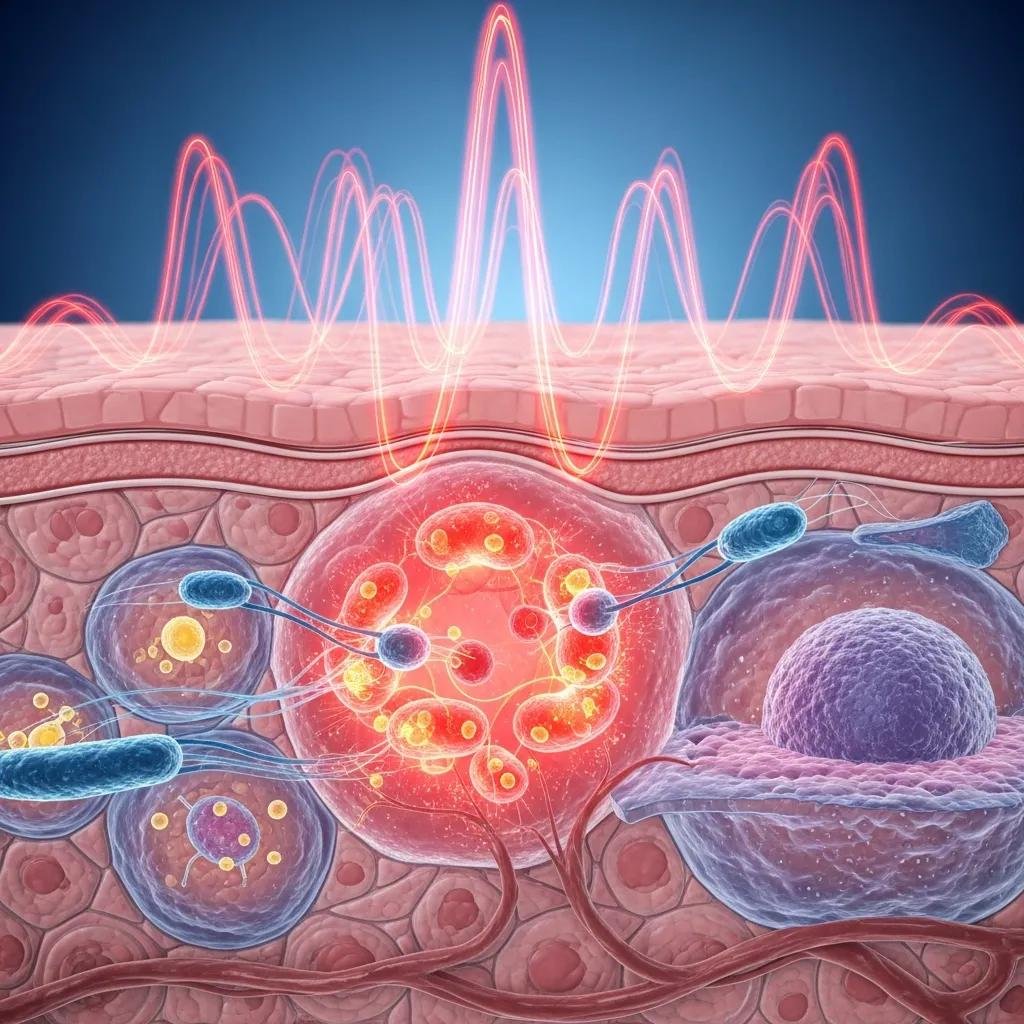
Photobiomodulation describes how cells convert absorbed light into biochemical signals that alter function and repair. Mitochondrial chromophores such as cytochrome c oxidase absorb red and near-infrared photons, increasing ATP synthesis, modulating reactive oxygen species, and activating transcription factors that promote collagen and elastin production. This cascade reduces pro-inflammatory cytokines and accelerates tissue repair, producing measurable improvements in skin texture and wound healing. Recent studies indicate that regular, repeated exposure yields cumulative clinical benefits through persistent upregulation of repair pathways and improved microcirculation.
These cellular effects explain why combining wavelengths can target both superficial microbial targets and deeper connective tissue remodeling, which leads naturally into a discussion of the key wavelengths used in practice.
What Are the Key Wavelengths Used in LED Therapy for Acne and Anti-Aging?
Practitioners commonly use three wavelength bands—blue (~415 nm), red (~630–660 nm), and near-infrared (~810–850 nm)—because each has distinct penetration depth and targets. Blue light acts at the skin surface to excite bacterial porphyrins, creating reactive oxygen species that inactivate P. acnes and reduce inflammation. Red light penetrates to the dermis and stimulates fibroblast activity and collagen synthesis, improving fine lines and texture. Near-infrared reaches deeper tissues to enhance circulation and support reparative processes, complementing red-light remodeling.
To summarize the wavelength roles, the next section focuses specifically on how red light drives collagen production and reduces visible wrinkles.
How Does Red Light Therapy Reduce Wrinkles and Boost Collagen Production?
Red light therapy reduces wrinkles primarily through photobiomodulation of dermal fibroblasts, which increases collagen and elastin synthesis. When red wavelengths are absorbed, signaling pathways that regulate extracellular matrix production become more active, improving dermal thickness and skin elasticity over multiple treatment sessions. Clinically, patients often experience smoother texture, diminished fine lines, and firmer skin after a series of treatments spaced over several weeks. Practical guidance suggests an initial course of multiple sessions (often weekly or biweekly) followed by periodic maintenance to preserve collagen remodeling results.
Below are common anti-aging effects linked to red-light protocols and what patients typically observe clinically.
- Increased collagen production: Measurable rise in dermal collagen density after repeated treatments.
- Improved skin elasticity: Enhanced firmness and reduced sagging due to extracellular matrix remodeling.
- Smoother fine lines and texture: Surface improvements from dermal renewal and reduced inflammation.
These anti-aging outcomes lead into a more focused look at clinical expectations and measurable effects on fine lines and elasticity.
| Effect Category | Mechanism | Evidence / Result |
|---|---|---|
| Collagen synthesis | Fibroblast activation via ATP and growth factor signaling | Increased dermal collagen observed in imaging studies |
| Skin firmness | Extracellular matrix remodeling and elastin support | Improved elasticity and reduced laxity over weeks |
| Texture smoothing | Reduced inflammation and cellular turnover | Visible reduction in fine lines and surface roughness |
This evidence-based framing clarifies why red light is a mainstay in non-invasive rejuvenation and sets up a device-focused example next.
What Are the Anti-Aging Effects of Red Light on Fine Lines and Skin Elasticity?
Red light enhances fine-line appearance and elasticity by stimulating fibroblasts to produce structural proteins and by decreasing chronic low-level inflammation that accelerates aging. Over a course of consistent sessions, patients typically report smoother texture and modest reduction in superficial rhytides as collagen matrix reorganizes. Objective studies and clinical reports support incremental improvements rather than immediate dramatic change, and realistic expectations emphasize gradual remodeling over several weeks to months. Maintaining gains often involves periodic touch-up sessions and integration with topical skin-care that supports collagen health.
These patient-facing expectations make it helpful to reference specific technologies used in clinical practice, such as Healite II, to illustrate device-level contributions.
How Does Healite II Technology Enhance Red Light Therapy Outcomes?
Healite II is an advanced LED phototherapy system that combines specific wavelength outputs to support healing and collagen stimulation. As a clinically used device example, Healite II pairs red and near-infrared bands to optimize mitochondrial absorption and promote tissue repair while being suitable for aesthetic applications like wrinkle reduction and post-procedure recovery. Compared with single-wavelength panels, combination devices aim to cover complementary depths and mechanisms to deliver a broader therapeutic effect. Using device-specific protocols under clinical oversight can help tailor wavelength dosages to patient goals and skin characteristics.
This device example leads naturally to applications where blue light plays a complementary role for acne management.
How Does Blue Light Therapy Effectively Treat Acne and Skin Inflammation?
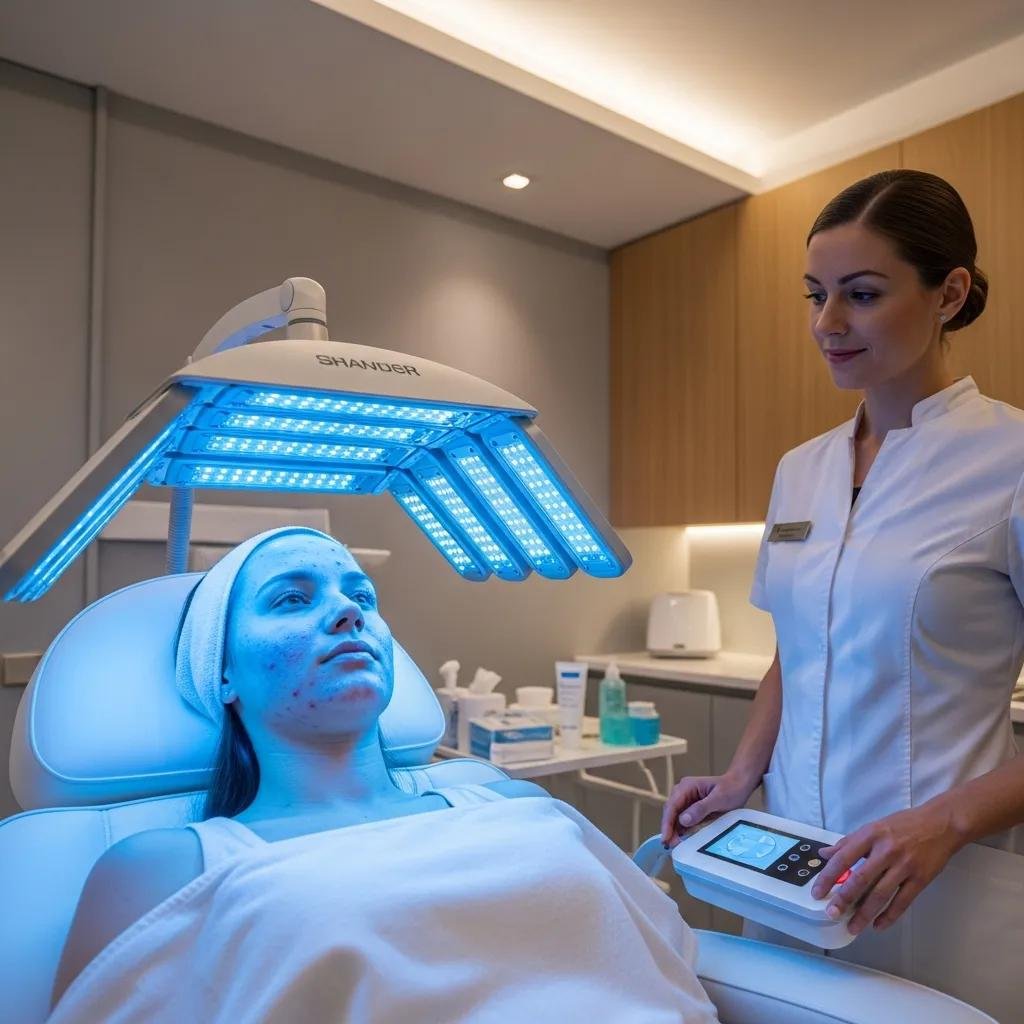
Blue light therapy treats acne by targeting P. acnes bacteria through porphyrin-mediated photoexcitation, which generates reactive oxygen species that inactivate microbes and reduce inflammatory cascades. The mechanism is selective to superficial follicles where porphyrins are present, so blue light is effective at lowering inflammatory lesion counts without systemic exposure. Clinical outcomes typically include fewer active breakouts, decreased erythema, and lower need for frequent topical antibiotics when used as part of a combined regimen. For many patients, combining blue with red or near-infrared light improves both lesion clearance and post-inflammatory healing.
To illustrate clinical targeting, the following table clarifies blue light targets and outcomes.
| Target | Biological Target | Clinical Effect |
|---|---|---|
| P. acnes bacteria | Porphyrin photoexcitation → ROS generation | Reduced bacterial load and fewer inflammatory lesions |
| Superficial inflammation | Downregulation of cytokines | Less redness and faster lesion resolution |
| Sebaceous environment | Indirect modulation of follicular inflammation | Lower frequency of inflammatory breakouts |
Understanding the bacterial and inflammatory targets of blue light sets expectations for how treatments reduce breakouts and influence oil production.
What Role Does Blue Light Play in Targeting P. acnes Bacteria?
Blue light excites endogenous porphyrins produced by P. acnes, producing reactive oxygen species that selectively inactivate these bacteria without harming surrounding tissue. This targeted antibacterial action reduces the microbial stimulus for inflammatory acne and can lower lesion counts over a course of sessions. Importantly, blue-light therapy is a localized treatment that avoids systemic antibiotics, which helps address concerns about resistance and medication side effects. Safety profiles are favorable when used appropriately, though providers should assess candidacy during consultation.
These antibacterial properties connect to downstream effects on sebum, lesion frequency, and combined treatment strategies described next.
How Does Blue Light Therapy Reduce Breakouts and Oil Production?
Blue light reduces breakouts primarily by decreasing inflammatory lesions and interrupting the bacterial-inflammation cycle that drives acne flares. Repeated treatments typically show progressive reductions in lesion counts and severity, and many protocols combine blue light with red light or topical regimens to address both microbial and inflammatory components. While blue light is not a direct sebum-reducing treatment, lowering inflammation indirectly stabilizes sebaceous activity and reduces recurrent flares. For best results, practitioners recommend a planned series of sessions along with adjunctive topical care tailored to the patient’s acne type.
These practical acne-management notes lead naturally into local treatment options and where patients can access advanced LED therapy in Rockville.
Why Choose Shore MedSpa in Rockville for LED Light Therapy Treatments?
Shore MedSpa & Bio Aesthetics in Rockville, MD offers LED Skin Therapy as part of an advanced cosmetic dermatology service mix overseen by a board-certified dermatologist. Under the leadership of Dr. Ronald Shore, the practice emphasizes personalized treatment plans and use of advanced LED technologies, including devices such as Healite II, to match wavelength combinations to patient goals. Patients can expect clinical oversight when combining LED protocols with other dermatologic procedures or topical regimens, helping ensure safety and appropriateness. This local access to medically supervised LED therapy makes it straightforward for Rockville residents to explore non-invasive options for acne and anti-aging.
Below are concise patient-focused reasons to consider a medically supervised LED program.
- Board-certified oversight ensures clinical assessment and individualized protocols.
- Access to advanced LED technologies supports combined wavelength approaches.
- Personalized plans integrate LED with other evidence-based dermatology care.
These points summarize why a medically integrated approach supports safer, more effective LED outcomes for local patients.
What Expertise Does Board-Certified Dermatologist Dr. Ronald Shore Bring?
Dr. Ronald Shore provides clinical oversight of LED therapy treatments at Shore MedSpa & Bio Aesthetics, ensuring treatments are administered within a dermatologic care framework. His board-certified status signals clinical governance over patient selection, protocol customization, and integration with other dermatology services. This oversight helps align LED protocols with individual skin conditions and treatment goals while prioritizing safety. Patients benefit from a medical perspective when combining phototherapy with topical or procedural interventions.
This clinical leadership frames what patients should expect during an LED therapy visit.
What Can Patients Expect During an LED Light Therapy Session at Shore MedSpa?
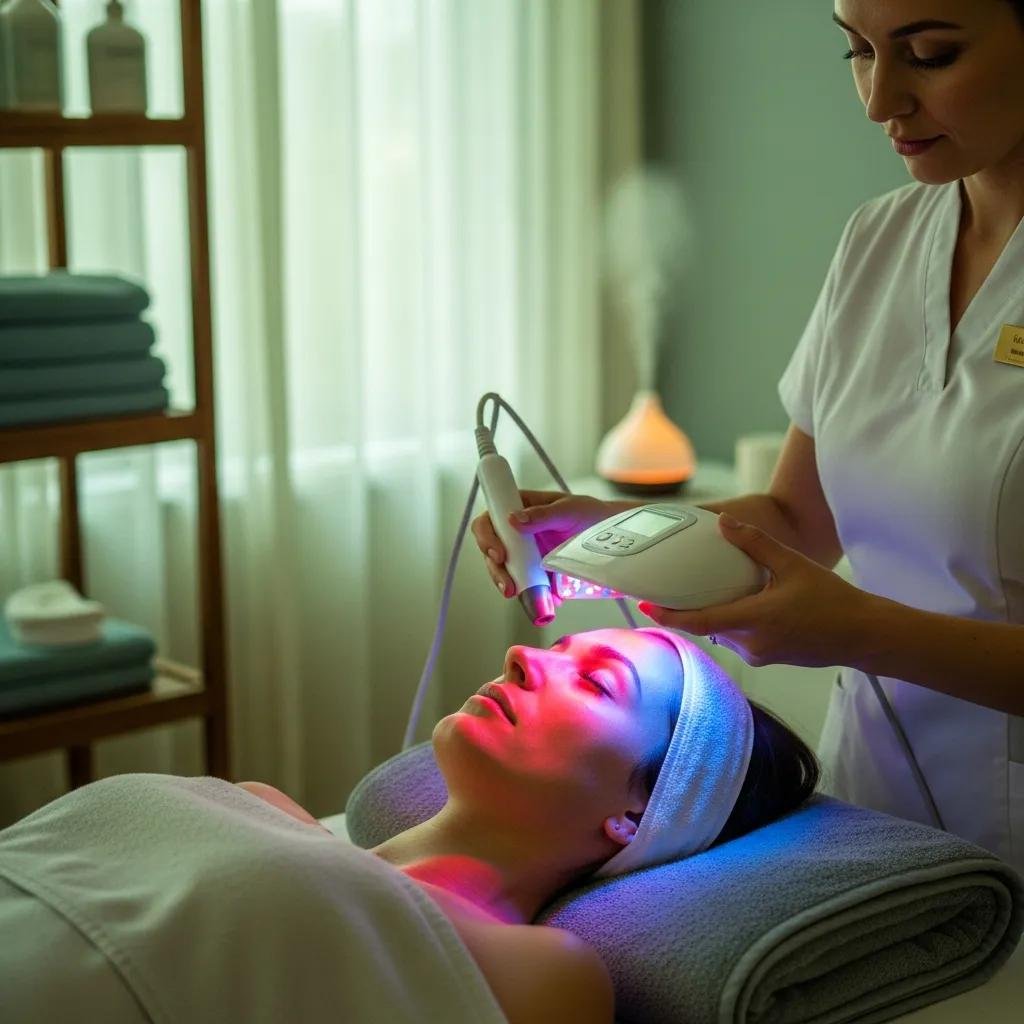
A typical LED session begins with a consultation to confirm candidacy and set realistic goals, followed by skin cleansing and targeted device application that is non-invasive and generally comfortable. Sessions are short, often requiring minimal recovery time, and clinicians provide post-treatment guidance on skincare and expected timelines for visible results. Patients typically undergo a series of treatments to accumulate benefits, and clinical follow-up helps adjust cadence and combination therapies as needed. This structured approach balances efficacy with convenience for patients pursuing acne improvement or subtle anti-aging rejuvenation.