How Exercise Improves Skin Health and Fights Aging
Exercise improves skin health by increasing circulation, stimulating collagen synthesis, and reducing inflammation, producing visibly firmer, more resilient skin. This article explains how different workout types (resistance, aerobic, HIIT, yoga/Pilates) act on skin biology, the cellular mechanisms that underlie anti-aging effects, and practical routines to maximize skin outcomes. Many people notice dullness, thinner skin, or early lines due to low activity, poor circulation, and chronic stress; targeted exercise offers a science-backed solution by enhancing nutrient delivery and activating fibroblasts. You will learn which exercises best support collagen and dermal thickness, how exercise lowers oxidative stress and supports mitochondrial function, ways to safely combine workouts with clinical skin treatments, and how stress-hormone modulation through movement improves appearance. Throughout, keywords like exercise skin health, anti-aging exercise, circulation skin, and exercise collagen synthesis are woven into clear, actionable guidance. The goal is to leave you with an evidence-aligned weekly plan and practical pairings so workouts actively contribute to youthful skin.
What Types of Exercise Best Improve Skin Health and Combat Aging?
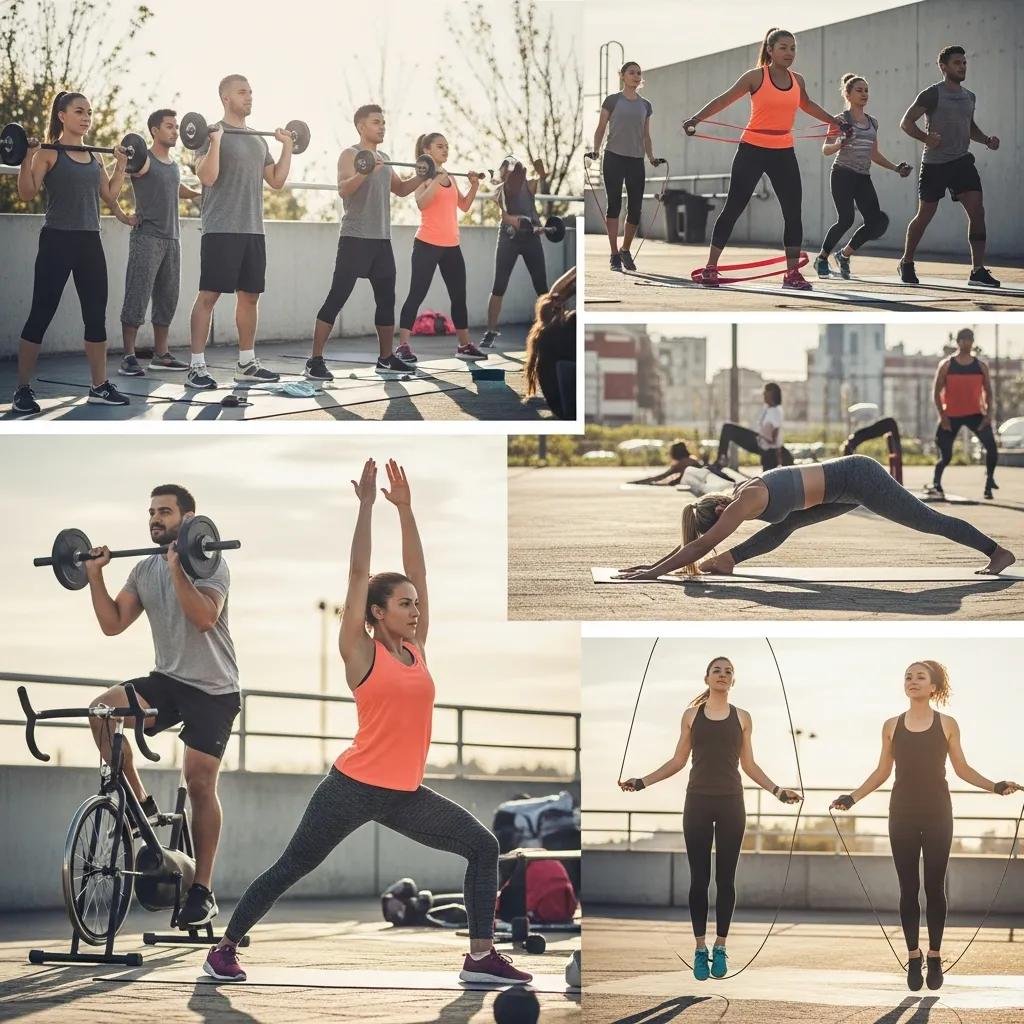
Different exercise categories produce distinct skin benefits by targeting specific biological mechanisms such as mechanical loading, increased microcirculation, and stress-hormone modulation. Resistance training primarily loads connective tissues to stimulate fibroblasts and collagen remodeling, while aerobic exercise enhances blood flow and antioxidant defenses; mind-body modalities reduce cortisol and promote recovery. Combining modalities leverages complementary pathways to support dermal thickness, elasticity, and a healthy skin glow. Recent research through 2023–2024 highlights that a mixed weekly approach produces the broadest anti-aging effects by addressing circulation, collagen synthesis, and stress reduction simultaneously.
This short weekly template synthesizes best-practice recommendations for skin-focused training:
- Resistance training 2–3×/week: Moderate-to-heavy compound lifts to stimulate dermal remodeling.
- Aerobic exercise 2–3×/week: 30–45 minutes of moderate cardio to boost microcirculation and antioxidant defenses.
- Mind-body sessions 1–2×/week: Yoga or Pilates to reduce baseline cortisol and aid recovery.
These three components combine to maximize exercise collagen synthesis and workout skin elasticity; the template balances mechanical stimulus, circulation, and stress-reduction for observable skin improvements within weeks.
Different exercise types map to biological mechanisms and skin outcomes as shown below.
| Exercise Type | Biological Mechanism | Skin Benefit |
|---|---|---|
| Resistance training | Mechanical loading → fibroblast activation, growth factor release | Increased dermal thickness and collagen remodeling |
| Aerobic exercise | Increased microcirculation and oxygen delivery | Improved skin tone, nutrient delivery, antioxidant upregulation |
| Mind-body (yoga/Pilates) | Parasympathetic activation → cortisol reduction | Reduced inflammation, better repair and hydration |
This comparison clarifies how combining exercise types targets multiple components of skin health (collagen, elastin, dermis) and supports a comprehensive anti-aging strategy.
How Does Resistance Training Enhance Collagen Production and Dermal Thickness?

Resistance training enhances collagen production by applying mechanical forces to skin and underlying connective tissue, which stimulates fibroblasts to upregulate collagen synthesis and extracellular matrix proteins. Mechanotransduction triggers growth factors and local signaling that increase dermal thickness and tensile strength, translating to firmer skin and reduced sagging over time. Practical resistance protocols for skin-focused gains emphasize progressive loading across major muscle groups, using 2–4 sets of 8–12 repetitions for key compound moves performed 2–3 times weekly. Compared with aerobic work, resistance training more directly targets structural remodeling, making it a cornerstone of exercise collagen synthesis strategies.
What Are the Skin Benefits of Aerobic Exercise and Improved Circulation?
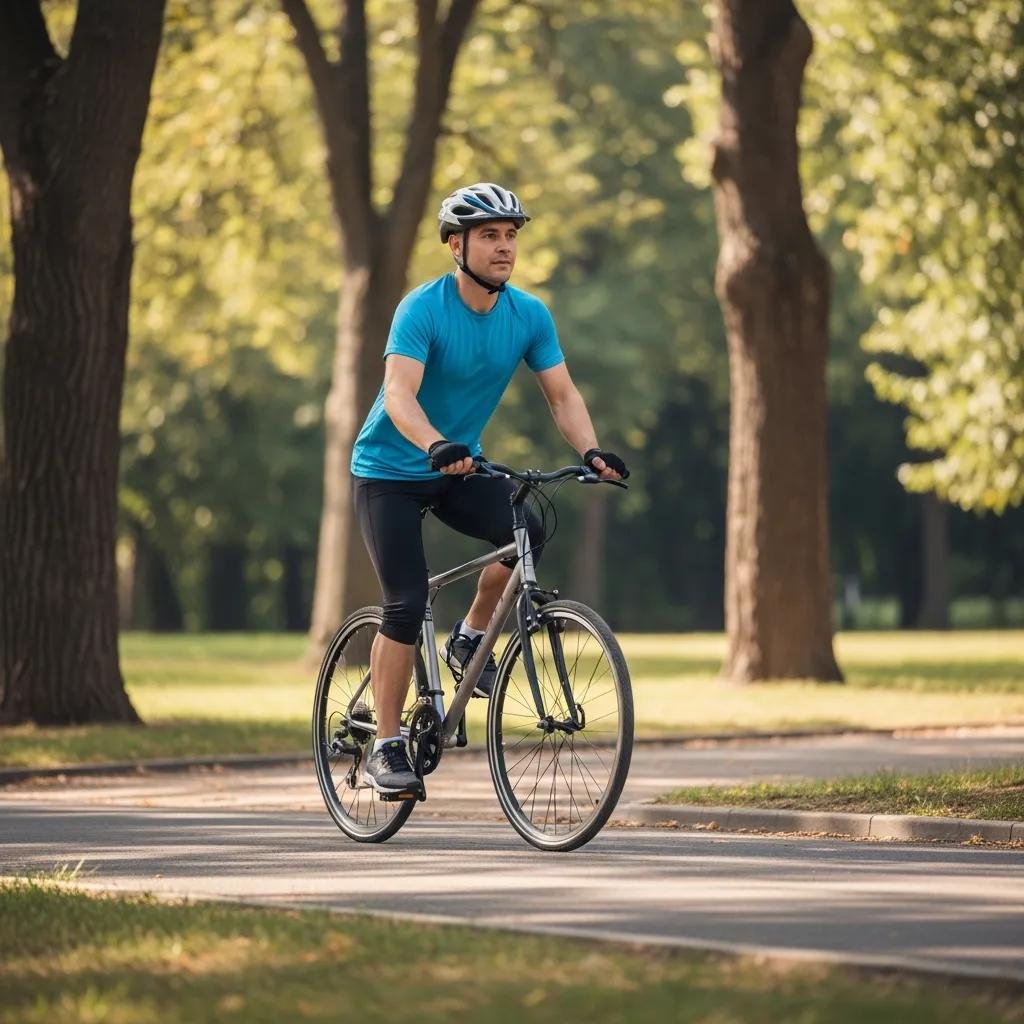
Aerobic exercise benefits skin by elevating heart rate and capillary perfusion, which increases delivery of oxygen and nutrients to epidermal and dermal cells while facilitating metabolic waste clearance. Regular moderate aerobic sessions also upregulate endogenous antioxidant systems and can increase circulating factors like IL-15 that support tissue repair and immune balance in recent studies. A practical routine for skin benefits includes 30–45 minutes of moderate-intensity aerobic activity (brisk walking, cycling, or similar) performed most days of the week, which enhances a natural skin glow and supports long-term resilience. This circulatory foundation complements resistance-induced remodeling, creating a synergistic pathway to healthier, younger-looking skin.
How Does Exercise Mechanistically Support Skin Anti-Aging Processes?
Exercise supports skin anti-aging through three core mechanistic pathways: enhanced circulation for nutrient delivery, reduction of chronic inflammation and oxidative stress, and improved mitochondrial function and cellular repair. Together these mechanisms decrease collagen breakdown, support elastin integrity, and promote more robust dermal architecture. Recent 2023–2024 work emphasizes that exercise-induced myokines and mitochondrial biogenesis translate into measurable reductions in biological age markers, linking systemic adaptations to local skin outcomes. Understanding these mechanisms clarifies why consistent physical activity functions as a lifestyle-level anti-aging strategy that synergizes with clinical interventions.
Exercise reduces systemic and local inflammatory signaling and bolsters antioxidant defenses in skin tissue, which helps preserve collagen and elastin integrity. Moderate, regular exercise lowers circulating pro-inflammatory cytokines and increases anti-inflammatory mediators, reducing matrix metalloproteinase activity that otherwise degrades collagen. Clinically, this translates to slower wrinkle formation and less photoaging progression when exercise is part of a sustained routine. The anti-inflammatory effect also supports better responses to topical and procedural skin-repair strategies.
Exercise stimulates mitochondrial biogenesis in muscle and influences skin cell energetics indirectly via circulating factors like IL-15 and other myokines, promoting cellular repair and turnover. Enhanced mitochondrial function increases ATP availability for maintenance and synthesis processes, supporting collagen production and epidermal renewal. Recent research indicates exercise-related improvements in cellular markers of aging, which helps explain functional improvements in skin texture and elasticity observed after months of consistent training.
How Can Exercise Be Integrated with MedSpa Treatments for Optimal Skin Rejuvenation?
Exercise primes skin biology—by increasing blood flow and collagen turnover—so pairing workouts with targeted clinical interventions can amplify remodeling and rejuvenation effects. Thoughtful sequencing matters: avoid strenuous sweat-inducing workouts immediately after resurfacing procedures, but use resistance training and aerobic conditioning during recovery phases to support collagen maturation. Medical aesthetic options can act as clinical boosters to exercise-induced biology; when combined, they offer a balanced approach that maximizes natural and procedural remodeling. Below is a compact table showing practical pairings between clinical treatments and exercise complements to illustrate synergy and expected outcomes.
| Intervention | Exercise Complement | Expected Synergy/Outcome |
|---|---|---|
| Microneedling | Resistance training | Amplified collagen remodeling and fibroblast activation |
| Laser resurfacing / Chemical peels | Light aerobic + rest days | Enhanced resurfacing results with careful post-procedure recovery |
| Injectables (fillers/Botox) | Mind-body sessions | Improved structural support with reduced muscle tension and stress-related lines |
This structured pairing highlights how clinical treatments and exercise target overlapping pathways—collagen synthesis, tissue turnover, and stress modulation—so coordinating timing and intensity yields superior rejuvenation outcomes.
Which MedSpa Services Complement Exercise-Induced Collagen Boosting?
Several clinical services naturally complement exercise-driven collagen remodeling by either directly stimulating matrix production or removing damaged superficial tissue to reveal refreshed skin. Microneedling creates controlled micro-injury to initiate collagen deposition, which pairs well with resistance training that activates fibroblasts systemically. Laser resurfacing and chemical peels accelerate removal of photoaged layers and promote deeper remodeling, but require careful post-procedure exercise timing to avoid excessive sweating during acute healing. Injectables address volume loss and fine lines through structural support rather than regenerative collagen synthesis, making them a complementary option when combined with exercise-based remodeling. For readers seeking clinical options, Shore MedSpa & Bio Aesthetics, led by Board-Certified Dermatologist Dr. Ronald Shore in Rockville, MD, offers advanced cosmetic dermatology services—including microneedling, laser resurfacing, chemical peels, and injectables—that can be considered alongside a workout-driven skin program.
What Are Practical Tips for Combining Workouts with Professional Skin Care?
Practical integration emphasizes timing, gentle progression, and skin-protective behaviors to support both exercise and treatment goals. Avoid vigorous exercise that induces heavy sweating for at least 48–72 hours after resurfacing procedures or aggressive chemical peels to reduce infection risk and irritation. Maintain a pre- and post-workout skin routine: cleanse gently after sweating, apply a broad-spectrum sunscreen for outdoor sessions, and use moisturizer to support barrier repair. Stay hydrated, prioritize protein and vitamin-rich nutrition for collagen synthesis, and schedule higher-intensity resistance workouts during treatment recovery phases to align mechanical remodeling with clinical collagen stimulation.
A concise checklist helps operationalize these tips:
- Before a procedure: taper intensity of workouts in the 48 hours prior.
- Immediately after: prioritize rest and low-impact movement for the recommended recovery window.
- Ongoing: include strength, aerobic, and mind-body work as part of a long-term skin maintenance plan.
How Does Exercise Influence Stress Hormones and Skin Appearance?
Chronic stress elevates cortisol, which accelerates collagen breakdown and increases inflammation—both detrimental to skin structure and appearance. Regular exercise modulates baseline cortisol and reduces acute stress reactivity, thereby protecting collagen and limiting stress-driven skin aging. Combining moderate aerobic work, regular resistance training, and mind-body practices provides a multifaceted reduction in stress-hormone burden that benefits skin tone, hydration, and wrinkle progression. Integrating stress-reducing movement into a weekly plan complements the biological remodeling promoted by other exercise modalities.
What Role Does Cortisol Reduction Play in Exercise-Related Skin Benefits?
Lowering cortisol via consistent moderate exercise helps preserve collagen and reduces inflammatory signaling that degrades extracellular matrix proteins in skin. Exercise that is too intense without adequate recovery can transiently raise cortisol, so balance and periodization are important to achieve net cortisol reduction. Recommended approaches include regular moderate aerobic sessions and resistance training with adequate rest, plus weekly mind-body practices to blunt chronic stress responses. This hormonal balance supports sustained collagen preservation and a healthier skin appearance over months of consistent training.
How Do Mind-Body Exercises Like Yoga and Pilates Support Skin Health?
Mind-body exercises support skin health through a blend of stress reduction, improved circulation, and controlled breathing that enhances oxygenation and lymphatic flow. Practices like restorative yoga and Pilates stimulate parasympathetic activity, lowering cortisol and inflammation while promoting relaxation that helps skin repair processes at night. Practical integration suggests 1–3 weekly sessions, which complement strength and aerobic training without adding systemic stress. Including breathwork and restorative movement in a program completes the triad—mechanical loading, circulation, and stress modulation—needed for comprehensive, exercise-driven skin anti-aging.