Growth Factors in Skincare: How They Boost Collagen and Repair Skin Naturally
Growth factors in skincare are naturally occurring proteins that act as cellular signals to promote tissue repair and stimulate collagen synthesis, making them central to skin repair and anti-aging strategies. This article explains what growth factors are, how they work at a cellular level to activate fibroblasts and remodel the extracellular matrix, and which ingredients and procedures reliably support a collagen boost. Readers will learn how topical EGF serums function, why in-office procedures like RF microneedling and bio-stimulators can amplify growth-factor activity, and how to set realistic expectations for improvements in elasticity and texture. Practical guidance covers product selection criteria, procedural timelines, safety considerations, and integration into a personalized skincare plan. Current research shows growth-factor pathways remain a promising route to gradual, natural-looking improvement in fine lines, firmness, and barrier repair when combined appropriately with complementary actives. Throughout, keywords such as growth factors skincare, collagen boost, EGF skincare serum, and skin repair ingredients are used to connect mechanisms to practical choices.
What Are Growth Factors and How Do They Benefit Skin Health?
Growth factors are signaling proteins that instruct skin cells to proliferate, migrate, and synthesize matrix components, and they benefit skin by increasing collagen production, supporting barrier repair, and improving texture. These molecules bind to cell-surface receptors on keratinocytes and fibroblasts, triggering intracellular cascades that upregulate collagen and elastin synthesis and accelerate wound repair. The result is improved skin elasticity, smoother texture, and reduction in fine lines over time as the extracellular matrix remodels. Understanding this mechanism clarifies why treatments that raise local growth-factor activity can translate to measurable rejuvenation when applied consistently.
Which types of growth factors support collagen regeneration?
Epidermal growth factor (EGF) and fibroblast growth factor (FGF) are two key growth factors linked to collagen regeneration and skin repair, with distinct roles in epidermal renewal and dermal remodeling. EGF primarily promotes keratinocyte proliferation and helps signal fibroblasts to increase collagen output, supporting surface renewal and early repair. FGF family members act more directly on fibroblasts and the extracellular matrix, contributing to collagen and elastin remodeling in the dermis. Recent studies indicate both types can be useful when appropriately delivered, though delivery method and formulation stability strongly affect topical efficacy and clinical impact.
How do growth factors stimulate skin repair and anti-aging effects?
Growth factors stimulate repair through a simple signaling cascade: the factor binds a receptor, activates intracellular pathways, and causes fibroblasts to synthesize collagen and other ECM proteins, producing visible improvement. This sequence—signal → fibroblast response → collagen synthesis → clinical effect—explains improvements in firmness and fine lines as new matrix replaces damaged tissue. Early cellular responses occur within days, while noticeable textural and thickness changes typically appear over weeks to months as collagen accumulates. Recognizing this timeline helps set realistic expectations and supports combining growth-factor approaches with complementary actives for optimum results.
How Growth Factors Boost Collagen Production & Repair Skin Naturally
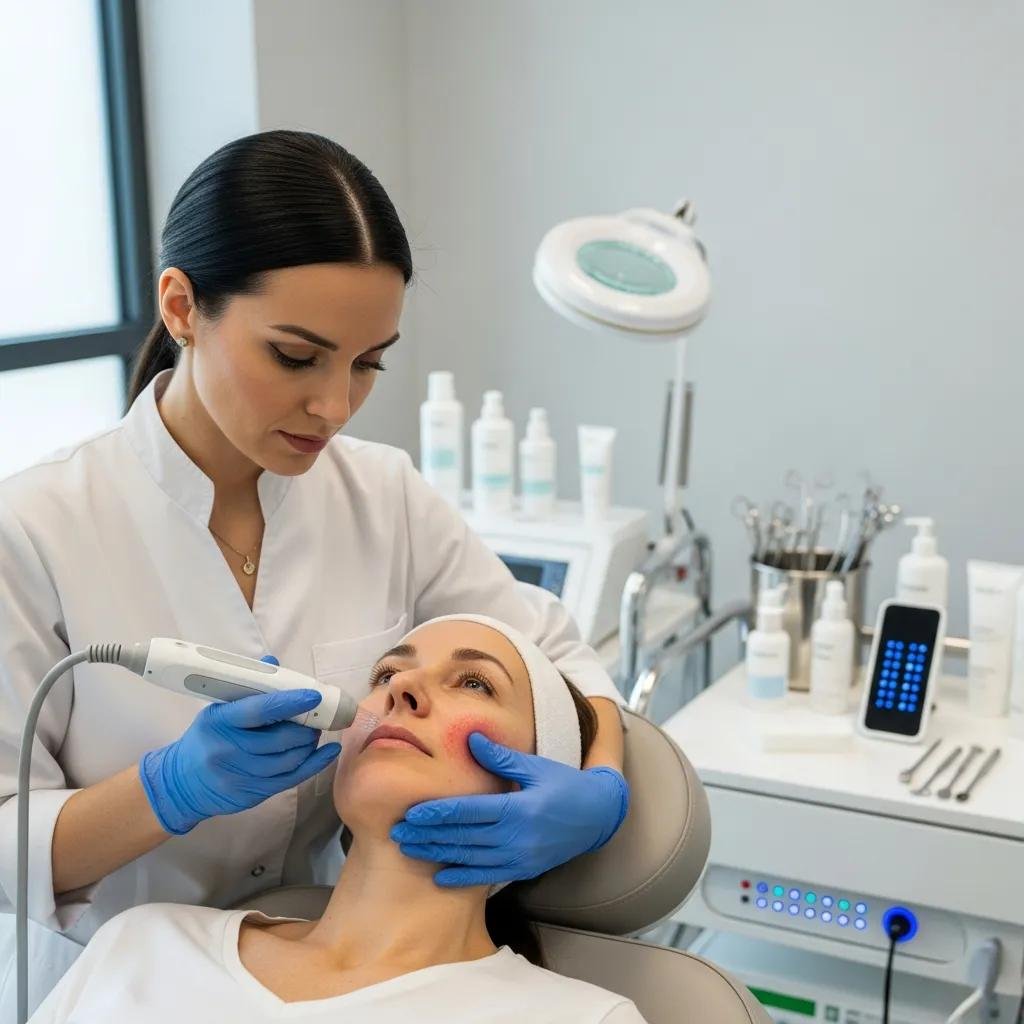
Topical growth-factor serums and in-office collagen-stimulating procedures each support growth-factor pathways through different mechanisms, and combining approaches can optimize outcomes while acknowledging limitations. Topical EGF products deliver signaling proteins or peptides to the surface to interact with receptors, whereas procedures like RF microneedling create controlled dermal injury that triggers endogenous growth-factor release. Bio-stimulating injectables act as scaffolds or stimulants that provoke gradual collagen deposition through fibroblast activation. Practical combination strategies include using stable topical serums to support the epidermal layer while scheduling in-office procedures to drive deeper dermal remodeling at appropriate intervals.
How do EGF serums and topical products promote collagen production?
Topical EGF serums promote collagen production by providing ligands that bind epidermal receptors and indirectly encourage fibroblast activity, though penetration and formulation stability govern effectiveness. Well-formulated serums use stabilizing carriers and complementary actives—such as antioxidants and barrier-supporting humectants—to protect growth-factor integrity and enhance receptor interaction. Consumers should look for products with documented stability, appropriate preservative systems, and supportive ingredients that reduce irritation while improving delivery. Realistic expectations are important: topical EGF can improve surface texture and support repair but often produces subtler results than procedural stimulation.
What role do RF Microneedling and Sculptra play in boosting natural growth factors?
RF microneedling creates controlled micro-injuries combined with thermal energy that provoke a local repair response, releasing endogenous growth factors and stimulating fibroblast-driven collagen synthesis. Sculptra is a poly-L-lactic acid bio-stimulator that induces a slow, sustained collagen response by creating a scaffold that encourages fibroblast activity and gradual dermal thickening. Together, these procedural approaches often produce more pronounced and longer-lasting collagen increases than topical actives alone because they act deeper in the dermis and elicit a sustained healing cascade. For patients considering clinical options, Shore MedSpa & Bio Aesthetics in Rockville, MD is led by board-certified dermatologist Dr. Ronald Shore and lists RF microneedling and Sculptra among in-clinic collagen-stimulating procedures available locally.
| Treatment | Primary Mechanism | Evidence Level | Expected Timeline for Collagen Increase | Typical Downtime |
|---|---|---|---|---|
| Topical growth-factor serums (EGF) | Receptor binding at epidermis; supports fibroblast signaling | Emerging clinical data; variable by formulation | Weeks to months, subtle improvements | Minimal |
| RF Microneedling | Controlled micro-injury + thermal stimulation triggers endogenous GF release | Moderate to strong procedural evidence | Visible in 6–12 weeks, improves over months | 1–7 days (erythema, swelling) |
| Sculptra (bio-stimulator) | Injectable scaffold that provokes gradual fibroblast collagen production | Strong clinical support for biostimulation | Gradual, notable by 8–12 weeks and up to 6 months | Mild swelling/bruising for days |
How Can Growth Factor-Based Treatments Improve Skin Repair and Elasticity?
Growth factor–based therapies translate molecular signaling into patient-visible outcomes such as improved elasticity, reduced fine lines, and thicker dermal tissue through increased collagen and ECM remodeling. Clinical improvements tend to be gradual, reflecting the biology of collagen synthesis, with many patients noticing texture and firmness changes over several weeks to months. Safety and recovery depend on modality: topical approaches have low risk, while procedural options require downtime and post-care to optimize healing. Understanding typical outcomes and timelines helps patients plan multi-session regimens and maintenance strategies for sustained benefit.
What results can patients expect from growth factor skin repair therapies?
Patients can expect incremental improvements that accumulate over time: early changes include improved hydration and texture, followed by progressive firmness and fine-line reduction as new collagen organizes. Topical growth factors often yield modest surface improvements within weeks, whereas RF microneedling and bio-stimulators commonly produce more appreciable dermal thickening after multiple treatments. Most protocols recommend a series of sessions spaced weeks apart, with peak improvement occurring several months after the final treatment and periodic maintenance thereafter. Shore MedSpa & Bio Aesthetics in Rockville, MD offers procedural options that align with these outcomes, including RF microneedling and Sculptra, which clinicians typically integrate into staged treatment plans to maximize collagen-driven improvement.
How do growth factors compare to peptides and other collagen boosters?
Growth factors directly signal cells to proliferate and synthesize matrix components, while peptides often act as modulators that influence signalling pathways or mimic fragments of matrix proteins to support repair indirectly. Procedural collagen boosters—microneedling, PRP, and bio-stimulators—generally elicit a stronger fibroblast response than most topical actives due to depth and injury-mediated release of endogenous growth factors. Choosing between approaches depends on desired magnitude of change, tolerability, and downtime, with combination strategies frequently delivering the best balance of safety and efficacy. Below is a concise comparison to guide selection.
- Direct Signalling (Growth Factors): Directly activates receptors to drive cell proliferation and collagen synthesis.
- Modulatory Actives (Peptides): Support signalling networks and can complement growth-factor pathways topically.
- Procedural Boosters: Trigger robust endogenous responses that often exceed topical-only results.
| Outcome Measure | Typical Result with Topicals | Typical Result with Procedures | Time to Noticeable Change |
|---|---|---|---|
| Elasticity | Modest improvement | Moderate to strong improvement | Weeks (topical) vs 6–12 weeks (procedural) |
| Fine lines | Surface smoothing | Deeper wrinkle reduction | Gradual vs progressive over months |
| Dermal thickness | Minimal | Significant with bio-stimulators | Months for peak effect |
What Should You Know About Choosing Anti-Aging Growth Factor Products?
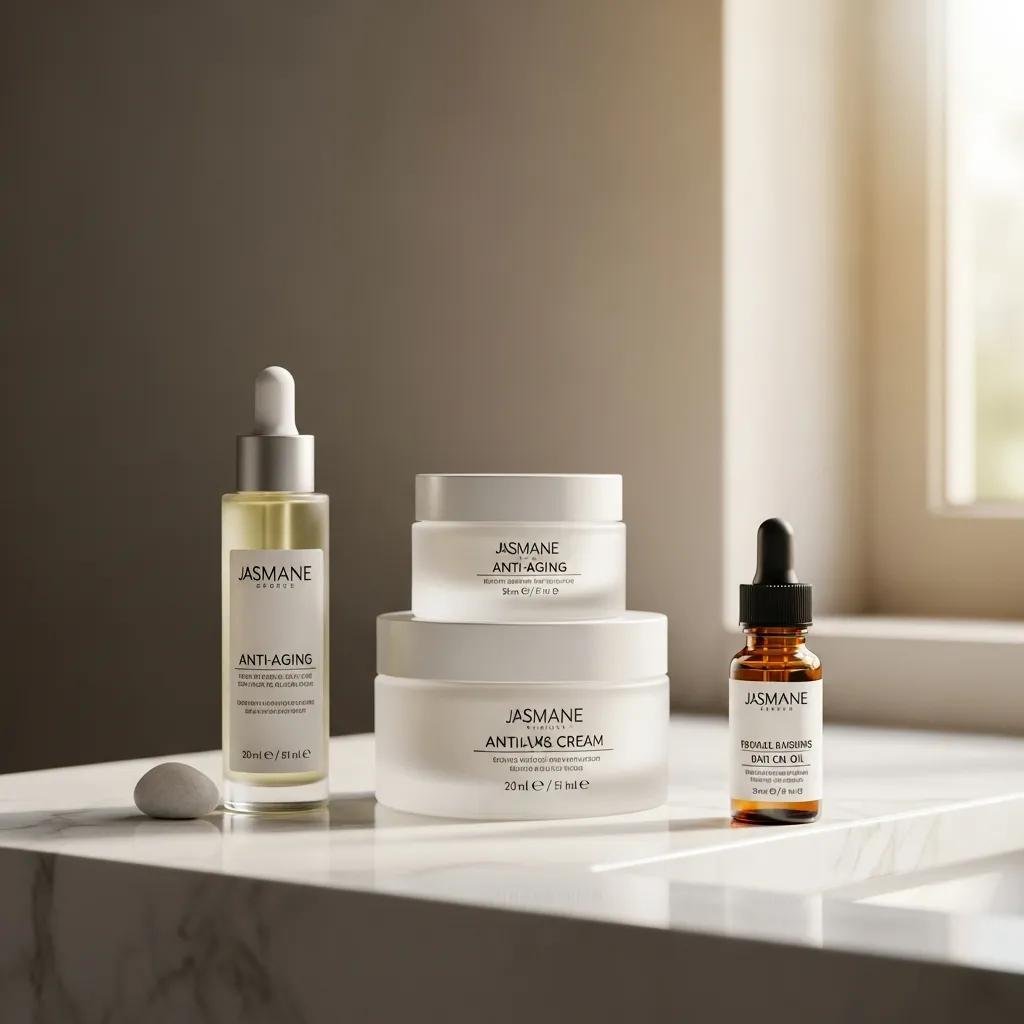
Selecting effective growth-factor products requires attention to formulation stability, delivery technology, concentration, and supporting clinical evidence so that the active molecules can reach receptors intact and exert their signaling effects. Stability matters because protein-based actives degrade if not properly preserved or encapsulated, and delivery systems such as encapsulation or peptide carriers can improve penetration and longevity on skin. Consumers should prioritize products with independent testing, transparent ingredient lists, and complementary barrier-repair ingredients to reduce irritation risk. When considering stronger procedural options, consulting a clinician helps match medical-grade strategies to skin type and goals.
Which factors determine the effectiveness of growth factor skincare products?
Effectiveness depends on several formulation factors: molecular stability, delivery system, concentration, and presence of synergistic supporting actives, all of which influence biological availability. Encapsulation or carrier systems protect growth factors from degradation and support deeper interaction with receptors, while antioxidants and humectants preserve the local environment that allows signaling to occur. Clinical evidence supporting a product considerably strengthens confidence in its effectiveness; absent strong data, consumers should expect more modest changes. A concise checklist below helps evaluate options before purchase.
- Formulation stability: Ensure protective technologies are listed.
- Delivery system: Prefer encapsulation or proven carriers for peptides/proteins.
- Supporting ingredients: Look for antioxidants and barrier repair actives.
How to integrate growth factor treatments into a personalized skincare plan?
Start by consulting a qualified clinician to assess skin condition and recommend safe sequencing for topical and in-office therapies, then patch-test new topical growth-factor products and introduce them gradually to monitor tolerance. For combined plans, practitioners often begin with topical support to strengthen the epidermis before scheduling procedural stimulation, and they space invasive sessions to allow full healing and collagen deposition. Maintenance typically involves continued topical use plus periodic procedural touch-ups to sustain results. If seeking clinical procedures nearby, Shore MedSpa & Bio Aesthetics in Rockville, MD, led by Dr. Ronald Shore, lists RF microneedling and Sculptra among options clinicians may use as part of staged, individualized protocols.
- Consultation: Get a clinical assessment to set realistic goals.
- Patch and introduce: Test topical products before full use.
- Sequence care: Use topical support before and after procedures.
- Maintenance: Plan periodic treatments to preserve collagen gains.
- Key buyer checklist: Formulation stability, delivery system, clinical evidence.
- Safety red flags: Vague claims without studies, undisclosed concentrations, high irritation rates.
- When to see a clinician: Persistent concerns, wanting procedural options, or complex skin conditions.
This practical guidance helps readers choose reliable growth-factor products and integrate them safely into an evidence-informed anti-aging regimen.