Fractional Laser Skin Resurfacing for Texture and Scars: Effective Treatments to Renew Your Skin
Fractional laser skin resurfacing is a targeted dermatologic procedure that creates microscopic treatment zones to stimulate collagen and remodel damaged skin, improving texture and reducing scars. This article explains how fractional lasers work, which concerns they treat, what to expect during and after treatment, and how device choice and cost factors influence outcomes. Many people seek resurfacing to address acne scars, surgical scars, uneven texture, pore size, and sun damage; understanding mechanism and downtime helps set realistic expectations. Readers will learn the biological rationale behind collagen induction therapy lasers, practical treatment steps, aftercare essentials, and how to evaluate ablative versus non-ablative options. The guidance below integrates current research perspectives and practical decision criteria while briefly noting that Shore MedSpa & Bio Aesthetics offers Er:YAG laser resurfacing under the care of board-certified dermatologist Dr. Ronald Shore for those exploring clinician-led options.
Fractional Laser Skin Resurfacing: Improve Texture & Reduce Scars
Fractional laser skin resurfacing is a form of laser skin resurfacing that treats only a fraction of the surface in microscopic treatment zones (MTZs), triggering a controlled wound-healing response that stimulates collagen and elastin remodeling. The mechanism—creating MTZs while sparing surrounding tissue—allows faster recovery and progressive improvement in texture, pore size, and scar depth compared with full-field ablation. Visible benefits include smoother skin surface, reduced irregularity, and gradual softening of atrophic scars as new extracellular matrix replaces damaged tissue. Understanding this mechanism clarifies why multiple sessions are often scheduled to build collagen remodeling over months.
Different aspects of the mechanism and clinical impact are summarized below for quick reference.
| Component | Role | Clinical Impact |
|---|---|---|
| Microscopic treatment zones (MTZs) | Controlled micro-injury | Stimulates collagen induction and tissue remodeling |
| Collagen remodeling | Fibroblast activation | Improves firmness and reduces scar depth over weeks–months |
| Epidermal ablation vs thermal columns | Resurfacing depth control | Balances efficacy with downtime and healing risk |
How Does Fractional Laser Stimulate Collagen for Skin Rejuvenation?
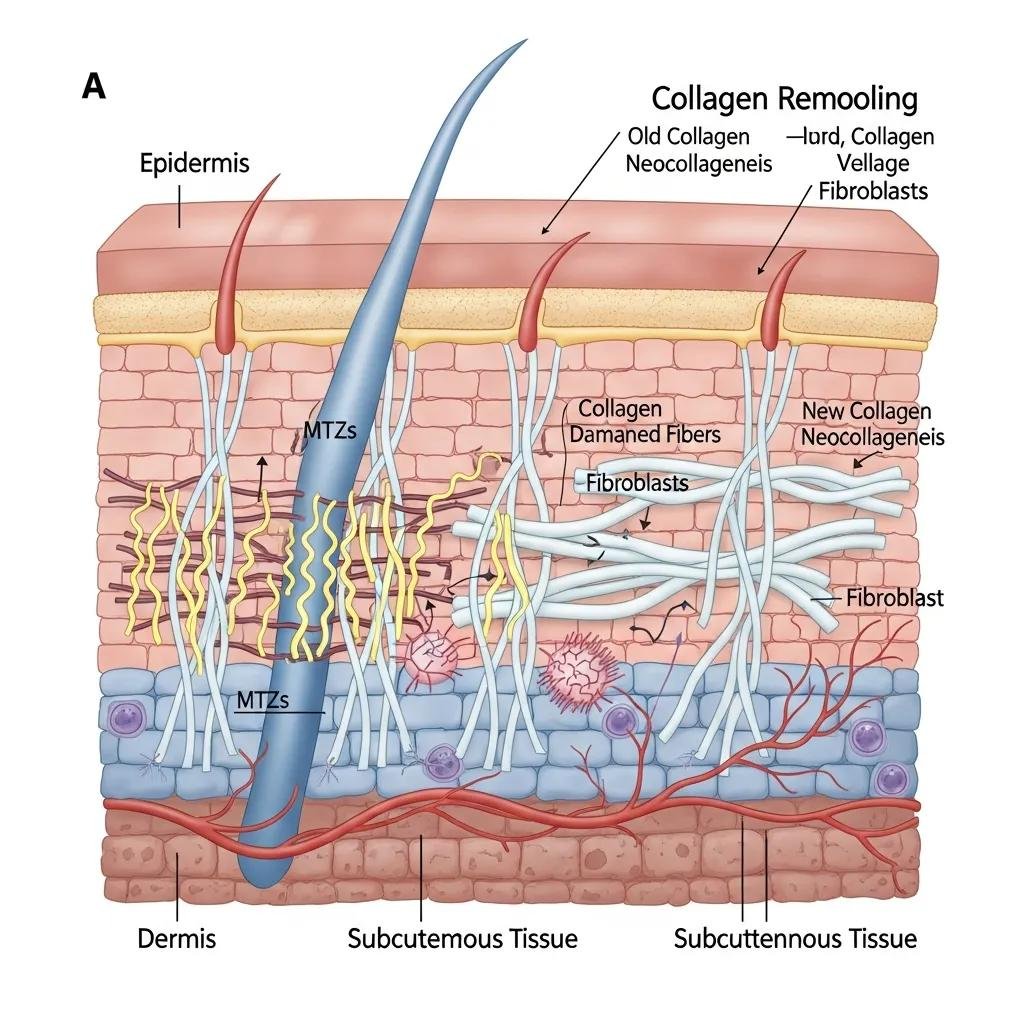
Fractional lasers create arrays of MTZs that initiate an orderly wound-healing cascade: hemostasis, inflammation, proliferation, and remodeling, leading to fibroblast activation and new collagen deposition. This biological sequence—micro-injury → growth factor release → collagen synthesis—enhances dermal matrix density and reorganizes collagen fibers, which reduces surface irregularities and fine lines over time. Clinically, patients notice gradual textural smoothing and improved scar contour in the weeks and months following treatment as type I and III collagen mature. Knowing this timeline helps patients plan sessions and adjunctive skincare to support remodeling and sun protection during recovery.
Understanding collagen induction sets up the next consideration: how different fractional devices achieve these effects through distinct tissue interactions.
What Are the Differences Between Ablative and Non-Ablative Fractional Lasers?
Ablative fractional lasers (e.g., Er:YAG, fractional CO2) remove columns of epidermis and some dermis to create pronounced resurfacing, while non-ablative fractional lasers create thermal injury without epidermal removal to stimulate collagen more gently. Ablative approaches typically produce faster, more dramatic textural improvement but require longer downtime and more intensive aftercare; non-ablative options have minimal downtime but often need more sessions for similar results. Device choice therefore balances depth of correction, recovery tolerance, and pigmentation risk, especially in darker skin types.
| Laser Type | Downtime | Typical Results | Ideal Use-cases |
|---|---|---|---|
| Ablative (Er:YAG, CO2) | Several days to 1–2 weeks | Stronger resurfacing, scar remodeling | Deep acne scars, advanced photoaging |
| Non-ablative (fractional, Fraxel-style) | Minimal days | Gradual collagen induction | Mild texture, pore refinement, minimal downtime |
| Hybrid approaches | Variable | Customized balance of efficacy and recovery | Mixed concerns requiring tailored depth |
Which Skin Concerns Can Fractional Laser Effectively Treat?
Fractional laser resurfacing addresses a range of texture and scar-related problems by remodeling dermal collagen and resurfacing the epidermis to varying depths. It is commonly used to treat acne scars, surgical scars, fine lines and wrinkles, sun damage including rough texture and deep brown spots, and enlarged pores; the modality and depth are chosen based on the target concern and skin type. Results are progressive and often require a series of treatments spaced weeks apart to maximize collagen remodeling while monitoring pigmentation and healing. Below is a concise list of primary indications and a one-line qualifier for each to optimize featured-snippet clarity.
Fractional lasers can improve these concerns:
- Acne scars: Best for atrophic, depressed scars with gradual contour improvement.
- Surgical scars: Effective for texture and thickness reduction when remodeled over multiple sessions.
- Fine lines and wrinkles: Reduces superficial lines by tightening dermal collagen and improving skin surface.
- Sun damage/uneven tone: Improves roughness and some pigmentation when combined with proper photoprotection.
- Enlarged pores: Shrinks apparent pore size by refining epidermal surface and increasing dermal support.
These indications guide modality selection, which is discussed in the next section focusing on treatment logistics and recovery.
How Does Fractional Laser Treat Acne and Surgical Scars?
Fractional lasers remodel atrophic acne scars by inducing dermal collagen deposition to lift depressed areas and soften margins; deeper ablative settings reach scar base more effectively than superficial non-ablative pulses. For surgical scars, fractional treatment promotes collagen reorganization and can reduce hypertrophic contours when combined with tension-reducing strategies; modality choice depends on scar maturity and depth. Typical courses involve multiple sessions spaced 4–12 weeks apart to incrementally rebuild support and allow assessment of remodeling. Selecting a device that delivers adequate penetration without excessive epidermal injury is key to maximizing improvement while limiting adverse effects.
Can Fractional Laser Improve Fine Lines, Wrinkles, and Uneven Skin Texture?
Fractional lasers reduce fine lines and improve surface texture by stimulating neocollagenesis and reorganizing the dermal matrix, which tightens skin and smooths crepey areas. For moderate wrinkles, ablative fractional options often produce more noticeable tightening, whereas non-ablative treatments can refine texture with lower downtime but slower visible effects. Combining laser resurfacing with medical-grade topical therapies and sun protection accelerates and sustains results. Patients considering enhancement for aging skin should weigh degree of correction desired against acceptable recovery time and consult a qualified provider for personalized planning.
What Should You Expect During and After a Fractional Laser Procedure?
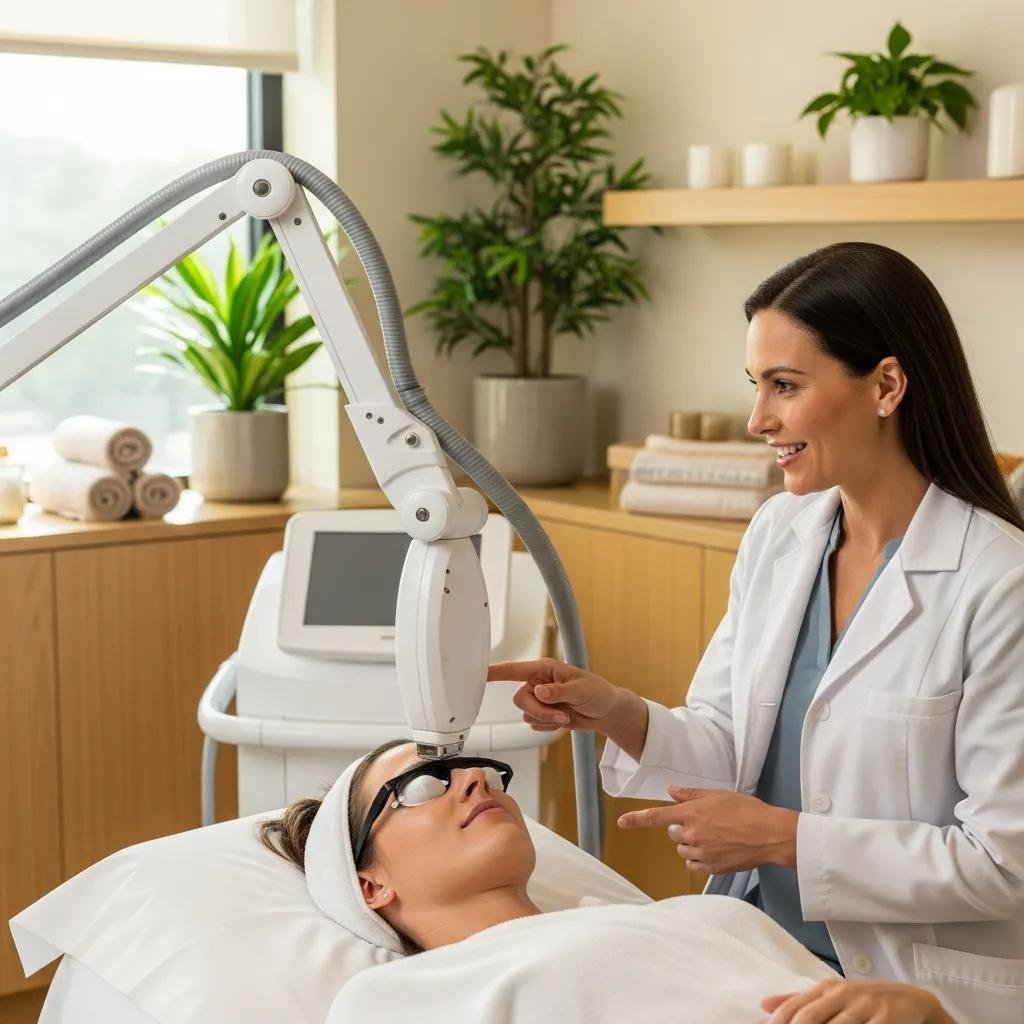
A typical fractional laser care pathway follows a predictable sequence: medical consultation to assess candidacy, pre-procedure skin preparation, the treatment session with topical or local anesthesia, and a defined recovery period for re-epithelialization and remodeling. During the visit, patients experience sensations ranging from warmth to stinging depending on settings, and providers adjust parameters to balance efficacy and safety for each skin type. Immediate post-procedure signs include redness and swelling, with progressive improvement and collagen remodeling visible over weeks to months. Understanding these steps helps patients prepare and align expectations for results and downtime.
Below is a step-by-step overview of what to expect during the patient journey.
- Consultation and skin assessment to choose modality and settings.
- Pre-treatment preparation including cleansing and topical anesthesia as needed.
- Treatment session with controlled delivery of fractional pulses to the target area.
- Post-treatment monitoring and scheduled follow-up to track healing and plan additional sessions.
These steps provide a roadmap for patients, and the next subsection notes how Shore MedSpa frames the clinical workflow for those seeking provider-led care.
What Is the Typical Fractional Laser Treatment Process at Shore MedSpa?
Shore MedSpa & Bio Aesthetics offers Er:YAG laser resurfacing as one of its fractional modalities under the oversight of board-certified dermatologist Dr. Ronald Shore, providing clinician-led assessment and follow-up. The clinic emphasizes a structured care pathway—initial evaluation to determine candidacy, selection of appropriate fractional settings, and post-procedure follow-up to monitor healing—while tailoring depth and session count to the individual concern. Mentioning Er:YAG highlights an ablative option available at the practice that can be appropriate for more significant texture or scar work. Patients selecting clinician-led care benefit from specialist assessment of skin type and risk mitigation strategies.
This clinic context leads directly into practical aftercare considerations and downtime expectations.
How Long Is the Downtime and What Are the Aftercare Recommendations?
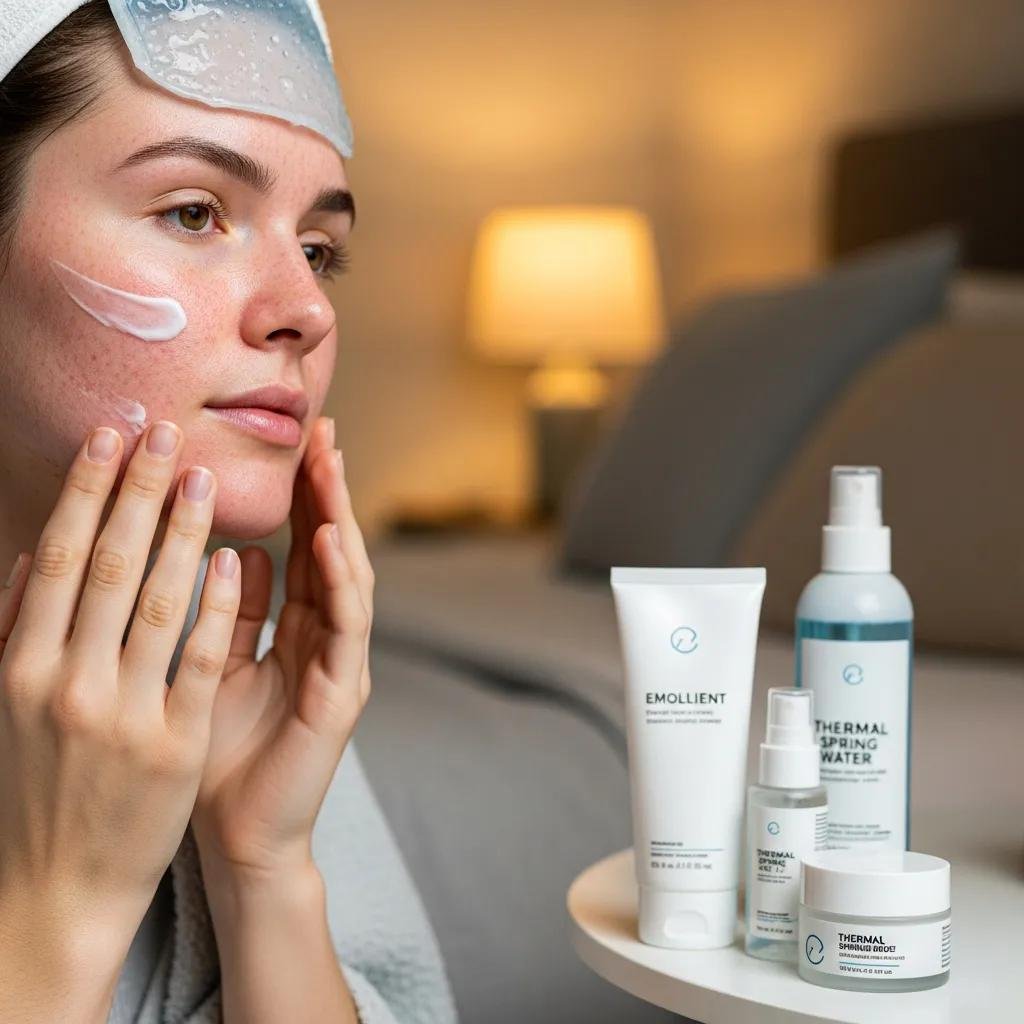
Downtime depends on whether the treatment was ablative or non-ablative: non-ablative fractional lasers typically cause mild redness and swelling for 1–3 days, while ablative fractional resurfacing can require 5–10 days for re-epithelialization. Aftercare focuses on cooling, gentle cleansing, frequent emollients, and strict sun avoidance until the skin barrier is restored to reduce hyperpigmentation risk. A practical aftercare checklist follows to guide recovery and support optimal remodeling.
- Cool compresses and gentle cleansing twice daily to reduce inflammation.
- Regular application of sterile emollients or ointments to maintain a moist healing environment.
- Avoid direct sun exposure and use high-protection physical blockers once healed.
- Schedule follow-up with your provider to assess healing and timing for subsequent sessions.
How Does Fractional Laser Cost Compare and Which Laser Is Best for Your Skin Concerns?
Cost for fractional laser treatments varies primarily with device type, treatment area size, the number of sessions required, and provider expertise; ablative procedures often command higher fees due to increased downtime and expertise required. When choosing a laser, balance desired efficacy against acceptable recovery: ablative devices (including Er:YAG) deliver stronger resurfacing and scar remodeling, while non-ablative fractional lasers prioritize minimal downtime and gradual improvement. Decision criteria should include severity of the concern, skin type, and tolerance for recovery time, with a board-certified dermatologist consulted for personalized recommendations.
The table below outlines common cost drivers and descriptive ranges to help readers understand where resource allocation typically concentrates.
| Factor | How It Affects Cost | Typical Range (descriptive) |
|---|---|---|
| Device type (ablative vs non-ablative) | Ablative procedures generally involve higher complexity and recovery | Higher for ablative, moderate for non-ablative |
| Treatment area size | Larger areas require more time and pulses | Costs scale with treated surface |
| Number of sessions | More sessions increase total investment | Multiple sessions often needed for optimal results |
| Provider expertise | Specialist providers may charge more for expertise and safety | Higher with board-certified dermatologists |
This framework helps patients prioritize investments based on the severity of their concerns and desired outcomes, and it complements the clinical recommendation to consult specialists like Dr. Ronald Shore for individualized planning.
What Factors Influence the Cost of Fractional Laser Treatments?
Several factors drive cost: the laser device and its consumables, session length and treated area, number of sessions needed to reach goals, and the provider’s qualifications and facility standards. Ablative lasers typically require more intensive post-procedure care and clinician oversight, which elevates overall cost relative to non-ablative alternatives. Geographic market differences and clinic reputation also influence fees, but the primary determinants remain device intensity and treatment complexity. Understanding these variables helps patients plan realistic budgets and compare options based on value rather than price alone.
How to Choose the Best Fractional Laser for Wrinkles and Scars?
Choosing the optimal laser depends on matching treatment depth to concern severity: deep atrophic scars and pronounced photoaging often benefit from deeper ablative fractional approaches, while mild texture issues and pore refinement respond well to non-ablative fractional therapy. Consider skin type, pigmentation risk, downtime tolerance, and the provider’s experience when weighing options, and prioritize a medical consultation for tailored planning. For patients interested in an ablative option, note that Shore MedSpa offers Er:YAG laser resurfacing performed under board-certified dermatologic oversight, making clinician assessment an important step in choosing the safest, most effective path forward.