
Er:YAG Laser Resurfacing in Rockville, MD: Effective Skin Rejuvenation and Scar Treatment
Er:YAG laser resurfacing is an ablative laser procedure that precisely removes superficial skin layers to improve texture, reduce scars, and stimulate collagen-driven skin tightening; in Rockville, MD this approach is recognized for effective skin rejuvenation with comparatively less thermal damage than deeper ablative options. This article explains how the Erbium YAG wavelength works, which skin conditions respond best, what patients can expect before, during, and after treatment, and how cost factors and financing typically operate in the local market. Many patients seek laser skin resurfacing in Rockville to address fine lines, acne scarring, and sun damage while minimizing downtime; this guide clarifies candidacy, procedural steps, and real-world recovery timelines so readers can assess whether Er:YAG fits their goals. Throughout, we reference practice-level context where helpful, noting that Shore MedSpa & Bio Aesthetics, led by Board-Certified Dermatologist Dr. Ronald Shore, offers specialized Er:YAG protocols in the Rockville area while focusing primarily on the clinical and technical considerations readers need to decide. First we define the technology and mechanism, then summarize clinical benefits and indications, walk through the patient experience and aftercare, and finish by outlining cost drivers and typical financing pathways.
What is Er:YAG Laser Resurfacing and How Does It Work?
Er:YAG laser resurfacing uses an erbium-doped YAG crystal emitting energy at a wavelength of 2940 nm that is highly absorbed by water in skin tissue, enabling controlled ablation of the epidermis and limited thermal effect in the dermis to trigger collagen remodeling. The mechanism combines precise epidermal removal with a thermal stimulus that activates fibroblasts and initiates neocollagenesis, improving surface irregularities and gradually increasing dermal firmness over weeks to months. Recent studies and clinical reports emphasize that the limited lateral thermal spread of Er:YAG reduces the risk of prolonged redness and pigmentation compared with higher-heat ablative options, making it a preferred choice for patients seeking noticeable improvement with shorter social downtime. Understanding this fundamental action sets up a closer look at how texture, tone, and scars specifically respond to fractional and full-field Er:YAG approaches in the next subsection.
How does the Erbium YAG laser improve skin texture and tone?
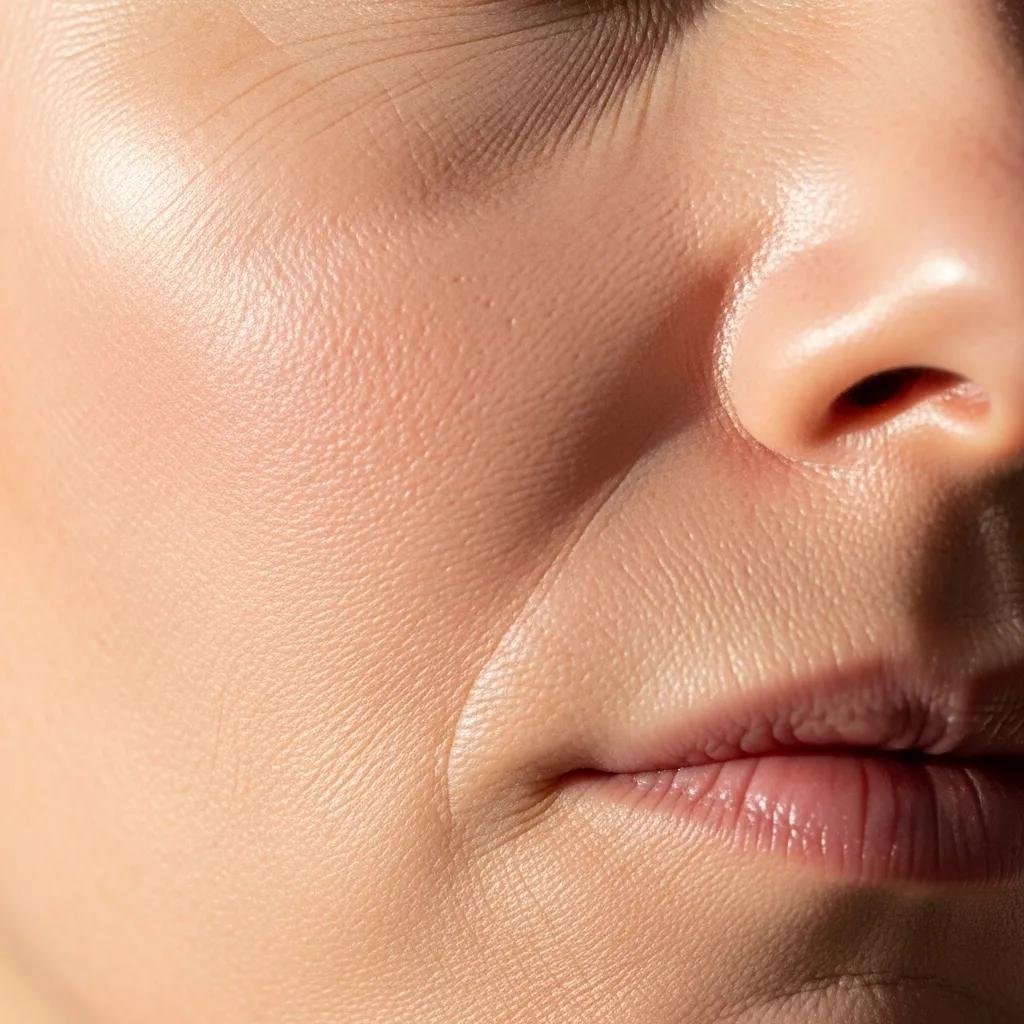
Erbium YAG improves texture and tone by producing controlled micro-ablative columns (in fractional modes) or uniform epidermal removal (in full-field modes) that eliminate damaged surface tissue and stimulate collagen deposition beneath. This process smooths roughness, reduces superficial irregularities from acne scarring, and evens pigmentation by removing pigmented epidermal layers and replacing them with regenerated keratinocytes. Typical treatment protocols vary: mild texture concerns often respond in one session, while deeper scars or pronounced sun damage commonly require two to three sessions spaced several weeks apart for cumulative improvement. These incremental results usually become visible within a few weeks and continue to refine over three to six months as collagen maturation progresses, which leads naturally into a comparison with other ablative lasers.
What makes Er:YAG laser different from other ablative lasers like CO2?
Er:YAG differs from CO2 primarily by wavelength absorption characteristics and resultant thermal spread: Er:YAG energy is absorbed more efficiently by water, producing precise ablation with less residual heat in surrounding tissue, whereas CO2 yields deeper thermal coagulation. The practical trade-offs are that Er:YAG typically offers faster re-epithelialization and lower immediate downtime and reduced hyperpigmentation risk, while CO2 can provide more dramatic restructuring for very deep wrinkles or severe scarring at the cost of longer recovery. In practice, clinicians choose Er:YAG for patients prioritizing quicker recovery and lower pigmentation risk, and choose CO2 when deeper dermal remodeling is required; this treatment selection framework leads into the clinical benefits we cover next.
What Are the Key Benefits of Er:YAG Laser Treatment in Rockville?
Er:YAG laser treatment delivers targeted improvement across wrinkles, acne scars, sun-damaged skin, and uneven texture by combining epidermal renewal with dermal collagen stimulation that strengthens skin architecture over time. The primary benefits include measurable wrinkle reduction, smoother scar contours, selective removal of pigmented epidermal lesions, and relatively shorter social downtime compared with deeper ablative methods; these outcomes make Er:YAG particularly suitable for patients in Rockville seeking noticeable rejuvenation with moderated recovery. Below are common indications and what patients can typically expect in terms of mechanisms and likely outcomes.
Er:YAG resurfacing is effective for several common conditions:
- Fine lines and superficial wrinkles: Improves appearance by resurfacing and stimulating collagen for firmer skin.
- Acne scars and texture irregularities: Smooths surface contour through micro-ablative channels and remodeling.
- Sun damage and epidermal pigmentation: Removes pigmented layers while limiting thermal injury that can exacerbate pigment.
These clinical benefits connect to expected condition-specific outcomes summarized in the following table.
| Condition Treated | Mechanism | Expected Outcome |
|---|---|---|
| Fine lines & wrinkles | Superficial epidermal ablation + dermal collagen induction | Reduced wrinkle depth, firmer texture after 1–3 sessions |
| Acne scars | Fractional micro-ablative columns + neocollagenesis | Smoother scar contour and reduced indention over months |
| Sun damage / pigmentation | Selective epidermal removal of pigmented cells | Improved tone and fewer visible spots with lower PIH risk |
This comparison highlights how Er:YAG pairs surface renewal with biologic remodeling to produce durable aesthetic improvement and leads into specifics about how wrinkles and scars remodel under treatment.
How does Er:YAG laser reduce wrinkles, fine lines, and acne scars?
Er:YAG reduces wrinkles and scars primarily through controlled disruption of damaged epidermal tissue and by creating thermal signals that promote collagen synthesis in the papillary and superficial reticular dermis. For superficial lines, a single treatment often yields visible smoothing, whereas moderate deep lines and rolling acne scars usually need two to three sessions for meaningful contour change as collagen accumulates. Fractional Er:YAG targets microcolumns and spares intervening skin, accelerating healing and allowing practitioners to titrate depth versus downtime; full-field approaches deliver more uniform resurfacing for broader sun damage. Understanding session planning and expected timelines helps patients set realistic goals before proceeding to treatment logistics.
Why is Er:YAG laser suitable for sun damage and pigmentation issues?
Er:YAG selectively ablates pigmented epidermal lesions by removing the superficial melanin-containing layers with minimal lateral thermal injury, reducing the incidence of post-inflammatory hyperpigmentation compared with deeper-heat lasers. This selective action, combined with careful patient selection across Fitzpatrick skin types I–III, makes Er:YAG a viable option for many patients with epidermal sun damage while still requiring dermatologist assessment for higher Fitzpatrick types (IV–VI) to manage pigment risk. Conservative treatment settings, pre- and post-procedure skincare, and staged sessions further mitigate complications and support even tone restoration. These clinical suitability points transition naturally to the patient experience on treatment day.
What Should Patients Expect During and After Er:YAG Laser Resurfacing?
Before treatment, a thorough consultation evaluates skin type, scarring depth, pigmentation, and realistic goals; candidacy is confirmed and a customized plan is proposed that balances depth of ablation with acceptable downtime. On the procedure day, topical anesthesia and optional local anesthesia are used to manage discomfort, with treatment times typically ranging from 20 to 60 minutes depending on area and mode (fractional vs full-field), and immediate effects include erythema and a sensation of heat. Aftercare emphasizes wound protection, gentle cleansing, and topical emollients plus strict sun avoidance to support re-epithelialization and pigment stabilization.
Below is a concise timeline and recommended post-care actions for typical recovery.
The following timeline maps common immediate sensations and typical recovery milestones.
| Phase | Sensation/Effect | Typical Timeline |
|---|---|---|
| Immediate | Redness, warmth, mild swelling | 0–48 hours |
| Early healing | Peeling, crusting, increased sensitivity | 3–7 days |
| Reduced redness | Pinkness fading, skin smoothing begins | 1–4 weeks |
This timeline clarifies expectations for the first month and prepares patients for aftercare and follow-up protocols that help optimize outcomes.
Er:YAG post-procedure care emphasizes a few core steps:
- Cleanse gently and apply non-irritating emollients as instructed.
- Avoid sun exposure and use broad sun protection once healed.
- Attend scheduled follow-up visits to monitor healing and pigment changes.
These aftercare actions reduce complications and maintain results, and now we describe the typical clinic experience at Shore MedSpa & Bio Aesthetics for patients seeking this treatment locally.
What is the typical procedure day experience at Shore MedSpa?

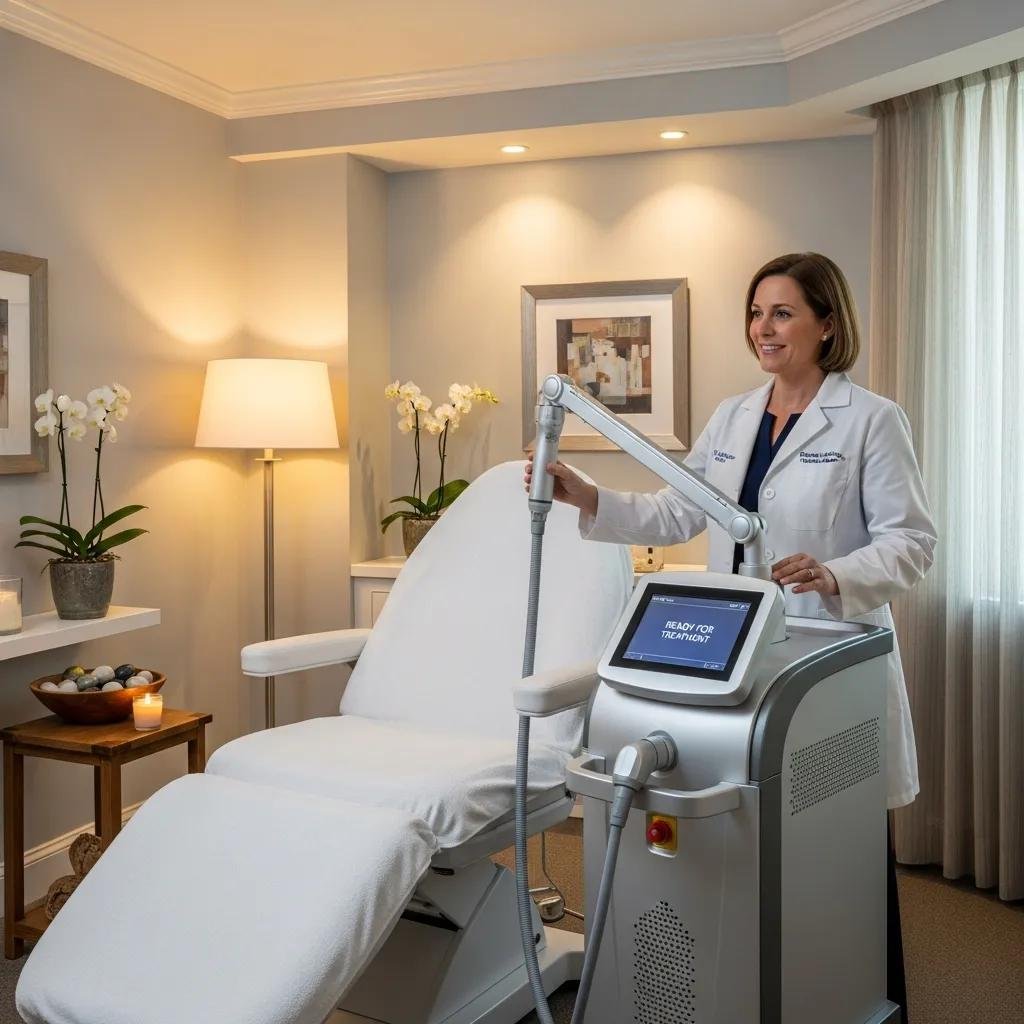
At Shore MedSpa & Bio Aesthetics the patient pathway begins with a focused consultation and skin assessment by a board-certified dermatologist, ensuring individualized treatment selection and safety considerations are addressed. On procedure day, topical numbing and optional local anesthetic are used to provide comfort while the Er:YAG handpiece is applied in fractional or full-field modes based on the agreed plan, with treatment times tailored to the area size and depth required. Immediate post-treatment steps include cooling, application of protective topical ointments, and clear instructions for home wound care and sun avoidance; these clinic-directed steps aim to minimize downtime and assist healing. This clinic-specific flow leads naturally into a concise recovery timeline and practical aftercare details.
How long is the recovery and what are the aftercare instructions?
Typical social downtime after Er:YAG resurfacing is generally shorter than with deeper ablative lasers: most patients experience peeling and visible redness for approximately 3–7 days, with pinkness that gradually fades over several weeks. Recommended aftercare includes gentle cleansing, application of barrier ointments, avoidance of makeup until re-epithelialization, daily high-SPF sun protection after healing, and prompt contact with the provider for increasing pain, unusual drainage, or signs of infection. Signs that require clinical follow-up include prolonged severe erythema, spreading discoloration, or delayed healing beyond expected windows; these precautions protect results and reduce pigment complications.
Understanding expected recovery helps patients plan downtime and follow-up, and that context leads into cost considerations for local services.
How Does Er:YAG Laser Resurfacing Cost and Financing Work in Rockville?
Cost for Er:YAG resurfacing varies with multiple factors including treatment area size, whether fractional or full-field approaches are used, the depth and number of passes per session, and the total number of sessions required to reach goals. Typically, larger or deeper treatments and multiple-session protocols increase total cost, and clinician expertise or facility setting can influence pricing; many practices provide personalized quotes after consultation because standardized pricing rarely captures individualized treatment complexity. Financing options are commonly available through third-party medical financing and in-house payment plans at many clinics, and prospective patients are advised to request a detailed estimate and discuss payment options during their consultation.
Key factors that influence price include:
- Treatment area: Face-only versus neck, chest, or hands increases procedure time and cost.
- Depth and intensity: Deeper passes or full-field resurfacing require more resources and recovery support.
- Number of sessions: Staged improvements usually require multiple visits to achieve desired results.
The following table clarifies service components, cost factors, and typical notes to help readers understand price variance.
| Service Component | Cost Factor | Typical Range / Notes |
|---|---|---|
| Treatment area size | Time & resource use | Larger areas increase total cost |
| Treatment depth | Equipment time & healing | Deeper resurfacing may need more sessions |
| Follow-up care | Clinician visits & supplies | Post-op products and visits affect total investment |
This cost framework explains why individualized quotes are necessary and why financing discussions are best handled during clinic consultation; Shore MedSpa & Bio Aesthetics can provide personalized estimates and discuss available payment pathways with interested patients.
- Business note: Shore MedSpa & Bio Aesthetics, led by Board-Certified Dermatologist Dr. Ronald Shore, specializes in Er:YAG laser resurfacing in Rockville and surrounding communities, offering clinician-led consultations that align treatment intensity with patient goals.
- Transition: With cost and financing clarity, patients can weigh potential benefits, downtime, and long-term results before scheduling a consultation.
- Treatment planning: Individualized consultation determines candidacy and creates a staged plan.
- Informed consent: Risks, benefits, and recovery expectations are explained before scheduling.
- Follow-up: Post-procedure visits assess healing and guide any adjunctive care.
These steps encourage informed decisions and safer outcomes for patients considering Er:YAG resurfacing in the Rockville area.