
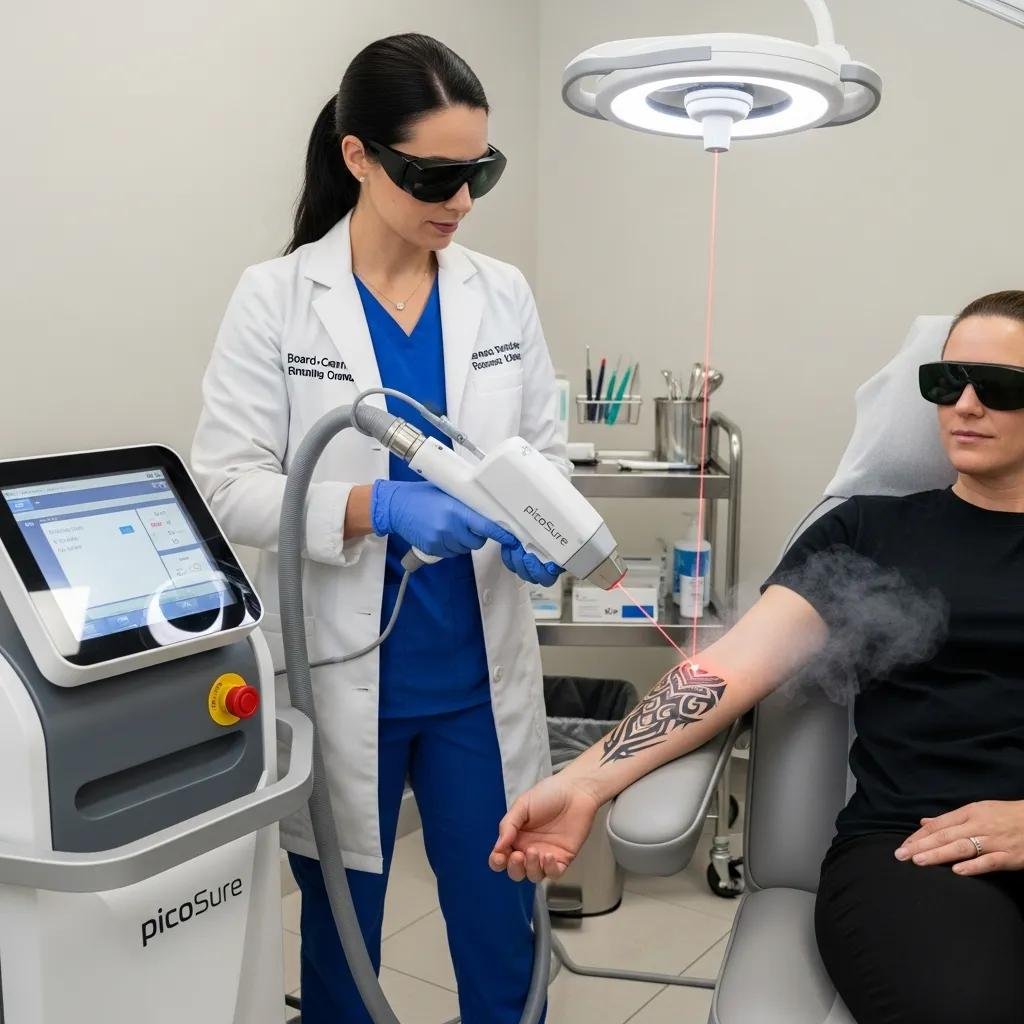
Effective Laser Tattoo Removal in Rockville, MD: Cost, Technology, and Results
Laser tattoo removal is a medical aesthetic procedure that uses focused light energy to fragment ink particles so the body can clear them, offering a reliable path for unwanted tattoo removal and tattoo fading.
In Rockville, MD, advanced picosecond laser tattoo removal is overseen by board-certified practitioners, and Shore MedSpa & Bio Aesthetics — led by Dr. Ronald Shore — is a local provider using picosecond technology to improve clearance while minimizing scarring.
This article explains how laser removal works at a practical level, summarizes typical session counts and industry cost ranges, and outlines the patient experience from treatment to aftercare.
Readers will learn the differences between picosecond and older laser types, what factors influence pricing and session number, how pain is managed during sessions, and realistic expectations for fading versus complete removal.
The following sections cover: what laser tattoo removal is and how it works; how much it costs in Rockville, MD; what patients feel and should expect during treatment; and the kinds of results you can expect, including guidance on viewing before-and-after examples.
What Is Laser Tattoo Removal and How Does It Work?
Laser tattoo removal uses short bursts of high-energy light to fragment tattoo ink into particles small enough for immune cells to remove, reducing pigment visibly over multiple sessions.
The mechanism relies on selective photothermolysis where laser pulses target ink colors while limiting damage to surrounding skin, which helps lower scarring risk and speeds recovery.
Recent research and clinical practice favor picosecond lasers for many inks because they deliver extremely brief pulses that create photomechanical fragmentation rather than prolonged heat, improving clearance of stubborn colors.
Understanding these mechanisms helps patients evaluate options between conventional Q-switched systems and newer picosecond technology, which differs in pulse duration and color efficacy. Below is a compact comparison to illustrate why picosecond lasers are commonly chosen for multi-color and resistant tattoos.
This table compares common laser types used in tattoo removal and their practical benefits.
| Laser Type | Mechanism | Benefit |
|---|---|---|
| Picosecond laser | Ultrashort (picosecond) pulses fragment ink mechanically | Faster clearance for multiple colors; reduced thermal damage |
| Q-switched laser | Nanosecond pulses break ink via thermal and mechanical effects | Effective for darker pigments; longer treatment course |
| Fading-for-cover-up approach | Lower-energy sessions focused on partial removal | Prepares tattoo for a new design with fewer sessions |
The table shows that picosecond systems emphasize speed and color range, Q-switched approaches remain useful for dark inks, and strategic fading can support cover-up goals. These distinctions guide choice of technology based on tattoo color, age, and removal objective.
How Does Picosecond Laser Technology Remove Tattoos?
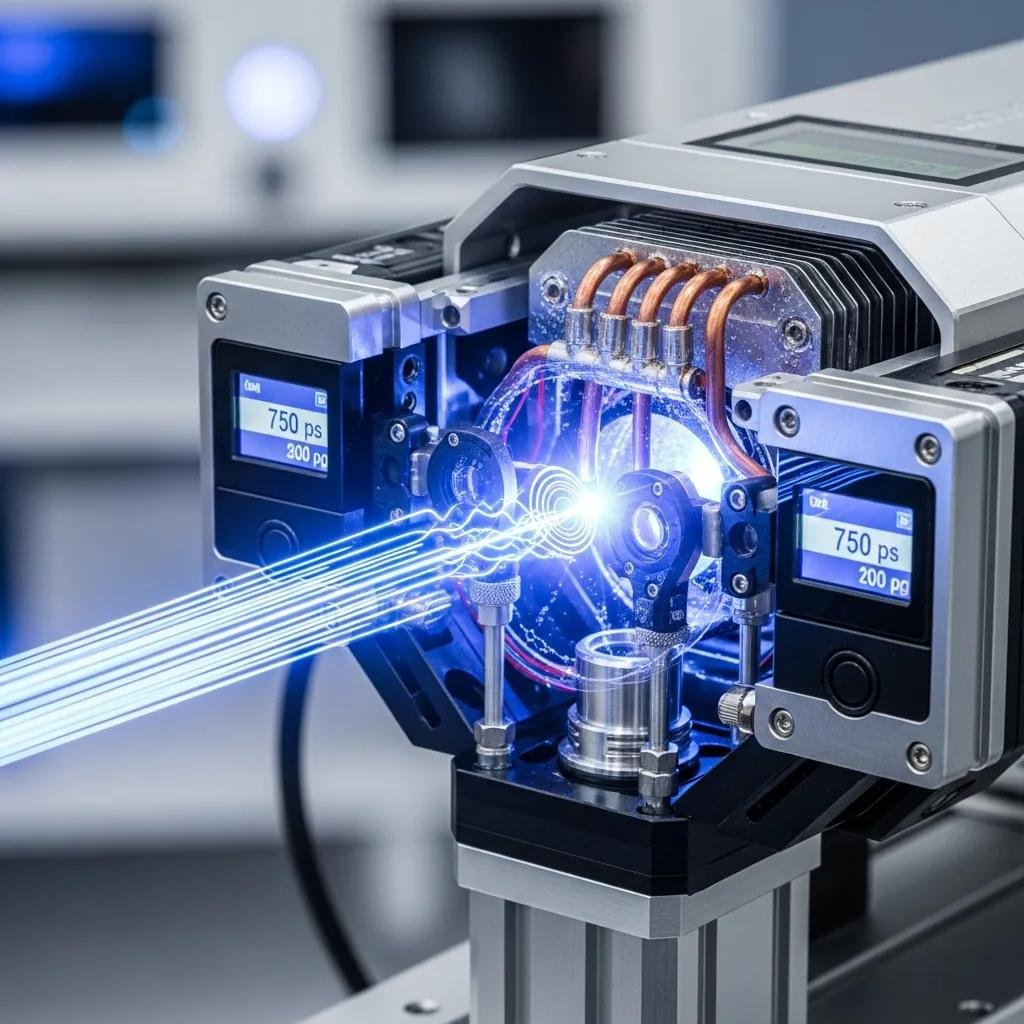
Picosecond lasers emit pulses measured in picoseconds, delivering intense mechanical shock that fragments ink particles into much smaller pieces the immune system can clear.
This photomechanical effect reduces heat-related injury to surrounding tissue, lowering the risk of scarring and post-treatment pigmentary changes.
Clinically, picosecond pulses tend to work well across a broader range of ink colors, including reds and blues that historically resisted removal, and they often reduce the number of sessions needed compared with older nanosecond systems.
Patients should understand that pigment chemistry and skin response still influence outcomes, making an individualized plan essential.
How Many Sessions Are Typically Needed for Effective Removal?
Most tattoos require multiple sessions, with industry averages ranging from about 5 to 15 treatments depending on tattoo size, color complexity, and how long the ink has been in the skin.
Dark, single-color tattoos usually clear faster than large, multicolor pieces, while older tattoos sometimes respond better because ink has broken down partially over time.
Immune system efficiency and skin type also influence how quickly fragmented ink is removed, so session intervals and totals vary by person.
For precise expectations, schedule a consultation to assess your tattoo and create a personalized plan that reflects these variables.
How Much Does Laser Tattoo Removal Cost in Rockville, MD?
Per-session pricing for laser tattoo removal in Rockville typically follows industry averages of roughly $200–$500 per treatment, with final cost determined by size, color complexity, number of sessions, and provider expertise.
Exact pricing varies, and cost-efficient options can include multi-session packages or per-area estimates that adjust based on tattoo attributes.
Shore MedSpa & Bio Aesthetics offers personalized consultations to estimate total treatment cost and recommended session counts using picosecond laser technology, so patients can plan financially and medically.
This table explains how tattoo attributes map to typical per-session ranges and expected sessions.
| Tattoo Attribute | Typical Per-Session Range | Sessions Impact |
|---|---|---|
| Small, single-color (e.g., black) | $200–$300 | Often fewer sessions (approx. 5–8) |
| Medium, mixed colors | $250–$400 | Requires more sessions for full clearance |
| Large, multicolor | $350–$500+ | May need many sessions (10–15+) and staged planning |
The table highlights that larger and more colorful tattoos increase both per-session time and total sessions, so consultation is key to a realistic budget and timeline. Discussing package options and a personalized estimate during a consult helps align expectations with likely costs.
What Factors Influence Laser Tattoo Removal Pricing?
Several concrete factors change pricing: tattoo size determines session time, color complexity affects required laser wavelengths and pulses, and tattoo age and location influence clearance speed.
Provider expertise and technology (e.g., picosecond vs. older systems) also affect pricing because advanced lasers can deliver better color clearance with fewer sessions.
Additional considerations include follow-up care needs and whether fading is desired for a cover-up rather than full removal.
These variables mean that two tattoos of similar visual size can have very different overall costs.
Are There Package Deals or Consultations Available?
Many clinics package multi-session treatments to reduce per-session cost and provide predictable budgeting, and consultations are standard to create individualized plans based on tattoo characteristics and patient goals.
Shore MedSpa & Bio Aesthetics recommends an in-person assessment to outline likely session counts and any package options that may be available, keeping the focus on safe, effective removal with picosecond technology.
Ask about package details and scheduling flexibility during the consultation to determine the best approach for your timeline and finances.
What Is the Patient Experience During Laser Tattoo Removal?
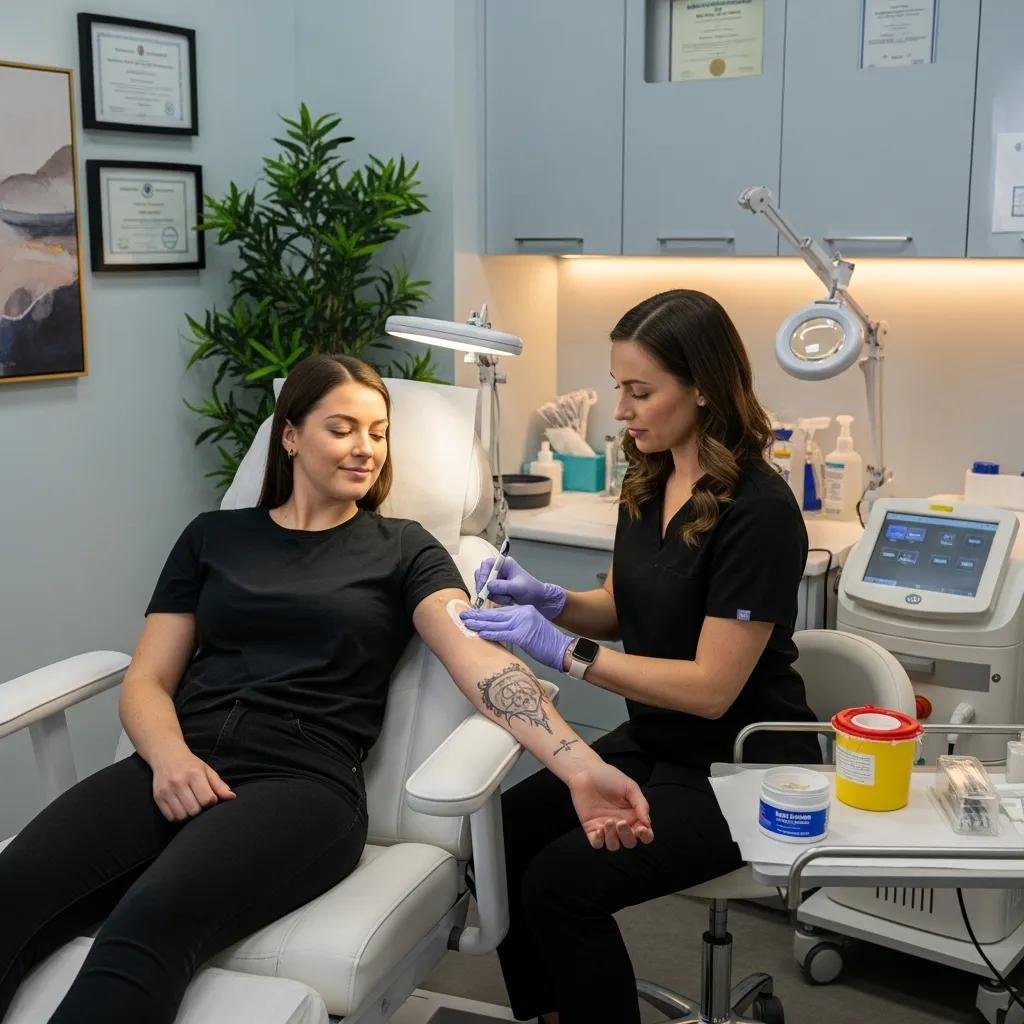
Patients typically experience brief treatment sessions where each laser pulse feels like a sharp snap or sting as the device targets ink; cumulative session times range from minutes for small tattoos to longer for large pieces.
Clinics use pain management strategies such as topical numbing creams and cooling devices to reduce discomfort, and session pacing can help manage sensitivity for larger areas.
Immediate aftercare commonly includes cooling, protection, and topical ointments, with transient redness, swelling, or blistering possible as the skin heals.
Understanding these steps helps patients prepare mentally and practically for the series of appointments required.
This list outlines common in-clinic pain management and comfort measures used during removal.
- Topical numbing agents are applied before treatment to reduce surface pain.
- Active cooling devices or chilled packs are used during and after pulses to limit discomfort.
- Session pacing and short breaks are used for larger tattoos to keep sensations tolerable.
These measures make treatment more comfortable for most patients, and discussing individualized pain management options during a consultation ensures expectations and plans are aligned.
Is Laser Tattoo Removal Painful and How Is Pain Managed?
Pain levels vary, but many patients describe laser pulses as quick stinging sensations similar to snapped rubber bands, intensifying with session length and tattoo sensitivity.
Pain management typically involves topical anesthetics applied before the session and continuous cooling during treatment; some clinics offer adjunctive measures to improve comfort.
Tolerance varies widely, so practitioners tailor strategies to the patient’s needs and the tattoo’s location and size.
Communicating pain expectations before treatment allows providers to adjust techniques for comfort while maintaining effective energy delivery.
What Should Patients Expect During and After Treatment?
During an appointment, expect check-in, targeted numbing, the laser session itself, and immediate cooling and dressing; total visit time depends on tattoo size and preparation needs.
Aftercare includes protecting the treated area from sun exposure, keeping the site clean and mildly moisturized, and avoiding picking at blisters or scabs while the immune system removes ink particles.
Healing timelines commonly span days to a few weeks between sessions, and providers advise waiting recommended intervals—often 6 to 8 weeks—to allow skin recovery and immune clearance.
Contact your provider if signs of infection or unexpected reactions occur, as prompt assessment preserves results and safety.
What Results Can You Expect from Laser Tattoo Removal?
Results vary from significant fading to complete removal depending on ink colors, tattoo age, location, and individual immune response; multiple sessions progressively reduce pigment, and picosecond lasers improve outcomes for many difficult colors.
Fading aims to reduce visibility enough for a cover-up piece, while complete removal seeks minimal residual pigment; each objective requires different session planning and expectations.
Viewing representative before-and-after examples and discussing likely outcomes based on your specific tattoo is critical for realistic goals and timeline planning.
Providers can show case studies that illustrate typical progress across diverse skin tones and tattoo types.
This list summarizes factors that determine the likelihood of full removal versus fading for cover-ups.
- Ink color and pigment chemistry: Dark inks clear more readily than some bright pigments.
- Tattoo age and depth: Older or superficially injected ink may clear faster.
- Skin tone and immune response: Individual healing and immune activity strongly influence clearance.
These factors guide whether treatment targets full clearance or strategic fading; discussing them during consultation sets appropriate expectations.
Can You See Before and After Examples of Laser Tattoo Removal?
Reviewing before-and-after galleries helps set realistic expectations by showing how different tattoos respond over time, including the number of sessions between photos and skin-tone considerations.
Good galleries include consistent lighting and documented intervals so viewers can judge progress objectively, and reputable providers will discuss the cases and variables that influenced results.
Shore MedSpa & Bio Aesthetics recommends prospective patients request representative examples during consultation to compare scenarios similar to their own tattoo.
Seeing comparable cases informs planning and helps patients choose appropriate goals—fading for cover-up or pursuing full removal.
What Are the Differences Between Tattoo Fading and Complete Removal?
Fading intentionally reduces pigment to create a lighter canvas suitable for a cover-up, typically requiring fewer or lower-energy sessions and focused targeting of specific colors.
Complete removal demands more sessions, higher cumulative energy, and careful monitoring for skin changes, with the realistic possibility of residual ghosting or slight pigmentation differences.
Planning differs: fading emphasizes uniform lightening and preparing skin for new ink, while removal prioritizes progressive elimination and skin integrity.
Discuss the trade-offs with your provider to choose the plan that best matches your aesthetic goals and timeline.