Deep Hydration for Dry Skin: Essential Care Tips for Lasting Moisture and Skin Barrier Repair
Dry skin is a persistent condition characterized by reduced surface lipids and a compromised barrier that leads to flaking, tightness, and rough texture. This article explains why dry and dehydrated skin differ, which active ingredients deliver deep hydration and barrier repair, practical at-home routines to restore moisture, and the professional medspa options that augment long-term recovery. You will learn clear, evidence-based roles for humectants, emollients, occlusives, and ceramides, stepwise morning and evening strategies, and when to consider clinician-led interventions. Medical-grade and professional options are available for complex cases; Shore MedSpa & Bio Aesthetics and board-certified dermatology oversight inform many personalized treatment plans. Read on for concise comparisons, ingredient tables, actionable lists, and treatment descriptions designed to help you rebuild and retain lasting skin moisture.
What Causes Dry Skin and How Does It Differ from Dehydrated Skin?
Dry skin is a chronic lipid-deficit condition in which the stratum corneum lacks sufficient oils to hold moisture, while dehydration indicates a temporary water shortfall within the epidermis. Loss of barrier lipids increases transepidermal water loss (TEWL), leading to tightness and scaling; environmental stressors and age compound this effect. Addressing dry skin requires lipid replenishment and barrier repair, whereas dehydrated skin often responds quickly to humectant-rich hydration and occlusion. Understanding this distinction directs whether to prioritize ceramide-rich moisturizers or water-binding serums paired with sealants.
What Are the Common Causes of Dry and Flaky Skin?
Common causes include low ambient humidity, cold weather, frequent hot showers, and harsh surfactants that strip natural oils from the skin surface. Aging reduces sebaceous activity and the production of structural lipids, which lowers the skin’s innate ability to retain moisture and increases susceptibility to flaking. Some topical medications and over-exfoliation remove the protective stratum corneum layers and worsen TEWL, while genetic tendencies determine baseline oiliness. Simple mitigation includes reducing shower temperature, switching to gentle cleansing formulations, and avoiding daily abrasive scrubs to preserve barrier integrity.
How Does Skin Barrier Damage Affect Moisture Retention?
The skin barrier is composed of corneocytes embedded in a lipid matrix—primarily ceramides, cholesterol, and fatty acids—that physically seals water into the epidermis. Barrier damage increases TEWL and allows irritants to penetrate, which provokes inflammation and further lipid loss in a self-perpetuating cycle. Clinically, impaired barrier presents with rough texture, redness, stinging, and visible flaking; repair restores hydration and reduces sensitivity. Restorative strategies center on topical ceramides, gentle surfactants, and a regimen that minimizes additional lipid stripping to break the cycle of moisture loss.
Which Key Ingredients Provide Deep Hydration and Skin Barrier Repair?

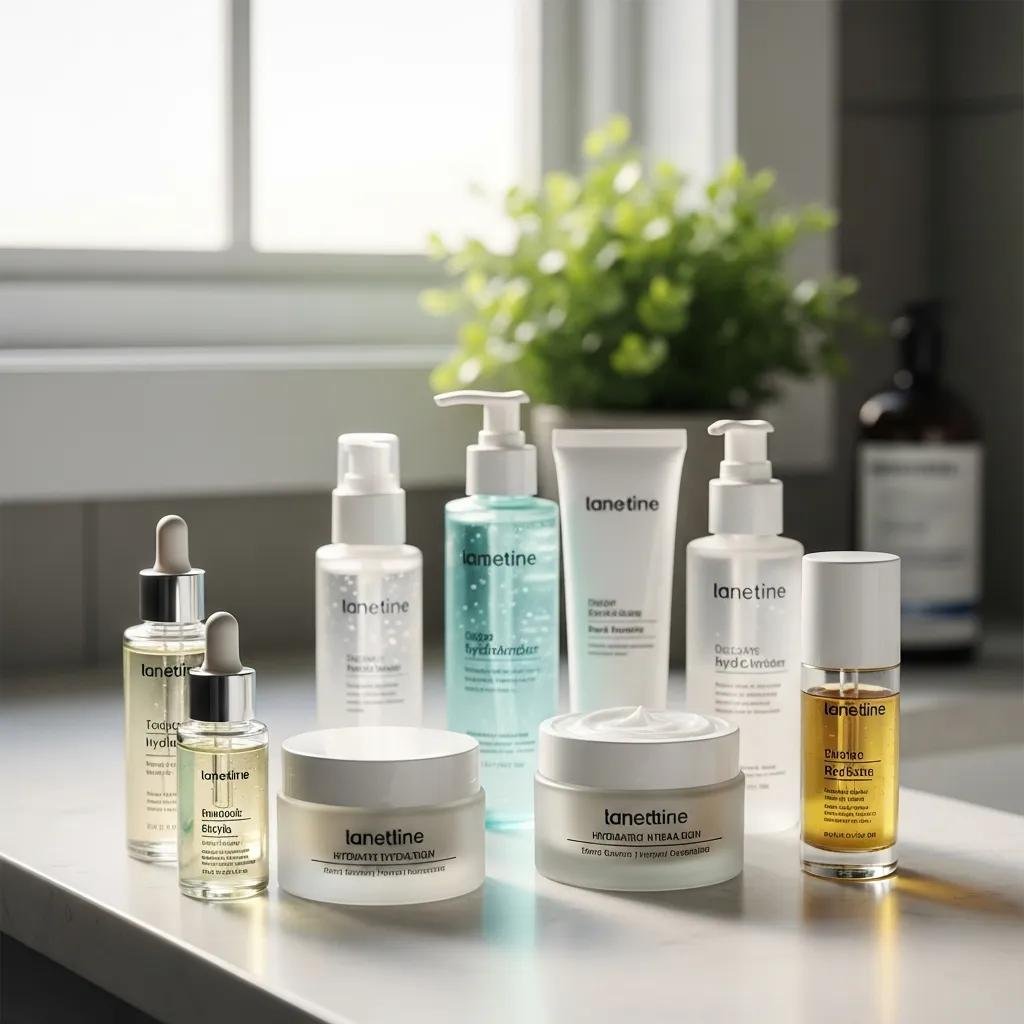
Core ingredient classes for durable hydration include humectants (draw water), emollients (smooth surface), occlusives (seal moisture), and barrier lipids (replenish structure). Each class supports a different mechanism: humectants attract and retain water, emollients fill intercellular gaps for immediate texture improvement, occlusives reduce TEWL, and ceramides restore the lipid matrix. Combining these ingredients in layered routines produces deeper, longer-lasting hydration than single-product approaches. Recent studies and clinical practice emphasize pairing humectants with occlusives in low-humidity environments to prevent net water loss.
Intro to a compact comparison table of common hydrating actives and their typical roles.
| Ingredient | Mechanism | Primary Benefit |
|---|---|---|
| Hyaluronic acid | Humectant; binds water molecules | Rapid epidermal hydration and plumping |
| Ceramides | Structural lipids; restore barrier matrix | Reduces TEWL and improves barrier function |
| Glycerin | Humectant; draws moisture into stratum corneum | Sustained hydration and improved texture |
| Squalane | Emollient; replenishes lipids | Smooths and softens dry skin surface |
This table clarifies which actives address water binding versus lipid restoration and helps prioritize product selection for specific dry skin profiles.
How Does Hyaluronic Acid Hydrate and Plump Dry Skin?
Hyaluronic acid (HA) functions as a potent humectant that binds water to the epidermis, increasing visible plumpness and smoothing fine lines. Different molecular weights penetrate to varying depths, with lower weights reaching deeper epidermal layers and higher weights acting superficially to attract moisture. In dry climates, HA performs best when followed by a moisturizer and an occlusive layer to lock the attracted water into the skin. Practical use includes applying HA serum to slightly damp skin and sealing it with a cream to minimize outward diffusion and TEWL.
Why Are Ceramides Essential for Skin Barrier Restoration?
Ceramides are endogenous lipids that form tight lamellar structures in the stratum corneum, providing the primary seal against water loss and irritant ingress. Topical ceramide formulations replenish depleted lipid content and accelerate barrier recovery, which reduces inflammation and restores resilient hydration capacity. Regular use of ceramide-containing creams supports long-term repair and is especially important after any exfoliating or resurfacing procedures. When choosing products, prioritize formulations free from strong fragrances or unnecessary alcohols that can counteract barrier repair.
What Are Effective At-Home Care Tips to Hydrate Dry Facial Skin?
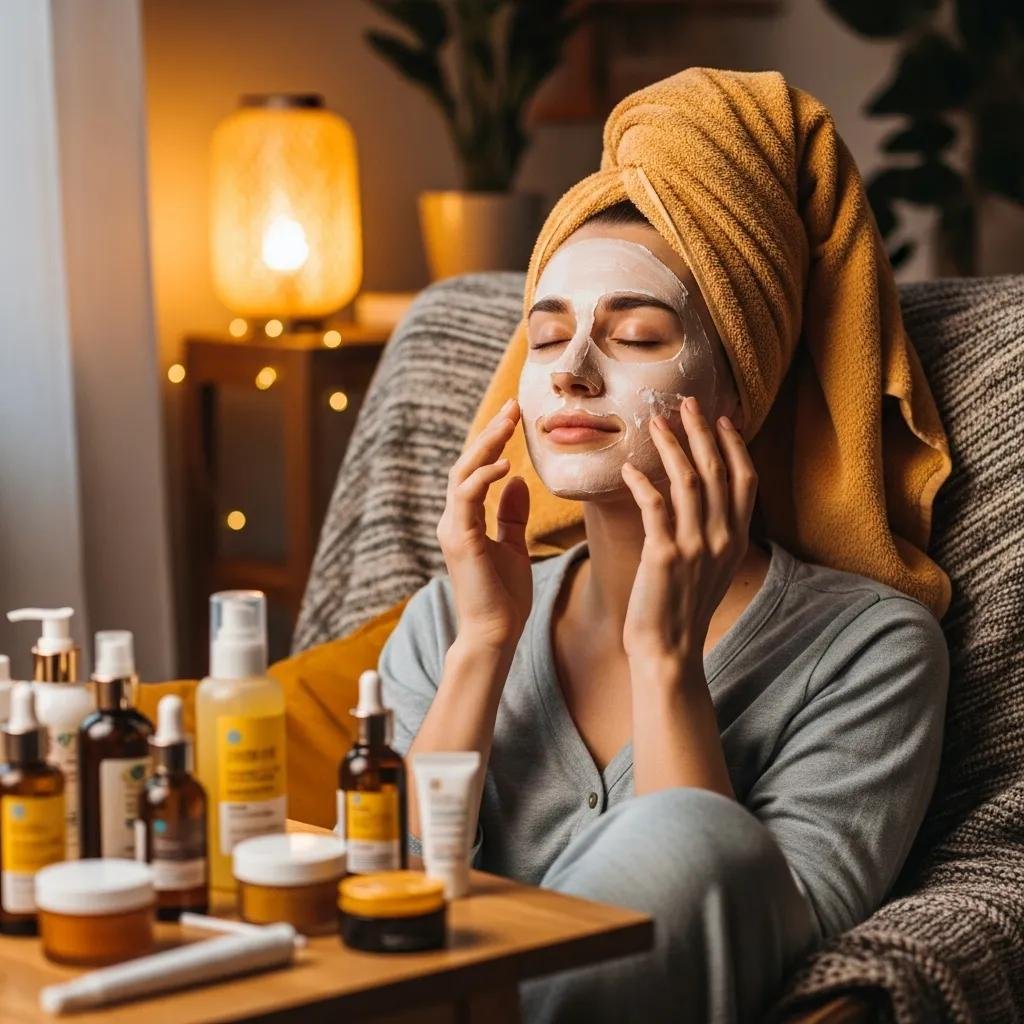
Effective at-home care follows a layered, low-irritation approach: cleanse gently, apply a humectant serum, follow with an emollient or ceramide moisturizer, and finish with an occlusive when needed. Consistency and avoidance of harsh ingredients are equally important to prevent repeated barrier insults that perpetuate dryness. Weekly supportive steps—hydrating masks and selective gentle exfoliation—help remove scale without stripping lipids, enhancing product penetration. If dryness is severe or persistent despite these measures, clinical evaluation by a dermatologist can identify underlying issues and recommend personalized interventions.
Intro to a simple routine comparison table that shows roles and expected outcomes for core routine steps.
| Routine Step | Recommended Product Type | Expected Outcome |
|---|---|---|
| Cleanser | Gentle, low-surfactant, pH-balanced | Preserves lipids and prevents stripping |
| Serum | Humectant (HA or glycerin-based) | Rapid increase in epidermal water content |
| Moisturizer | Emollient + ceramides | Restores lipid matrix and improves texture |
| Occlusive (night) | Petrolatum or heavy balm | Seals moisture and reduces overnight TEWL |
This table helps map each routine element to a tangible hydration outcome and guides product selection based on skin needs.
How Should You Cleanse and Moisturize for Maximum Hydration?
Begin morning and evening with a gentle, pH-balanced cleanser that removes debris without stripping natural oils, using lukewarm water to avoid thermal stress. After patting the skin lightly, apply a humectant serum to draw water into the epidermis, then layer a ceramide-rich moisturizer to rebuild structural lipids. At night, add a thin occlusive layer where needed to lock in hydration and support nocturnal barrier repair. This layered order—cleanse, humectant, moisturizer, occlusive—maximizes water retention and supports long-term barrier recovery.
What Lifestyle Changes Support Skin Hydration and Health?
Environmental and systemic factors strongly influence skin hydration: maintaining indoor humidity, avoiding long hot showers, staying adequately hydrated, and eating balanced fats all support barrier health. Sun protection reduces UV-induced lipid degradation and preserves barrier function, while moderating alcohol and high-salt diets mitigates transient dehydration. Review medications with a clinician if dryness is severe, since some systemic agents can exacerbate xerosis. These lifestyle adjustments complement topical care and improve the skin’s capacity to retain moisture over time.
Which Professional MedSpa Treatments Best Address Dehydrated Skin?
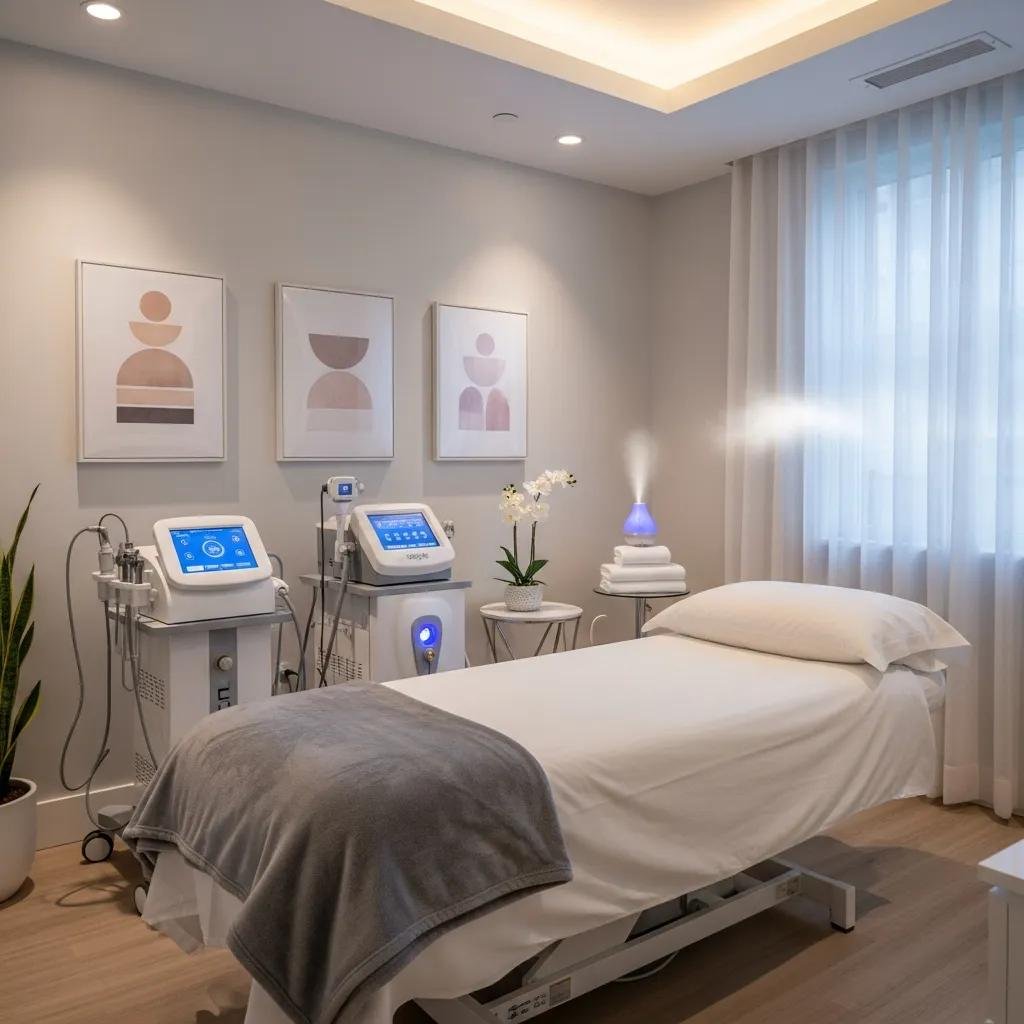
Clinical treatments enhance hydration through controlled exfoliation, infusion of hydrating serums, and stimulation of structural repair, addressing both superficial water loss and deeper barrier deficits. Different procedures suit different presentations: infusion and oxygenation therapies provide immediate surface hydration, while controlled peels and RF microneedling promote renewal and improved lipid organization over weeks. Expect variable downtime and session frequency depending on treatment intensity; clinicians typically recommend a tailored plan based on skin assessment. Shore MedSpa & Bio Aesthetics offers clinician-guided options and personalized protocols overseen by a board-certified dermatologist to match treatment choice to skin condition.
Intro to a concise treatment comparison table that contrasts mechanisms, frequency, and hydration benefits.
| Treatment | Mechanism | Typical Frequency | Hydration Benefit |
|---|---|---|---|
| HydraFacial | Exfoliate + vacuum + serum infusion | Every 4–6 weeks | Immediate infusion of humectants and peptides |
| Oxygen Facial | Topical serums delivered with oxygenation | Every 3–6 weeks | Surface hydration and radiance with minimal downtime |
| Chemical Peel (light) | Controlled superficial exfoliation | Series of 3–6 every 4 weeks | Removes scale, enhances product penetration |
| RF Microneedling | Microinjury + thermal remodeling | 3 sessions spaced 4–8 weeks | Stimulates collagen, improves long-term barrier function |
This comparison helps match client goals—rapid glow versus structural repair—to appropriate clinical options and expected maintenance.
How Do HydraFacial and Oxygen Facials Enhance Skin Moisture?
HydraFacial combines gentle exfoliation with simultaneous infusion of tailored hydrating serums, delivering humectants and peptides directly while clearing debris that blocks absorption. The treatment provides immediate skin plumping and improved surface hydration with minimal downtime, making it suitable for sensitive, dry skin needing a quick restorative boost. Oxygen facials complement this by delivering oxygenated serums that enhance surface moisture and radiance with very low risk of irritation. Both approaches are useful as part of a staged plan that transitions to barrier-repair maintenance.
What Are the Roles of Chemical Peels and RF Microneedling in Hydration?
Light chemical peels, especially lactic or low-concentration AHAs, remove superficial scales and increase the penetration of hydrating actives without aggressively disrupting lipids when used judiciously. RF microneedling creates controlled microchannels and thermal stimulation that promote collagen synthesis and gradual improvement in barrier structure, which enhances the skin’s ability to retain moisture over months.
Both procedures require post-treatment hydration protocols—gentle ceramide moisturizers and occlusion—to support repair and prevent rebound TEWL. When combined thoughtfully, these treatments provide both short-term hydration gains and durable barrier restoration.
For persistent or complex dryness, consider clinician evaluation and a personalized treatment plan guided by a board-certified dermatologist. Shore MedSpa & Bio Aesthetics in Rockville, MD, offers advanced cosmetic dermatology services—such as chemical peels and RF microneedling—delivered within individualized protocols to support deep hydration and barrier repair under medical oversight.
- Common practical measures to address dry skin at home include adjusting shower temperature, choosing gentle cleansers, and layering humectants then occlusives.
- Professional options that augment barrier repair range from infusion facials to collagen-stimulatory procedures; selection depends on severity and skin sensitivity.
- Regular use of ceramide-containing moisturizers alongside occasional superficial resurfacing produces better long-term hydration than single-product approaches.
These steps and treatment pathways create a coherent strategy: start with gentle, consistent home care and escalate to medically supervised interventions when dryness persists despite proper routine. Medical guidance ensures treatments are matched to the underlying barrier status and avoids unnecessary irritation.
Dr. Ronald Shore and the clinical team at Shore MedSpa & Bio Aesthetics provide dermatologist-led evaluations and personalized plans for individuals needing advanced, medical-grade support to rebuild skin barrier function and sustain deep hydration.