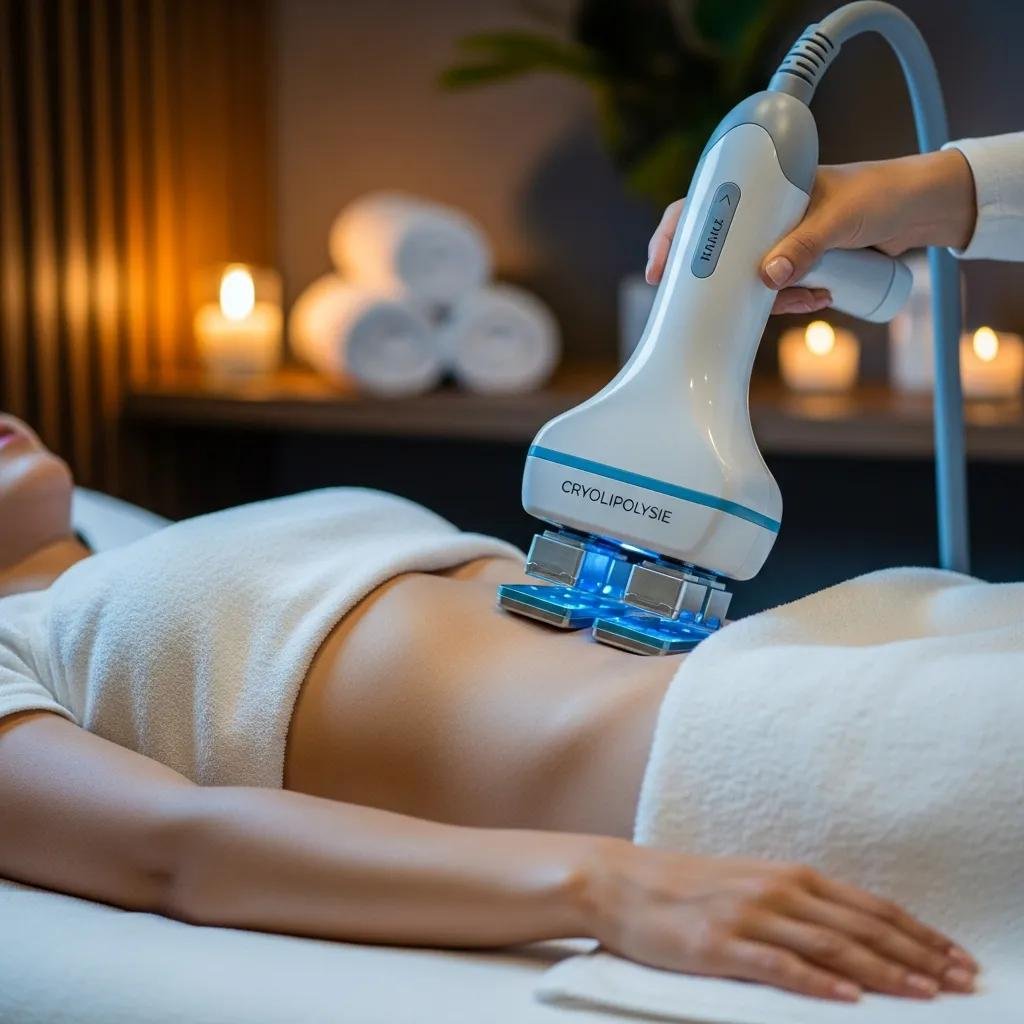
Cryolipolysis: How Fat Freezing Technology Works for Effective Non-Surgical Fat Reduction
Cryolipolysis, commonly called “fat freezing,” is a non-surgical body-contouring method that uses controlled cooling to target and reduce localized fat deposits. The procedure works by exposing adipocytes (fat cells) to temperatures that trigger programmed cell death (apoptosis) while sparing surrounding tissues, and the body then removes the cellular debris through lymphatic clearance over weeks to months. Readers will learn what cryolipolysis is, how it selectively affects adipocytes, typical outcomes and timelines, safety considerations including rare risks such as paradoxical adipose hyperplasia (PAH), and how cryolipolysis compares to other options like CoolSculpting (a brand example) and laser-based SculpSure. This article explains mechanisms in clear, evidence-informed language, provides practical expectations for results, outlines candidacy and contraindications, and offers side-by-side comparisons to help you choose the right approach. For patients near their target weight seeking targeted contouring, Shore MedSpa & Bio Aesthetics in Rockville, MD, led by board-certified dermatologist Dr. Ronald Shore, offers non-invasive fat reduction options and can provide clinical consultation to determine whether fat freezing or a laser-based alternative is a better fit.
What Is Cryolipolysis and How Does Fat Freezing Work?
Cryolipolysis is a targeted cooling procedure that selectively damages fat cells beneath the skin without incisions or general anesthesia. The mechanism relies on adipocytes being more susceptible to cold than surrounding tissues: sustained cooling destabilizes fat cell membranes, leading to apoptosis, and the body’s lymphatic system gradually clears the cellular remnants. This targeted process results in a measurable reduction in fat layer thickness in the treated area over weeks to months. Recent research and regulatory reviews support cryolipolysis as a reliable option for localized subcutaneous fat reduction, and the technology is commonly used in aesthetic dermatology for body contouring. Understanding this mechanism leads naturally to a closer look at the procedure’s role among non-invasive options and how patients experience outcomes.
What Is Cryolipolysis and Its Role in Non-Invasive Fat Removal?
Cryolipolysis functions as a non-invasive alternative to surgical liposuction for patients with small, localized fat pockets who are close to their ideal body weight. The role of cryolipolysis in body contouring is to reduce discrete bulges—such as flanks, abdomen, and submental fat—without incisions, sutures, or extended recovery, making it suitable for individuals seeking cosmetic refinement rather than substantial weight loss. As a hyponym of non-invasive fat reduction, cryolipolysis fits alongside heat-based and injectable approaches but is unique in its cold-based mechanism. For patients considering options, the procedure’s utility becomes clearer when compared directly to surgical techniques and other energy-based treatments.
How Does Cryolipolysis Target Fat Cells Through Controlled Cooling?
Controlled cooling delivered via applicators concentrates thermal energy on the subcutaneous fat layer, exploiting differences in cell membrane resilience between adipocytes and other tissues. Cooling triggers molecular pathways that culminate in adipocyte apoptosis; macrophages and the lymphatic system then remove the debris, gradually reducing fat thickness. The clinical timeline for cellular clearance typically begins with subtle changes at three weeks, noticeable reduction by two months, and maximal contouring by four to six months. Recognizing this biologic sequence helps set realistic expectations and clarifies why multiple sessions may be recommended for some treatment areas.
What Are the Benefits and Expected Results of Cryolipolysis?

Cryolipolysis offers targeted fat reduction with minimal interruption to daily life, producing average reductions in treated fat pockets while avoiding surgical risks. Typical outcomes reported in clinical studies indicate an average localized fat reduction in the range of 20–25% per treatment area, with visible changes beginning around three weeks and continuing up to six months. The non-invasive nature means no incisions, stitches, or general anesthesia, and most patients return to normal activity the same day. These features position cryolipolysis as an effective option for body contouring when compared to more invasive procedures. With those benefits in mind, the next section compares typical metrics and recovery profiles across common approaches.
Cryolipolysis delivers measurable contouring benefits in many patients:
- Targeted Fat Loss: Typical localized reduction of about 20–25% per session.
- Minimal Downtime: Most patients resume normal activities immediately.
- No Incisions: Reduced procedural risk compared to surgery.
The following table contrasts expected outcomes and downtime across common approaches.
| Method | Typical Fat Reduction | Typical Recovery/Downtime |
|---|---|---|
| Cryolipolysis (fat freezing) | ~20–25% per treated area | Minimal; same-day activity resumption common |
| Liposuction (surgical) | Variable, often greater than non-surgical | Days to weeks of recovery; activity restrictions |
| SculpSure (laser-based) | Moderate targeted reduction; varies by area | Minimal to short downtime; possible soreness |
This comparison highlights that cryolipolysis balances measurable contouring with low recovery burden; patients choosing among options should weigh desired magnitude of change against invasiveness and downtime.
What Advantages Does Cryolipolysis Offer Compared to Surgical Options?
Cryolipolysis offers a less invasive path to contouring than surgical liposuction, with lower immediate procedural risk and shorter recovery. Without general anesthesia or incisions, patients avoid perioperative risks and scarring, and most experience only transient redness, numbness, or tenderness. The reduced risk profile makes cryolipolysis appealing for those with modest, localized fat pockets who prioritize downtime and safety. However, surgical approaches can remove larger fat volumes in a single procedure, so matching patient goals to the appropriate method is essential. Considering these trade-offs helps clarify which patients benefit most from non-surgical cooling versus operative removal.
- Cryolipolysis reduces risk by avoiding incisions and general anesthesia.
- Cryolipolysis typically requires little to no downtime compared to surgical recovery.
- Cryolipolysis is ideal for targeted contouring rather than large-volume fat removal.
These differences lead into the practical timeline: when patients can expect to see meaningful change following treatment.
When and How Can Patients Expect to See Fat Reduction Results?
Patients typically notice initial changes about three weeks after treatment, with greater reduction at two months and final contouring by four to six months as the lymphatic system clears treated adipocyte debris. Many clinicians schedule follow-up assessments at two to three months to evaluate response and determine whether additional sessions are warranted to reach aesthetic goals. Patients should understand that cryolipolysis removes fat cells permanently in treated zones, but significant weight gain can enlarge remaining adipocytes and alter results. Planning realistic timelines and possible staged treatments improves satisfaction and aligns expectations with biological clearance processes.
Who Is an Ideal Candidate for Cryolipolysis and What Are the Safety Considerations?
Ideal candidates are adults near their target weight who have discrete, pinchable fat pockets and realistic expectations about the amount of contouring a non-surgical approach can achieve. Cryolipolysis is not a weight-loss procedure and is best for those seeking cosmetic refinement rather than major reduction in body mass. Safety screening must identify cold-related disorders and other contraindications to avoid adverse events. Understanding common transient side effects and the rare but distinct risk of paradoxical adipose hyperplasia (PAH) is essential for informed consent and appropriate patient selection. The next subsection provides a concise screening checklist to aid candidacy assessment.
Who should consider cryolipolysis? A short screening checklist:
- Near ideal weight: Close to target BMI with localized stubborn fat.
- Targeted concerns: Discrete areas like flanks, abdomen, submental region.
- Realistic expectations: Understands likely 20–25% reduction per session.
The following table summarizes contraindications and precaution notes.
| Condition/Characteristic | Contraindicated? | Notes / Precautions |
|---|---|---|
| Cold urticaria | Yes | Risk of systemic cold reaction; avoid treatment |
| Cryoglobulinemia | Yes | Cold exposure can precipitate complications |
| Paroxysmal cold hemoglobinuria | Yes | Hematologic risk with cold exposure |
| Pregnancy | Caution/Defer | Typically postponed until after pregnancy |
This quick reference supports safe screening and helps clinicians determine appropriate candidacy before proceeding.
Who Qualifies for Cryolipolysis Treatment and Who Should Avoid It?
Patients with localized fat bulges and stable weight typically qualify, while individuals with cold-aggravated medical conditions must avoid cryolipolysis. The screening process should identify cold urticaria, cryoglobulinemia, and paroxysmal cold hemoglobinuria, all of which are contraindications because controlled cooling could trigger systemic reactions. Other factors—such as unrealistic expectations, certain implanted devices near the treatment site, or active skin disease in the area—also influence eligibility and require individualized assessment. A medical consultation with a qualified provider clarifies risks and ensures the chosen modality aligns with the patient’s health status and aesthetic goals.
What Are the Common Side Effects and Rare Risks Like Paradoxical Adipose Hyperplasia?
Common side effects after cryolipolysis are transient and include redness, swelling, bruising, numbness, and tenderness at the treatment site; these typically resolve within days to weeks. Less common reactions may include prolonged sensory changes or mild discomfort during or after the session. Paradoxical adipose hyperplasia (PAH) is a rare adverse effect characterized by an unexpected increase in fat volume at the treatment site; although uncommon, PAH is clinically distinct and may require further management. Recognizing early signs and early evaluation enables appropriate intervention and counseling about risk mitigation.
- Common reactions: temporary redness, numbness, tenderness.
- Less common: prolonged numbness or sensitivity changes.
- Rare but important: PAH — requires specialist assessment and discussion of options.
This risk profile emphasizes the importance of informed consent and careful candidate selection before treatment.
How Does Cryolipolysis Compare to CoolSculpting and Other Fat Freezing Technologies?
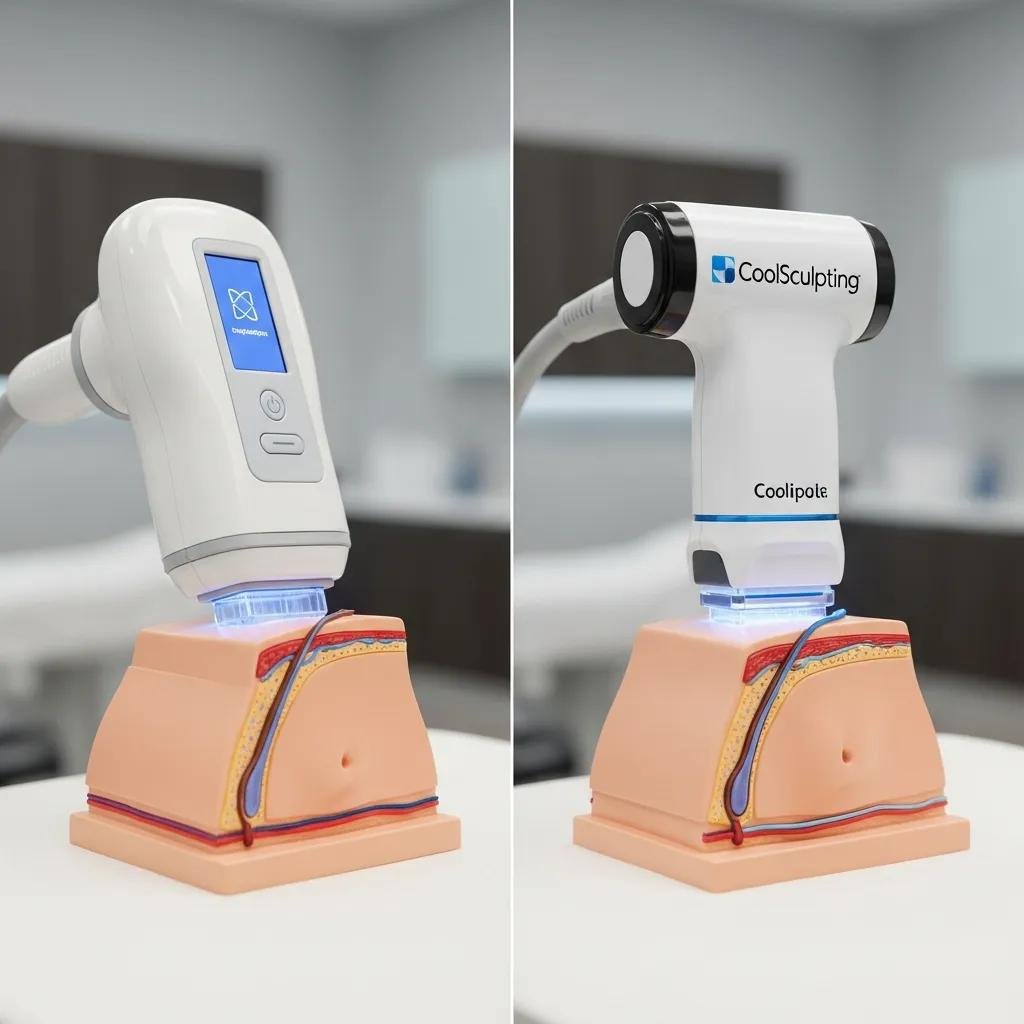
Cryolipolysis is the generic mechanism of fat freezing, and CoolSculpting is a commercial system that implements cryolipolysis principles as a brand example; both rely on controlled cold exposure to induce adipocyte apoptosis. Different devices vary in applicator design, treatment times, and comfort features, but they share the same underlying biologic mechanism. Laser-based devices such as SculpSure use heat rather than cold to damage adipocytes, representing a distinct energy modality with different sensations, session lengths, and tissue effects. For patients weighing options, understanding these mechanism-level differences helps match treatment type to specific anatomy, comfort preferences, and desired recovery profile. Below is a concise comparative table to clarify distinctions.
The comparison below contrasts methods by mechanism, typical treatment areas, and pros/cons.
| Method | Mechanism | Typical Treatment Areas | Pros / Cons |
|---|---|---|---|
| Cryolipolysis (generic) | Controlled cooling → adipocyte apoptosis | Flanks, abdomen, submental, thighs | Non-invasive, minimal downtime; gradual results |
| CoolSculpting (brand example) | Branded cryolipolysis applicators and protocols | Similar to generic cryolipolysis | Established protocols; device-specific applicators |
| SculpSure (laser-based) | Controlled heat → adipocyte disruption | Abdomen, flanks | Faster sessions; heat sensations; alternative for those preferring non-cold method |
What Is CoolSculpting and How Is It Related to Cryolipolysis?
CoolSculpting is a marketed system that applies the cryolipolysis principle using proprietary applicators and protocols; it serves as a prominent brand example of fat-freezing technology. The relationship is that CoolSculpting operationalizes the generic mechanism—targeted, sustained cooling—to achieve adipocyte apoptosis and gradual contouring. Device-specific differences such as applicator shapes and control software affect treatment fit and comfort for certain anatomical areas, but the core biologic pathway remains consistent with cryolipolysis. Understanding CoolSculpting as a branded implementation clarifies why clinicians may reference brand and generic terminology interchangeably when discussing fat-freezing options.
How Does Cryolipolysis Differ from Other Non-Surgical Fat Reduction Methods Like SculpSure?
Cryolipolysis uses cold to induce adipocyte apoptosis, whereas SculpSure employs laser-generated heat to thermally damage fat cells; both approaches rely on the body’s clearance mechanisms to remove treated cells. Typical session lengths, sensations, and area suitability vary: cryolipolysis treatments are often longer with suction applicators and numbness afterward, while SculpSure sessions can be shorter with heat-related discomfort. For patients at Shore MedSpa & Bio Aesthetics in Rockville, MD, both modalities may be considered—SculpSure is included among the MedSpa’s non-invasive fat reduction services—so a consultation with a board-certified dermatologist like Dr. Ronald Shore can determine which mechanism (cold vs. heat) better matches a patient’s anatomy and tolerance. If you are exploring options, a clinical assessment will weigh candidacy, comfort, and likely outcomes.
- Cold vs. heat: mechanism dictates sensation and after-effects.
- Session time: cryolipolysis often longer; SculpSure often shorter.
- Candidate fit: choose based on area, tolerance, and desired speed of results.
For personalized guidance on whether fat freezing or a laser-based approach like SculpSure is appropriate, schedule a consultation with Shore MedSpa & Bio Aesthetics. Their team, led by Dr. Ronald Shore, can review your anatomy and goals and explain available non-surgical fat reduction options by phone at +1 (301) 901-7661.