
Clean Beauty Principles in Modern Aesthetic Treatments: Safe, Sustainable, and Natural MedSpa Solutions
Clean beauty in medical aesthetics means selecting treatments and products that prioritize non-toxic formulations, ingredient transparency, and sustainable practices while maintaining clinical safety and measurable outcomes. This article explains how clean beauty principles apply to aesthetic treatments—defining core principles, showing how clinicians vet ingredients, and describing operational sustainability in a medical setting. Readers will learn which ingredients are commonly excluded, how non-toxic options are used in chemical peels, microneedling, injectables, and lasers, and what environmental benefits come from sustainable dermatology choices. The piece also outlines patient-facing advantages such as reduced irritation, improved barrier recovery, and natural-looking results, plus how board-certified leadership and evidence-based protocols support these goals. Sections map to core principles, clinical integration at Shore MedSpa & Bio Aesthetics in Rockville, MD, sustainable operations, and patient benefits, with practical lists and comparison tables to clarify choices for clinicians and patients seeking clean beauty aesthetics. Throughout, we reference current research trends and authoritative vetting practices that guide safe, non-toxic medspa treatments.
What Are the Core Principles of Clean Beauty in Aesthetic Treatments?
Clean beauty for aesthetic procedures is defined by four interrelated principles: ingredient safety, transparency, sustainability, and ethical sourcing, each of which reduces patient risk while supporting clinical efficacy. Ingredient safety requires excluding known sensitizers (for example, parabens and phthalates) and preferring dermatologically tested alternatives that support barrier function and microbiome balance. Transparency demands full ingredient disclosure and clear patient communication so informed consent includes product composition and sourcing. Sustainability and ethical sourcing reduce environmental footprint and promote cruelty-free supply chains, connecting procedural choices to larger public-health and ecological outcomes. These principles together form a framework clinicians use when selecting topical agents, serums, and adjunctive skincare for procedures like chemical peels, RF microneedling, and laser resurfacing.
This table summarizes the core principles and typical clinical exclusions and preferences for clean beauty aesthetics:
| Principle | Typical Exclusions | Preferred Clinical Attributes |
|---|---|---|
| Ingredient Safety | Parabens, phthalates, questionable preservatives | Paraben-free, phthalate-free, microbiome-friendly |
| Transparency | Opaque labeling, undisclosed fragrances | Full INCI lists, third-party verification |
| Sustainability | Excessive single-use plastic, non-recyclable packaging | Refillable systems, recyclable packaging, energy-efficient devices |
| Ethical Sourcing | Animal-derived testing, opaque supply chains | Cruelty-free sourcing, certified suppliers |
This comparison helps clinicians and consumers quickly identify what to avoid and what to demand when choosing products for medical aesthetic care.
How Does Ingredient Safety Define Clean Beauty?
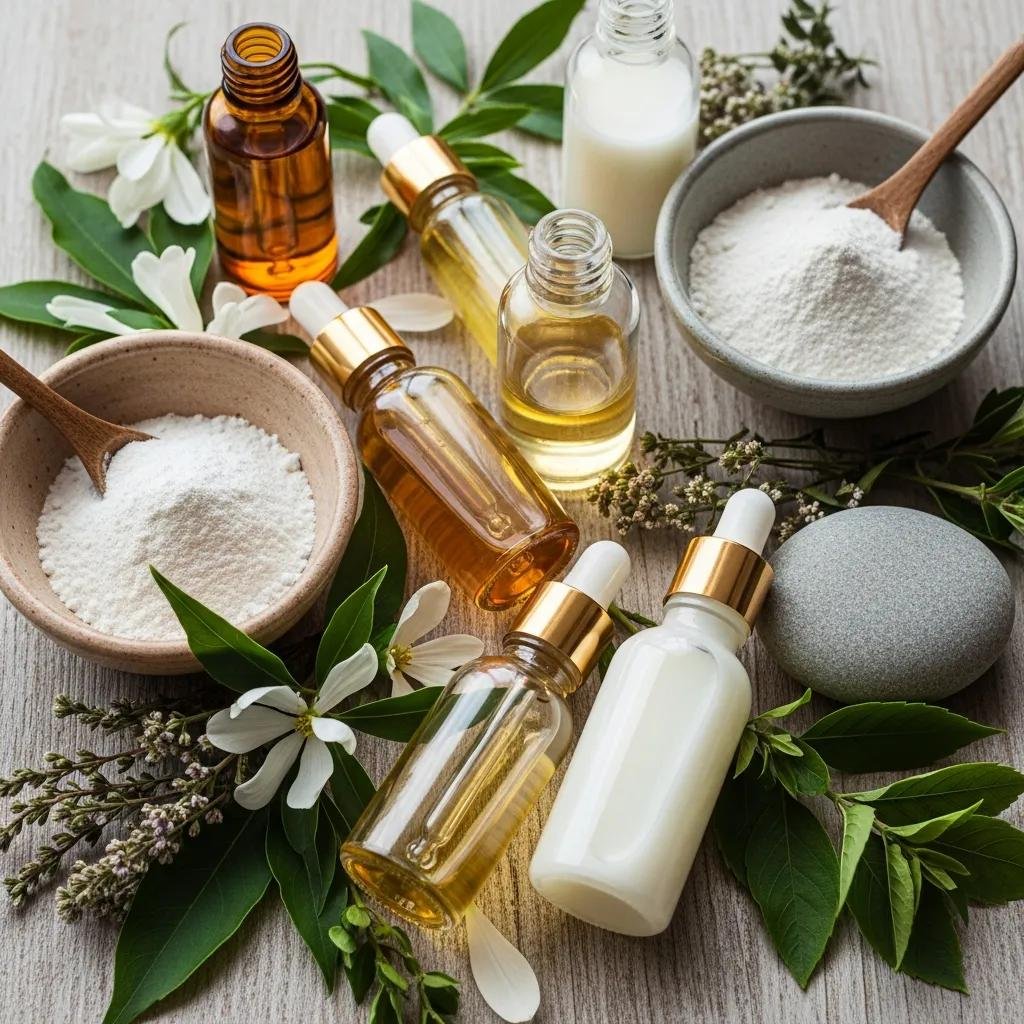
Ingredient safety in clinical aesthetics focuses on choosing actives and vehicles that reduce sensitization risk, support barrier repair, and perform predictably under procedural stress. Clinicians evaluate safety using toxicology references and databases, considering molecular size, preservative systems, and cumulative exposure from combined treatments. Preferred alternatives include gentle acids at clinically appropriate concentrations, microbiome-friendly surfactants, and preservative systems with established safety profiles; these choices reduce post-procedure irritation and accelerate recovery. Current research shows that minimizing repeated exposure to known sensitizers helps maintain long-term skin tolerance and lowers adverse event rates after resurfacing and injectables. Understanding safety profiles enables providers to balance efficacy and tolerability for individualized care.
Why Is Transparency Essential in Clean Beauty Practices?
Transparency means full disclosure of ingredient lists, sourcing claims, and clinical rationale so patients can give informed consent and clinicians can trace adverse reactions when they occur. Transparent clinics publish or share INCI lists for in-office products, explain why a specific preservative or acid was chosen, and document supplier certifications when relevant. This practice builds patient trust and aligns with regulatory expectations for medical-grade products, while also enabling clinicians to pivot protocols based on documented sensitivities and outcomes. Clear disclosure allows patients to make value-aligned choices—whether they prioritize non-toxic formulations, microbiome-friendly options, or eco-conscious sourcing—during consultation and consent.
How Does Shore MedSpa Integrate Non-Toxic Skincare in Its Treatments?
Shore MedSpa & Bio Aesthetics integrates non-toxic skincare by applying a clinic-level vetting process, selecting products with proven safety profiles, and matching formulations to procedure-specific needs to optimize outcomes and minimize downtime. The vetting process involves clinician review of ingredient lists, selection of paraben-free and phthalate-free formulations, and preference for microbiome-friendly serums after resurfacing. Staff training emphasizes protocol consistency and patient communication so that every chemical peel, microneedling session, or laser treatment uses products aligned with clean beauty principles. In practice, the clinic pairs evidence-based actives with gentle vehicles to support barrier recovery and uses board-certified guidance from Dr. Ronald Shore to ensure safety and natural-looking results.
Below is a practical mapping of common procedures to non-toxic product choices and clinical rationale that illustrates how Shore MedSpa operationalizes clean beauty in procedural care.
The following table links procedures to representative non-toxic choices and explains the clinical benefit behind each selection.
| Procedure | Non-Toxic Product/Ingredient | Clinical Rationale/Benefit |
|---|---|---|
| Chemical Peels | Gentle alpha-hydroxy blends, plant-derived buffering agents | Controlled exfoliation with reduced irritation and faster re-epithelialization |
| RF Microneedling | Growth-factor–supporting, plant-derived serums (preservative-minimized) | Enhanced collagen remodeling with lower inflammatory response |
| Laser Resurfacing | Microbiome-friendly post-laser emollients, fragrance-free barriers | Improved barrier restoration and decreased infection risk |
| Injectables (adjunctive topical) | Sterile, preservative-appropriate numbing agents | Comfort without compromising sterility or tissue integrity |
This mapping illustrates how clinical choices in product formulation and application reduce complications while supporting aesthetic goals.
What Non-Toxic Products Are Used in Chemical Peels and Microneedling?
For chemical peels and microneedling, non-toxic selections favor low-irritant acids, buffered formulations, and post-procedure serums that support barrier repair and microbiome balance. Clinicians often use alpha-hydroxy and poly-hydroxy acid combinations at evidence-based concentrations, buffered to reduce unexpected depth while delivering predictable exfoliation. Post-procedure care emphasizes plant-derived peptides, hyaluronic acid with clean preservative systems, and anti-inflammatory botanicals to shorten downtime and reduce erythema. These product choices accelerate recovery, limit sensitization, and maintain compatibility with subsequent treatments like laser sessions or injectables, producing more consistent, long-term skin health outcomes.
How Are Injectables Like Botox and Fillers Aligned with Clean Beauty?
Although injectables are regulated medical products rather than topical skincare, they align with clean beauty when clinicians emphasize product purity, transparent sourcing, and natural-looking treatment plans tailored to each patient’s anatomy. Safety for injections rests on sterility, established manufacturing standards, and appropriate clinical technique; clinicians interpret these factors through a clean-beauty lens by prioritizing minimally invasive correction and longevity without overfilling. Treatment planning that aims for subtle contouring and preservation of natural expressions supports patient preferences for natural results and reduces the need for corrective procedures. Regulatory oversight and clinical protocols together ensure injectables remain consistent with non-toxic and transparency values in aesthetic medicine.
What Sustainable Dermatology Practices Does Shore MedSpa Follow?
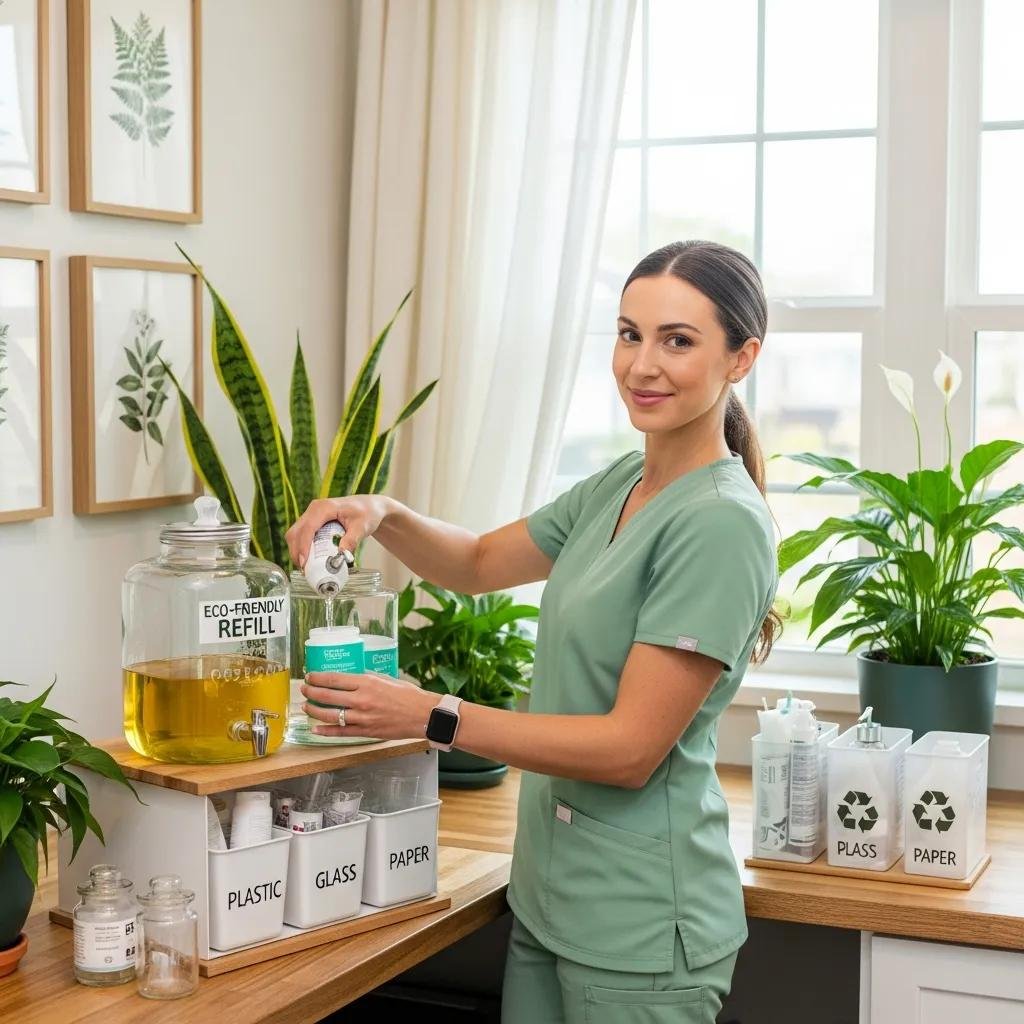
Sustainable dermatology practices reduce environmental impact while maintaining high clinical standards through choices in procurement, packaging, waste reduction, and device efficiency. Shore MedSpa & Bio Aesthetics implements vendor selection criteria favoring certified suppliers, opts for recyclable or refillable packaging where possible, and adopts energy-efficient devices for lasers and equipment to lower operational carbon footprint. Waste-reduction strategies include careful inventory management to minimize expired disposables and structured recycling programs for eligible materials. Communicating these efforts during consultations helps patients understand how procedural choices—such as selecting reusable packaging for take-home serums—align with broader sustainability values without compromising safety or results.
Key operational steps clinics can adopt to be more sustainable include procurement policy updates, energy audits, and vendor transparency requirements; these practices link environmental stewardship to daily clinical operations.
- Procurement Policies: Prioritize suppliers with sustainability certifications and transparent sourcing.
- Packaging Choices: Use refillable or recyclable containers for retail and clinical products.
- Waste Reduction: Implement inventory controls and recycling for eligible materials.
- Energy Efficiency: Choose devices certified for lower energy consumption and schedule regular maintenance.
These operational measures collectively reduce environmental burden and can enhance patient perception of clinic responsibility. Clinics that adopt such measures demonstrate how sustainability complements rather than competes with clinical excellence.
How Does Shore MedSpa Implement Eco-Friendly and Ethical Operations?
Implementation of eco-friendly operations involves concrete selection criteria for vendors, adoption of refillable systems for retail products, and on-site recycling coupled with staff education on sustainable practices. Shore MedSpa emphasizes vendor contracts that include transparency of ingredient sourcing and cruelty-free assurances where applicable, balancing ethical procurement with clinical-grade standards. Operationally, the clinic reduces single-use waste through targeted substitution, maintains device efficiency with preventive maintenance, and trains staff to communicate sustainability practices to patients during treatment planning. Presenting these policies during consultations reinforces trust and aligns patient expectations with the medspa’s environmental commitments.
What Are the Environmental Benefits of Sustainable Aesthetic Procedures?
Sustainable choices in dermatology lower packaging waste, reduce the clinic’s carbon footprint via energy-efficient devices, and limit release of potentially harmful chemicals into waste streams. Selecting recyclable packaging and refillable product systems can cut material waste per treatment, while efficient devices reduce electricity consumption over time. Ethically sourced ingredients decrease pressure on vulnerable ecosystems by encouraging suppliers to pursue responsible practices. These environmental benefits respond to growing consumer demand for sustainable beauty options and can be part of a clinic’s differentiation strategy without sacrificing clinical outcomes.
What Are the Benefits of Choosing Clean Beauty Aesthetic Treatments?
Choosing clean beauty aesthetic treatments delivers patient-centered benefits such as fewer sensitizing exposures, improved long-term barrier function, and satisfaction with more natural-looking cosmetic outcomes, while clinicians benefit from reduced adverse event rates and clearer product traceability. Clean formulations reduce cumulative exposure to irritants and preservatives that can provoke chronic sensitivity, which supports sustained tolerance for repeat procedures. Clinically, procedural predictability improves when adjunctive products have stable, disclosed compositions, enabling more precise treatment planning. For patients, aligning treatments with sustainability and transparency values enhances trust and often increases adherence to post-procedure care, improving final results.
The following list highlights the primary patient benefits and the mechanisms that produce them.
- Reduced Inflammation: Fewer sensitizing chemicals lower cumulative inflammatory triggers and speed recovery.
- Improved Barrier Repair: Microbiome-friendly and supportive vehicles enhance re-epithelialization and hydration.
- Natural-Looking Results: Evidence-based planning with conservative correction minimizes over-treatment and maintains expression.
- Higher Patient Trust: Full transparency about ingredients and sourcing increases informed consent and satisfaction.
These benefits link mechanistic rationale to clinical outcomes, showing why clean beauty principles matter for both short-term recovery and long-term skin health.
How Do Clean Beauty Treatments Improve Long-Term Skin Health?
Clean beauty treatments improve long-term skin health by minimizing repeated exposure to sensitizers, supporting the skin microbiome, and preserving barrier integrity through gentle yet effective actives. Mechanistically, fewer irritants reduce chronic inflammation that can otherwise accelerate barrier breakdown and dysbiosis, while microbiome-friendly formulations promote a balanced microbial environment conducive to healing. Over time, this approach results in fewer flare-ups, lower incidence of post-procedure complications, and sustained tolerance for maintenance regimens. Clinicians should still individualize plans because even non-toxic ingredients can cause reactions in sensitive individuals, underscoring the need for patch testing and staged treatment approaches.
Why Do Patients Prefer Natural Ingredient Procedures at Shore MedSpa?
Patients increasingly choose natural-ingredient procedures due to safety concerns, desire for transparency, environmental values, and preference for subtle, natural-looking results; Shore MedSpa’s board-certified leadership and personalized plans address these motivations. Many patients report that knowing ingredient provenance and seeing concise explanations of clinical rationale increases confidence in treatments. Shore MedSpa’s positioning under Dr. Ronald Shore emphasizes clinical oversight paired with these clean-beauty preferences, which helps prospective patients seeking non-toxic medspa treatments in Rockville, MD make informed choices. This alignment of patient values and clinical rigor fosters better adherence to care plans and higher satisfaction with outcomes.