Best Winter Skin Treatments in Rockville, MD: Effective Solutions for Dry and Dull Skin
Winter in Rockville often brings low humidity, cold air, and indoor heating that disrupt the skin barrier, producing dryness, flaking, and a flat, dull complexion. This guide explains safe, effective winter skin treatments that restore hydration, improve texture, and repair post-summer sun damage, focusing on facials, chemical peels, laser options, and practical home remedies. You will learn how hydrating facials and ingredient-led protocols replenish moisture, why winter is an ideal season for controlled chemical exfoliation, and which energy-based procedures deliver renewal with safer healing under reduced sun exposure. Recent studies and clinical practice emphasize barrier repair and staged resurfacing as key strategies for winter skin rejuvenation, and this article maps those strategies to treatments available locally. Shore MedSpa & Bio Aesthetics, led by Board-Certified Dermatologist Dr. Ronald Shore, emphasizes personalized plans and advanced technology for natural, measurable results; that local expertise supports safe selection and timing of stronger winter procedures. Read on to compare facials, peels, and lasers and to get actionable at-home and medspa-centered steps to emerge from winter with healthier, glowing skin.
What Are the Top Winter Facials and Hydrating Treatments in Rockville, MD?
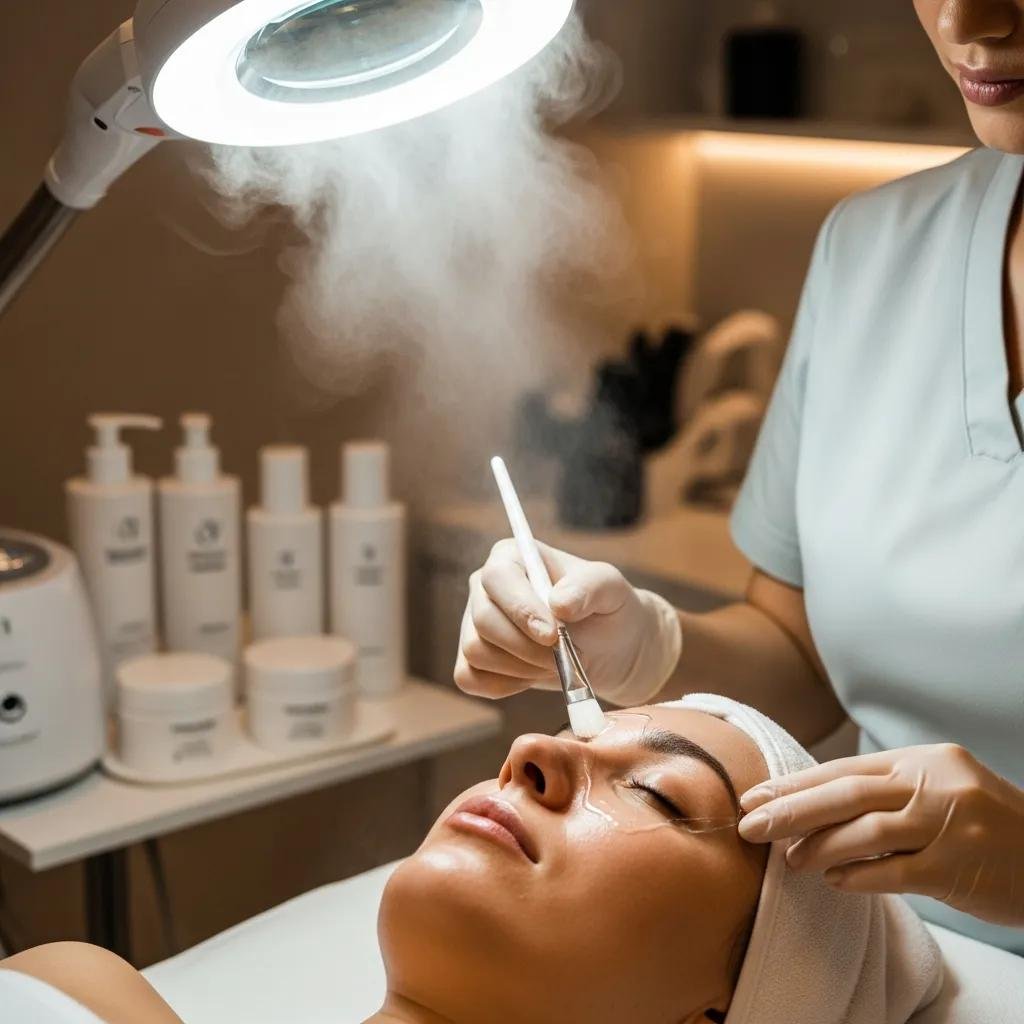
Hydrating facials and in-clinic moisture therapies restore the skin barrier by delivering humectants, occlusives, and professional-grade serums that immediately plump and smooth the surface. These treatments work by increasing water retention (humectants like hyaluronic acid), reinforcing lipids (ceramides and fatty acids), and sealing moisture with occlusives such as squalane, producing visible plumping and improved tone after a single session. In-clinic add-ons—LED/red light therapy, oxygen infusion, and moisturizing mask therapies—enhance repair by stimulating circulation and collagen while calming inflammation for sensitive winter skin. Below is a practical list of top options and a quick comparison to help Rockville residents decide which is right for their winter concerns.
Top winter hydrating facials and in-office treatments:
- Hydrating facial: Clinical serums and masks that restore immediate moisture and barrier function.
- Dermaplaning + skin flooding: Removes vellus hair and enhances serum penetration for smoother tone.
- LED / red light therapy: Reduces inflammation and stimulates collagen to improve dullness.
- Oxygen/infusion boosters: Deliver concentrated hydrators and antioxidants beneath the surface.
- Red light + topical hyaluronic boosters: Combine energy therapy with humectant delivery for lasting plumpness.
These professional options differ from home care by using higher-concentration actives and device-assisted delivery, which leads naturally into how professional serums and ingredients outperform OTC choices.
The table below summarizes common hydrating treatments and the key ingredient benefit they deliver.
| Treatment or Facial | Key ingredient focus | Immediate benefit |
|---|---|---|
| Hydrating facial | Hyaluronic acid, ceramides | Rapid plumping and moisture retention |
| Dermaplaning + serum flooding | Low-molecular HA, peptides | Smoother texture and enhanced absorption |
| LED / Red light therapy | Cellular stimulation (no topical) | Calms inflammation and boosts collagen synthesis |
This comparison shows that combining humectants (HA) with barrier lipids (ceramides) and adjunct energy therapies produces complementary improvements in hydration and texture. The next section explains how these ingredient categories function at the molecular level for winter skin.
How Do Hydrating Facials Combat Dry Winter Skin?
Hydrating facials combat dry winter skin by replenishing water-binding molecules and restoring the lipid matrix that prevents transepidermal water loss, which rapidly improves skin elasticity and visual radiance. Professional treatments use higher-potency humectants such as hyaluronic acid alongside ceramide-rich serums to both attract and lock in moisture, creating immediate plumpness while repairing barrier function. Devices like low-level red light increase microcirculation and cellular repair, supporting longer-term collagen maintenance and reduced sensitivity. Understanding this mechanism clarifies why a staged approach—initial hydration followed by barrier reinforcement—yields faster, more durable winter skin recovery.
Which Ingredients Are Best for Winter Skin Hydration?
For winter care, prioritize ingredients that restore barrier lipids and attract water: ceramides rebuild the lipid matrix, hyaluronic acid binds and holds moisture, and squalane or fatty acids act as lightweight occlusives to seal hydration. Gentle exfoliants such as low-strength lactic acid or polyhydroxy acids can be used sparingly to reduce flakiness while preserving the barrier; stronger acids should be timed with professional guidance. Layering strategy is simple: hydrating serum (HA) → ceramide-rich moisturizer → occlusive (squalane) at night; daytime layering includes a gentle sunscreen when outdoors. These ingredient choices lead into why controlled chemical peels can be safely scheduled in winter to treat texture and pigmentation.
Why Are Chemical Peels Ideal for Winter Skin Care in Rockville?
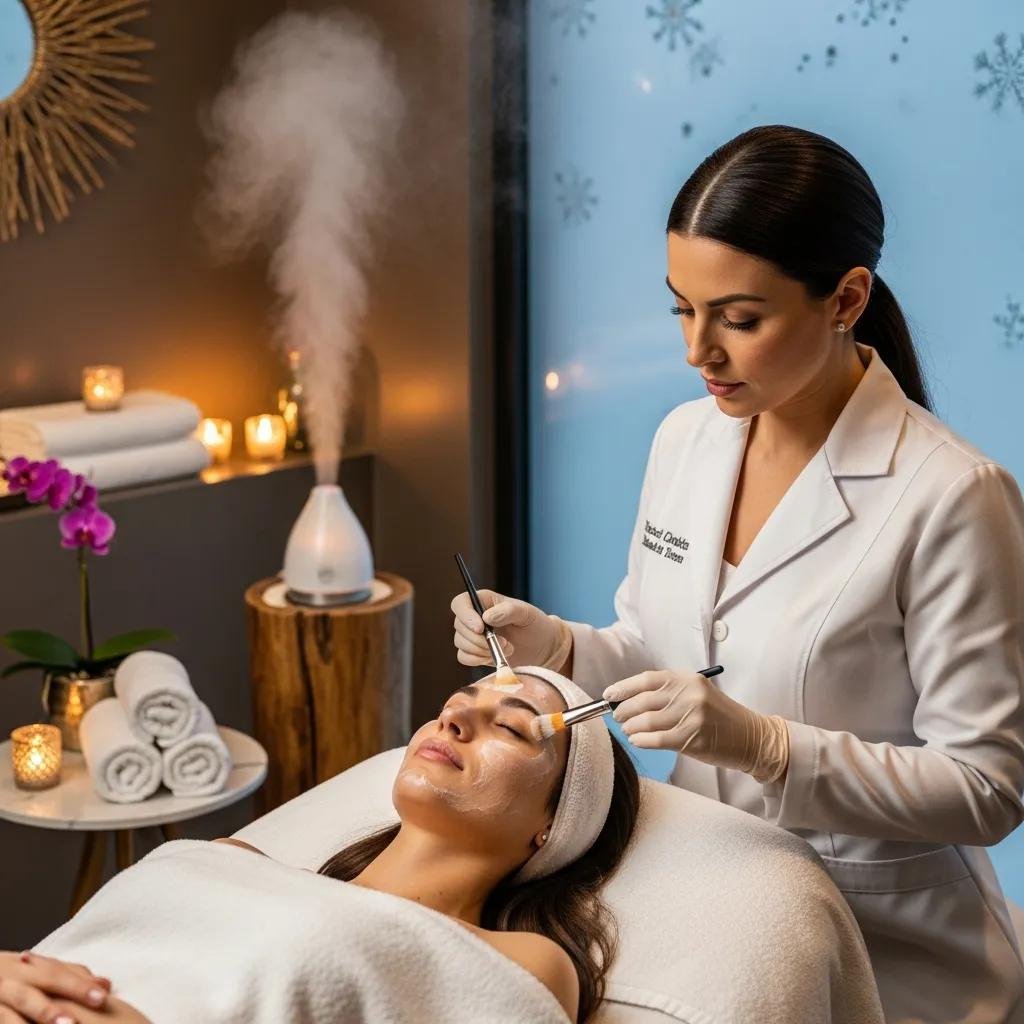
Yes — winter is often the best season for chemical peels because lower sun exposure reduces the risk of pigmentary complications and allows safer healing after controlled exfoliation. Deeper peels that treat texture and post-summer hyperpigmentation benefit from winter timing because patients can avoid strong UV exposure during the critical re-epithelialization period. Practically, winter scheduling also aligns with layering hydration protocols and monitored aftercare—both essential to minimize downtime and maximize outcomes. Shore MedSpa & Bio Aesthetics offers tailored peel plans under medical oversight, which helps match peel depth to winter availability and pigmentation goals while ensuring appropriate aftercare.
Below is a concise comparison of common peel depths and winter suitability.
| Peel Type | Best for / Depth | Typical downtime |
|---|---|---|
| Superficial (AHA) | Light exfoliation, dull dry skin | None–1 day |
| Medium (TCA / VI Peel) | Pigmentation, uneven tone | 3–7 days |
| VI Peel (specific) | Post-summer hyperpigmentation | Moderate downtime; staged care recommended |
This comparison clarifies that superficial peels are low-risk for quick refreshes, while medium peels are effective winter treatments for pigment and texture when timed with sun avoidance. The next subsection outlines recommended peel choices and how to schedule them safely.
What Types of Chemical Peels Are Recommended for Winter?
Superficial AHAs (glycolic, lactic) are excellent for maintenance in winter because they loosen dull stratum corneum with minimal downtime, whereas medium peels like TCA or the VI Peel address deeper pigment and texture issues with a predictable recovery window. For post-summer pigmentation, the VI Peel is often selected for its targeted blend that reduces melanin irregularities when performed under medical supervision. Timing matters: plan medium peels when you can commit to sun avoidance, active moisturizing, and follow-up barrier repair to reduce complications. These choices lead into how peels actually remodel texture and tone at a biological level.
How Do Chemical Peels Improve Skin Texture and Tone During Winter?
Chemical peels accelerate desquamation and stimulate epidermal turnover, which removes accumulated photodamaged cells and reveals smoother, more evenly pigmented skin beneath; this renewal is particularly valuable after summer sun exposure. The exfoliative process also prompts controlled repair signaling—boosting collagen synthesis in the superficial dermis—which improves fine lines and texture over subsequent weeks. Combining a peel with immediate post-procedure hydration and LED therapy can minimize downtime and enhance regenerative outcomes. This mechanism sets the stage for energy-based options that deliver deeper collagen remodeling with winter timing advantages.
How Do Laser Skin Treatments Benefit Winter Skin in Rockville, MD?
Laser and energy-based treatments such as Er:YAG resurfacing, IPL photofacials, and RF microneedling stimulate collagen, correct sun damage, and refine texture, producing progressive winter-to-spring improvement while healing under lower ambient UV levels. These modalities work through targeted tissue heating or precise ablation to remove damaged tissue and trigger remodeling; the result is firmer skin, reduced hyperpigmentation, and improved pore and scar appearance over a series of treatments. Winter timing reduces the risk of post-procedure pigmentary changes and allows practitioners to schedule multi-step protocols with safer sun avoidance. The table below highlights primary targets and expected downtime for common winter-appropriate devices to help choose the right approach.
| Device / Laser | Primary target | Typical downtime / Winter note |
|---|---|---|
| Er:YAG laser resurfacing | Texture, wrinkles, sun damage | Moderate downtime; winter safer for re-epithelialization |
| IPL photofacial | Pigmentation, redness | Minimal–moderate downtime; best with sun avoidance |
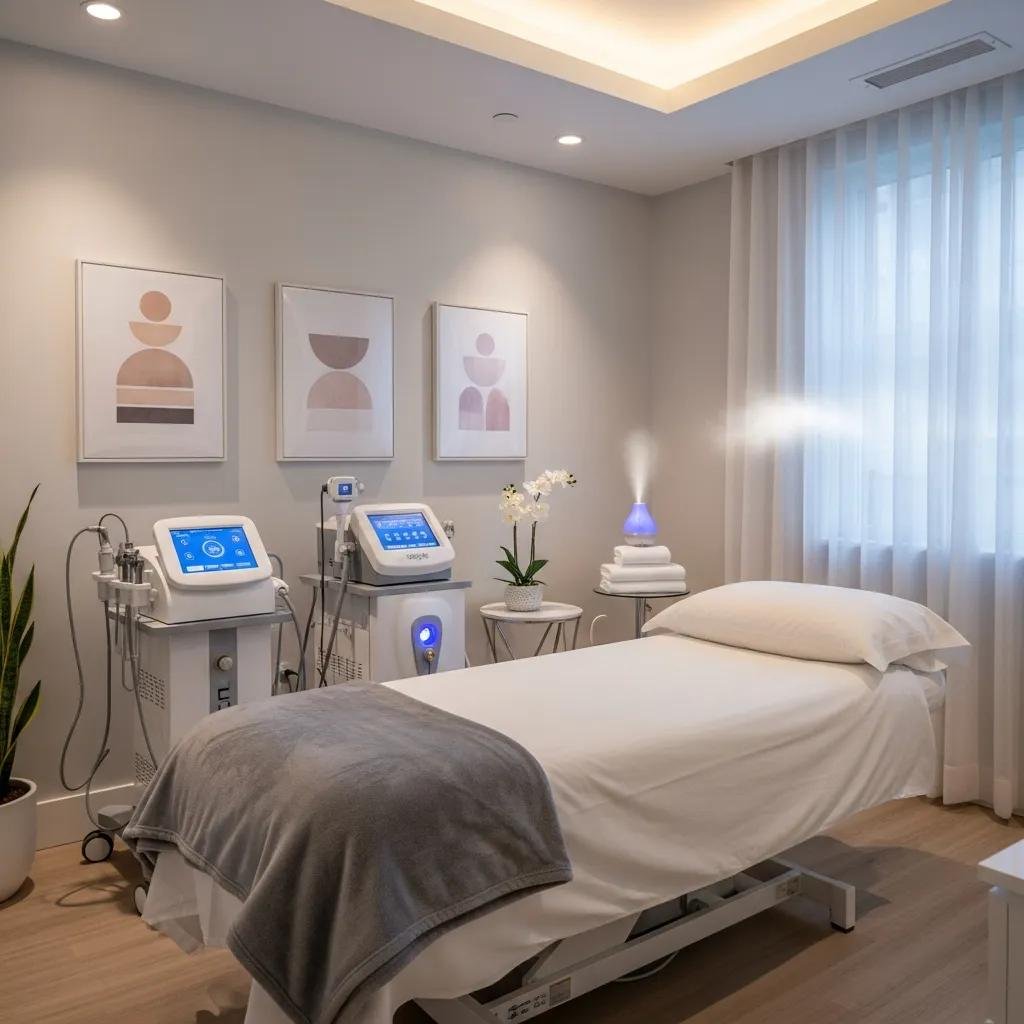
| RF microneedling (Genius RF) | Collagen stimulation, texture | Mild downtime; staged sessions recommended |
This device comparison demonstrates trade-offs between downtime and the depth of remodeling, which informs when to pair lasers with hydrating protocols for optimal winter results. Next, we explore specific advantages and safety considerations of Er:YAG and IPL for winter patients.
What Are the Advantages of Er:YAG Laser Resurfacing in Winter?
Er:YAG provides precise ablation for superficial-to-moderate resurfacing, making it effective for smoothing texture, refining fine lines, and correcting focal sun damage while preserving surrounding tissue for faster healing. In winter, reduced UV exposure lowers the risk of post-inflammatory hyperpigmentation during the critical healing phase, improving outcome predictability. Recovery typically involves controlled re-epithelialization over several days to weeks depending on depth, alongside strict sun protection and proactive moisturization. Patients who plan for downtime and follow staged hydration protocols after Er:YAG often see marked improvement by spring.
Is IPL Photofacial Safe and Effective for Winter Skin Concerns?
IPL photofacials target melanin and vascular chromophores to reduce blotchy pigmentation, sunspots, and redness; the therapy is most effective in a series of treatments spaced several weeks apart. Winter safety improves outcomes because lower ambient UV exposure reduces the risk of new pigment formation during healing, and pre/post-care emphasizes gentle skincare and sunscreen. Typical IPL courses require minimal downtime but benefit from multiple sessions for cumulative improvement and maintenance. Knowing IPL indications clarifies when to choose it over ablative lasers based on pigment versus textural priorities.
What Are Effective Dry Skin Remedies and Medspa Winter Specials in Rockville?
Practical at-home remedies combined with targeted medspa services form the most reliable plan for winter dryness: use a humidifier, swap to a gentle, non-foaming cleanser, layer humectant serums with ceramide-rich moisturizers, and apply an occlusive at night to lock hydration. At-home steps reduce flaking and sensitivity, while medspa treatments provide concentrated correction and faster restoration when needed. Seasonal medspa specials often make multi-step plans—such as pairing a superficial peel with a hydrating facial or discounting a laser series plus post-care boosters—more accessible for residents planning a full winter renewal. Below are focused home remedies and medspa options to combine for best results.
Practical at-home remedies for dry winter skin:
- Humidifier use: Restores ambient moisture and reduces transepidermal water loss.
- Gentle cleanser + ceramide moisturizer: Cleansing without stripping, followed by lipid repair.
- Nighttime occlusive (squalane or balm): Seals in serums and supports overnight barrier recovery.
These measures naturally complement medspa treatments and lead into which in-office procedures directly target dryness and dullness.
Which Medspa Treatments Target Dryness and Dullness in Winter?
Medspa procedures that directly address hydration and glow include professional hydrating facials, LED/red light therapy, RF microneedling combined with hydrating serums, and focused moisturization boosters applied in-office. Each treatment has a scheduling profile: hydrating facials and LED are low-downtime options that can be done pre- or post-peel, while RF microneedling with serums is a medical procedure requiring short recovery and medical oversight. Treatments indicated for barrier repair and immediate plumping are often prioritized in winter to minimize downtime before spring events. For those considering packages, seasonal specials make combining these options more attainable.
How Can Rockville Residents Benefit from Winter Medspa Specials?
Seasonal specials provide cost-saving access to bundled approaches—such as a superficial peel plus hydrating facial or a discounted series of IPL sessions paired with red light therapy—that accelerate visible improvement while spreading downtime across weeks. Bundling also enables a coordinated plan: begin with hydration, progress to a targeted peel or laser, and finish with maintenance LED, which optimizes healing and results. Local availability and medical oversight at a practice led by a board-certified dermatologist help ensure individualized sequencing and safe timing. If you want to discuss tailored winter plans or available specials, Shore MedSpa & Bio Aesthetics can provide a consultation to match treatments to your schedule and skin needs.