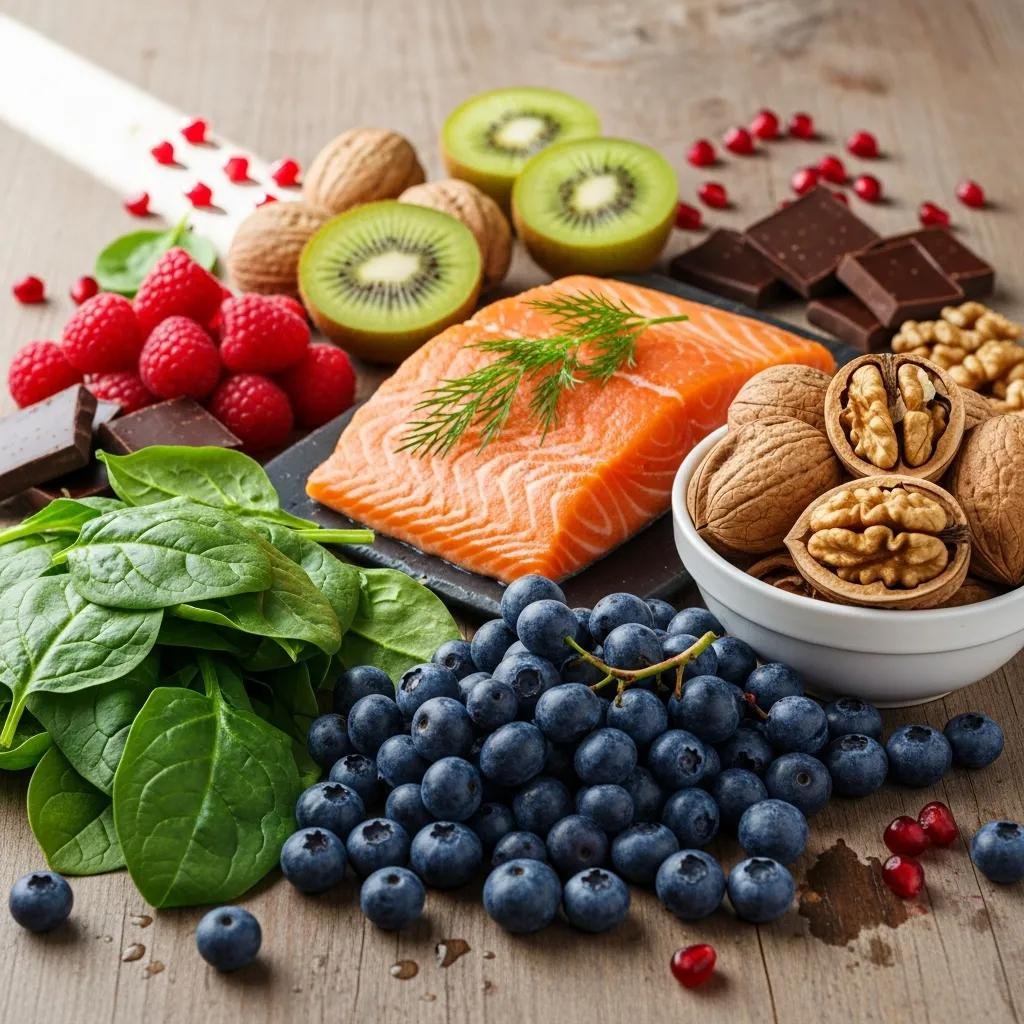
Antioxidant-Rich Foods for Anti-Aging & Skin Health: Essential Dietary Strategies for Youthful, Radiant Skin
Antioxidant-rich foods neutralize oxidative stress from free radicals and support the biochemical processes that maintain collagen and skin elasticity, helping skin appear more youthful and radiant. This guide explains which nutrients and whole foods deliver the strongest anti-aging effects, how dietary patterns reduce inflammation and glycation, and practical ways to pair nutrition with skin-renewing procedures. Readers will learn the roles of vitamin C, vitamin E, carotenoids, polyphenols, and omega-3 fatty acids in collagen synthesis, photoprotection, and barrier function, plus quick food swaps and meal ideas to increase skin-supporting compounds. Shore MedSpa & Bio Aesthetics, led by Board-Certified Dermatologist Dr. Ronald Shore in Rockville, MD, emphasizes that diet complements procedural care, and this article shows how nutrition can extend and enhance those results. The sections below cover key nutrients, top antioxidant foods, anti-inflammatory and collagen-boosting patterns, and how diet can be coordinated with common medspa treatments.
Which Antioxidant Nutrients Are Key for Youthful Skin?
Antioxidant nutrients protect skin by neutralizing free radicals, supporting collagen synthesis, and reducing inflammatory mediators that accelerate aging; these mechanisms translate into improved elasticity, tone, and repair. Vitamin C acts as an essential cofactor for collagen hydroxylation, vitamin E protects lipid membranes from peroxidation, carotenoids provide photoprotective pigments, polyphenols reduce inflammatory signaling and improve microcirculation, and omega-3s lower pro-inflammatory eicosanoids while supporting barrier lipids. Understanding these nutrients helps prioritize foods and combinations that maximize absorption and functional benefit. Below is a compact comparison of each nutrient’s mechanism and common dietary sources to help you design meals that support skin health.
| Nutrient | Primary Mechanism | Common Dietary Sources |
|---|---|---|
| Vitamin C (ascorbic acid) | Cofactor for collagen synthesis; antioxidant | Citrus fruits, red bell pepper, strawberries, kiwi |
| Vitamin E (tocopherols) | Lipid-soluble antioxidant protecting cell membranes | Almonds, sunflower seeds, spinach, avocado |
| Carotenoids (beta-carotene, lycopene) | Photoprotection and antioxidant pigment deposition | Sweet potato, carrots, tomatoes, red bell pepper |
| Polyphenols (flavonoids, anthocyanins) | Anti-inflammatory, microcirculation support | Berries, green tea, dark chocolate, grapes |
| Omega-3 fatty acids (EPA, DHA) | Anti-inflammatory, supports skin barrier lipids | Salmon, mackerel, chia seeds, walnuts |
This comparison highlights how combining sources—for example, vitamin C with plant-based iron or fats with carotenoid-rich vegetables—improves nutrient utility and supports skin structure.
How Does Vitamin C Boost Collagen Production and Skin Elasticity?
Vitamin C is a water-soluble antioxidant that serves as a cofactor for prolyl and lysyl hydroxylase enzymes, enabling proper collagen cross-linking and fibril stability, which improves skin tensile strength and elasticity. Dietary vitamin C also neutralizes oxidative damage that otherwise degrades collagen, and adequate intake correlates with better wound healing and reduced wrinkle progression in observational studies. Practical sources include a half-cup of strawberries, one medium orange, or a quarter cup of red bell pepper per day to provide meaningful ascorbic acid toward daily needs. Recent research and dermatologic guidance emphasize obtaining vitamin C from whole foods as part of a balanced eating pattern to support long-term skin structure. Combining vitamin C–rich produce with protein sources supplies both the cofactor and amino acid substrates needed for collagen formation.
What Roles Do Vitamin E, Carotenoids, and Polyphenols Play in Skin Repair?
Vitamin E is a fat-soluble antioxidant concentrated in cell membranes, where it prevents lipid peroxidation and helps maintain barrier integrity and hydration. Carotenoids like beta-carotene and lycopene accumulate in skin and provide modest photoprotection and improved skin tone when consumed regularly, particularly when absorbed with dietary fat. Polyphenols—flavonoids and anthocyanins—reduce inflammation, support microvascular flow, and can modulate matrix metalloproteinases that degrade collagen. Pairing carotenoid-rich vegetables and vitamin E sources with healthy fats improves bioavailability, while regular polyphenol intake through berries and green tea supports ongoing repair. Together, these compounds protect structural lipids and extracellular matrix components, enabling skin to recover more efficiently from environmental stressors.
What Are the Top Antioxidant-Rich Foods for Skin Health?
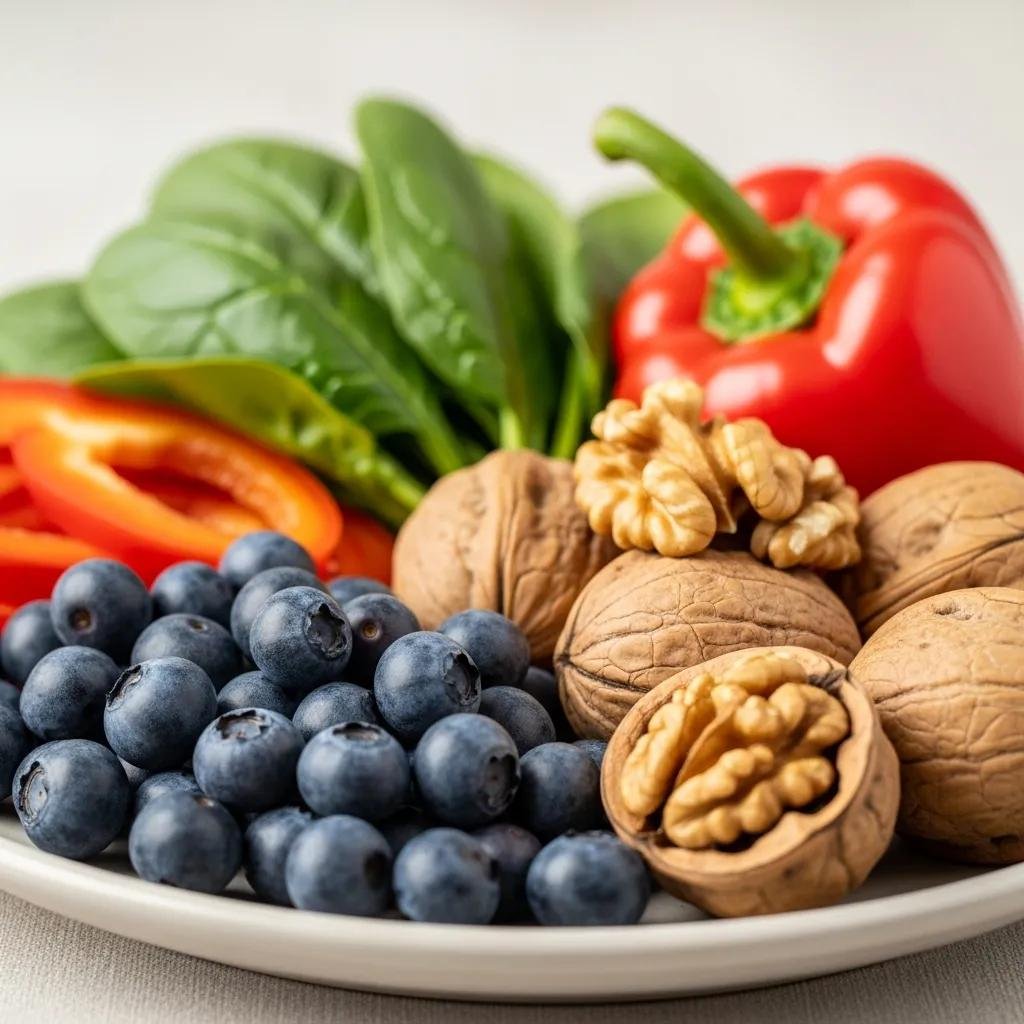
Antioxidant-rich foods supply concentrated compounds that reduce oxidative damage, provide collagen cofactors, and support barrier lipids—forming the dietary foundation for anti-aging skin care. Below is a practical list of top foods to prioritize for skin health with concise benefits and serving suggestions.
Top antioxidant foods for skin health:
- Blueberries: Rich in anthocyanins that reduce inflammation and protect against UV-related oxidative stress.
- Spinach and Kale: Dense in vitamin C, lutein, and vitamin K to support collagen formation and microcirculation.
- Walnuts and Flax Seeds: Provide omega-3s (ALA) and vitamin E for barrier function and reduced inflammation.
- Salmon and Mackerel: Deliver EPA/DHA to lower inflammation and support skin lipid composition.
- Red Bell Pepper and Sweet Potato: High in vitamin C and beta-carotene for collagen support and photoprotection.
- Green Tea and Dark Chocolate (70%+): Polyphenols that protect against oxidative stress and improve skin texture.
These foods work best when consumed regularly; try adding a handful of berries to morning yogurt, a spinach salad with grilled salmon twice weekly, and a tablespoon of flax or walnuts to oatmeal for daily benefits.
| Food | Key Antioxidants / Compounds | Skin Benefit |
|---|---|---|
| Blueberries | Anthocyanins | Anti-inflammatory, UV stress reduction |
| Spinach | Vitamin C, lutein | Collagen cofactor, microcirculation |
| Walnuts | Omega-3 ALA, vitamin E | Barrier function, reduced inflammation |
| Salmon | EPA/DHA | Elasticity support, lower inflammation |
| Red bell pepper | Vitamin C, carotenoids | Collagen synthesis, photoprotection |
| Green tea | EGCG (polyphenol) | Antioxidant, improved texture |
These pairings help prioritize grocery choices and simple recipes that deliver multiple skin-supporting compounds in one meal.
Which Berries, Leafy Greens, and Nuts Support Anti-Aging Benefits?
Berries—especially blueberries, raspberries, and strawberries—concentrate anthocyanins and flavonols that lower oxidative damage and inflammatory signaling in skin, contributing to smoother texture and reduced photoaging. Leafy greens like spinach, kale, and watercress supply vitamin C, K, and lutein, which support collagen formation and protect against oxidative microvascular damage. Nuts and seeds (walnuts, almonds, flax seeds) offer vitamin E and essential fatty acids that preserve barrier lipids and hydration. A simple habit is to add a handful of mixed berries and a tablespoon of chopped walnuts to morning cereal or yogurt to combine polyphenols, vitamin C, and healthy fats. These small changes create nutrient synergies that amplify collagen support and barrier repair across the day.
How Do Fatty Fish and Colorful Vegetables Enhance Skin Vitality?
Fatty fish such as salmon and mackerel provide EPA and DHA, long-chain omega-3s that lower inflammatory mediators, strengthen the lipid barrier, and are associated with improved skin elasticity and reduced dryness. Colorful vegetables—red bell peppers, sweet potatoes, tomatoes—deliver carotenoids and vitamin C that protect against UV-induced oxidative damage and provide substrates for collagen. Consuming two servings of fatty fish weekly and including a colorful vegetable at most meals aligns with Mediterranean-style patterns shown in recent research to support skin health. Combining these foods with olive oil or other healthy fats enhances carotenoid absorption and promotes the integrated effects of anti-inflammatory and collagen-building nutrients.
How Do Anti-Inflammatory and Collagen-Boosting Foods Improve Skin Elasticity?
Anti-inflammatory and collagen-supporting foods improve skin elasticity by lowering chronic inflammatory mediators that upregulate collagen-degrading enzymes and by supplying amino acids and micronutrients needed for new collagen formation. Dietary patterns that emphasize whole foods, healthy fats, and low refined sugar reduce glycation and oxidative stress, both key drivers of wrinkle progression and loss of elasticity. Practical patterns include Mediterranean and plant-forward approaches that combine fish, legumes, vegetables, olive oil, and moderate whole grains. Below are actionable daily habits to adopt for reduced inflammation and improved skin clarity.
Anti-inflammatory dietary habits to promote clearer, more elastic skin:
- Swap sugary snacks for berries to reduce glycation and add polyphenols.
- Use olive oil in place of refined vegetable oils to increase monounsaturated fats and antioxidant intake.
- Aim for two weekly servings of fatty fish to supply EPA/DHA and lower inflammatory tone.
Adopting these micro-habits gradually creates a systemic environment that favors collagen preservation and effective tissue remodeling, which in turn supports better recovery from skin stress and procedures.
What Dietary Patterns Promote Reduced Inflammation for Clearer Skin?
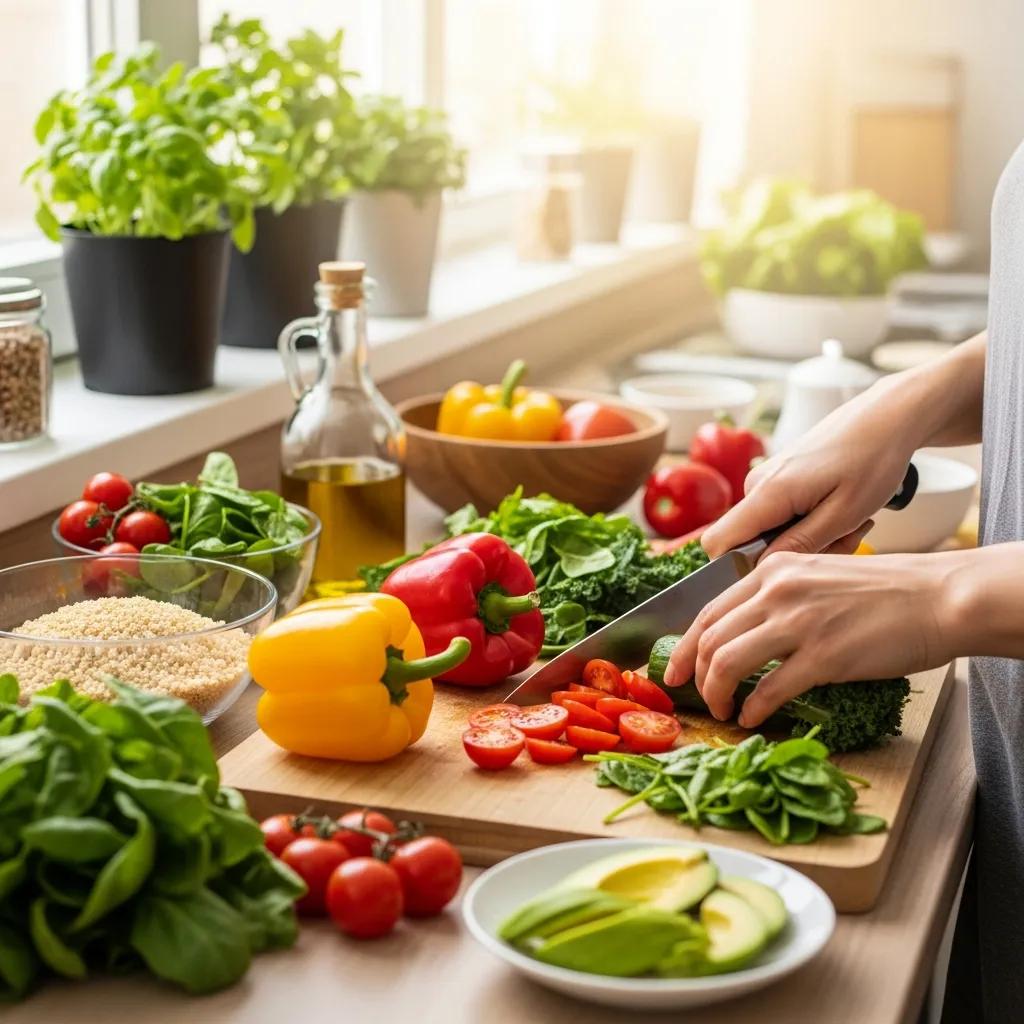
Whole-food, plant-forward patterns such as the Mediterranean diet reduce inflammation by prioritizing fruits, vegetables, legumes, nuts, olive oil, and fish while minimizing processed foods and refined sugars that drive glycation. These patterns consistently show associations with improved skin aging markers and lower systemic inflammatory markers in recent studies as of 2023. Three quick daily habits—adding a vegetable at every meal, choosing whole fruit instead of sugary snacks, and incorporating a handful of nuts or seeds—make adherence practical. These simple practices create nutrient contexts that protect collagen and reduce the chronic inflammation that accelerates skin aging.
Which Foods Specifically Support Skin Elasticity and Wrinkle Reduction?
Foods that directly support skin elasticity provide amino acid substrates (glycine, proline), vitamin C as a collagen cofactor, and antioxidants that protect new matrix from degradation; examples include lean protein, citrus and bell peppers, bone broth or collagen-containing foods, and antioxidant-rich produce. Pairing vitamin C–rich fruits with protein sources after exercise or skin-stimulating procedures supports collagen synthesis, while minimizing refined carbs reduces glycation-related stiffness. Simple meal templates—grilled salmon with roasted red peppers and a spinach salad—combine cofactors, substrates, and anti-inflammatory fats to promote ongoing matrix repair and wrinkle prevention. Consistent meal composition focused on these elements yields measurable improvements in skin elasticity over months.
How Can Diet Complement MedSpa Treatments for Enhanced Anti-Aging Results?
Yes—when combined with targeted procedures, nutrition meaningfully improves healing, prolongs procedural benefits, and reduces inflammation that can blunt results; this synergy supports both immediate recovery and long-term skin remodeling. Nutritional actions such as ensuring adequate protein and vitamin C, maintaining omega-3 intake, and reducing sugar intake help tissue repair after collagen-stimulating treatments, while antioxidants and anti-inflammatory patterns may support better outcomes from resurfacing and phototherapy. The table below summarizes practical pairings between dietary actions and common medspa procedures to illustrate expected synergies.
| Dietary Action | Treatment Type | Expected Synergy / Impact |
|---|---|---|
| Protein + Vitamin C | Microneedling / Laser resurfacing | Improved collagen synthesis and faster tissue repair |
| Omega-3s, Low-inflammatory diet | Injectables (Botox, dermal fillers) | Reduced post-procedure inflammation, potentially longer-lasting results |
| Antioxidant-rich meals | Laser resurfacing / Phototherapy | Reduced oxidative stress during recovery, supporting better remodeling |
These pairings show how everyday dietary choices create a physiological environment that complements skin-direct treatments. For patients pursuing combined approaches, Shore MedSpa & Bio Aesthetics in Rockville, MD, integrates personalized treatment plans with lifestyle recommendations to maximize safety and longevity of results, and readers are invited to consult with the clinic’s team for tailored nutrition-and-procedure coordination.
Why Is Combining Antioxidant-Rich Foods with Treatments Like Botox and Microneedling Beneficial?
Combining antioxidant-rich foods with cosmetic procedures reduces oxidative stress and systemic inflammation that can impair healing and shorten the durability of aesthetic outcomes; antioxidants protect remodeling tissue while nutrients like protein and vitamin C supply building blocks for collagen. Practical pre/post-procedure guidance includes maintaining consistent protein intake, prioritizing vitamin C and zinc-rich foods for repair, and avoiding pro-inflammatory heavy meals that spike glycation and oxidative load. Two or three days of concentrated nutrient-rich meals before and after collagen-stimulating procedures supports recovery without interfering with professional care. These nutritional strategies enhance the tissue environment in which medspa treatments work, improving both immediate recovery and long-term remodeling.
What Personalized Nutrition Strategies Support Long-Lasting Skin Rejuvenation?
Personalized strategies start with a baseline dietary assessment, identification of nutrient gaps or allergies, and alignment of macronutrient balance with treatment goals—emphasizing protein, vitamin C, antioxidant intake, and anti-inflammatory fats as needed. Follow-up adjustments based on progress, tolerability, and procedural schedules ensure nutrition supports both healing windows and maintenance phases. Working with a clinician or nutrition specialist helps tailor timing (e.g., emphasizing protein and vitamin C around collagen-stimulating treatments) and select food-based or supplementary options when necessary. For integrated care, Shore MedSpa & Bio Aesthetics pairs advanced procedural options with individualized lifestyle guidance to support durable, natural-looking rejuvenation; patients can request a consultation to align nutrition with their treatment plan.