

Vitamin A Benefits for Skin: Essential Guide to Skin Cell Turnover and Health
Vitamin A derivatives—collectively called retinoids—are topical and systemic agents that accelerate skin cell turnover and stimulate collagen production, delivering measurable improvements in texture, tone, and clarity. This guide explains how retinoids work at the cellular level, the practical benefits for acne, hyperpigmentation, and aging skin, plus safe daily-use strategies to maximize results while minimizing irritation. Many readers struggle with rough texture, persistent breakouts, or early fine lines; understanding retinoid benefits and tolerability helps select the right formulation and regimen. The article maps key topics including skin cell turnover, retinoid benefits, retinol vs tretinoin vs retinaldehyde, and how to use retinoids safely are woven into concise recommendations so you can apply this knowledge to your routine or discuss prescription options with a dermatologist.
What Are the Key Benefits of Retinol for Skin Health?
Retinol and related retinoids are Vitamin A derivatives that increase epidermal cell turnover and modify gene expression to improve surface texture, reduce fine lines, and normalize follicular keratinization. By converting to active retinoic acid within skin cells and binding retinoic acid receptors (RARs), these compounds speed shedding of dull corneocytes and stimulate underlying collagen synthesis, which yields firmer, more even skin over weeks to months. The primary clinical benefits include smoother texture, faded hyperpigmentation, fewer comedones, and gradual wrinkle reduction. Understanding differences between retinoid types and tolerability helps patients balance efficacy and comfort, especially when introducing therapy.
| Retinoid Type | Potency / Typical Use | Primary Benefit / Tolerability |
|---|---|---|
| Retinol | OTC, low-to-moderate potency | Improves texture and tone with good tolerability |
| Retinaldehyde (retinal) | Mid potency, converts quickly to retinoic acid | Faster visible results than retinol with moderate irritation |
| Tretinoin (retinoic acid) | Prescription, high potency | Strongest collagen and wrinkle effects; higher irritation risk |
This table clarifies how potency and tolerability trade off, helping readers choose a starting option based on skin sensitivity and goals. The next subsection describes the cellular steps by which retinoids accelerate turnover.
How Does Retinol Accelerate Skin Cell Turnover?
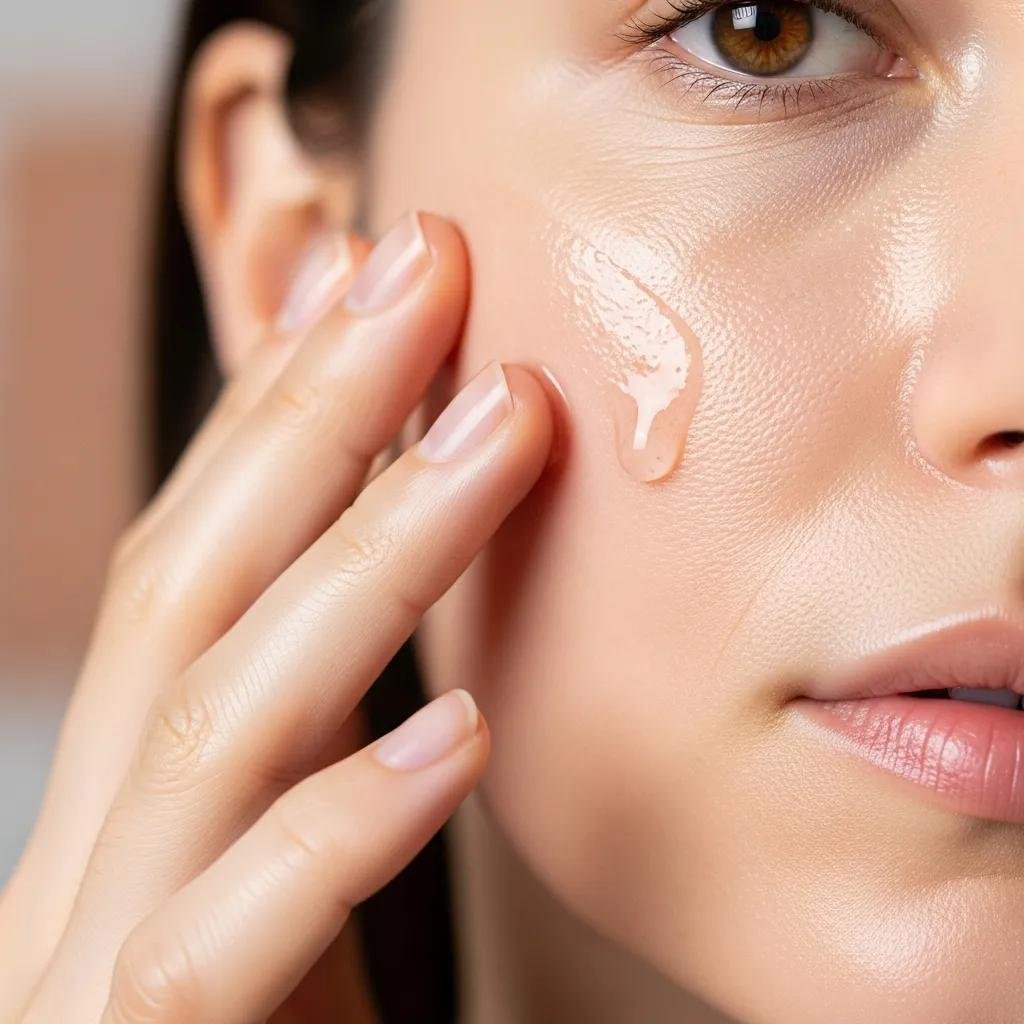
Retinol acts as a precursor to retinoic acid, which binds nuclear retinoic acid receptors to change gene expression and promote keratinocyte differentiation and controlled desquamation. This receptor-mediated signaling increases epidermal proliferation in a regulated way while also normalizing the pattern of corneocyte shedding, reducing accumulation of dead cells that dull skin. Over time, enhanced turnover minimizes clogged pores and allows fresher, more reflective epidermal layers to appear, which improves visible brightness and reduces textural roughness. Understanding this mechanism clarifies why consistent nightly use matters for cumulative results.
In What Ways Does Retinol Improve Skin Texture and Appearance?
Topical retinoids smooth roughness by accelerating elimination of uneven stratum corneum layers and by encouraging collagen remodeling in the papillary dermis, which softens fine lines and improves elasticity. Clinically, patients notice reduced pore visibility, fewer superficial irregularities, and a brighter complexion over 8–12 weeks, with progressive improvement thereafter. Combining gentle exfoliation-supportive skincare (hydrating serums, ceramide-rich moisturizers) and strict photoprotection enhances and preserves these gains. The next section explains how retinoids translate to anti-aging outcomes through matrix effects and fibroblast signaling.
For readers seeking supervised, high-efficacy retinoid regimens, Shore MedSpa & Bio Aesthetics in Rockville, MD offers a medical-grade retinoid program under board-certified dermatologist Dr. Ronald Shore, providing personalized strength selection and monitoring to optimize results while managing tolerance.
How Do Retinoids Support Anti-Aging and Wrinkle Reduction?
Retinoids support anti-aging primarily by upregulating collagen synthesis, improving epidermal thickness, and accelerating turnover to reduce fine lines and improve overall skin resilience. Activation of retinoic acid receptors triggers fibroblast signaling that increases type I collagen production and reorganizes the extracellular matrix, while simultaneous epidermal renewal smooths surface irregularities. These combined mechanisms result in visible reduction in fine lines, improved firmness, and better skin tone with sustained use.
Below is a clear mechanism-to-outcome mapping to demonstrate the pathway from molecular action to clinical result.
| Mechanism | Biological Target | Clinical Outcome |
|---|---|---|
| RAR activation | Keratinocytes & fibroblasts | Increased turnover and collagen synthesis |
| Collagen remodeling | Dermal extracellular matrix | Improved firmness and reduced fine lines |
| Epidermal thickening | Stratum spinosum & granulosum | Smoother texture and reduced translucency |
This mapping shows how cellular changes translate into cosmetic improvements and why consistent, regulated use is necessary for meaningful anti-aging effects. Combining topical retinoids with in-clinic treatments can accelerate remodeling and enhance outcomes.
- Complementary clinic options: Microneedling stimulates collagen alongside topical retinoids.
- Exfoliating chemical peels: Deeper resurfacing can boost retinoid penetration for texture gains.
- Laser resurfacing: Targets dermal matrix to synergize with retinoid-induced collagen synthesis.
These complementary approaches can be integrated for accelerated improvement; at Shore MedSpa & Bio Aesthetics, board-certified oversight by Dr. Ronald Shore allows personalized combinations of microneedling, chemical peels, or laser resurfacing when appropriate.
What Types of Retinoids Are Most Effective for Reducing Wrinkles?
Prescription tretinoin (retinoic acid) remains the most potent topical option for stimulating collagen and clinically reducing wrinkles, while retinaldehyde and retinol offer progressive efficacy with improved tolerability for sensitive users. Adapalene and other synthetic retinoids provide targeted receptor profiles and varying irritation risks, making them suitable for acne-prone aging skin. Choosing between formulations depends on wrinkle severity, prior retinoid tolerance, and willingness to manage initial irritation; gradual titration and moisturizing strategies often enable transition to higher-potency agents.
- Severe photoaging: Consider tretinoin under dermatologist supervision.
- Moderate aging with sensitivity: Start with retinaldehyde or retinol.
- Combination acne + aging: Adapalene or dermatologist-prescribed regimens balance efficacy and tolerability.
These options provide a roadmap for selecting agents aligned with goals and skin reactivity, leading into discussion of retinoids for acne and pigmentation control.
How Can Vitamin A Help Treat Acne and Hyperpigmentation?
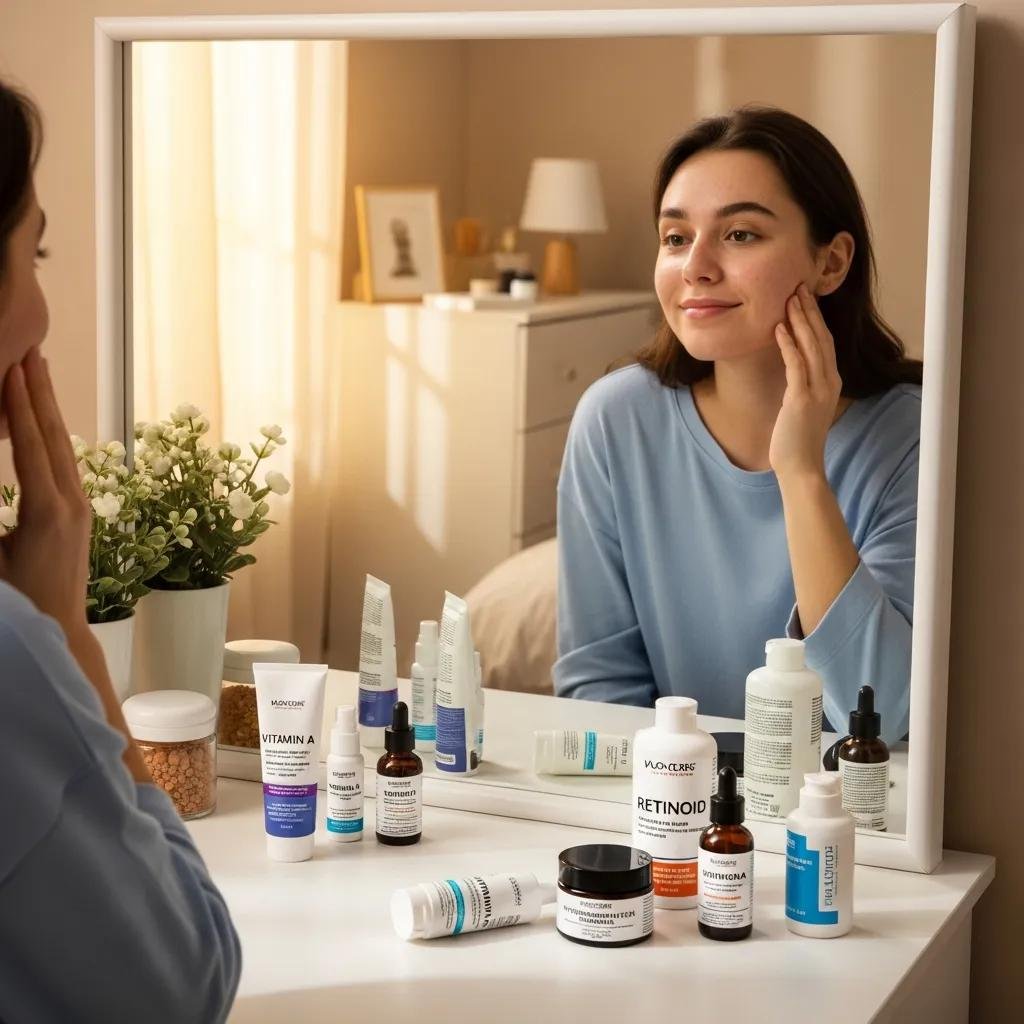
Retinoids treat acne by normalizing follicular keratinization and reducing comedone formation, while their turnover-accelerating effect disperses epidermal melanin and helps fade post-inflammatory hyperpigmentation (PIH). By preventing microcomedone development and reducing inflammation over weeks, retinoids lower the frequency of new lesions and enable topical/lightening agents to work more effectively. Improvements in PIH often begin within 8–12 weeks and continue with ongoing therapy; combining sun protection and adjunctive pigment-targeting agents accelerates clearance.
Retinoids contribute to acne and pigment control through these actions:
- Unclogging follicles: Normalize keratinocyte cohesion to prevent comedones.
- Anti-inflammatory effects: Reduce lesion severity and duration.
- Melanin dispersion: Accelerated turnover lightens superficial dark spots.
When acne is moderate-to-severe, escalation to prescription-strength retinoids or combination therapy is sometimes necessary, and professional oversight is recommended.
What Is the Role of Retinoids in Acne Management?
Topical retinoids are first-line for comedonal acne because they restore normal follicular shedding and reduce the microenvironment that feeds Cutibacterium acnes-related inflammation. In inflammatory or nodulocystic cases, retinoids are often combined with topical antimicrobials, hormonal therapy, or systemic options under dermatology guidance. Clinicians escalate therapy when lesions persist beyond 8–12 weeks or when scarring risk is present, emphasizing that retinoids reduce new lesion formation more effectively than they clear established deep cysts quickly. For safe initiation of prescription-strength regimens, consultation with a board-certified dermatologist is advised.
How Do Retinoids Fade Dark Spots and Even Skin Tone?
Retinoids accelerate epidermal turnover to disperse accumulated melanin and inhibit melanosome transfer, producing gradual fading of superficial and some post-inflammatory pigmentation. For best results, retinoids are paired with daily photoprotection and, when needed, topical lighteners such as azelaic acid or professionally administered chemical peels to target deeper pigment. Patients typically see visible lightening after 8–12 weeks, with progressive improvement over months; maintenance prevents recurrence when combined with sunscreen. Adjunctive strategies optimize both the speed and durability of pigment improvement.
What Are the Best Practices for Using Topical Vitamin A Safely?
Safe retinoid use begins with a low-and-slow approach: start with lower concentrations or less frequent application and increase as tolerance builds, while supporting the barrier with hydrating, ceramide-rich moisturizers and strict daily sunscreen. Retinoids increase photosensitivity indirectly by thinning the stratum corneum and promoting cell turnover, so consistent broad-spectrum photoprotection is mandatory to prevent irritation and pigment relapse. When tolerance issues arise, buffering techniques (apply moisturizer before or after retinoid) and temporary frequency reduction mitigate dryness and flaking. For prescription-strength initiation or persistent reactions, seek personalized guidance from a dermatologist.
Practical night routine steps to incorporate retinoids:
- Cleanse gently: Use a non-stripping cleanser to preserve barrier lipids.
- Apply retinoid at night: Start 1–2 nights per week and increase slowly.
- Moisturize: Use a barrier-supporting moisturizer to reduce irritation.
- Sunscreen daily: Reapply daytime SPF to prevent photodamage and PIH.
These steps create a tolerable regimen for most users while preserving efficacy; a concise EAV table below summarizes recommended approaches for common use cases.
| Use Case | Recommended Approach | Frequency / Precautions |
|---|---|---|
| Beginner | Start with low-concentration retinol | 1–2 nights/week, increase cautiously |
| Sensitive skin | Use retinaldehyde or buffered retinol + moisturizer | Alternate nights; monitor for irritation |
| Prescription start | Dermatologist-prescribed tretinoin with support plan | Follow medical follow-up; sunscreen essential |
This table provides quick-reference guidance for diverse scenarios and emphasizes precautionary measures to minimize adverse effects. For individuals considering prescription-strength therapy or seeking a supervised plan, Shore MedSpa & Bio Aesthetics in Rockville, MD offers dermatologist-led personalized plans under Dr. Ronald Shore to help initiate and monitor medical-grade retinoid programs safely.
How Should Retinoids Be Incorporated into a Skincare Routine?
Introduce retinoids at night after cleansing, allowing the skin to dry before application to reduce initial irritation, and follow with a moisturizer either immediately after or as a buffer depending on tolerance. Begin with 1–2 applications per week and increase frequency to alternate nights and eventually nightly as tolerated; consistent adherence yields the best long-term outcomes. Layering with hydrating serums containing hyaluronic acid and ceramides supports barrier repair, while avoiding concurrent strong exfoliants prevents excessive irritation. Clear stepwise routines and patience during the adjustment phase improve tolerance and outcomes.
What Are Common Side Effects and How to Manage Them?
Common early side effects include dryness, redness, flaking, and transient stinging as the skin adapts to increased turnover; these are typically managed by moisturizer use, reduced application frequency, or switching to a gentler retinoid form. If irritation persists despite buffering and frequency adjustments, consider stepping down to retinaldehyde or retinol and re-evaluating concurrent products that may exacerbate barrier disruption. Severe or worsening reactions—intense swelling, blistering, or signs of infection—require prompt professional evaluation. Regular follow-up with a dermatologist ensures that therapy remains effective and safe while minimizing adverse effects.