

Peptide Therapy in Rockville, MD: Effective Treatments for Wellness and Anti-Aging
Peptide therapy uses short chains of amino acids to influence cellular signaling, repair, and metabolic pathways, offering targeted approaches to wellness and anti-aging for patients in Rockville, MD. This article explains how peptide therapies work, the benefits patients can expect, common treatment categories, and how clinics manage safety and cost. Readers will learn the biology behind peptides, clinical use-cases like metabolic and skin outcomes, the peptide options referenced locally, and practical expectations for consultation and monitoring. The guide emphasizes evidence-informed mechanisms and realistic outcomes while highlighting local availability in Rockville as a context for care. Throughout, we use semantic relations and concrete examples to clarify terms such as GLP-1 peptides, growth-hormone releasing peptides, and healing/regenerative peptides. After the mechanism section, the piece also briefly notes clinical oversight available locally to help readers take next steps toward an evaluation.
What Is Peptide Therapy and How Does It Work?
Peptide therapy is the clinical use of synthetically produced or naturally derived peptides to modulate biological signaling for therapeutic goals such as metabolic regulation, tissue repair, and collagen stimulation. Peptides act as signaling molecules that bind to specific receptors, triggering downstream effects like hormone release, immune modulation, or increased collagen synthesis. Delivery forms include injections, topical formulations, and supervised oral protocols depending on peptide stability and target tissue, and form influences both absorption and monitoring needs. Understanding these basic mechanisms clarifies why targeted peptides can produce measurable improvements in weight, recovery, or skin quality.
Shore MedSpa & Bio Aesthetics in Rockville provides clinical oversight for aesthetic and metabolic programs under the leadership of Board-Certified Dermatologist Dr. Ronald Shore, and patients typically begin with a medical consultation to determine peptide suitability. This local clinical oversight builds a safety foundation before starting peptide-based protocols and helps align treatment with laboratory monitoring and follow-up.
What Are Peptides and Their Role in the Body?
Peptides are short amino acid chains that serve as messengers between cells, regulating processes such as repair, metabolism, and immune responses. Examples include growth-hormone releasing peptides that stimulate pituitary activity and GLP-1 peptides that influence appetite and insulin secretion. Peptides vary by sequence and receptor affinity, so different hyponyms produce distinct therapeutic outcomes; knowing these categories helps match treatment to goals. Recognizing peptides as part of regenerative medicine clarifies their role as a targeted, biologic modality rather than a nonspecific supplement.
How Does Peptide Therapy Support Health and Wellness?
Peptide therapy supports wellness through multiple pathways: metabolic peptides can reduce appetite and improve glycemic control, regenerative peptides accelerate tissue repair, and collagen-stimulating peptides improve skin texture and elasticity. Clinical use-cases include medically supervised weight management combined with lifestyle interventions, accelerated recovery after musculoskeletal injury, and adjunctive approaches to skin rejuvenation. Therapeutic protocols generally begin with assessment, personalized dosing, and scheduled follow-up to measure biomarkers and clinical response. Proper monitoring and individualized plans maximize benefit while minimizing risks.
What Are the Key Benefits of Peptide Therapy in Rockville?
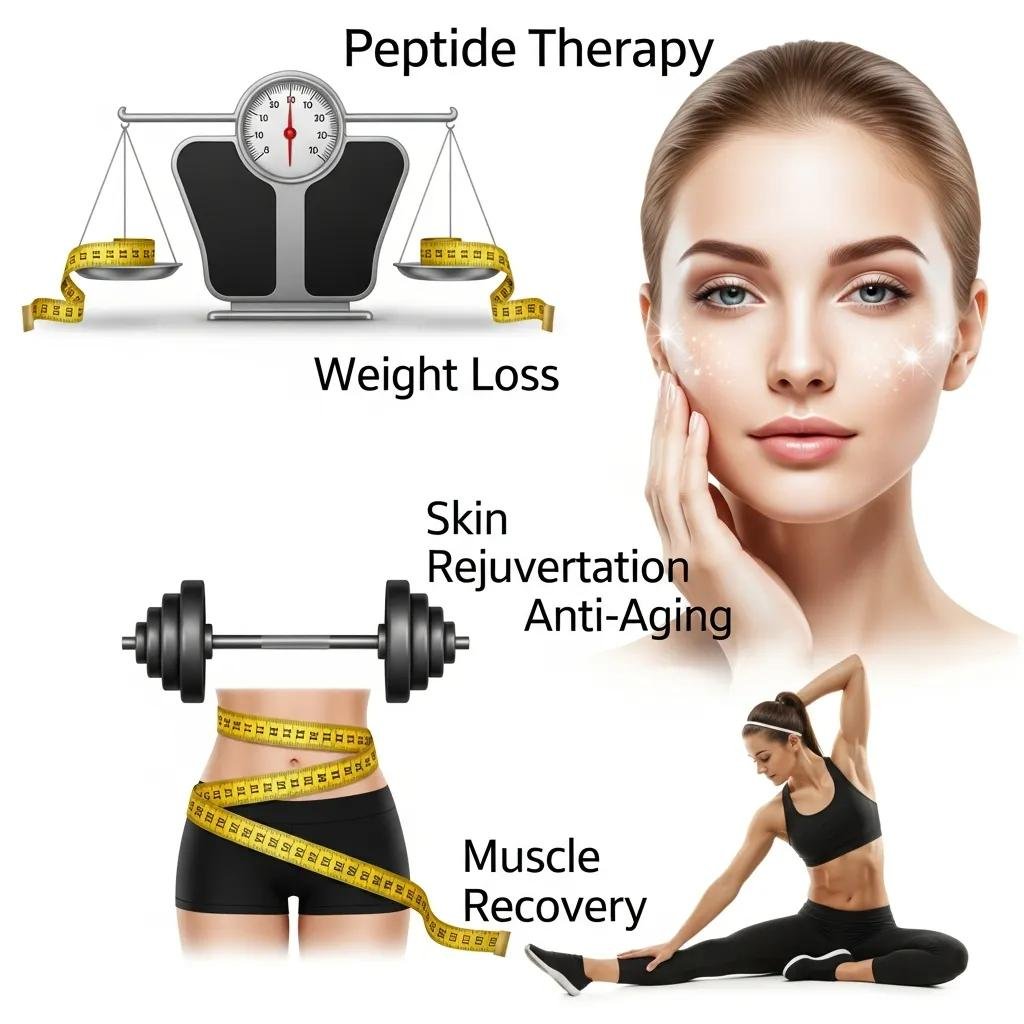
Peptide therapy can deliver targeted improvements across metabolic, regenerative, and aesthetic domains by leveraging receptor-specific signaling to produce measurable outcomes. Below are the principal benefits patients typically pursue in Rockville clinics and medspas.
Peptide therapy provides several core benefits:
- Weight and Metabolic Support: Certain peptides reduce appetite and improve glycemic control to support weight loss efforts.
- Anti-Aging and Skin Rejuvenation: Collagen-stimulating peptides enhance skin texture and firmness over time.
- Muscle Recovery and Injury Healing: Regenerative peptides promote tissue repair and reduce recovery intervals after injury.
- Immune and Cognitive Support: Select peptides offer modulatory effects that support immune function and cellular resilience.
The following table compares common peptide categories by mechanism and primary benefits to make choices easier for patients exploring options in Rockville.
| Peptide Category | Mechanism | Primary Benefit |
|---|---|---|
| GLP-1 peptides (e.g., Semaglutide, Tirzepatide) | Receptor-mediated appetite suppression and insulin modulation | Weight loss, improved metabolic control |
| Growth-hormone releasing peptides (Sermorelin, Ipamorelin) | Stimulate GH axis and IGF signaling | Improved body composition, muscle maintenance |
| Healing/regenerative peptides (BPC-157, TB-500) | Local tissue repair and inflammation modulation | Faster recovery, injury healing |
This comparison shows how mechanism guides expected outcomes and helps patients prioritize which peptide category matches their wellness or anti-aging goals. Understanding mechanism leads naturally to clinical pathways for weight management and skin outcomes.
How Does Peptide Therapy Aid Weight Loss and Metabolic Health?
GLP-1 class peptides such as Semaglutide and Tirzepatide act on satiety and glycemic pathways to reduce caloric intake and improve metabolic markers; this mechanism leads to clinically meaningful weight loss when paired with lifestyle support. These peptides bind GLP-1 receptors in the gut and brain to slow gastric emptying and decrease appetite, which produces consistent reductions in body weight over weeks to months. Patients should expect stepwise titration, regular follow-up, and adjunct nutritional and behavioral support to optimize outcomes. Clinical monitoring of metabolic labs and individualized dosing are essential to balance efficacy and tolerability.
What Anti-Aging and Skin Rejuvenation Benefits Do Peptides Offer?
Anti-aging peptides can stimulate collagen production, enhance dermal matrix remodeling, and improve skin hydration and texture through direct signaling to fibroblasts and extracellular matrix pathways. Topical and injectable peptides target collagen synthesis and wound-healing cascades, leading to gradual improvements in fine lines and skin tone over several weeks. Combining peptide therapy with complementary medspa services such as energy-based treatments often yields synergistic improvements in skin quality. Patients typically see progressive change and require maintenance protocols to sustain results over time.
Which Peptide Treatments Are Available at Shore MedSpa in Rockville?
Shore MedSpa & Bio Aesthetics references peptide-based medical weight loss programs that include GLP-1 therapies; patients interested in peptide therapy typically undergo a clinical assessment to determine eligibility and monitoring needs. The clinic’s publicly referenced services include Semaglutide and Tirzepatide under medical weight loss programs, while other peptide categories such as growth-hormone releasing and regenerative peptides are commonly discussed in clinical practice and may be evaluated during consultation. A clear evaluation pathway — assessment, prescription when indicated, and follow-up — is emphasized to ensure safe, individualized care.
Common peptide options and how they are typically administered are summarized in the table below to help patients compare approaches before booking a consultation.
| Peptide | Primary Use | Typical Administration / Monitoring |
|---|---|---|
| Semaglutide | Weight loss / metabolic control | Subcutaneous injection with titration and metabolic labs |
| Tirzepatide | Weight loss / combined incretin effects | Subcutaneous dosing with clinical monitoring |
| Growth-hormone releasing peptides | Anti-aging, body composition | Peptide injections with IGF/GH axis monitoring |
This quick-reference table clarifies which peptides address metabolic versus regenerative goals and underscores the need for prescription-level oversight for GLP-1 therapies. To confirm availability of specific peptides beyond GLP-1s, patients should discuss options during a medical consultation.
What GLP-1 Peptides Are Used for Weight Loss?
Semaglutide and Tirzepatide belong to incretin-related classes that act on GLP-1 receptors to reduce appetite and regulate glucose, producing significant weight reduction in clinical settings when combined with lifestyle changes. Semaglutide primarily targets GLP-1 receptors whereas Tirzepatide has dual GIP/GLP-1 activity, which can translate into differences in efficacy and metabolic effects. Administration is typically by subcutaneous injection with scheduled titration to minimize side effects, and regular follow-up evaluates weight trajectory and metabolic labs. Eligibility and choice of agent are determined by individualized clinical assessment.
What Anti-Aging and Muscle Recovery Peptides Does Shore MedSpa Offer?
While Shore MedSpa’s site explicitly references Semaglutide and Tirzepatide for weight programs, anti-aging and muscle-recovery peptides such as Sermorelin, Ipamorelin, and BPC-157 are commonly used in clinical practice and may be considered after individualized evaluation. These peptides target growth-hormone pathways or local repair mechanisms to improve body composition and healing; protocols vary by peptide and patient goals. Determining appropriateness requires medical assessment, baseline labs, and a personalized plan that includes monitoring for efficacy and safety. A consultation helps clarify availability and a tailored protocol.
What Should Patients Expect Regarding Peptide Therapy Cost and Safety in Rockville?
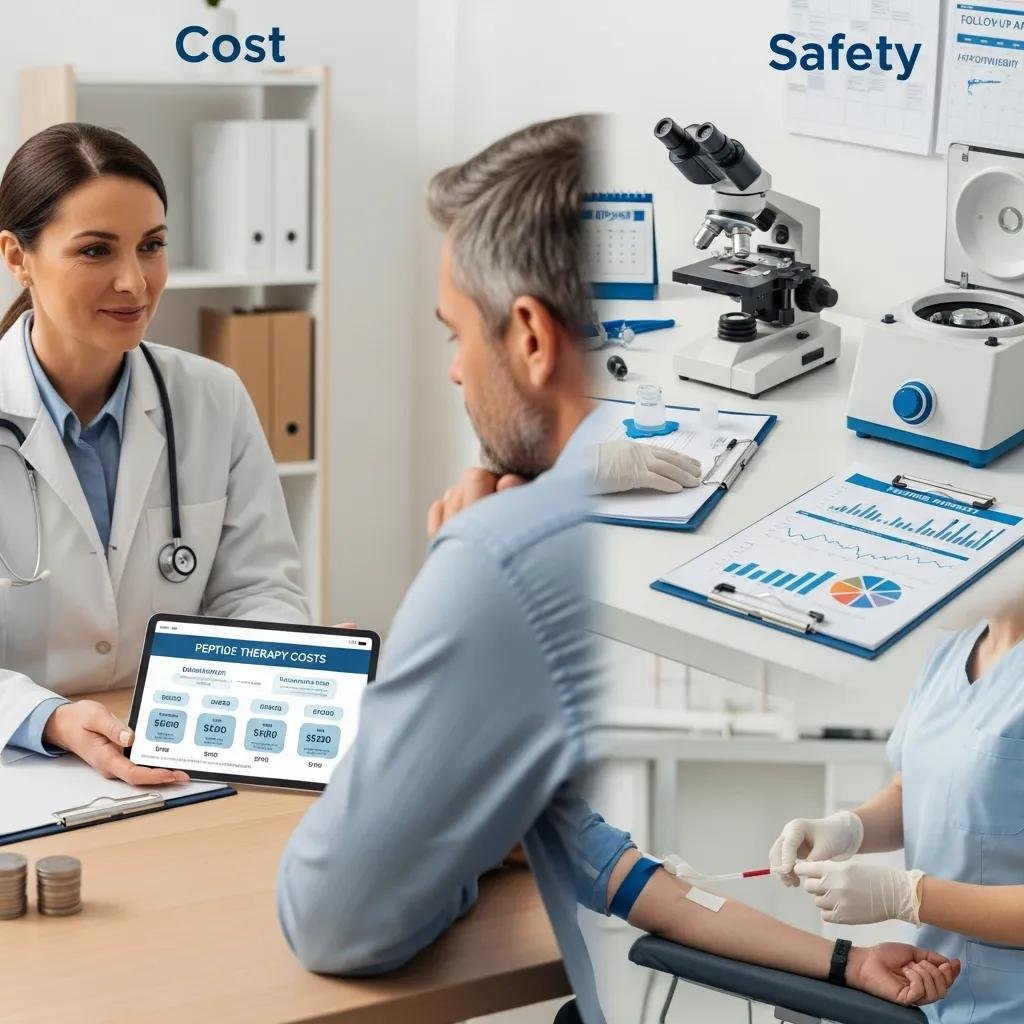
Costs for peptide therapy vary based on peptide type, dosing frequency, medication sourcing, and required monitoring, so transparent discussion during consultation is essential to set expectations. Safety hinges on medical screening, baseline and follow-up laboratory testing, and supervised titration; common adverse effects differ by class and are managed through dose adjustments and supportive care. Clinics in Rockville typically structure care around an initial evaluation, medication dispensing where appropriate, and scheduled follow-ups to assess outcomes and labs. Patients benefit from clear protocols that define monitoring frequency and criteria for continuing or modifying therapy.
The table below outlines typical cost components and safety considerations to help patients understand what influences overall expense and clinical oversight.
| Item | Typical Cost Range (high-level) | Notes on Safety / Monitoring |
|---|---|---|
| Initial consultation | Varies by clinic | Medical history, baseline labs, and eligibility assessment |
| Medication (GLP-1s and others) | Varies by peptide and dosing | Requires prescription, titration, and metabolic monitoring |
| Follow-up visits & labs | Ongoing expense | Periodic labs and clinical review to monitor efficacy and side effects |
This high-level table demonstrates that medication cost is only one component and that safety monitoring is integral to responsible peptide therapy. Knowing these components helps patients plan for both clinical and financial aspects of care.
How Much Does Peptide Therapy Cost in Rockville, MD?
Exact pricing depends on the peptide selected, dosing schedule, whether compounding is required, and the frequency of follow-up assessments, so clinics typically provide individualized estimates after evaluation. Rather than fixed package prices, patients should expect itemized components: consultation, medication supply, follow-up visits, and laboratory testing. Shore MedSpa & Bio Aesthetics emphasizes clinical supervision by Board-Certified Dermatologist Dr. Ronald Shore as part of the care pathway, which ensures appropriate monitoring and individualized planning without presenting preset flat pricing publicly. Scheduling a medical consult yields a tailored cost estimate based on personal treatment goals.
What Are the Potential Side Effects and Safety Measures?
Common side effects vary by peptide class; GLP-1 peptides frequently produce gastrointestinal symptoms such as nausea, vomiting, and early satiety, while injectable peptides can cause local site reactions and, less commonly, systemic effects. Safety measures include pre-treatment screening, baseline labs, informed consent, stepwise dose titration, and scheduled follow-up with laboratory monitoring to catch adverse events early. If patients experience concerning symptoms such as severe GI distress or signs of allergic reaction, they should contact their supervising clinician promptly; clinics maintain protocols for dose adjustments and supportive care. These safety practices reduce risk and support better long-term outcomes.
Key safety practices include:
- Pre-treatment medical evaluation and laboratory screening.
- Informed consent and discussion of realistic expectations.
- Scheduled follow-up visits and biomarker monitoring.
These steps ensure that peptide therapy is provided with oversight consistent with contemporary clinical standards and patient safety priorities.