
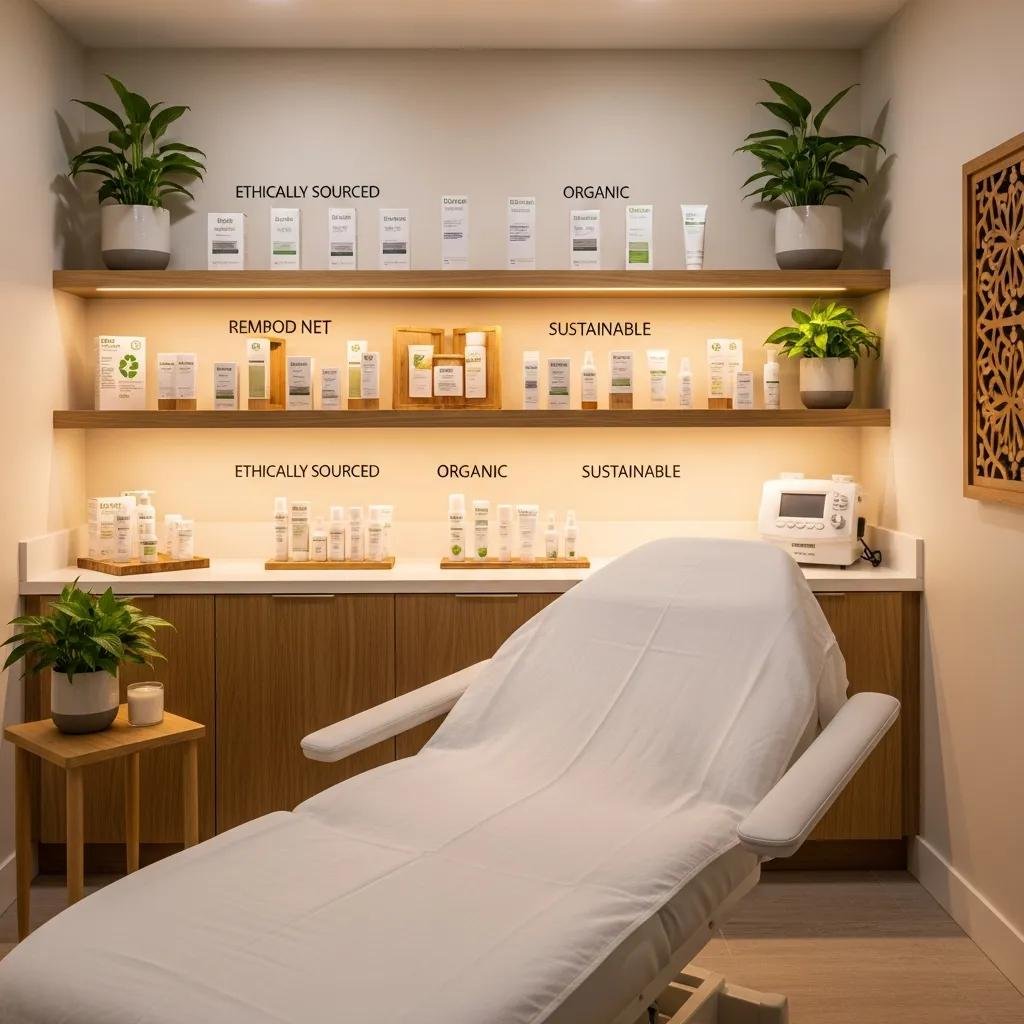
Ethical Sourcing in Med Spa Products: Ensuring Responsible and Sustainable Beauty Practices
Ethical sourcing in med spa products means procuring ingredients and finished formulations in ways that protect client safety, respect ecosystems, and uphold fair labor practices while maintaining clinical effectiveness. This article explains how ethical sourcing affects product quality, why it matters for client outcomes and environmental stewardship, and which verification steps clinicians and consumers can use to evaluate med spa offerings. Readers will learn practical indicators of responsibly sourced skincare, how suppliers and clinics can demonstrate traceability, and simple actions clients can take when choosing treatments or take-home products. The guide maps core topics including a clear definition of ethical sourcing, the real-world impacts on safety and efficacy, the processes a med spa can use to verify ingredients, the attributes of clean/cruelty-free/fair-trade products, and concrete sustainability actions such as packaging and local sourcing. Throughout, keywords like responsible product choices, ethical sourcing med spa, clean beauty med spa, and ingredient transparency skincare are used to help you identify trustworthy products and ask the right questions before treatment.
What Is Ethical Sourcing and Why Does It Matter in Med Spa Products?
Ethical sourcing in the med spa context is the practice of selecting ingredients and products based on verified environmental, social, and safety criteria that support both clinical performance and broader sustainability goals. It works by prioritizing suppliers with transparent supply chains, third-party verification, and responsible production methods so that the resulting formulations are consistent, safe, and effective. The primary benefits are improved client safety through higher-quality inputs, reduced environmental harm via sustainable harvesting and production, and strengthened social outcomes when workers and communities receive fair treatment. Below are three quick, practical reasons ethical sourcing matters for med spa clients and providers.
- Client safety improves because traceable ingredients reduce the risk of contamination and batch variability.
- Environmental impact is lowered through sustainable harvesting, reduced pollution, and better land management.
- Social responsibility ensures fair labor practices and community support in sourcing regions.
Recognizing these benefits leads naturally to how sourcing choices directly influence clinical outcomes and product reliability.
How Does Ethical Sourcing Impact Skincare Safety and Effectiveness?
Ingredient origin and supplier practices directly influence skincare safety and formulation performance by determining purity, potency, and batch-to-batch consistency. When botanical extracts, active peptides, or carrier oils are sourced from traceable suppliers with quality controls, formulators can predict potency and reduce contamination risks, which improves clinical predictability of treatments. Poorly sourced inputs can introduce contaminants, heavy metals, or variable active concentrations, diminishing efficacy and increasing adverse reactions. Recent research and industry guidance emphasize ingredient traceability and certificates of analysis as practical safeguards that clinicians and clients should request before adopting a new professional-grade ethical skincare product. Understanding these mechanisms clarifies why responsible sourcing is integral to both safety and measurable outcomes.
What Are the Environmental and Social Benefits of Responsible Beauty Sourcing?

Responsible sourcing delivers measurable environmental benefits—such as preserving biodiversity, lowering greenhouse gas emissions, and reducing chemical runoff—by favoring sustainable farming, regenerative practices, and minimal-processing supply chains. Social benefits include fair wages, improved working conditions, and community investment when suppliers adhere to fair trade practices or reinvest in local development. For example, sourcing fair-trade shea or community-certified botanical extracts can translate into income stability for local producers and incentives for sustainable land use. These co-benefits align client values with treatment choices and extend the impact of med spa purchases beyond immediate cosmetic results.
How Does Shore MedSpa Ensure Transparency and Responsibility in Ingredient Sourcing?
Shore MedSpa & Bio Aesthetics approaches product selection with an emphasis on supplier vetting, ingredient transparency, and clinical safety, balancing efficacy with responsible procurement choices for patients in Rockville, MD. The spa prioritizes products that offer clear ingredient lists and accessible documentation so clinicians can evaluate risk and mechanism of action before clinical use. Staff training focuses on recognizing credible certification badges and on asking suppliers for certificates of analysis or third-party testing when clinical-grade products are considered for injectables, topical protocols, or take-home regimens. These practices help the practice maintain product safety while supporting responsible product choices for clients.
| Process Step | What Is Checked | Example Evidence |
|---|---|---|
| Supplier disclosure | Ingredient origin and supply chain claims | Supplier manifests or supplier statements showing source regions |
| Quality testing | Purity and contaminant screening | Certificates of Analysis (COA) from independent labs |
| Clinical suitability | Efficacy and stability for professional use | Product technical datasheets and safety data sheets |
This table summarizes the core vetting steps used to evaluate products and ingredient sources. The transparency provided by these checks helps clinicians make safer, more effective selections for in-clinic and at-home care.
What Processes Verify the Sustainability of Our Skincare Ingredients?
Verifying sustainability typically combines supplier questionnaires, chain-of-custody documentation, and review of third-party certifications that specifically address environmental and social standards. Shore MedSpa requests documentation showing harvesting methods, land-use practices, and any relevant sustainability certifications from suppliers when available; clinicians also review COAs to confirm purity and absence of contaminants. Third-party audits and traceability tools provide additional assurance when suppliers participate, and the med spa maintains open communication with brands to clarify sourcing claims. These steps reduce supply-chain risk and support ingredient transparency skincare practices that clients can rely on.
Which Certifications and Standards Guide Our Ethical Product Selection?
Common certifications and standards—such as Leaping Bunny for animal testing, Fair Trade for social sourcing, Rainforest Alliance for habitat-friendly agriculture, and Environmental Working Group (EWG) verification for ingredient safety—offer recognizable signals about specific attributes of products and ingredients. Each certification verifies different aspects: animal welfare, fair labor and community benefits, sustainable farming practices, or ingredient safety profiles respectively. Clinicians and clients benefit when products carry relevant badges because those marks simplify initial screening, though final clinical suitability still depends on formulation stability and COAs. Understanding which certification aligns with your priorities helps in selecting professional-grade ethical skincare products.
| Certification | Verifies | Client Benefit |
|---|---|---|
| Leaping Bunny | No animal testing in development | Aligns with animal welfare preferences |
| Fair Trade | Fair labor and community premiums | Supports producer livelihoods and social impact |
| Rainforest Alliance | Sustainable agricultural practices | Protects biodiversity and ecosystem health |
This comparison helps clarify which certification corresponds to which client-facing benefit and supports faster, informed decision-making when assessing product options.
What Are the Key Attributes of Clean, Cruelty-Free, and Fair Trade Med Spa Products?
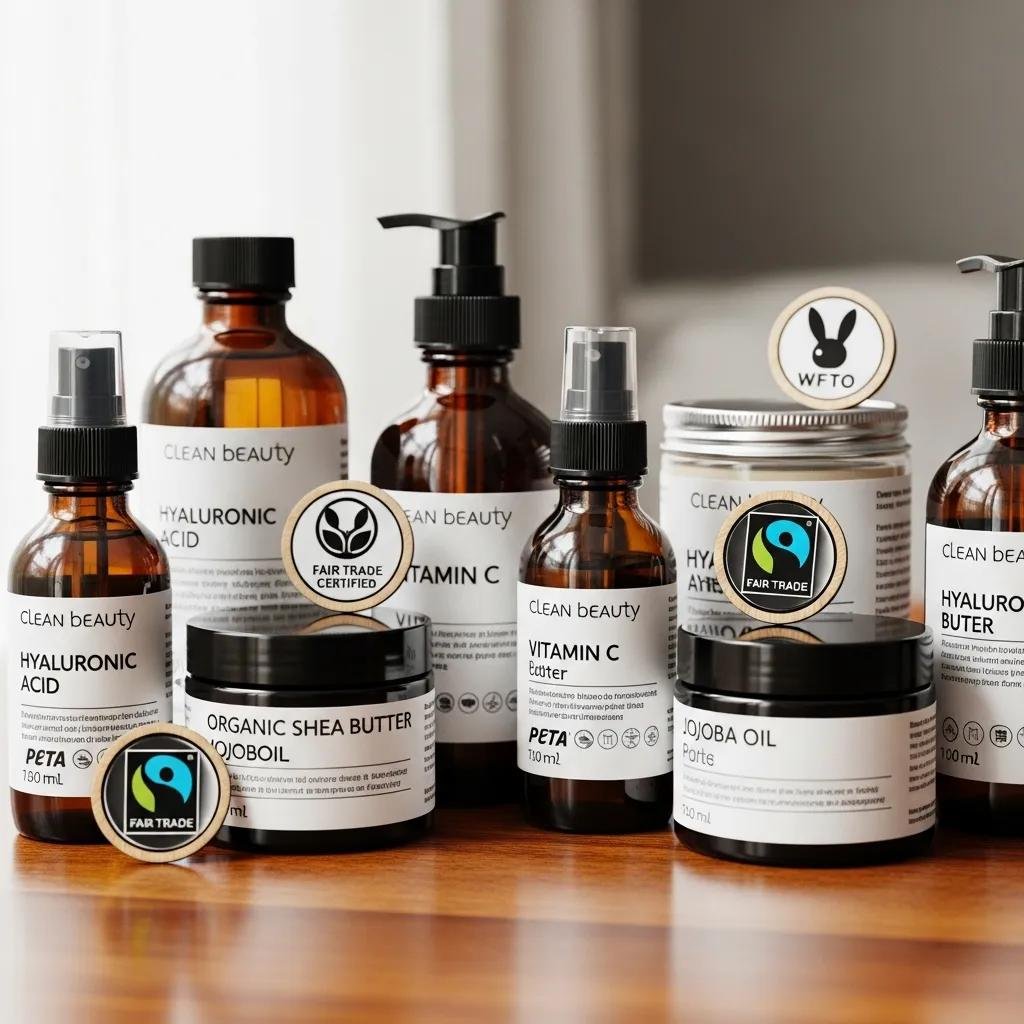
Clean, cruelty-free, and fair trade are distinct but complementary product attributes that med spas should evaluate to match client values with clinical performance. “Clean” generally denotes transparent labeling, avoidance of certain controversial ingredients, and a focus on non-toxic formulations, while “cruelty-free” indicates products were not tested on animals during development. “Fair trade” emphasizes social responsibility in sourcing raw materials. Together, these attributes create a profile of responsible product choices that support both safety and ethics without necessarily compromising efficacy when properly verified. Below is a quick checklist clients and clinicians can use to spot these attributes on product packaging and manufacturer materials.
- Ingredient transparency is present and full INCI lists are provided.
- Animal testing policies are clearly stated or verified by recognized cruelty-free programs.
- Supply chain or sourcing statements reference fair labor or community support.
These checklist items provide immediate, actionable signs to look for when evaluating med spa products; the next step is checking documentation and COAs for clinical-grade verification.
How Do Clean Beauty Standards Influence Our Product Choices?
Clean beauty standards influence med spa product selection by emphasizing ingredient safety, minimal use of controversial chemicals, and clearer labeling so clinicians can evaluate interactions with professional treatments. While “clean” is not a single regulatory category, it functions as a hypernym for several desirable traits—non-toxic formulations, limited use of allergens, and transparent sourcing statements—that clinicians weigh against proven clinical efficacy. Advanced practitioners balance clean-beauty claims with evidence of clinical performance, choosing professional-grade ethical skincare products that pair safety with documented stability and compatibility with procedures. This careful evaluation ensures clients receive responsible, effective care.
Why Are Cruelty-Free and Vegan Certifications Important for Med Spa Clients?
Cruelty-free and vegan certifications address different client concerns: cruelty-free focuses on animal welfare during testing, while vegan indicates no animal-derived ingredients in the formulation. Clients may prefer these certifications for ethical reasons or to avoid certain animal-derived components that can affect sensitization risks. Certifications provide a trust signal, but clinicians still examine product efficacy and formulation composition to ensure suitability for medical-grade applications. For clients seeking ethically aligned options, verified cruelty-free or vegan products can be incorporated into post-procedure care and take-home regimens when they meet clinical safety and stability requirements.
How Is Shore MedSpa Reducing Environmental Impact Through Sustainable Packaging and Local Sourcing?
Shore MedSpa implements practical measures to reduce environmental impact through packaging choices and by favoring local supply relationships when clinically appropriate, which supports reduced transport emissions and quicker traceability. The med spa encourages brands that use recyclable or minimal packaging for take-home products and explores refill-friendly options to limit single-use plastic waste in the clinic. Where possible, Shore MedSpa also considers local sourcing for non-sensitive items—such as certain botanical-based adjuncts—so long as clinical-grade standards and supplier transparency are maintained. These choices reduce the carbon footprint associated with product distribution while supporting community suppliers near Rockville, MD.
- Typical eco-friendly packaging initiatives include recyclable glass jars, PCR (post-consumer recycled) plastics, and compact refill formats to reduce waste.
- Client-facing programs can include in-clinic recycling collection points and encouragement to return empty containers for proper disposal.
- Local sourcing practices prioritize traceability and reduced transit emissions while supporting nearby producers when product quality and safety match clinical standards.
These initiatives give clients tangible ways to reduce environmental impact when selecting med spa products and help integrate sustainability into routine clinical care.
What Eco-Friendly Packaging Initiatives Are Implemented in Our Med Spa?
Packaging initiatives focus on reducing single-use plastics, choosing recyclable materials, and supporting refillable systems where validated for product stability. Shore MedSpa advises clients on proper disposal or recycling of common packaging types and favors brands that minimize excessive secondary packaging. Clinicians also evaluate packaging integrity for clinical use to ensure sterility and product stability are not compromised. Small changes in packaging—when combined with supplier transparency—deliver measurable reductions in clinic waste and align consumer purchases with sustainable med spa practices.
How Does Local Sourcing Minimize Our Carbon Footprint and Support Communities?
Local sourcing reduces transportation-related emissions by shortening supply chains and enabling faster verification of production practices, which improves traceability and reduces lead times for clinical products. Supporting nearby suppliers also circulates economic benefits within the region and can help foster partnerships that emphasize sustainable land management and fair labor. For clients, local sourcing means quicker access to responsibly produced adjuncts and clearer provenance information. When combined with robust supplier vetting and ingredient transparency, local sourcing becomes a practical strategy for lowering environmental impact while strengthening community ties.