

Sustainable Med Spa Practices for Eco-Conscious Clients: Discover Eco-Friendly Treatments and Benefits
Sustainable med spa practices combine clinical aesthetics with environmental responsibility to deliver treatments that improve skin health while reducing ecological impact. This article explains what eco-friendly med spa treatments are, why they matter for both individual clients and the planet, and how practical choices in ingredients, equipment, and operations create measurable benefits. Readers will learn about organic and plant-based skincare options, energy-efficient devices and scheduling strategies, waste-reduction tactics like refillable packaging and biodegradable disposables, and how to evaluate providers for green beauty practices. The guide also highlights ways that Shore MedSpa & Bio Aesthetics — led by board-certified dermatologist Dr. Ronald Shore in Rockville, MD — can align its clinical services such as chemical peels, RF microneedling, and laser therapies with sustainable protocols. You will find clear comparisons, actionable lists, and EAV-style tables to help choose eco-friendly med spa services and to ask the right questions of your provider. By the end, you’ll have practical steps to prioritize eco-friendly aesthetics that protect your skin and reduce environmental footprint.
What Are Eco-Friendly Med Spa Treatments and Their Benefits?
Eco-friendly med spa treatments use lower-impact ingredients and technologies that reduce waste, energy use, and harmful chemical runoff while maintaining clinical effectiveness. These approaches work by substituting biodegradable and plant-derived actives for persistent synthetics, optimizing device energy use, and minimizing single-use disposables to reduce downstream landfill and water contamination. Clients benefit from fewer irritants, better ingredient transparency, and often improved long-term skin compatibility, while the environment benefits from lower carbon and waste footprints. Below are typical categories and their direct advantages.
Eco-friendly med spa categories and benefits include:
- Organic facials and plant-based peels: gentler chemistry and biodegradable residues that lower aquatic toxicity.
- Energy-efficient laser therapies and LED: comparable clinical outcomes with reduced electricity consumption.
- Zero-waste product systems: refillable packaging and compostable disposables that cut landfill contribution.
This comparison table shows how treatment types differ in sustainability attributes and client impact.
Different treatment categories mapped to sustainability attributes and outcomes.
| Treatment Type | Sustainability Attribute | Impact |
|---|---|---|
| Organic facials | Plant-based, biodegradable actives | Lower chemical persistence and reduced irritation |
| Energy-efficient lasers | Lower energy per treatment cycle | Reduced operational carbon footprint |
| Refillable skin-care systems | Refillable or bulk packaging | Less plastic waste and reduced shipping emissions |
This table helps clients compare treatment choices and select services that fit both skin goals and environmental priorities.
How Do Organic Skincare and Plant-Based Treatments Support Sustainability?
Organic and plant-based treatments support sustainability by sourcing ingredients with lower pesticide inputs and enhanced biodegradability. When formulations prioritize botanical actives and transparent supply chains, they reduce chemical runoff and downstream ecosystem impacts while often improving tolerability for sensitive skin. Recent industry trends show growing demand for traceability and cruelty-free practices, which encourage brands to disclose origins and processing methods. Clients should ask about ingredient lists, avoidance of persistent microplastics or harmful preservatives, and whether brands offer refillable or minimal packaging options.
Understanding ingredient sourcing leads naturally into device and operational efficiencies that further reduce environmental impact.
What Energy-Efficient Technologies Are Used in Green Aesthetic Solutions?
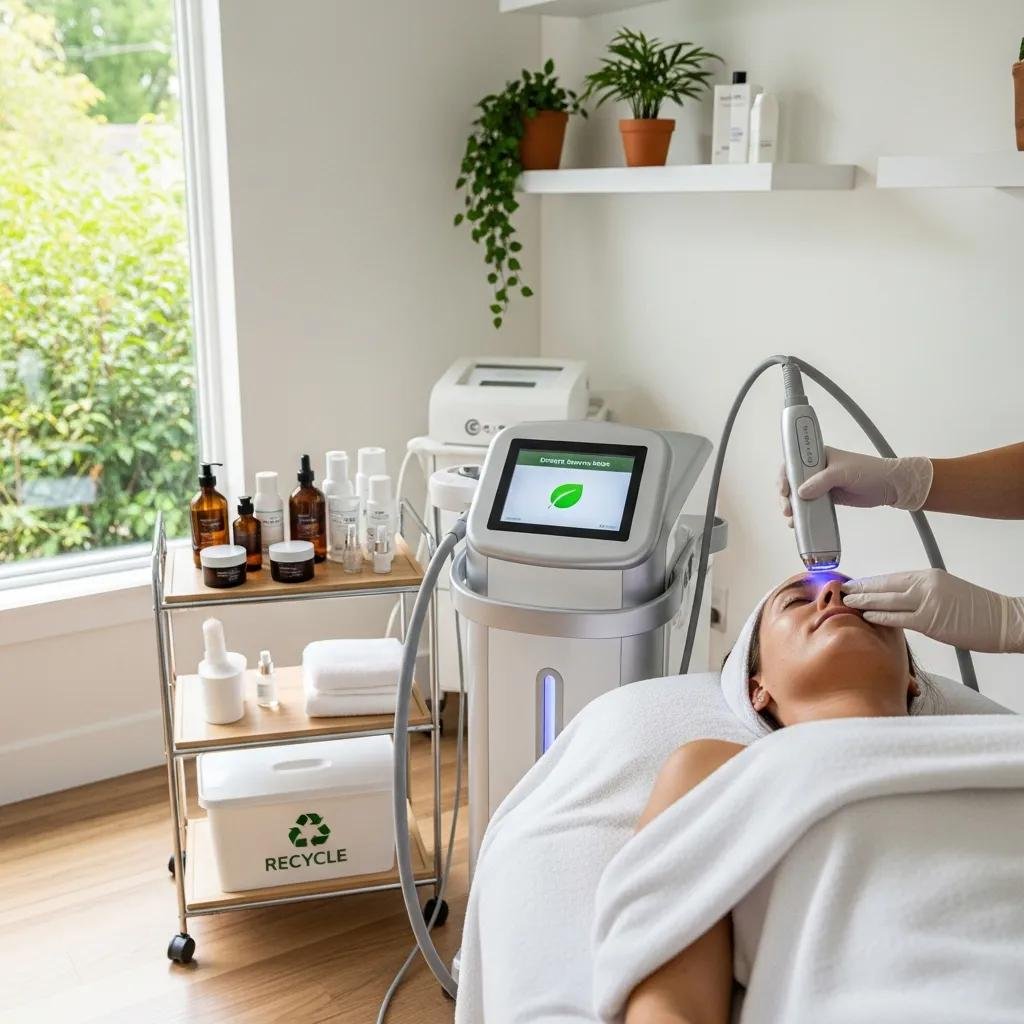
Energy-efficient technologies in aesthetics include modern lasers engineered for higher coupling efficiency, LED phototherapy as a lower-energy alternative for certain indications, and devices with standby power management features. Operational measures—such as batching similar treatments, optimizing room scheduling, and selecting multi-functional machines—also lower per-treatment energy use. For clients, this means effective clinical outcomes with a smaller carbon footprint per session and the potential for lower pricing volatility tied to operational savings. Ask providers about device age, energy ratings, and scheduling practices to evaluate real efficiency gains.
These device choices connect directly to how clinics implement sustainable product and procurement policies.
How Does Shore MedSpa Implement Sustainable Beauty Practices?
Shore MedSpa can align clinical offerings with sustainable beauty principles by pairing existing service categories with greener product choices and operational protocols. Under Dr. Ronald Shore’s leadership, services such as VI peels, RF microneedling, and laser skin rejuvenation (IPL, Er:YAG) present opportunities to reduce waste through careful consumable selection and to use energy-efficient treatment planning. Rather than claiming formal programs, the practical path for Shore MedSpa is to adopt ethical sourcing guidelines, prioritize refillable and biodegradable disposables, and communicate these choices to eco-conscious clients.
Practical sustainability initiatives Shore MedSpa can emphasize:
- Ethical product procurement: prefer cruelty-free, plant-forward brands with transparent sourcing.
- Waste-reduction protocols: switch to compostable disposables and centralized refill stations.
- Operational energy practices: schedule devices to minimize warm-up cycles and consolidate appointments.
Shore MedSpa services matched with sustainability measures and client/environmental benefits.
| Service / Equipment | Suggested Sustainability Measure | Client & Environmental Benefit |
|---|---|---|
| Chemical peels (VI Peels) | Choose biodegradable formulations and minimal single-use packaging | Fewer harmful residues; less packaging waste |
| Laser skin rejuvenation | Use modern, energy-efficient laser platforms and optimize scheduling | Lower energy consumption per session |
| RF microneedling | Adopt reusable tip systems where safe or compostable applicators | Reduced disposable waste; maintained clinical efficacy |
This table provides a practical checklist Shore MedSpa can use to align treatments with greener operations and improved client transparency.
What Ethical Sourcing and Green Product Selection Principles Guide Our Spa?

Ethical sourcing principles emphasize ingredient transparency, cruelty-free practices, and local or traceable supply chains that reduce transportation emissions. For a med spa context, priority criteria include listing active concentrations, avoiding persistent microplastics, and choosing suppliers that support third-party audits. Clients should ask whether products are plant-forward, tested for safety, and offered in refillable or concentrated formats. These principles help balance clinical safety and sustainability while maintaining efficacy.
Which Waste Reduction and Zero Waste Spa Products Are Adopted?
Waste-reduction approaches include switching to biodegradable disposables, offering refill stations for cleansers and moisturizers, and selecting solid-format products (e.g., cleansing bars) to minimize packaging. Operationally, recycling programs, supplier take-back agreements, and inventory practices that reduce expired product waste are effective. Measuring success can be as simple as tracking weight of waste diverted monthly and noting reductions in single-use plastic orders. Communicating these options at booking and in-clinic helps clients choose greener service paths.
Different product choices and practices that reduce waste in-clinic.
| Product Category | Sustainable Option | Practical Result |
|---|---|---|
| Disposables | Compostable or biodegradable materials | Reduced landfill contribution |
| Retail skincare | Refillable or bulk dispensers | Less plastic packaging over time |
| Consumables | Supplier take-back for unused product | Lower waste from expired inventory |
This table clarifies actionable swaps that reduce environmental impact without compromising care.
(Transition)
These operational measures and product choices set the stage for why clients should choose sustainable med spa experiences.
Why Choose a Sustainable Med Spa Experience for Your Skin and the Planet?
Choosing a sustainable med spa offers direct skin-health advantages and amplifies positive environmental outcomes through everyday choices. Eco-friendly protocols reduce exposure to harsh preservatives and persistent chemicals, encourage long-term skin compatibility, and align personal care with broader ethical values.
Below are immediate client-centered advantages.
- Lower chemical exposure: gentler formulas minimize irritation and allergic risk.
- Greater transparency: traceable ingredients provide confidence in safety and origin.
- Ethical alignment: supporting providers who prioritize environmental stewardship.
Clients also benefit indirectly as demand for sustainable options incentivizes manufacturers to improve packaging and ingredient sourcing.
This table summarizes client benefits alongside environmental impacts and practical takeaways.
| Client Benefit | Environmental Impact | Practical Takeaway |
|---|---|---|
| Reduced irritation | Less chemical runoff | Ask for biodegradable formulations |
| Ingredient transparency | Encourages supplier traceability | Request full ingredient lists |
| Ethical purchasing | Supports lower-impact brands | Choose refillable retail options |
This table helps consumers translate personal benefits into simple actions for greener choices.
How Do Eco-Conscious Clients Benefit from Green Aesthetics Solutions?
Eco-conscious clients benefit through safer ingredient profiles, clearer product provenance, and psychological satisfaction from aligning purchases with values. Gentler, plant-forward regimens often support barrier repair and long-term skin resilience, reducing repeat interventions. Knowing a provider prioritizes sustainability also fosters trust and supports community-level reductions in waste. When selecting treatments, clients should look for transparent labeling, ask about packaging options, and prefer providers who discuss environmental trade-offs openly.
These client-focused benefits directly relate to measurable environmental outcomes discussed next.
What Is the Environmental Impact of Choosing Sustainable Med Spa Services?
The environmental impact includes tangible reductions in packaging waste, lower energy use per treatment, and the potential for decreased water contamination from persistent chemicals. Industry metrics that clinics can track include percent waste diverted from landfill, reductions in single-use plastic orders, and energy consumption per treatment hour. As consumer demand shifts, supply chains respond with cleaner formulations and more sustainable packaging, creating a ripple effect beyond a single clinic.
Tracking a few simple metrics helps providers and clients quantify progress and sustain momentum for greener practices.
How Is Shore MedSpa Committed to Ongoing Environmental Responsibility?
Shore MedSpa’s clinical range and leadership present a practical foundation for incremental sustainability actions framed as recommendations rather than claimed certifications. Under Dr. Ronald Shore, the clinic can prioritize supplier transparency, adopt operational conservation measures, and establish measurable targets for waste diversion and energy reduction. Presenting these as goals and reporting progress to clients builds credibility while avoiding unverified claims.
Practical measures Shore MedSpa can implement and monitor:
- Energy: transition to LED lighting, optimize device scheduling, and evaluate newer energy-efficient equipment.
- Water: install low-flow fixtures where safe, and standardize shorter rinse cycles in appropriate protocols.
- Waste targets: aim for a measurable percent reduction in single-use plastics annually.
Service-level conservation measures and suggested goals.
| Measure | Recommended Goal | Timeline |
|---|---|---|
| Waste diversion | Reduce single-use plastic by 30% | 12 months |
| Supplier transparency | Require ingredient sourcing statements | 6–12 months |
| Energy use | Audit and reduce per-treatment energy 15% | 12 months |
These example goals provide a realistic starting point for Shore MedSpa to report progress and deepen environmental commitment.
What Energy and Water Conservation Measures Are in Place?
If not already documented publicly, Shore MedSpa should adopt a checklist of best practices: LED lighting, energy-efficient device procurement, appointment batching to reduce warm-up cycles, and low-flow fixtures for sinks. Monitoring energy use with simple meters and tracking water usage monthly creates baseline data to measure improvements. Communicating incremental changes to clients reinforces trust and encourages sustainable behavior outside the clinic.
Adopting monitoring practices leads naturally into setting measurable future goals described next.
What Are Our Future Goals for Sustainable Med Spa Practices?
Future goals should be SMART: specific, measurable, achievable, relevant, and time-bound. Examples include conducting an energy audit within six months, achieving 30% waste diversion in twelve months, and publishing an annual sustainability update to clients. Pursuing partnerships with traceable, cruelty-free brands and exploring supplier take-back schemes are practical next steps. Framing these as targets under Dr. Ronald Shore’s clinical leadership invites client participation and holds the clinic accountable without asserting unverified certifications.