
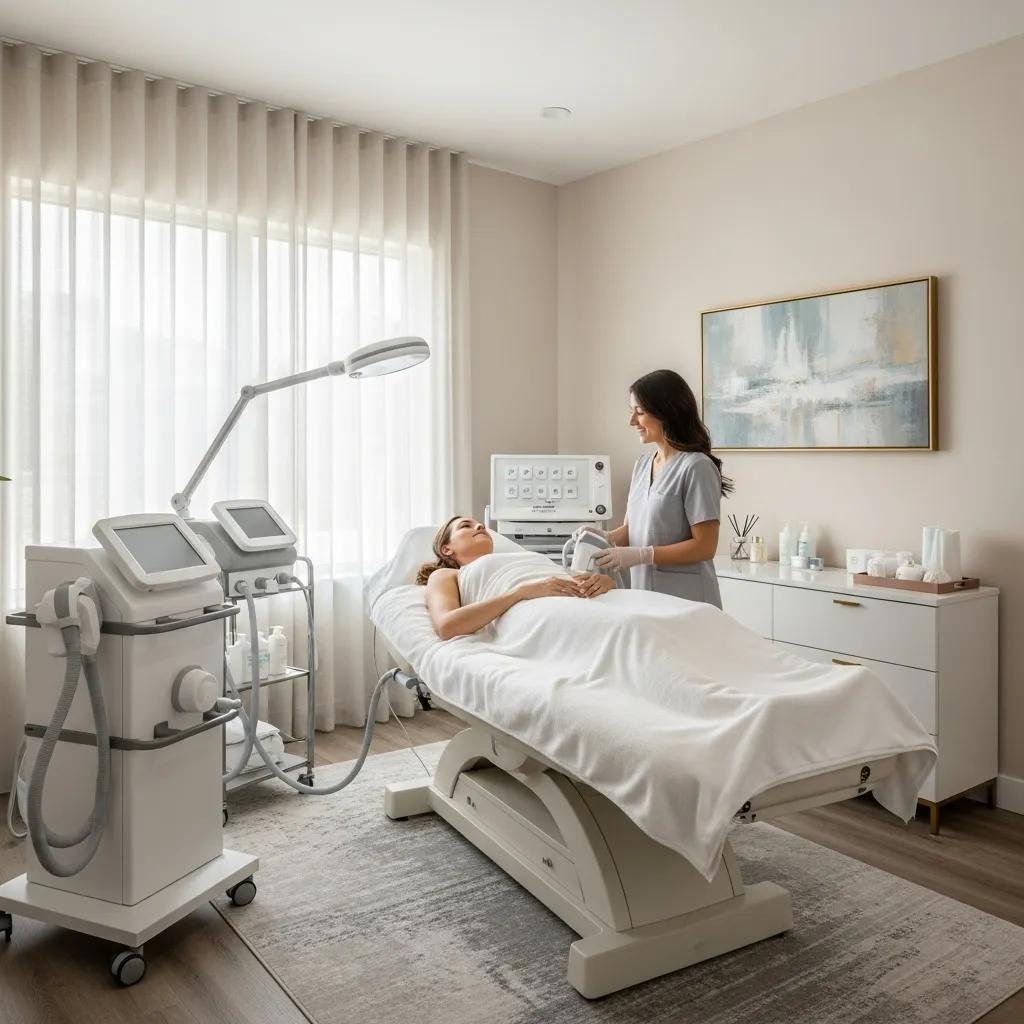
SculpSure vs. CoolSculpting: Which Fat Removal is Best for Non-Invasive Body Contouring?
Finding the right non-invasive fat removal method requires understanding how different technologies work, how results emerge over time, and which body areas respond best. This article compares SculpSure and CoolSculpting by defining each treatment, explaining the core mechanism (laser hyperthermia versus cryolipolysis), and outlining practical differences in session length, comfort, and outcomes. Readers will learn what to expect during treatment, typical timelines for visible reduction, and how to weigh factors like skin tightening, target area, and downtime when choosing a solution. The guide covers SculpSure’s laser-based approach and its roughly 25-minute sessions, CoolSculpting’s fat-freezing process with longer applicator times, and a practical decision checklist to match technology to goals. By the end you’ll have a clear framework to discuss options with a clinician and understand why a board-certified dermatologist can tailor a safe, evidence-based plan.
What is SculpSure and How Does Laser Fat Reduction Work?
SculpSure is a non-surgical, laser lipolysis treatment that uses controlled hyperthermic laser energy to heat and disrupt subcutaneous fat cells, producing gradual reduction in treated areas. The mechanism selectively raises adipocyte temperature, causing cellular damage that triggers a natural clearance process over weeks, and the procedure typically lasts about 25 minutes per treatment area. Key benefits include short sessions, minimal to no downtime, and potential collagen stimulation that may improve skin appearance after fat removal. Understanding this laser-to-cell relationship helps patients assess expectations for visible contour changes and how SculpSure compares to alternative technologies.
SculpSure offers targeted, time-efficient sessions for body sculpting, and Shore MedSpa & Bio Aesthetics in Rockville, MD offers SculpSure fat removal as part of its non-invasive body contouring services. Knowing where SculpSure fits in the treatment spectrum leads naturally to a technical look at how the laser energy actually destroys fat cells.
How Does SculpSure Use Laser Energy to Destroy Fat Cells?
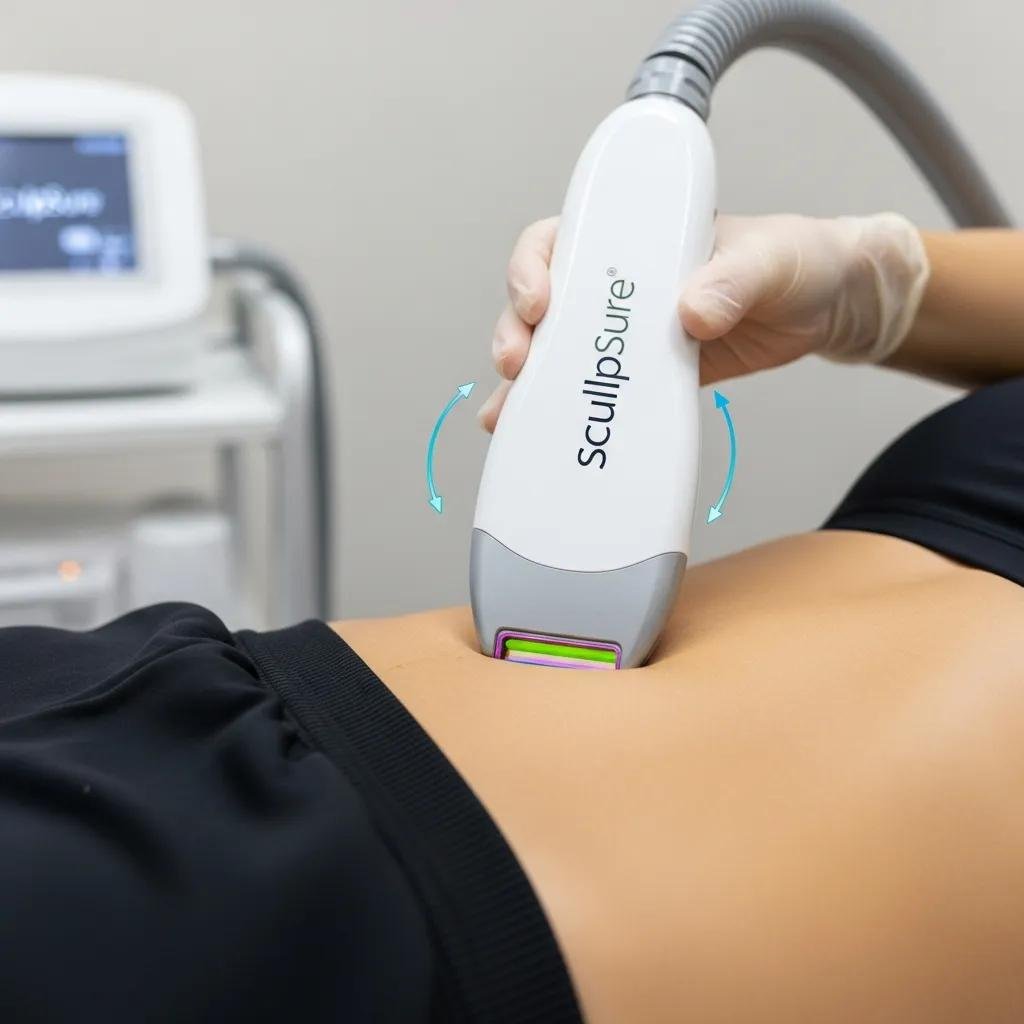
SculpSure uses diode laser energy to selectively heat subcutaneous fat while sparing the skin surface through managed energy delivery and contact cooling, producing thermal injury to adipocytes. This thermal injury initiates programmed cell death and an inflammatory clearing response; lymphatic and macrophage activity gradually remove cellular debris, with typical visible reduction emerging over 6–12 weeks after treatment. Clinical summaries report an average fat reduction in treated areas around the mid-20 percent range per session, though individual results vary based on tissue thickness and treatment coverage. Patients commonly describe sensations of warmth and brief tingling during sessions, and most resume normal activities immediately afterward, which emphasizes convenience for many candidates.
What is CoolSculpting and How Does Fat Freezing Technology Work?
CoolSculpting, also called cryolipolysis, is a non-invasive fat reduction method that applies controlled cooling to targeted subcutaneous fat, causing crystallization and subsequent cell death in vulnerable adipocytes. The mechanism relies on the differential susceptibility of fat cells to cold; cooling induces damage to fat tissue structure and triggers a slow resorption process that reduces volume over several weeks to months. Typical sessions depend on applicator size and location, often ranging from about 35 to 75 minutes per applicator, and treatments are FDA-cleared for multiple body areas with a robust track record and long-term patient satisfaction data. Understanding cryolipolysis fundamentals clarifies why CoolSculpting is favored for certain pinchable pockets and how recovery sensations differ from heat-based approaches.
Patients considering CoolSculpting should note that the procedure commonly produces sensations of intense cold and pressure during application followed by temporary numbness, and that results typically appear within 6–12 weeks. This timeline and experience contrast with laser-based approaches and inform whether freezing or heating better matches a patient’s comfort and scheduling needs.
How Does CoolSculpting Use Cryolipolysis to Target Fat?
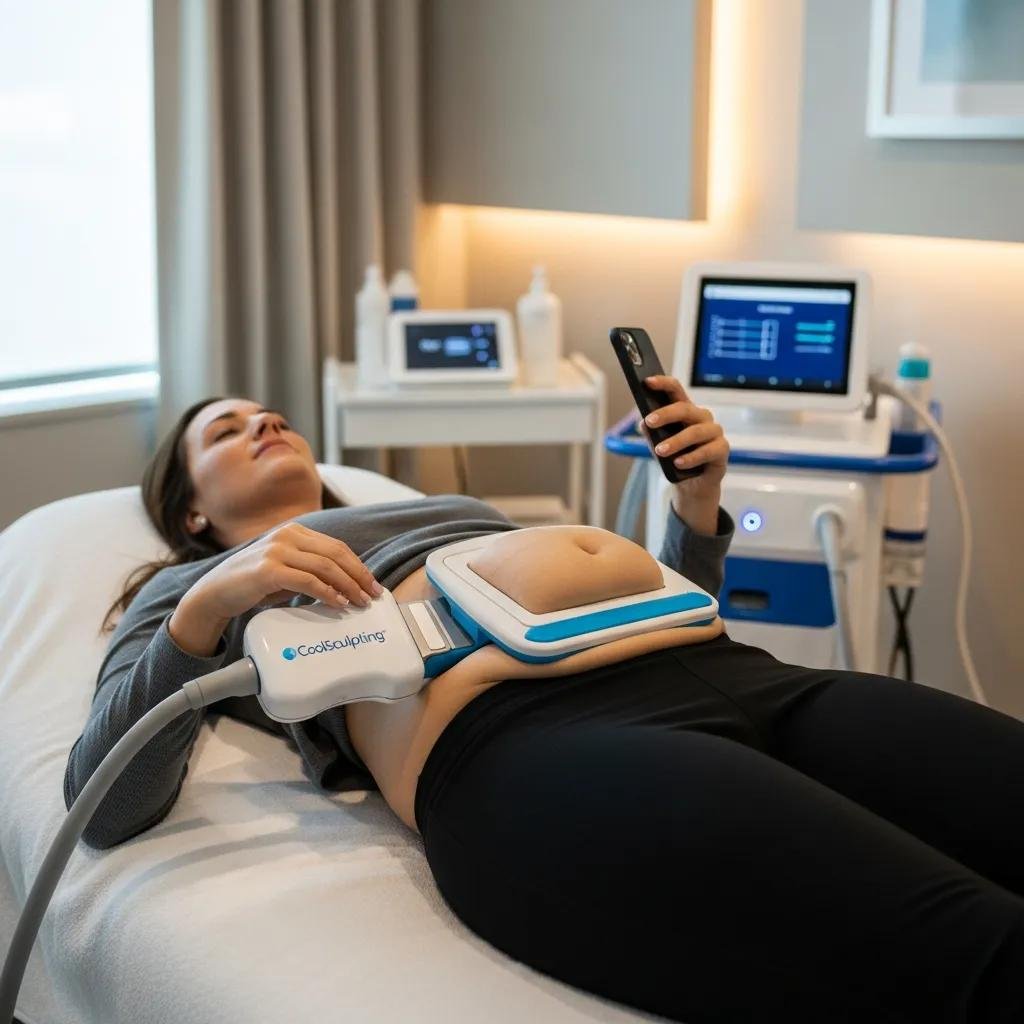
CoolSculpting uses suction-based applicators to draw targeted tissue into a cooled chamber where temperatures are held at levels that harm adipocytes more than surrounding tissues, leading to gradual cell death and clearance. The process results in a measurable reduction—commonly reported in the 20–25 percent range per treated area—with clinical studies and large-scale usage supporting both safety and consistent patient satisfaction. Typical sessions are longer per applicator than many laser treatments, and patients often experience an initial cold, pulling, or tugging sensation followed by temporary numbness and possible transient soreness. These comfort and timing differences make cryolipolysis particularly suitable for discrete, pinchable fat pockets where applicator fit and sustained cooling produce predictable outcomes.
What Are the Key Differences Between SculpSure and CoolSculpting?
SculpSure and CoolSculpting differ across several clinical attributes: one uses laser heat to damage adipocytes while the other uses controlled cooling to crystallize fat, treatment times per applicator vary, comfort profiles contrast, and skin-tightening effects may differ due to heat-induced collagen stimulation versus the passive cooling of cryolipolysis. Choosing between heat-based laser lipolysis and fat-freezing technology requires matching device strengths to tissue characteristics, patient comfort, and aesthetic goals. The table below summarizes core distinctions to make side-by-side comparison easier for clinicians and patients deciding between modalities.
| Technology | Mechanism | Typical Session Time | Expected Fat Reduction |
|---|---|---|---|
| SculpSure laser lipolysis | Hyperthermic laser energy damages adipocytes | ~25 minutes per area | Approx. mid-20% reduction per session |
| CoolSculpting cryolipolysis | Controlled cooling crystallizes fat cells | ~35–75 minutes per applicator | Approx. 20–25% reduction per session |
| Practical note | Heat vs. cold influences skin response and comfort | Shorter vs. longer applicator times | Results develop over 6–12 weeks |
This concise comparison highlights trade-offs between treatment speed, mechanism, and typical per-session reduction. The next subsections examine comfort and area-specific suitability that further influence the decision.
How Do Treatment Duration and Comfort Levels Compare?
Treatment duration and comfort are practical differentiators: SculpSure’s laser sessions are shorter and often felt as localized warmth and periodic tingling, whereas CoolSculpting sessions run longer and involve sustained cold, suction, and pressure sensations. Shorter SculpSure sessions suit patients seeking efficient appointments, while CoolSculpting’s applicator fit and longer contact time can be preferable for some pinchable areas despite longer per-visit duration. Post-treatment sensations differ too—SculpSure patients commonly report transient warmth or mild soreness, and CoolSculpting patients may experience numbness, tingling, or temporary firmness as tissues recover. Understanding these experiential differences helps align comfort tolerance with the chosen modality.
Which Body Areas Are Best Treated by Each Method?
Applicator design and mechanism influence which areas respond best: SculpSure’s flat applicators and heating approach can treat larger, moderately thick areas such as the abdomen, flanks, and anterior thighs effectively, while CoolSculpting’s suction applicators excel at defined, pinchable pockets like love handles, submental fat, and bra-line fat. Treatment choice also accounts for skin laxity—heat-based options may provide modest collagen stimulation that benefits mild laxity, whereas cryolipolysis does not actively tighten skin and may be paired with adjunct treatments if tightening is a goal. Mapping target areas to applicator form and tissue characteristics ensures more predictable contouring outcomes and informs combined-treatment planning.
How to Choose the Best Fat Removal Treatment for Your Body and Goals?
Choosing between SculpSure and CoolSculpting depends on several patient-specific factors including fat distribution, skin quality, treatment timeline, comfort preference, and recovery needs. A practical checklist helps structure the decision: assess whether the fat is pinchable or diffuse, determine if modest skin tightening is desired, consider how many treatment areas and visits are feasible, and weigh subjective comfort tolerance for heat versus cold. Using this checklist produces a clearer pathway to an individualized plan and points to when a clinical consultation is necessary to finalize technology choice. Below is a decision matrix that links patient profiles to recommended treatment rationale.
| Patient Profile | Best-fit Treatment Factors | Recommendation & Rationale |
|---|---|---|
| Diffuse, broad subcutaneous fat | Prefer shorter sessions, modest tightening | SculpSure recommended for broader coverage and potential collagen stimulation |
| Pinchable, localized pockets | Applicator suction and focal cooling preferred | CoolSculpting recommended for precise pocket reduction |
| Limited downtime, quick appointments | Short treatment windows valued | SculpSure favored for ~25-minute treatments |
| Sensitivity to cold or wanting different comfort | Avoid prolonged cold exposure | SculpSure favored if cold intolerance is a concern |
What Factors Should Influence Your Choice Between SculpSure and CoolSculpting?
Key factors include the amount and type of fat (diffuse versus pinchable), skin laxity and whether skin tightening is desirable, treatment timeline expectations and tolerance for multiple sessions, and individual comfort with heat or cold sensations. Additional considerations are the number of areas to treat in a single visit and how quickly you want to return to normal activities; both technologies offer minimal downtime but differ in session logistics. Using these factors as a checklist clarifies whether laser lipolysis or cryolipolysis better aligns with personal anatomy and aesthetic goals, and naturally leads to scheduling a professional consultation to plan specifics.
- Consider fat distribution: diffuse areas often respond better to laser-based heating.
- Evaluate skin laxity: heat-based treatments may provide modest tightening benefits.
- Plan logistics: shorter sessions support busy schedules; longer applicator times may require more planning.
Why Consult a Board-Certified Dermatologist Like Dr. Ronald Shore?
A board-certified dermatologist provides medical oversight, precise assessment of tissue characteristics, and a customized treatment plan that aligns technology choice with safety and desired outcomes. Dr. Ronald Shore leads Shore MedSpa & Bio Aesthetics, a medical spa in Rockville, MD that offers SculpSure fat removal as part of its non-invasive body contouring services, ensuring treatments are performed under physician-guided care. Clinical judgment matters for applicator selection, session frequency, and managing expectations about percent reduction and timeline, and a dermatology-led consultation can evaluate skin laxity, previous procedures, and any medical considerations that affect candidacy. Scheduling a consult with a qualified specialist is the recommended next step when deciding between SculpSure and CoolSculpting.
- Board-certified oversight ensures clinical assessment and individualized planning.
- Dermatology expertise helps integrate adjunctive treatments when needed.
- A physician-directed consultation clarifies realistic outcomes and safety considerations.