
Effective Rosacea Management: Calming Redness & Sensitivity with Expert Treatments
Rosacea is a chronic inflammatory skin condition characterized by persistent facial redness, visible blood vessels, and occasional bumps, and current research shows a combination of clinical care and targeted home routines can substantially calm symptoms. This article explains practical rosacea management strategies for sensitive skin rosacea, covering what rosacea is, common triggers and symptoms, advanced in-clinic therapies such as IPL for rosacea and Er:YAG laser resurfacing, and evidence-based daily routines to reduce redness. Readers will learn how light- and laser-based treatments work to close dilated vessels, which skincare ingredients support the skin barrier, and how lifestyle adjustments minimize flare-ups. Practical lists and comparison tables help you weigh procedural options, topical choices, and expected treatment courses. Finally, the piece outlines how to access personalized rosacea treatment at Shore MedSpa & Bio Aesthetics in Rockville, MD with board-certified dermatologist Dr. Ronald Shore. With this roadmap, you can make informed decisions about calming redness and managing sensitivity while planning safe, staged care.
What Is Rosacea and How Does It Affect Sensitive Skin?
Rosacea is a chronic skin condition driven by vascular reactivity, immune dysregulation, and barrier dysfunction that creates persistent facial erythema and heightened sensitivity. The mechanism includes dilated superficial blood vessels and an exaggerated inflammatory response to triggers, which together cause flushing, stinging, and visible telangiectasia; calming these vascular and inflammatory pathways reduces redness and improves comfort. Managing rosacea centers on reducing triggers, strengthening the skin barrier, and selectively treating visible vessels and inflammatory lesions. Understanding subtypes and symptoms helps tailor therapy to whether the primary problem is diffuse redness, bumps, ocular signs, or thickened skin. The next section details the common symptom patterns and classification that guide targeted care.
What Are the Common Symptoms and Types of Rosacea?
Rosacea presents in distinct clinical patterns that guide treatment choices and expected outcomes. Erythematotelangiectatic rosacea (ETR) features persistent central facial redness and flushing with visible small vessels, while papulopustular rosacea includes inflammatory bumps and persistent background erythema. Ocular rosacea affects the eyes with dryness, irritation, or blepharitis-like symptoms that often require concurrent ophthalmologic attention. Phymatous changes, including thickening of skin and irregular contours, occur in more advanced cases and may benefit from resurfacing procedures. Recognizing the dominant subtype helps prioritize approaches—vascular-targeting treatments for ETR, anti-inflammatory topicals or systemic agents for papulopustular disease, and procedural resurfacing when texture and thickness are present.
Which Factors Trigger Rosacea Flare-Ups and Redness?
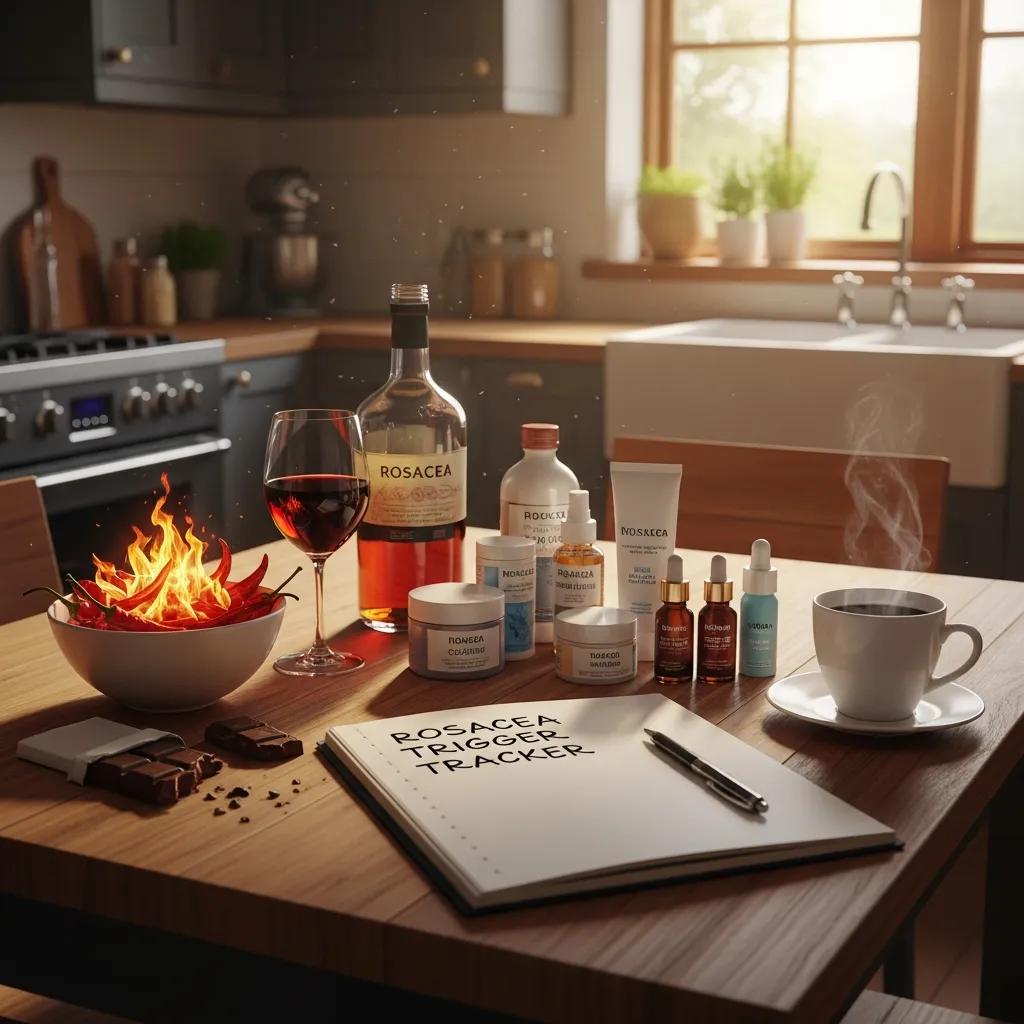
Common rosacea triggers provoke vascular dilation or inflammatory responses and identifying personal triggers is essential to reduce flare frequency. Environmental triggers include sun exposure, heat, and cold, while dietary triggers commonly involve alcohol and spicy foods; emotional stress and vigorous exercise can also provoke flushing. Topical irritants such as fragranced skincare, alcohol-based toners, or harsh exfoliants worsen sensitivity, and organisms like Demodex mites may contribute to inflammation in some patients. Keep a trigger diary to detect patterns and prioritize avoidance strategies that pair with medical and procedural therapy to lower overall disease activity.
- Common rosacea triggers and one-line mitigation tips: Sun exposure: Use broad-spectrum physical sunscreen and shade to reduce UV-induced flushing.Heat and hot beverages: Favor cool or lukewarm temperatures to avoid vasodilation.Spicy foods and alcohol: Limit or substitute, and observe symptom changes in a diary.Skincare irritants: Switch to fragrance-free, non-alcoholic products and patch-test new items.
Tracking triggers supports clinical decisions about when to pursue in-office treatments versus intensified home care, which we address next.
How Do Advanced Laser and IPL Therapies Calm Rosacea Redness?
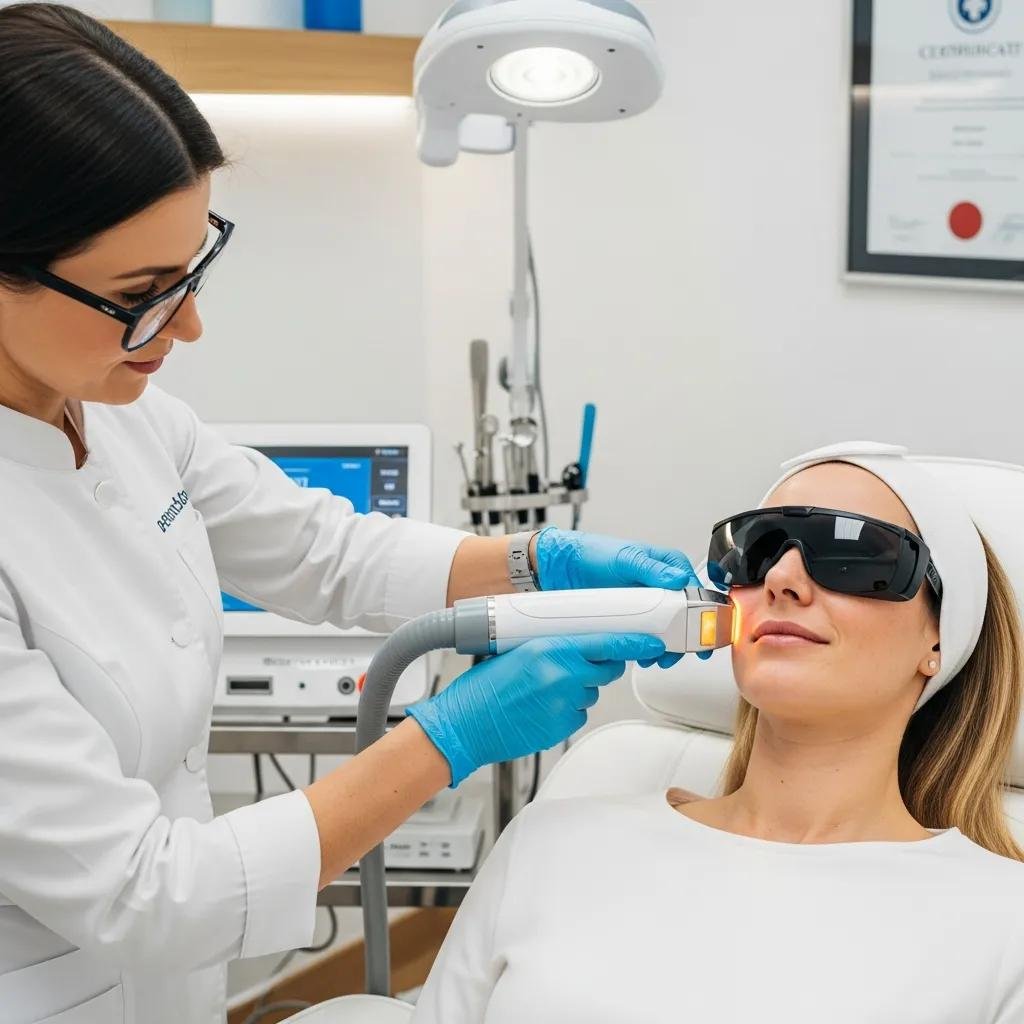
Light- and laser-based therapies calm redness by delivering selective photothermal energy that is absorbed by hemoglobin in dilated superficial blood vessels, causing vessel collapse and gradual clearance of persistent erythema. The mechanism reduces visible telangiectasia and diffuse flushing by targeting vascular channels while sparing surrounding tissue, leading to progressive improvement across multiple sessions; providers set expectations for staged improvement and possible maintenance treatments. These modalities are most effective for ETR and telangiectatic components, while inflammatory papules may need adjunctive topical or systemic therapies. Understanding the strengths, session counts, downtime, and likely outcomes helps patients choose between non-ablative vascular options and more aggressive resurfacing when texture or tissue thickening is present.
Different procedural options for redness control compare on mechanism, target symptoms, sessions required, and downtime.
| Treatment Type | Mechanism | Typical Target Symptoms | Sessions / Downtime |
|---|---|---|---|
| IPL Photofacial | Broad-spectrum light absorbed by hemoglobin | Diffuse redness, visible capillaries | Multiple sessions (often 3–5); minimal downtime |
| Er:YAG Laser Resurfacing | Ablative laser removes superficial skin layers and stimulates collagen | Texture irregularity, skin thickening, severe long-term erythema | Fewer, deeper sessions; moderate downtime for healing |
| Topical Vascular Agents | Vasoconstrictive or anti-inflammatory action | Temporary reduction of redness and flushing | Daily use; no procedural downtime |
This table clarifies trade-offs so patients and clinicians can plan staged care that balances efficacy and recovery. The next subsections detail IPL and Er:YAG specifics to help match treatment choice to clinical goals.
What Benefits Does IPL Photofacial Offer for Rosacea?
IPL for rosacea is a non-ablative, vessel-targeting option that improves diffuse facial redness and broken capillaries with relatively low recovery time. Sessions typically involve short pulses of broadband light absorbed by hemoglobin, producing gradual vessel closure and reduced erythema over several treatments; many patients notice cumulative improvement after three to five sessions. IPL is well-suited for ETR and generalized flushing because it treats larger skin areas and pigment irregularities alongside vascular lesions, and post-procedure care centers on sun protection and barrier support to optimize results. Safety considerations include skin phototype assessment and avoidance in certain inflammatory or infectious conditions, and discussing expectations with a clinician ensures appropriate candidacy.
How Does Er:YAG Laser Resurfacing Improve Rosacea Symptoms?
Er:YAG laser resurfacing is an ablative, precision option that removes superficial skin layers while stimulating dermal remodeling to improve texture, reduce persistent erythema associated with thickened skin, and smooth irregular contours. The mechanism combines controlled ablation with collagen induction, which can address phymatous changes and long-standing redness that resist vascular-only treatments; outcomes often include improved skin tone and reduced prominence of thickened areas. Recovery involves several days to about two weeks of visible healing and requires structured aftercare to support re-epithelialization, so candidacy is chosen selectively for patients whose benefits outweigh downtime. For many, Er:YAG is reserved for targeted zones after vascular components are controlled, which leads naturally into how to access these therapies locally.
Shore MedSpa & Bio Aesthetics offers targeted procedural options aligned to these mechanisms, including IPL Photofacial and Er:YAG Laser Resurfacing, provided under the oversight of board-certified dermatologist Dr. Ronald Shore in Rockville, MD. After understanding clinical goals, patients can discuss a staged plan that pairs vascular treatments with skin-restorative procedures; see the clinic access section below for how consultations are arranged and what to expect during planning.
What Are the Best Skincare and Lifestyle Practices for Sensitive Rosacea Skin?
Effective rosacea skincare routines focus on barrier repair, gentle cleansing, targeted anti-inflammatory topicals, and consistent sun protection to reduce flares and support procedural outcomes. The reason these steps work is they reduce irritant exposure, re-establish protective lipids, and target skin inflammation with medically appropriate agents such as azelaic acid while avoiding triggers that provoke vascular reactivity. A daily regimen coupled with lifestyle adjustments provides a foundation that both minimizes symptoms and enhances the durability of in-clinic improvements. The next subsection offers a concise, actionable skincare routine and product selection guidance to use alongside professional recommendations.
Which Skincare Routines Help Manage Rosacea Sensitivity?
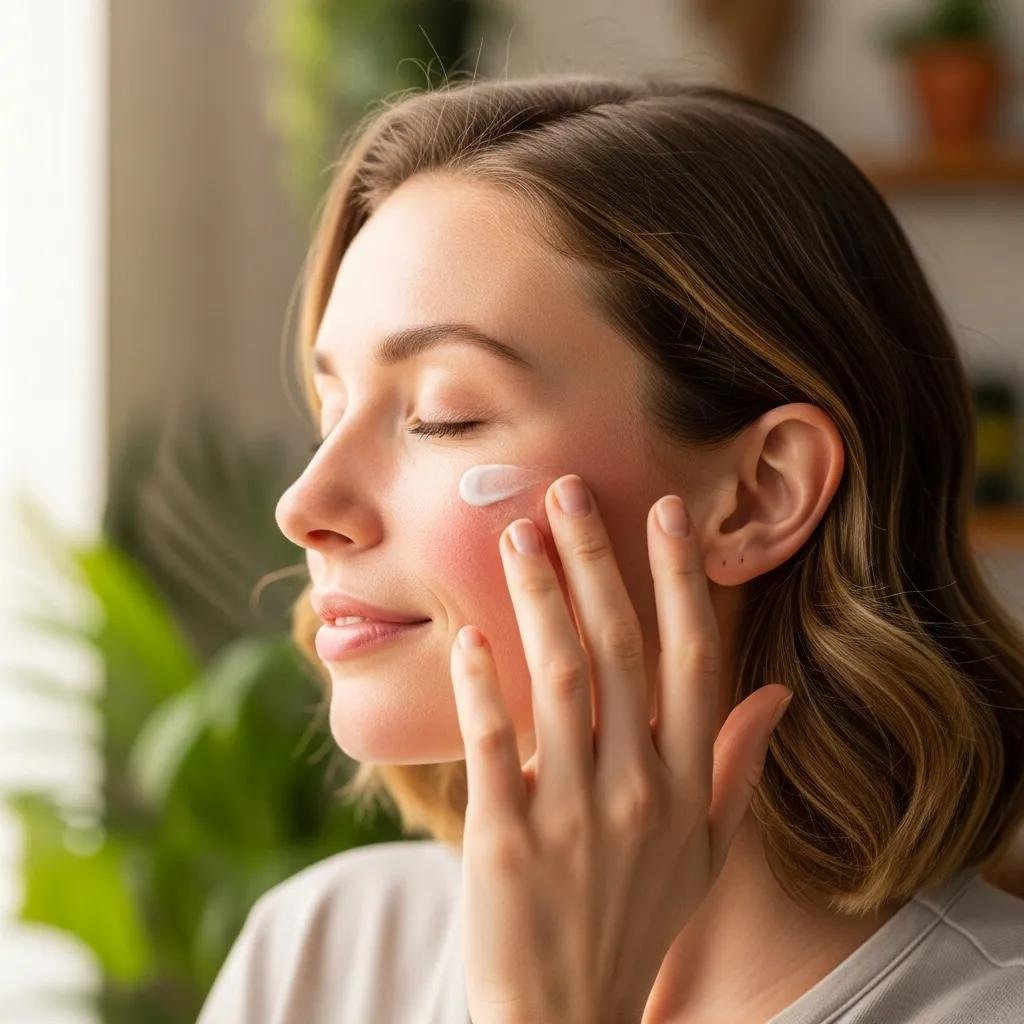
A simple, consistent routine reduces irritation while addressing inflammation and UV sensitivity, and should be tailored to sensitive skin characteristics. Use a fragrance-free, non-foaming gentle cleanser to avoid stripping oils and destabilizing the barrier; follow with a targeted topical such as azelaic acid for its anti-inflammatory and anti-erythemic effects when recommended by a clinician. Apply a barrier-supporting moisturizer containing ceramides or humectants and finish with a physical (mineral) broad-spectrum sunscreen daily to prevent UV-triggered flushing. Patch-test new products one at a time and introduce active ingredients slowly under professional guidance to monitor tolerance and effectiveness.
Different skincare ingredients offer distinct benefits for rosacea management; the following table compares common options and practical tips for use.
| Ingredient / Product | Primary Benefit | Suitability for Rosacea | Application Tip |
|---|---|---|---|
| Azelaic acid | Anti-inflammatory, reduces papules and erythema | High — often recommended | Apply once or twice daily after cleansing as tolerated |
| Gentle cleansers | Preserve barrier, reduce irritation | Essential — choose fragrance-free formulas | Use lukewarm water and pat dry, avoid scrubbing |
| Barrier moisturizers | Restore lipids and hydration | High — supports barrier recovery | Use twice daily; layer under sunscreen |
| Mineral sunscreen (zinc/titanium) | Physical UV protection without irritation | Preferred for sensitive skin | Apply every morning and reapply after sweating |
This comparison helps prioritize treatments that both treat rosacea and protect the sensitive skin environment. After establishing a daily routine, practical lifestyle steps further reduce flare frequency.
After outlining core routines, patients who need product selection or prescription-strength options can seek customized sensitive-skin plans and professional product recommendations from Shore MedSpa & Bio Aesthetics during a consult with Dr. Ronald Shore.
How Can Lifestyle Adjustments Reduce Rosacea Flare-Ups?
Lifestyle measures complement medical care by reducing exposure to common triggers and lowering baseline inflammatory tone, which in turn decreases redness and sensitivity. Keep a trigger diary to track foods, weather, activities, and skincare changes that correlate with flares; this evidence-based approach helps prioritize avoidance strategies tailored to the individual. Dietary adjustments, such as moderating alcohol and spicy foods if they provoke flushing, along with stress-management practices like paced breathing or mindfulness, reduce sympathetic-mediated vasodilation. Protective measures—sun avoidance during peak hours, cooling strategies during exercise, and choosing sunglasses for ocular protection—provide practical, daily defenses that enhance procedural and topical results.
- Practical lifestyle adjustments to reduce rosacea flares: Maintain a trigger diary: Record exposures and symptoms to identify personal patterns.Modify diet: Limit alcohol and spicy foods if they provoke flushing.Manage stress: Use relaxation techniques to lower autonomic triggers.Temperature control: Avoid hot showers and extreme environmental temperatures.
Implementing these steps increases the likelihood that clinical treatments will deliver sustained improvement, and the next section explains how to access personalized care locally.
How Can You Access Personalized Rosacea Care at Shore MedSpa?
Shore MedSpa & Bio Aesthetics provides individualized rosacea management plans combining medical dermatology principles with procedural options under board-certified dermatologist supervision. A consultation typically includes a clinical assessment to classify rosacea subtype, review of prior treatments and triggers, and creation of a staged plan that may blend topical therapies, IPL Photofacial, or Er:YAG Laser Resurfacing as appropriate. The practice emphasizes advanced technology and customized plans to address both vascular and textural issues while minimizing unnecessary downtime. For patients in Montgomery County and Rockville, MD, the clinic offers coordinated care designed to move conservatively from medical to procedural steps as tolerance and goals dictate.
What Makes Dr. Ronald Shore’s Approach to Rosacea Unique?
Dr. Ronald Shore leads Shore MedSpa & Bio Aesthetics with a board-certified dermatologist perspective that emphasizes tailored, evidence-informed treatment sequences for rosacea. His approach integrates medical therapies and selective in-office procedures—like IPL and Er:YAG resurfacing—so that vascular control, barrier restoration, and texture correction are coordinated rather than attempted in isolation. This clinician-led model reduces overtreatment risk and focuses on measurable endpoints such as redness reduction and symptom relief while preserving skin health. Patients benefit from individualized escalation plans that prioritize conservative measures first and reserve resurfacing or more aggressive interventions for clearly indicated cases.
How to Schedule a Consultation for Rosacea Treatment in Rockville, MD?
Scheduling a consultation begins with requesting an appointment to review your skin history, current regimen, and treatment goals so a personalized plan can be developed. Bring photographs of flare episodes, a list of current skincare products and medications, and any prior treatment records to the appointment to streamline assessment and planning. During the visit, expect subtype classification, discussion of procedural versus topical options, and a recommended timeline for treatments and follow-up. For residents of Rockville and Montgomery County seeking rosacea treatment Rockville MD, Shore MedSpa & Bio Aesthetics provides next-step guidance to safely reduce redness and restore skin comfort under board-certified dermatologist rosacea oversight.