
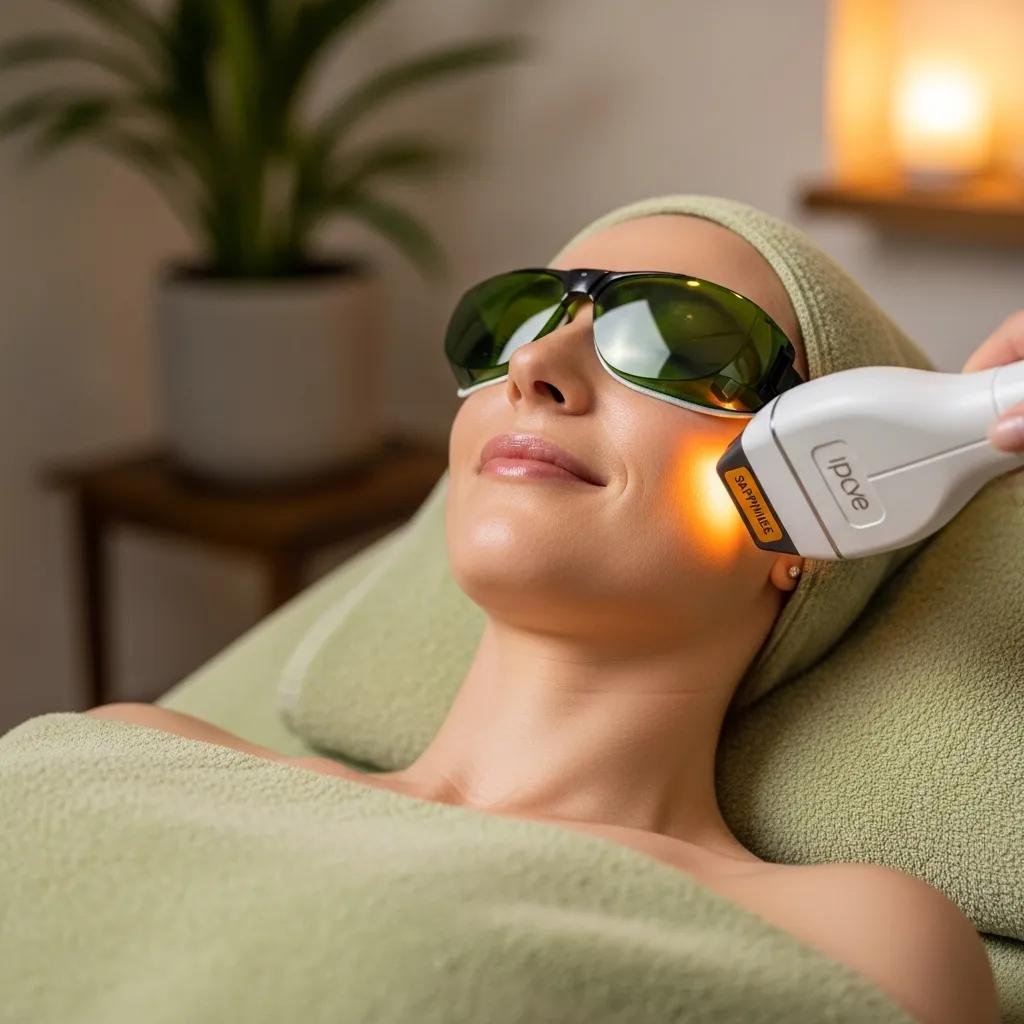
IPL Photofacial Benefits: How Intense Pulsed Light Enhances Skin Tone and Texture
Intense Pulsed Light (IPL) photofacial is a non-ablative light therapy that evens skin tone and improves texture by targeting pigment and vascular irregularities while stimulating dermal remodeling. The device emits broad-spectrum light absorbed selectively by melanin and hemoglobin, producing a photothermal effect that breaks down spots and calms redness while also triggering collagen production. Readers will learn how IPL corrects hyperpigmentation, reduces facial redness including rosacea-related flushing, and promotes smoother skin with fewer fine lines and smaller-appearing pores. For local patients seeking physician-led care, Shore MedSpa & Bio Aesthetics in Rockville provides IPL treatments overseen by board-certified dermatologist Dr. Ronald Shore. This article explains IPL mechanisms, the texture benefits from collagen stimulation, the treatment timeline and recovery, and candidacy and safety considerations for vascular and pigmentary conditions.
What Is IPL Photofacial and How Does It Improve Skin Tone?
IPL photofacial is a form of photorejuvenation that uses intense pulsed light to selectively heat skin chromophores and correct uneven pigmentation. The device delivers pulses absorbed primarily by melanin in brown spots and by hemoglobin in vascular lesions, initiating fragmentation of pigment and vessel coagulation. That selective photothermolysis reduces visible sun spots, age spots, freckles, and diffuse redness while preserving the epidermis. Understanding how IPL targets chromophores clarifies which lesions respond best and what results to expect after treatment.
Different chromophores absorb light and produce distinct clinical outcomes; the table below maps the primary targets and typical results. This simple reference shows why IPL is effective for combined pigmentary and vascular concerns and helps set realistic expectations.
| Chromophore | Target Lesion | Clinical Result |
|---|---|---|
| Melanin | Sun spots, age spots, freckles | Lightening and gradual clearance of brown pigment |
| Hemoglobin | Broken capillaries, diffuse redness, telangiectasias | Reduction in redness and visible vessels |
| Mixed pigment/vascular | Lentigo with adjacent telangiectasia | Improved overall tone with fewer spots and less redness |
This chromophore mapping explains why clinicians select specific filters and settings for individualized IPL protocols. The next section examines the photothermal process that clears pigment and calms vascular lesions.
How Does Intense Pulsed Light Target Hyperpigmentation and Redness?
IPL targets hyperpigmentation and redness through selective photothermolysis, where light energy is absorbed and converted to heat in pigmented cells or blood vessels. In pigmented lesions, heat causes melanosomes to fragment and accelerate clearance by skin turnover and immune-mediated phagocytosis. For vascular lesions, hemoglobin absorption leads to vessel coagulation and progressive resorption, reducing visible redness.
Clinically, patients often see darkening of spots within days, followed by flaking and fading over one to three weeks, which naturally introduces the role of chromophores in treatment planning.
What Role Do Melanin and Hemoglobin Play in IPL Treatments?
Melanin and hemoglobin act as the key chromophores that determine IPL’s effects and safety profile. Melanin absorbs a broad spectrum of light to allow fragmentation of brown lesions, making IPL especially useful for sun spots and freckles. Hemoglobin absorbs specific wavelengths that cause vessel collapse, benefitting broken capillaries and rosacea-related redness. Recognizing the dominant chromophore in a lesion guides wavelength selection and energy settings to maximize benefit while minimizing pigmentary side effects.
How Does IPL Photofacial Refine Skin Texture and Reduce Signs of Aging?
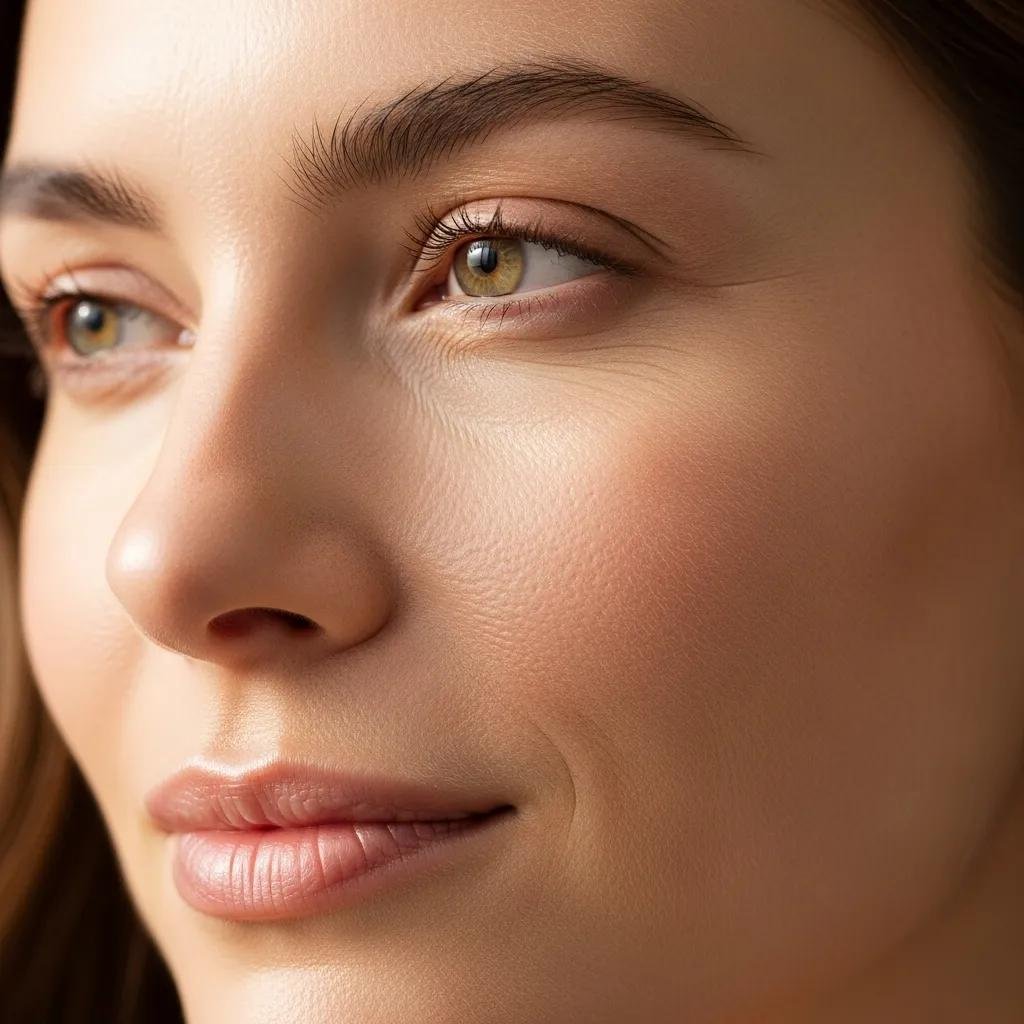
Beyond pigment and vascular benefits, IPL induces controlled thermal stimulation in the dermis that promotes collagen and elastin remodeling without ablating the surface. This microthermal stimulus activates fibroblasts, leading to gradual neocollagenesis and improved extracellular matrix organization. Over weeks to months, the result is smoother skin, firmer texture, and a reduction in fine lines and pore prominence.
The following table links the structural components stimulated by IPL to observable clinical improvements.
| Component | Stimulated via | Clinical Effect |
|---|---|---|
| Collagen | Thermal micro-injury from IPL | Firmer skin, reduced fine lines |
| Elastin | Dermal remodeling and fibroblast activation | Improved elasticity and bounce |
| Dermal matrix | Neocollagenesis and remodeling | Smoother texture and refined pores |
This mapping clarifies why multiple sessions are often recommended to accumulate remodeling effects. Next, we look at the cellular path by which IPL stimulates structural improvement.
How Does IPL Stimulate Collagen and Elastin for Smoother Skin?
IPL’s heat pulses penetrate to the papillary and upper reticular dermis, creating microthermal zones that signal repair processes. Fibroblasts respond by increasing collagen and elastin synthesis, improving dermal support and skin resilience over several weeks. Studies indicate measurable increases in dermal collagen density after serial treatments, which correlates with visible softening of fine lines and improved skin tone. Understanding this biological timeline helps set realistic expectations for progressive texture gains.
Can IPL Reduce Fine Lines, Wrinkles, and Pore Size Effectively?
IPL is effective at reducing superficial fine lines and improving pore appearance through dermal tightening and smoothing, but it is less effective for deep static wrinkles that require more aggressive resurfacing. For mild-to-moderate aging signs, IPL can produce noticeable softening of crepiness and diminished pore visibility when combined with good skincare. Patients with deeper rhytides may consider adjunctive modalities like fractional lasers or fillers alongside IPL for comprehensive rejuvenation. Choosing a tailored plan often yields the best balance between safety and outcome.
What Should You Expect During and After an IPL Photofacial Treatment?
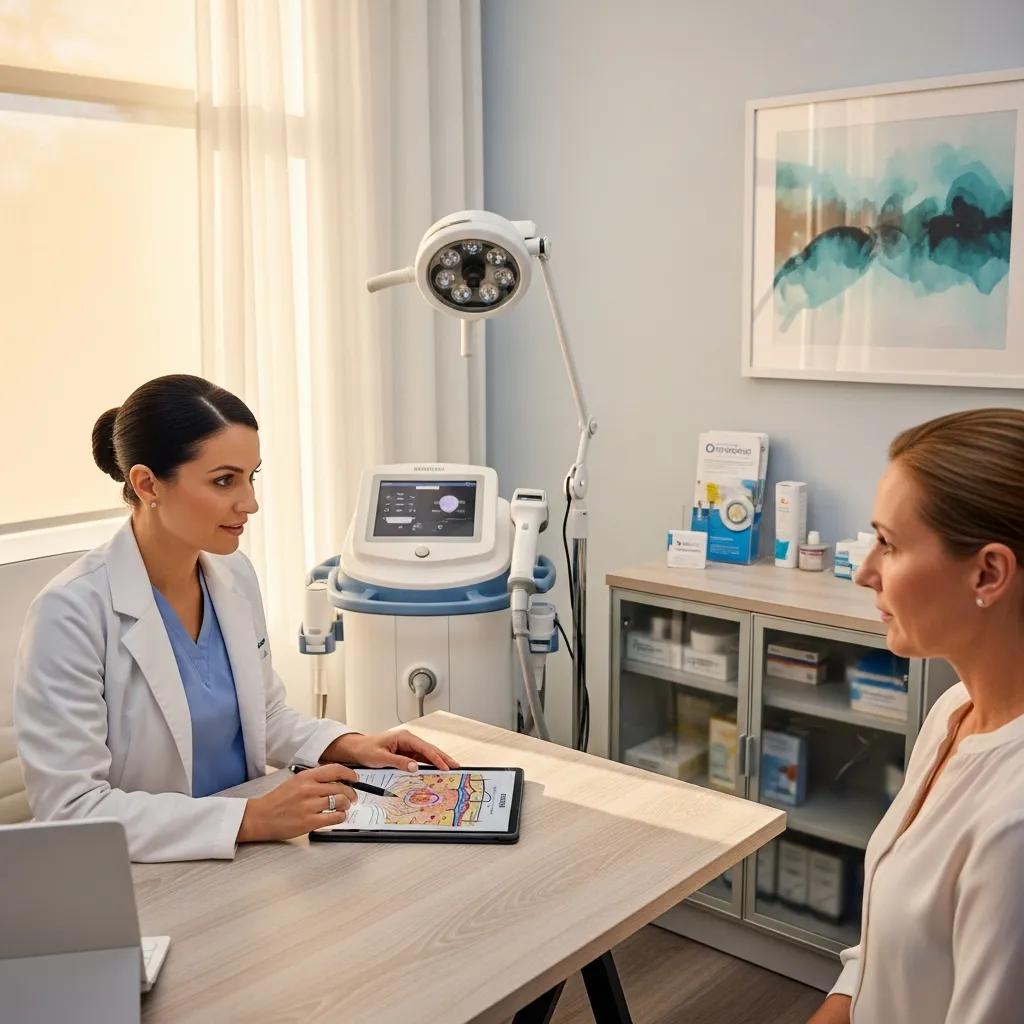
An IPL treatment pathway typically begins with a consultation to assess skin type, pigmentation, and vascular issues and to set expectations. During the procedure, protective eyewear is worn while calibrated light pulses are delivered across the treatment area; patients commonly feel brief snapping sensations. Immediately after, transient redness and slight swelling are normal, and treated spots may darken before flaking off within days. Shore MedSpa personalizes consultations and treatment plans under physician oversight to match device settings and session spacing to each patient’s skin, ensuring individualized care and clear recovery guidance.
Below is a concise comparison of procedure expectations versus common alternatives to help patients weigh downtime and session counts. This table outlines typical sessions and recovery for IPL compared with fractional laser and chemical peel options.
| Procedure | Sessions | Downtime |
|---|---|---|
| IPL Photofacial | 3–6 sessions, 3–4 weeks apart | Minimal; redness 1–7 days |
| Fractional Laser | 1–3 sessions, spaced months apart | Moderate; redness and peeling 5–14 days |
| Medium Chemical Peel | 1–3 sessions depending on depth | Moderate to significant peeling 5–10 days |
This quick comparison helps patients choose the right modality given time constraints and goals. The next section summarizes the typical in-office procedure and realistic recovery timeline.
What Is the Typical IPL Procedure and Recovery Time?
A standard IPL session commonly lasts 20–45 minutes depending on treatment area, with pre-treatment cleansing and post-care instructions included. Immediately after treatment, mild erythema and warmth are expected, and pigment spots may darken before sloughing off in the following week. Most patients resume normal activities the same day while avoiding sun exposure and using gentle skincare and sunscreen during recovery. Adhering to aftercare and sun protection accelerates healing and reduces the risk of pigmentary changes.
How Many IPL Sessions Are Needed for Visible Skin Improvements?
Visible improvement usually emerges after the second or third session, with a typical course of 3–6 treatments spaced 3–4 weeks apart for pigmentary and vascular concerns. The exact number depends on lesion severity, skin type, and individual healing response; vascular redness may respond faster while pigmentary clearing can take more sessions. Maintenance treatments every 6–12 months help preserve results, especially for patients with ongoing sun exposure or chronic redness. A personalized plan created at consultation helps optimize session count and timing.
Is IPL Photofacial Safe and Suitable for Treating Rosacea and Redness?
Yes, IPL can be a safe and effective option for rosacea-related redness and broken capillaries when performed by trained providers using appropriate settings and test spots. Because IPL targets hemoglobin, it reduces diffuse facial redness and telangiectasias over a course of treatments, improving the inflammatory appearance of rosacea in many patients. However, candidacy depends on skin type, recent tanning, and concurrent medications that affect photosensitivity. Providers should evaluate risks, perform test pulses if needed, and tailor treatment to minimize adverse effects under physician supervision.
Who Are Ideal Candidates for IPL Therapy?
Ideal candidates have fair-to-medium skin tones with pigmentary or vascular concerns such as sun spots, age spots, freckles, broken capillaries, or persistent facial redness. Individuals with active tanning, recent sunburn, or darker Fitzpatrick skin types (V and VI) may require caution or alternative devices to reduce pigmentary risk. People on photosensitizing medications or with active skin infections should postpone treatment until cleared by a clinician. A physician-led assessment and possible test spot help confirm suitability and safe parameter selection.
Common ideal candidate traits include:
- Fair-to-medium skin tone with visible sun damage or redness.
- Stable skin condition without recent tanning or active infection.
- Willingness to follow sun protection and aftercare to optimize outcomes.
These candidate criteria guide safe selection and better predict treatment response. The following summary emphasizes pre-treatment precautions before IPL.
What Are the Possible Side Effects and Safety Considerations?
Typical side effects are transient and include redness, mild swelling, and temporary darkening of treated spots that often resolves with natural exfoliation. Less common but possible risks include blistering, crusting, or hypo- or hyperpigmentation, especially when post-procedure sun exposure occurs or when inappropriate settings are used. Mitigation strategies include sunscreen use, avoiding heat and exfoliation during recovery, performing test spots on higher-risk skin, and ensuring treatment is delivered under qualified medical supervision. When performed by a trained clinician with careful pre- and post-care, IPL’s benefit-to-risk profile is favorable for many patients.
Key safety practices for minimizing risk:
- Pre-treatment evaluation for medications, tanning, and skin type.
- Test pulses when indicated to observe skin reactivity.
- Strict sun avoidance and sunscreen during healing to prevent pigment changes.
These precautions reduce complication risk and support predictable results under physician oversight.
For patients ready to discuss IPL as an option, schedule a consultation at Shore MedSpa & Bio Aesthetics to review personalized treatment planning and candidacy with physician oversight by Dr. Ronald Shore. Shore MedSpa is located at 4701 Randolph Rd, #207-B, Rockville, MD 20852, and can be reached by phone at +1 (301) 901-7661 to arrange an evaluation.