
Hormone Optimization Therapy in Rockville, MD: Restore Your Vitality with Expert Care
Hormone optimization therapy (HOT) is a medically supervised approach to restore hormonal balance in adults experiencing symptoms from aging, endocrine disorders, or lifestyle-related decline. This article explains how HOT works, outlines common therapies such as bioidentical hormone replacement therapy (BHRT) and testosterone replacement, and summarizes the clinical benefits you can expect for energy, mood, sexual health, and metabolic function. Many men and women in Rockville seeking improved vitality face fatigue, low libido, weight changes, and cognitive fog; HOT pairs targeted diagnostic testing with individualized dosing to address those problems. You will learn the diagnostic steps clinicians use, the major therapy options available locally, and the evidence-based benefits and monitoring considerations that guide safe treatment. Finally, the piece highlights local access and why a medically led medspa can integrate hormone care with weight-loss and anti-aging services to support comprehensive, long-term outcomes.
What is Hormone Optimization Therapy and How Does It Work?
Hormone optimization therapy is a personalized medical strategy that diagnoses hormone deficiencies or imbalances and restores physiologic levels using replacement or supportive agents. The core mechanism is replacing or supplementing hormones (for example, testosterone, estrogen, progesterone, thyroid hormones, DHEA) so receptors and metabolic pathways regain normal signaling, which improves symptoms and body composition. Treatment begins with a focused clinical history and targeted laboratory testing, followed by selection of an administration route and a monitored titration plan to reach symptom control and lab targets. Regular follow-up measures both symptoms and labs to adjust dosing and minimize adverse effects. Understanding these steps clarifies why individualized plans and medical oversight are essential for safety and efficacy.
Understanding Hormonal Imbalance and Its Causes
Hormonal imbalance arises from aging, endocrine disease, medications, stress, and environmental influences that alter hormone synthesis, metabolism, or receptor response. Aging-related transitions—menopause in women and age-related testosterone decline in men—are common drivers, but thyroid dysfunction, chronic stress, weight changes, and certain prescription drugs also disrupt balance. Symptoms typically include low energy, mood instability, reduced libido, sleep disturbance, and changes in body composition that prompt diagnostic evaluation. Clinicians combine symptom inventories with targeted labs (e.g., sex hormones, thyroid panel, metabolic markers) to identify which axis is affected and to prioritize interventions. Recognizing the cause directs therapy selection and the monitoring cadence that follows.
- This list highlights frequent causes patients experience: Aging-related hormonal decline such as menopause and age-related testosterone decline.Lifestyle and stress-related changes that alter cortisol and sex hormone balance.Medical conditions or medications that impair hormone production or action.
How Bioidentical Hormone Replacement Therapy Restores Balance
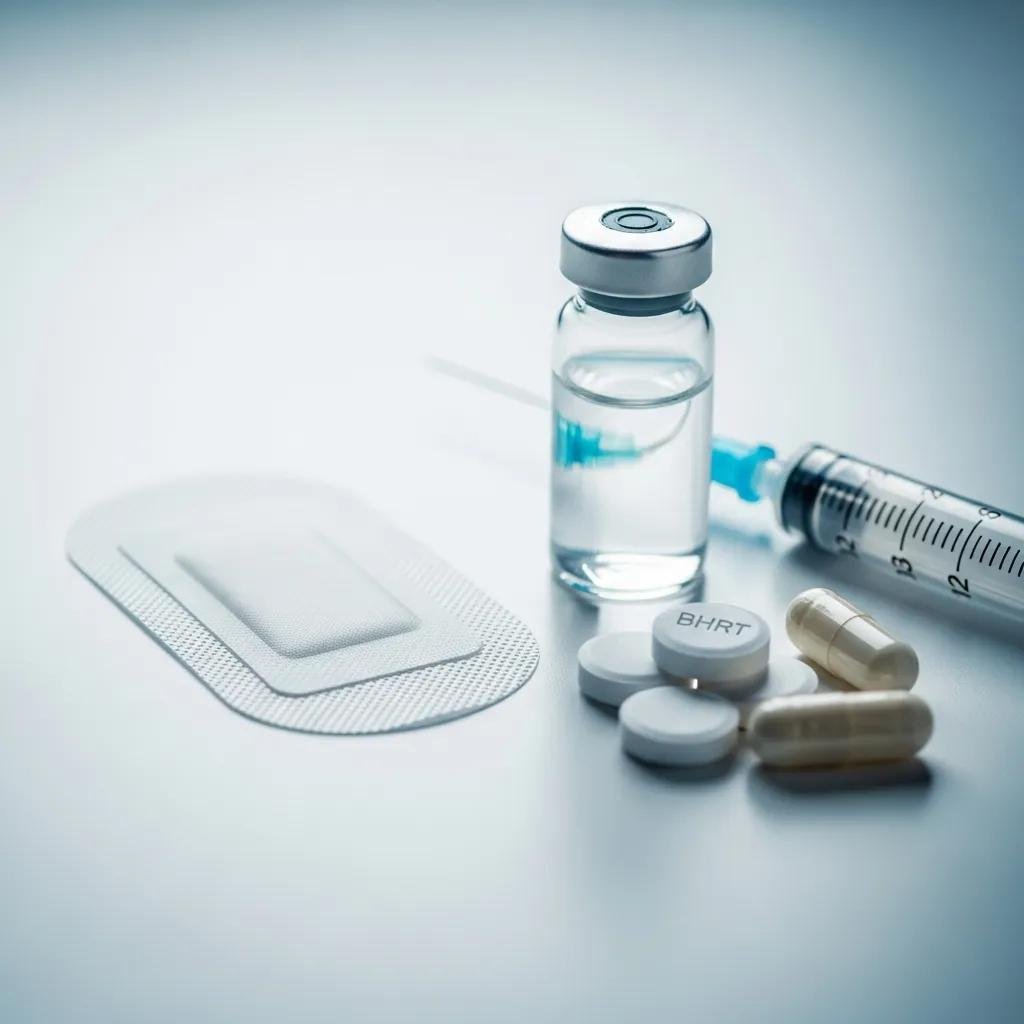
Bioidentical hormone replacement therapy (BHRT) uses hormones molecularly identical to endogenous human hormones to replace deficient levels and restore physiologic signaling. Administration routes commonly include transdermal creams or patches, injections, oral formulations, and subcutaneous pellets; each route has distinct absorption characteristics that affect dosing frequency and monitoring. Individualized dosing matters because metabolism and receptor sensitivity vary widely between patients; a plan based on symptom response and labs reduces overtreatment and side effects. Safety monitoring typically includes periodic hormone panels, metabolic labs, and symptom reviews under medical supervision to ensure therapeutic benefit with minimized risk.
- Common administration routes include: Transdermal (creams/patches) for steady absorption.Injections for rapid, controllable dosing.Subcutaneous pellets for sustained release over months.
Which Hormone Therapies Are Offered in Rockville, MD?
This section summarizes principal therapies available locally for adults pursuing hormone optimization: testosterone replacement therapy, estrogen and progesterone for menopause, pellet therapy, and thyroid optimization. Each therapy targets a specific hormonal axis and requires baseline testing, individualized dosing, and scheduled follow-up to measure response and safety. Below is a concise list of common therapies practitioners in the Rockville area typically evaluate and manage.
- Testosterone replacement therapy for symptomatic low testosterone in men and selected women.
- Estrogen and progesterone therapy to relieve menopausal symptoms and protect bone health where appropriate.
- Hormone pellet therapy as a sustained-release delivery option for some patients.
- Thyroid hormone optimization and supplemental DHEA when indicated by testing.
These therapies vary by route and monitoring needs, so clinicians tailor selection to patient goals and lab results. As a local resource, Shore MedSpa & Bio Aesthetics in Rockville evaluates patients for these options and develops individualized plans that align hormone care with medical weight loss and anti-aging services when appropriate.
| Therapy | Typical Route | Target Population | Main Benefits |
|---|---|---|---|
| Testosterone replacement | Injections, topical gels | Men with low T; select women | Increased energy, libido, muscle mass |
| Estrogen/progesterone therapy | Transdermal, oral, topical | Perimenopausal/menopausal women | Relief of vasomotor and urogenital symptoms |
| Hormone pellets | Subcutaneous implanted pellets | Adults seeking steady dosing | Stable levels over months, fewer dosing events |
| Thyroid optimization | Oral T3/T4 formulations | Patients with hypothyroidism or low-normal function | Improved metabolism, energy, cognition |
Testosterone Therapy for Men and Women
Testosterone replacement therapy (TRT) addresses symptomatic low testosterone and aims to restore physiologic levels to improve energy, libido, and muscle mass. Indications differ by sex: in men, TRT treats clinically low total or free testosterone with compatible symptoms; in women, lower-dose protocols may be considered for hypoactive sexual desire disorder after careful evaluation. Monitoring typically includes baseline labs (testosterone, hematocrit, lipids), follow-up checks at 6–12 weeks after initiation, and periodic reassessment to adjust dose. Potential benefits include improved mood, sexual function, and body composition, balanced against risks such as erythrocytosis that require ongoing surveillance. Open discussion with a clinician helps align expectations and monitoring plans.
- Typical monitoring and adjustment steps: Baseline hormone panel and metabolic labs before starting therapy.Recheck levels and symptoms at 6–12 weeks to titrate dose.Periodic safety labs (hematocrit, lipids) every 3–6 months initially.
Estrogen and Progesterone Therapy for Menopause Treatment
Estrogen and progesterone therapy relieves vasomotor symptoms, vaginal dryness, and sleep disruption associated with perimenopause and menopause by restoring estrogenic signaling and, when appropriate, protecting the endometrium with progesterone. Recent guidance from regulatory and clinical authorities emphasizes individualized risk assessment and the lowest effective dose for symptom control; clinicians factor age, symptom severity, and medical history when recommending therapy. Formulations include transdermal patches, topical preparations, and systemic oral options, each with differing metabolic effects. Regular follow-up balances symptom relief with routine safety monitoring and periodic reassessment of the treatment plan.
- Primary considerations when initiating therapy: Symptom pattern and severity, plus personal risk profile.Choice of formulation based on symptoms (systemic vs local).Ongoing review of benefit versus risk using current clinical guidance.
What Are the Benefits of Hormone Balance Therapy?

Hormone balance therapy can improve multiple domains of health by restoring hormonal signaling pathways that influence energy metabolism, mood regulation, sexual function, and musculoskeletal integrity. Current research and clinical observation indicate that appropriately selected and monitored therapy frequently yields meaningful improvements in daily function and quality of life. The benefits below summarize primary outcomes patients often experience when therapy corrects a documented deficiency and is coupled with lifestyle and metabolic support.
- Improved Energy and Mood: Restoring deficient sex hormones and optimizing thyroid function enhances metabolic efficiency and emotional regulation, reducing fatigue and depressive symptoms.
- Enhanced Sexual Health: Testosterone and estrogen therapies can increase libido, sexual responsiveness, and in men improve erectile function when combined with lifestyle care.
- Support for Body Composition and Weight Management: Hormone optimization supports lean mass preservation and helps metabolic rate, making combined programs for medical weight loss more effective.
These benefits are maximized when hormone therapy is part of an integrated plan that includes nutrition, exercise, and metabolic monitoring. For many patients, combining targeted hormone care with weight-loss and anti-aging strategies produces more durable results than single-modality approaches.
| Hormone | Mechanism | Clinical Benefit |
|---|---|---|
| Testosterone | Androgen receptor activation, anabolic effects | Increased energy, libido, muscle mass |
| Estrogen (estradiol) | Estrogen receptor modulation, vascular and bone effects | Reduced hot flashes, improved bone density |
| Progesterone | Neurosteroid and endometrial modulation | Improved sleep, balancing estrogen effects |
| Thyroid (T3/T4) | Metabolic rate regulation | Enhanced energy, weight management, cognitive alertness |
Mapping mechanism to outcome helps clinicians prioritize which axis to target for each patient’s goals, and it clarifies why multi-hormone assessment can be necessary.
For patients ready to pursue evaluation, a brief clinical consultation and targeted laboratory testing determine whether hormone optimization is appropriate. Shore MedSpa & Bio Aesthetics in Rockville offers clinical evaluation and individualized plans that connect hormone assessment with medical weight loss and anti-aging treatment options to support broader wellness goals.
Why Choose Shore MedSpa & Bio Aesthetics for Hormone Replacement Therapy in Rockville?
Shore MedSpa & Bio Aesthetics is a medical spa in Rockville, MD led by Dr. Ronald Shore, a Board-Certified Dermatologist, that provides advanced cosmetic dermatology and integrative aesthetic services. The clinic’s service mix includes medical weight loss programs, Botox and dermal fillers, chemical peels, laser treatments, and body contouring, which allows clinicians to align hormone optimization with complementary anti-aging and metabolic strategies. Patients seeking medically supervised hormone care benefit from a practice that combines specialist clinical oversight with aesthetic and weight-management services to support holistic goals. Choosing a provider that integrates hormonal, metabolic, and aesthetic care can enhance outcome consistency and patient satisfaction through coordinated planning.
Expertise of Dr. Ronald Shore and Personalized Care
Dr. Ronald Shore, as a Board-Certified Dermatologist leading the practice, provides clinical leadership that guides personalized treatment planning and procedural safety. Personalized care means evaluating symptoms, reviewing targeted laboratory results, and constructing a monitored therapeutic plan tailored to each patient’s goals and risk profile. Medical oversight by a clinician experienced in aesthetic and medical wellness services supports coordinated care—especially when hormone plans intersect with weight-loss or skin-focused therapies. Prospective patients should expect thorough evaluation, clear monitoring plans, and integration with complementary services as clinically indicated.
Integrative Approach Linking Hormone Therapy with Weight Loss and Anti-Aging
An integrative approach recognizes that hormonal balance, body composition, and skin aging interact and that coordinated interventions produce stronger outcomes than isolated treatments. Combining hormone optimization with medical weight loss protocols can improve metabolic responsiveness and preserve lean mass during weight reduction. Likewise, aligning hormone care with anti-aging aesthetic treatments (such as Botox, fillers, lasers, and peels) helps address both internal physiology and external appearance under unified clinical supervision. This coordinated model supports sustained improvements in vitality, function, and appearance through comprehensive planning.
- Coordinated goals: Align metabolic and aesthetic objectives with hormone targets.
- Medical oversight: Monitor labs and symptoms across therapies for safety.
- Holistic outcomes: Support durable changes by addressing multiple contributors to aging and vitality.
These elements illustrate how an integrated medspa model can deliver more comprehensive, patient-centered care.