
Hyaluronic Acid: The Ultimate Hydration Booster for Skin Benefits and Treatments
Hyaluronic acid (HA) is a naturally occurring humectant in skin tissue that binds and holds water, delivering immediate hydration and a visible plumping effect. This article explains how hyaluronic acid works at the molecular level, contrasts topical serums with injectable dermal fillers, and outlines practical application and safety considerations for different skin types. Readers will learn the key hydration and anti-aging benefits of HA, how to choose and use serums and moisturizers effectively, what to expect from HA dermal fillers, and how to evaluate safety when considering treatment. Many people look to HA to reduce fine lines, restore lost volume, or improve skin barrier function; this guide provides clear, research-informed explanations and step-by-step advice to set realistic expectations. We also include quick-reference tables to match formulations and filler types to outcomes, plus practical lists for application and safety. Begin with an overview of core benefits and mechanisms, then explore topical strategies, clinical filler use, and safety—so you can make informed choices about HA for skin hydration and rejuvenation.
What Are the Key Benefits of Hyaluronic Acid for Skin Hydration and Anti-Aging?
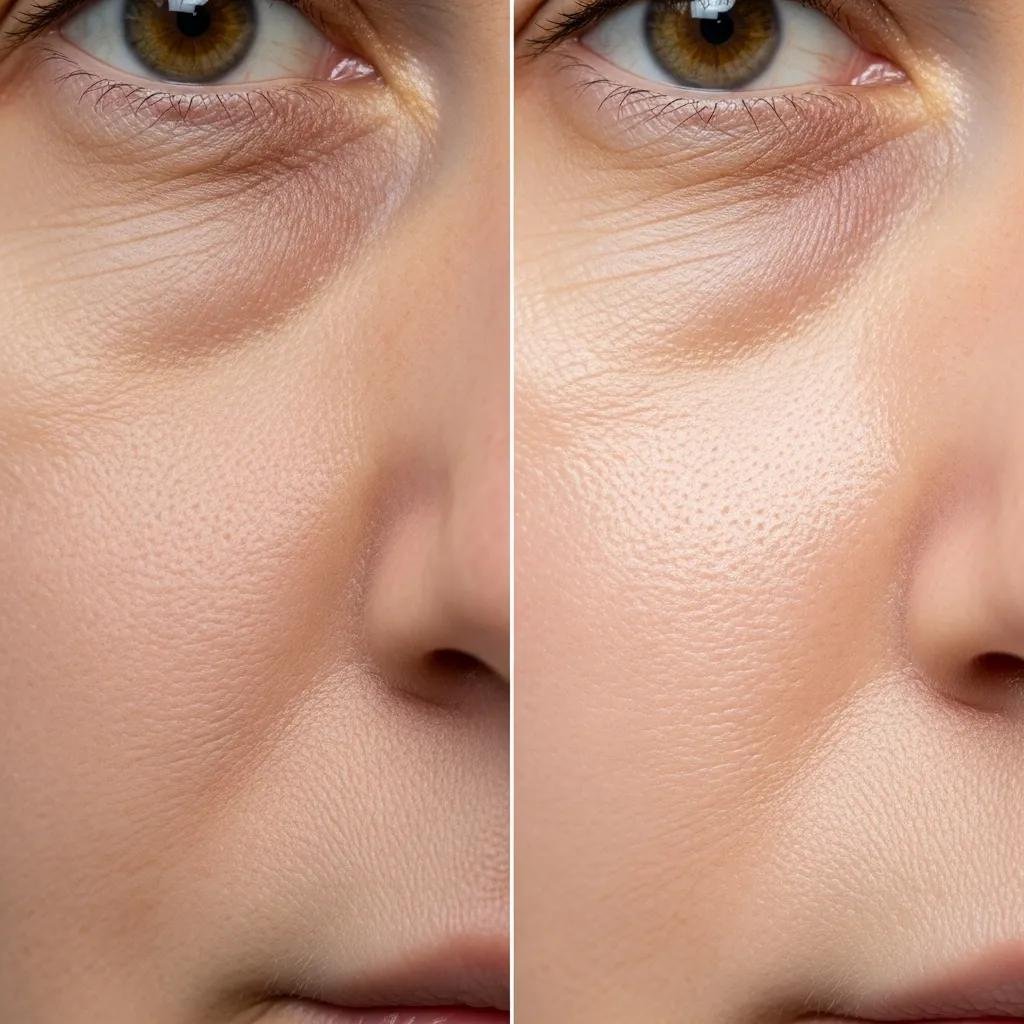
Hyaluronic acid (HA) boosts skin hydration by attracting and holding water molecules within the extracellular matrix, which increases tissue turgor and reduces the appearance of fine lines. This mechanism improves elasticity and tactile smoothness while supporting barrier function and wound repair, producing both immediate cosmetic and measurable functional benefits. Understanding these core benefits helps set realistic expectations for topical products versus injectable treatments, which act at different tissue depths to achieve differing durations and magnitudes of effect. The following list summarizes primary HA benefits and their practical outcomes.
Hyaluronic acid delivers several clinically relevant skin benefits:
- Intense Hydration: HA binds water to hydrate the epidermis and dermis for immediate smoothing.
- Improved Elasticity: Restored hydration enhances skin flexibility and resilience.
- Surface Plumping: Reduced wrinkle depth and softer texture through water retention.
- Barrier Support and Healing: HA contributes to wound healing and reduces transepidermal water loss.
These benefits map directly to how HA is used in daily skincare and aesthetic procedures, which we detail next.
Introductory comparison of benefits, mechanisms, and expected outcomes:
| Benefit | Mechanism | Expected Outcome |
|---|---|---|
| Hydration | Humectant action binds water in ECM | Immediate softening and smoother texture |
| Elasticity | Hydration supports collagen/elastin function | Improved bounce and reduced creping |
| Wrinkle softening | Surface plumping and volume support | Reduced appearance of fine lines |
| Barrier repair | Supports tissue hydration and healing | Lower transepidermal water loss, faster recovery |
This table highlights how each HA benefit translates into observable skin improvements and guides product or treatment selection based on desired outcomes.
How Does Hyaluronic Acid Improve Skin Moisture and Elasticity?
Hyaluronic acid improves skin moisture by attracting water molecules—one HA molecule can bind up to 1000 times its weight in water—thereby increasing local hydration within the dermal extracellular matrix. This higher hydration level enhances mechanical properties of skin, allowing collagen and elastin fibers to perform more effectively, which translates to better elasticity and a supple feel. Increased tissue hydration also reduces friction between structural proteins, promoting smoother movement and less visible creasing during facial expression. Understanding this hydration-to-elasticity pathway clarifies why consistent topical use and structural volume restoration with injectables produce complementary outcomes.
Hydration supports broader skin health by reducing transepidermal water loss and creating an environment where repair processes function optimally. This connection between moisture and structural protein function points to practical choices—such as pairing HA with barrier-supporting moisturizers—to maximize elastic improvement and durable results.
Can Hyaluronic Acid Reduce Fine Lines and Wrinkles Effectively?
Topical HA reduces fine lines primarily through epidermal and superficial dermal hydration that temporarily plumps the skin surface and softens texture, delivering fast but short-lived visual improvement. Injectable HA dermal fillers produce structural volume replacement in deeper tissue planes, lifting depressed creases and restoring contour with longer-lasting results that may persist for 6 to 18 months depending on the product and individual metabolism. Clinical evidence and practice experience show topical HA improves superficial wrinkles and skin quality, while cross-linked injectable HA is indicated for volumizing and correcting deeper lines.
Setting expectations is essential: topical regimens require daily use and maintenance for persistent surface benefits, whereas injectable fillers provide immediate volumizing that may require periodic touch-ups. When considering options, consult a qualified clinician about goals, downtime, and durability to choose the most appropriate modality.
How Do Hyaluronic Acid Serums and Moisturizers Enhance Skin Hydration?
Topical hyaluronic acid products enhance hydration by delivering HA of varying molecular weights to different skin depths, plus they act as humectants on the surface to reduce water loss. Serum formulations usually contain concentrated HA designed for rapid epidermal hydration, while moisturizers combine HA with occlusives to seal moisture in. Recent studies indicate that layering HA serums on slightly damp skin and following with an occlusive moisturizer yields the best retention of hydration. The next section outlines practical application steps to maximize efficacy and highlights product–skin type matching.
Follow these best practices when applying HA serums:
- Apply to damp skin: Applying HA to slightly damp skin increases water uptake into epidermal layers.
- Layer under moisturizer: Seal in the HA with an occlusive moisturizer to reduce evaporation.
- Use consistently: Daily application morning and/or evening maintains hydration benefits.
- Pair with actives thoughtfully: Combine safely with ingredients like niacinamide; avoid irritation-prone pairings for sensitive skin.
These steps create a simple routine that optimizes hydration, reduces transepidermal water loss, and supports long-term skin quality.
Quick reference table to match topical formulations to skin types and hydration depth:
| Product Type | Molecular Weight / Formulation | Best Use Case |
|---|---|---|
| Low-MW HA serum | Low molecular weight penetrative HA | Deeper dermal hydration for dry skin |
| High-MW HA serum | High molecular weight surface HA | Immediate surface plumping and texture smoothing |
| HA + occlusive moisturizer | HA with emollients/occlusives | Long-lasting hydration for very dry skin |
| Lightweight gel serum | Non-comedogenic HA gel | Oily or acne-prone skin needing hydration without weight |
This table helps select formulations that match skin needs and supports practical routine decisions for lasting hydration.
What Are the Best Practices for Applying Hyaluronic Acid Serums?
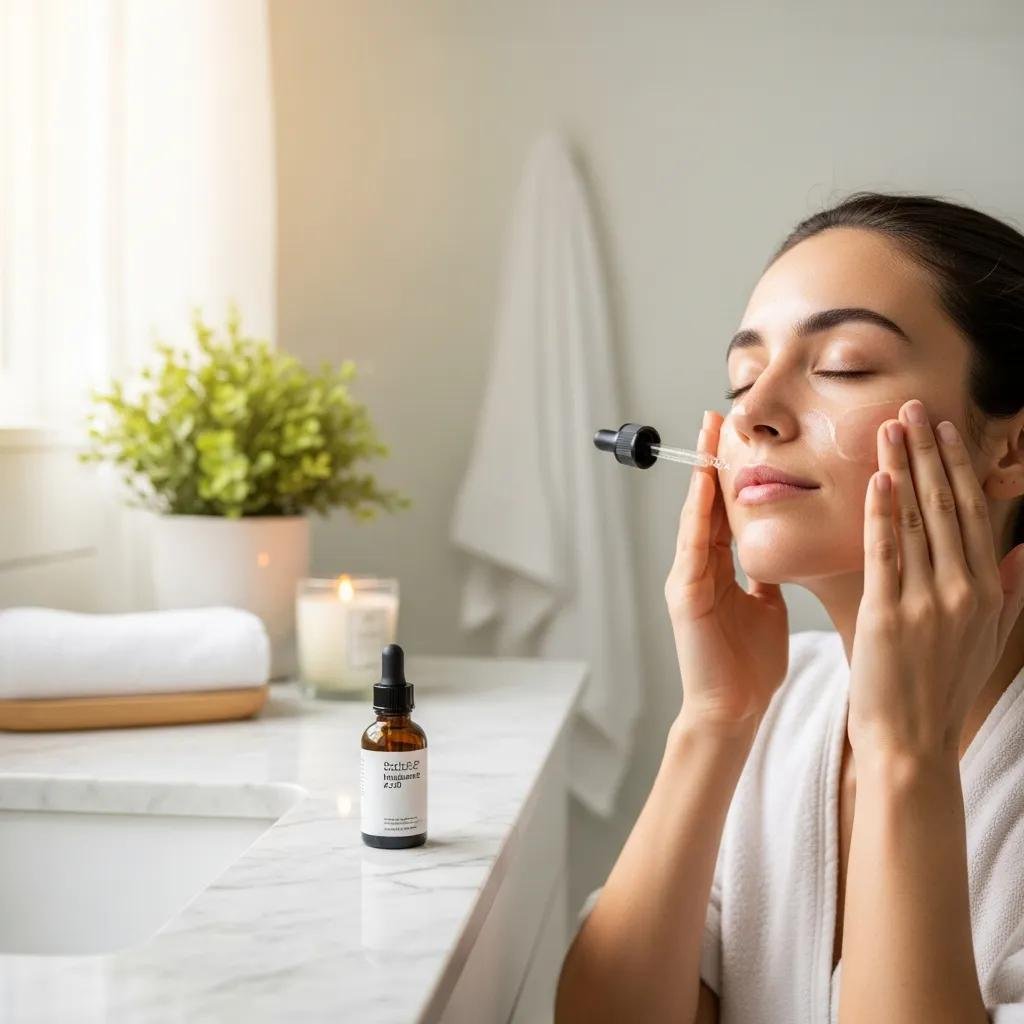
Effective application of HA serums requires timing and layering to lock in water and optimize penetration. Start by wetting the skin lightly so HA has water to bind, then apply a pea-sized amount of serum with gentle upward strokes to distribute product evenly across the face. Immediately follow with a moisturizer that contains occlusive or emollient ingredients to form a barrier and prevent transepidermal water loss. Use HA serums daily—morning for plumping under makeup and evening for overnight repair—and monitor for irritation when combining with strong actives like retinoids.
Those steps maximize short-term and cumulative benefits by ensuring HA molecules have available water to bind and are retained by a sealing moisturizer. Proper technique enhances both feel and function of topical HA.
Which Hyaluronic Acid Formulations Suit Different Skin Types?
Choosing the right HA formulation depends on skin type and tolerance: dry skin benefits from richer formulas and occlusive pairings, while oily or acne-prone skin responds better to lightweight, non-comedogenic gels. Sensitive skin should favor fragrance-free, minimal-additive products and possibly patch-testing new formulations before full-face use. For deeper hydration needs, products containing a mix of molecular weights (multi-weight HA) can address both surface smoothing and sub-surface moisture.
Selecting the appropriate formulation improves outcomes and minimizes adverse reactions, which leads naturally into considerations about injectable HA options for volume and contour where topical approaches are insufficient.
What Are Hyaluronic Acid Dermal Fillers and Their Role in Facial Rejuvenation?
Hyaluronic acid dermal fillers are cross-linked HA formulations injected into specific tissue planes to restore lost volume, smooth deep lines, and recontour facial anatomy; cross-linking determines filler longevity and mechanical properties. Unlike topical HA, fillers provide structural support and lift by physically replacing volume that diminishes with age, and they can produce immediate changes in facial silhouette. Proper filler selection and injection technique determine natural-looking outcomes and durability, making clinician expertise a critical factor in safe, satisfying results. The following list summarizes common clinical goals and typical filler uses.
Common clinical goals for HA dermal fillers include:
- Volume restoration: Replacing lost subcutaneous volume in cheeks and temples.
- Contour and definition: Enhancing jawline, chin, and nasolabial folds.
- Wrinkle smoothing: Filling static deep lines and folds for immediate improvement.
Understanding filler types and indications helps align patient goals with achievable results and informs procedural planning.
Comparative table of filler types, indications, and typical results:
| Filler Brand/Type | Indication / Longevity | Typical Result / Treatment Area |
|---|---|---|
| Cross-linked HA (general) | Moderate to long (6–18 months typically) | Volume restoration in cheeks and folds |
| Restylane (example HA brand) | Indicated for contouring and fine to moderate lines | Natural contour enhancement and smoothing |
| Denser cohesive HA | Longer-lasting structural support | Jawline and chin augmentation for defined contour |
This table clarifies how filler selection influences clinical strategy and expected durability for facial rejuvenation.
How Do Injectable Hyaluronic Acid Fillers Restore Volume and Contour?
Injectable HA fillers restore volume by physically occupying space in the subcutaneous and supraperiosteal planes, lifting soft tissues and re-establishing youthful contours. After injection, the HA attracts water and integrates into surrounding tissue, producing immediate volumizing and a secondary effect of improved skin hydration. Techniques vary—bolus placement for projection, linear threading for smooth contouring, or layer-based approaches—to achieve targeted lift and natural movement. The choice of filler viscosity and cross-link density influences lift capacity and how long the effect lasts, so individualized planning is essential.
What Are the Common Treatment Areas and Expected Results?
HA fillers are commonly used in the lips for definition and volume, cheeks for lift and midface support, the nasolabial folds for smoothing, the jawline for contour, and under-eye hollows for subtle correction. Results vary by area: lips show immediate shape change that may last several months (typically 6–12 months), cheeks deliver longer-lasting lift and contour, and under-eye treatments require conservative volumes and expert technique for safe outcomes. Patients can generally expect visible improvement immediately, with longevity depending on filler type and individual metabolism.
The area-specific expectations guide treatment planning and patient counseling so outcomes align with realistic aesthetic goals.
Is Hyaluronic Acid Safe for All Skin Types and What Are Potential Side Effects?
Topical hyaluronic acid is broadly well tolerated across skin types, with irritation risk primarily tied to additives like fragrances or preservatives rather than HA itself. Injectable HA carries procedural risks—transient bruising, swelling, and rare vascular complications—that underscore the importance of an experienced, medically trained injector. Minimizing risk involves proper patient assessment, sterile technique, conservative dosing, and clear post-care instructions; recognizing red flags such as disproportionate pain or color changes post-injection requires prompt clinical attention. The checklist below summarizes safety considerations for both topical and injectable modalities.
Topical vs injectable safety checklist:
- Topical HA: Generally safe; review ingredient list for irritants and patch-test sensitive skin.
- Injectable HA: Requires licensed medical provider; expect short downtime and potential bruising.
- Risk minimization: Pre-procedure assessment and conservative correction reduce complications.
These points help users decide when self-care is appropriate and when to seek professional evaluation for injectable options.
Compact risk comparison to clarify differences:
| Modality | Typical Risk Profile | Expected Downtime |
|---|---|---|
| Topical HA | Low irritation risk from additives | None to minimal |
| Injectable HA | Bruising, swelling; rare vascular events | 1–14 days varying by area |
| Minimization strategies | Patch tests, trained injector, aftercare | Reduced complications and downtime |
This straightforward comparison supports informed consent and patient decision-making.
What Should You Know About Topical vs. Injectable Hyaluronic Acid Safety?
Topical HA carries minimal systemic risk and is safe for most users, but product formulation matters—fragrance or strong preservatives can provoke irritation in sensitive skin. Injectable HA requires medical evaluation for contraindications and is a procedural intervention with inherent risks; an experienced clinician reduces complication rates through sterile technique and anatomy-aware injection. Post-procedure care—icing, avoiding strenuous activity, and following provider instructions—shortens recovery and lowers complication risk. When in doubt about persistent pain, disproportionate swelling, or visual changes, seek immediate professional assessment.
Clear understanding of these modality differences helps patients choose appropriate treatments and sets expectations for recovery and monitoring.
How Does Shore MedSpa Ensure Safe and Personalized Hyaluronic Acid Treatments?
Shore MedSpa & Bio Aesthetics, led by Dr. Ronald Shore in Rockville, MD, provides HA dermal filler treatments overseen by board-certified dermatologic expertise and personalized treatment planning. Their approach emphasizes individualized assessment to match filler selection and injection technique to each patient’s anatomy and aesthetic goals, prioritizing natural-looking results and patient safety. Patients considering injectable HA at the clinic receive tailored recommendations that reflect both topical strategies for ongoing hydration and clinical options for volume restoration.
This balanced model—combining evidence-based topical guidance with clinician-led injectable planning—helps patients achieve hydration and rejuvenation goals while minimizing risk.