
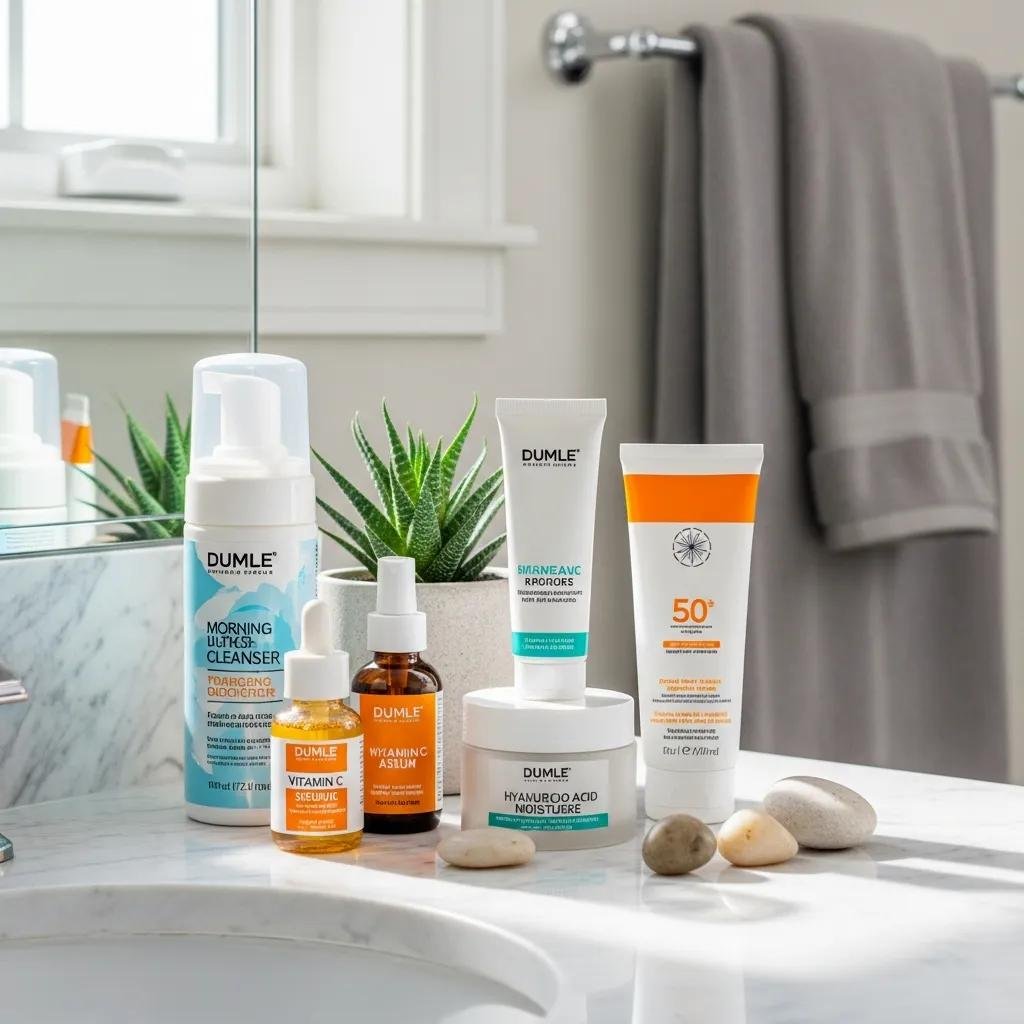
Your Essential Morning Skincare Routine for a Fresh Start: Step-by-Step Guide
A morning skincare routine is a short set of intentional steps you use every day to cleanse, treat, hydrate, and protect skin so it looks rested and stays healthy during daytime exposure. Following a consistent morning skincare routine protects against UV damage, restores hydration lost overnight, and creates a smooth base for makeup and topical treatments. This guide uses dermatologist-backed principles to explain each step—cleanse, treat with serums, moisturize, and apply SPF—and why the order matters for absorption and efficacy. Many people struggle with layering products correctly, choosing the right ingredients for oily or sensitive skin, and skipping sunscreen; this article solves those problems with practical how-to tips and evidence-based ingredient guidance. You’ll find an ordered checklist for a quick morning regimen, comparisons of serums and moisturizers by skin type, common mistakes and fixes, and a concise look at how professional treatments can accelerate results when paired with daily care. Target keywords like morning skincare routine, Vitamin C morning serum, hyaluronic acid morning routine, and SPF daily protection are woven through the sections to help you implement a fresh skin start.
What Are the Key Steps in a Daily Morning Skincare Routine?
A morning skincare routine follows a clear sequence so active ingredients work effectively: cleanse → treat → moisturize → protect, with each step preparing the skin for the next and improving product penetration. This order matters because cleansing removes oils and debris that block serums, treatment serums deliver targeted actives to clean skin, moisturizers seal hydration and support barrier function, and sunscreen provides the last line of defense. Keeping steps concise makes consistency sustainable and maximizes daytime benefits like antioxidant protection and UV defense. The short list below is optimized for daily use and high featured-snippet potential.
- Cleanse: Remove overnight oil and residue with a gentle cleanser suited to your skin type.
- Treat (Serum): Apply antioxidant or hydrating serums such as Vitamin C or hyaluronic acid for daytime benefits.
- Moisturize: Use a lightweight moisturizer to support the skin barrier and lock in hydration.
- Protect: Finish with a broad-spectrum SPF 30+ sunscreen to prevent sun damage and premature aging.
The ordered routine above helps your active ingredients perform as intended, and the next subsection explains how to cleanse correctly without stripping or irritating skin.
How to Properly Cleanse Your Face in the Morning?

Morning cleansing clears sebum, sweat, and residue from overnight products while preserving the skin barrier so daytime treatments absorb well. Choose a gentle cleanser—cream or balm for dry skin, gel or foaming option for oily skin—and avoid hot water that disrupts lipids. Apply cleanser with damp hands, massage for 20–30 seconds focusing on the T-zone, then rinse with lukewarm water and pat dry with a soft towel to maintain barrier integrity. For very dry or reactive skin, a splash of water or micellar water can suffice to avoid over-cleansing; this preserves natural oils while still prepping the surface for serums. Proper cleansing sets a controlled canvas for the active serums discussed next and reduces the chance of pilling when you layer treatments.
Which Serums Should You Apply and Why?
Morning serums deliver concentrated actives that address oxidative stress, hydration, and barrier support—key mechanisms for fresher daytime skin. Vitamin C serum provides antioxidant protection and brightening, hyaluronic acid binds moisture and plumps skin, and niacinamide balances tone and reduces redness; apply thin to thick (lightest texture first) and allow each to absorb. The table below summarizes these common morning actives, their mechanisms, and primary daytime benefits to help you choose based on needs.
| Active | Mechanism | Primary Daytime Benefit |
|---|---|---|
| Vitamin C | Antioxidant + collagen support | Protects against free radicals; brightens skin tone |
| Hyaluronic Acid | Humectant water-binding | Hydrates and plumps surface skin quickly |
| Niacinamide | Barrier support + anti-inflammatory | Reduces redness; improves skin texture and clarity |
Understanding these serums helps you combine them effectively. After a serum step, the next paragraph covers moisturizers and how to match textures to skin type so that hydrating layers support rather than block sunscreen.
How to Choose the Best Morning Skincare Products for Your Skin Type?
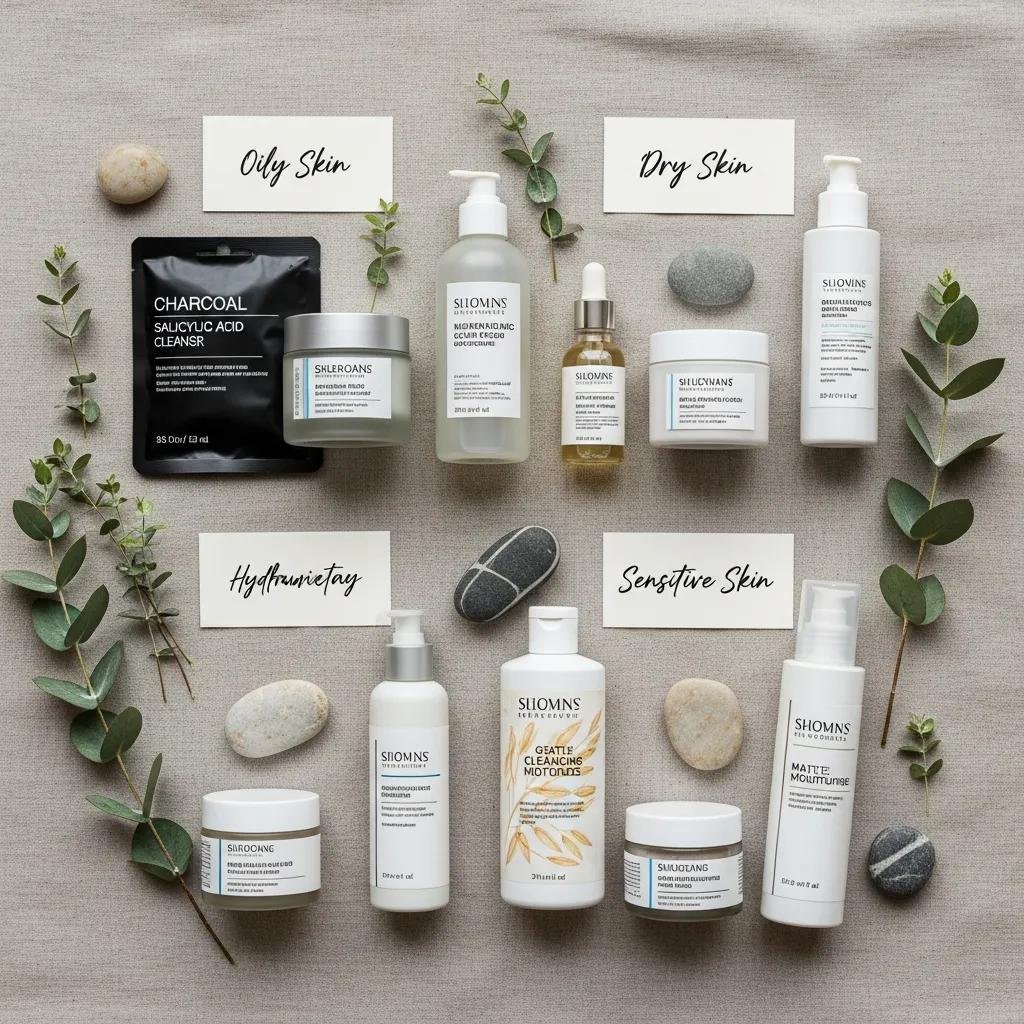
Choosing products starts with diagnosing sebum levels, barrier strength, and sensitivity so you can match cleansers, serums, moisturizers, and sunscreen to your skin’s needs and daily habits. For oily skin, favor lightweight, non-comedogenic textures and oil-regulating ingredients; for dry skin, select barrier-repairing, emollient-rich options; for sensitive skin, prioritize fragrance-free, minimal-ingredient formulas. The compact comparison table below helps translate product classes into practical choices across common skin types.
| Product Class | Key Ingredient | Best For |
|---|---|---|
| Cleanser | Gentle surfactant (low to neutral pH) | Oily & combination |
| Serum | Hyaluronic acid | Dry & dehydrated |
| Moisturizer | Ceramides | Dry & barrier repair |
| Sunscreen | Broad-spectrum SPF 30+ (mineral or chemical) | All skin types |
After choosing product classes, consider these quick practical tips for selection and application.
- Oily skin: Prefer gel or water-based moisturizers and oil-free serums to reduce shine without stripping.
- Dry skin: Choose cream textures with ceramides and occlusives to lock in moisture after humectant serums.
- Sensitive skin: Select fragrance-free, low-ingredient-count formulas and patch-test new actives before regular use.
This targeted guidance reduces shopping confusion and prepares you to layer products correctly. For complex or persistent concerns—acne, rosacea, or unusual sensitivity—professional consultation refines product choice and timing. Shore MedSpa & Bio Aesthetics, led by board-certified dermatologist Dr. Ronald Shore in Rockville, MD, offers personalized consultations and treatment plans that help match clinical treatments and at-home product regimens to individual skin conditions without replacing your daily routine.
What Moisturizers Work Best for Oily, Dry, and Sensitive Skin?
Moisturizer texture and active ingredients should complement your serum step and avoid interfering with sunscreen efficacy; selecting the right base supports barrier function and skin comfort throughout the day. For oily skin, light gel-cream formulas with hyaluronic acid or niacinamide hydrate without heaviness; these materials provide water-binding benefits while controlling oil. Dry skin benefits from richer creams containing ceramides, fatty acids, and occlusives applied immediately after humectant serums to seal moisture. Sensitive skin needs fragrance-free, minimally formulated moisturizers with ceramides and colloidal oatmeal to soothe and rebuild barrier lipids. Apply moisturizer with gentle upward strokes and allow two minutes before sunscreen to maintain clear layering and prevent pilling.
Why Is Sunscreen Essential in Your Morning Routine?
Sunscreen blocks ultraviolet radiation that causes photodamage, pigmentation, and premature aging—making it the most impactful single step in any morning skincare routine. Dermatology guidance recommends broad-spectrum SPF 30 or higher applied generously to exposed areas, with reapplication every two hours when outdoors to maintain protection. For daily wear under makeup, use a dedicated sunscreen product rather than relying on moisturizers that contain low SPF; mineral or chemical options can both provide effective defense when labeled broad-spectrum. Apply sunscreen as the final skincare step and allow it to set before makeup; this habit preserves the benefits of your cleansers, serums, and moisturizers by preventing UV-driven degradation of collagen and pigmentation changes.
What Common Mistakes Should You Avoid in Your Morning Skincare Routine?
Common morning mistakes reduce efficacy and can harm the skin barrier, but they’re easy to correct with a few clear rules. Over-exfoliating or using strong actives in the morning can increase photosensitivity and compromise the barrier; instead, reserve strong exfoliants or retinoids for evening and prioritize barrier-repair ingredients during the day. Incorrect layering—such as applying heavy creams before light serums—impedes absorption and can cause pilling; follow the lightest-to-heaviest rule to maximize efficacy. Skipping sunscreen remains the single biggest avoidable error; consistent SPF use prevents cumulative damage and supports long-term skin health.
- Over-exfoliation: Reduce frequency and use gentle acids or enzymes; protect with daily SPF.
- Wrong layering order: Apply from thinnest to thickest and wait briefly between watery and oil textures.
- Skipping SPF: Make sunscreen the last step and apply it every morning, regardless of perceived cloudiness.
Fixing these mistakes improves short-term comfort and accelerates visible results from your morning routine. The next subsection addresses whether you need to wash your face every morning and how to decide based on skin type.
Is Washing Your Face Every Morning Necessary?
Cleansing every morning depends on overnight oil production, skin sensitivity, and whether you applied potent nighttime actives. Oily or acne-prone skin typically benefits from a gentle morning cleanse to remove sebum and prevent clogged pores, while very dry or reactive skin may prefer a water-only rinse or gentle splash to preserve lipids. If you used retinoids or heavy moisturizers at night, a full gentle cleanse removes residue and primes skin for morning serums. Decide by assessing oiliness, irritation, and comfort—when in doubt, choose the mildest effective approach to maintain barrier health and prepare skin for active daytime treatments.
How to Layer Products Correctly for Maximum Effectiveness?
Layer products from thinnest to thickest, placing targeted actives closest to clean skin so they can penetrate, and seal with moisturizer and sunscreen as the final barrier. Wait about 30–60 seconds between lightweight layers for absorption; for pH-dependent acids or topical vitamin C, follow product-specific guidance or wait slightly longer before applying niacinamide or heavier creams. If you notice pilling, reduce quantity and allow more absorption time, or switch to compatible textures; combining too many silicones or heavy oils often causes product movement. Proper layering prevents irritation, enhances active ingredient delivery, and ensures sunscreen works as intended at the end of your routine.
How Can MedSpa Treatments Enhance Your Morning Skincare Routine?
MedSpa and in-clinic dermatologic treatments improve the baseline condition of skin—smoothing texture, evening pigment, and stimulating collagen—so daily morning routines deliver faster, more noticeable results. Treatments such as chemical peels, microneedling, and laser resurfacing reduce superficial damage and create a more receptive surface for serums like Vitamin C, meaning topical antioxidants and moisturizers can penetrate more uniformly. When integrated into a personalized plan from a board-certified dermatologist, in-office procedures are scheduled and paired with at-home regimens to minimize downtime and protect skin during recovery. Shore MedSpa & Bio Aesthetics in Rockville, MD emphasizes individualized plans under the leadership of Dr. Ronald Shore to align clinical services with daily skincare goals and safety considerations.
- Chemical peels: Improve texture and accelerate exfoliation so serums absorb more evenly.
- Microneedling: Stimulates collagen formation and enhances topical penetration for active ingredients.
- Laser treatments: Target pigment and fine lines, improving tone so daily products show quicker brightness.
This integration helps you reach clearer, smoother skin faster while maintaining daily protection and hydration; the following subsections describe specific roles and the importance of personalized plans.
What Role Do Chemical Peels and Laser Treatments Play?
Chemical peels and laser resurfacing reduce surface irregularities and pigment while promoting skin renewal, which accelerates visible improvements when combined with a consistent morning routine. Peels exfoliate damaged outer layers to reveal fresher skin that responds better to antioxidants, while lasers can target deeper pigment or vascular concerns to create a more uniform base for makeup and serums. Both procedures require tailored aftercare—gentle cleansing, barrier-repair moisturizers, and strict sunscreen—to protect new skin and prevent complications. Discuss downtime, expected outcomes, and post-procedure morning-care adjustments with a provider so your at-home routine supports healing and maintains results.
How Personalized Plans from a Board-Certified Dermatologist Support Your Routine?
A personalized plan from a board-certified dermatologist diagnoses underlying conditions, sequences professional treatments with home products, and specifies ingredient pairings to avoid interactions that cause irritation. For persistent acne, rosacea, or post-procedure needs, a clinician-guided routine clarifies which actives to pause and what to prioritize for barrier recovery and sun protection. Shore MedSpa & Bio Aesthetics, led by Dr. Ronald Shore in Rockville, MD, offers tailored recommendations to align clinic services—like peels and microneedling—with daily morning steps so treatments amplify your routine rather than conflict with it. Scheduling a consultation ensures safety, faster progress, and a morning regimen optimized for your skin’s unique biology.