
Sexual Wellness Treatments for Men & Women in Rockville, MD: Expert Care and Effective Solutions
Sexual wellness treatments address physiological and functional aspects of intimacy by using medically guided, non-surgical and regenerative approaches to restore sensation, improve function, and ease symptoms of pelvic or penile tissue change. This article explains common modalities — including platelet-rich plasma (PRP) therapies, acoustic wave treatment, vaginal laser-style rejuvenation, and hormone optimization — and clarifies how each works, who benefits, and what to expect. Many people experience reduced libido, erectile difficulty, vaginal dryness, or urinary symptoms that impair quality of life; targeted sexual wellness care combines biological mechanisms and practical therapy plans to address those problems. Readers will learn clear definitions, mechanisms of action, typical outcomes, and comparative options for men and women in Rockville, MD. After a technical overview we review men’s options with a practical comparison table, then cover female-centered choices and a second comparison table, and finish by describing clinical oversight and how to arrange a personalized plan. The following section defines the category and lists primary benefits, then moves into focused treatment options for men and women.
What Are Sexual Wellness Treatments and How Do They Improve Intimate Health?
Sexual wellness treatments are medically supervised interventions that restore or enhance genital tissue health, sexual function, and comfort through regenerative, mechanical, or hormonal mechanisms. They work by stimulating local tissue repair (for example, PRP growth factors), improving blood flow and angiogenesis (acoustic wave therapy), or correcting systemic hormonal deficits (testosterone or estrogen therapy), which together improve sensitivity, lubrication, and performance. Current research and clinical observations indicate that regenerative approaches can increase mucosal thickness, nerve responsiveness, and microvascular circulation, translating into measurable gains in orgasmic function, erectile rigidity, and reduction in urinary symptoms. The next paragraphs define two central modalities — PRP therapy and non-surgical device-based approaches — and then outline direct benefits patients commonly experience.
Sexual wellness treatments deliver specific benefits for intimacy and pelvic health:
- Improved tissue quality: Regenerative therapies stimulate collagen and vascular growth to restore mucosal integrity.
- Enhanced blood flow: Acoustic wave and vascular-focused treatments increase perfusion to erectile or vaginal tissues.
- Symptom relief: Hormone therapy and topical protocols reduce dryness, atrophy, and low libido.
These practical benefits frame choices between local regenerative procedures, energy-based devices, and systemic hormone optimization, which we describe in detail below. Briefly noting local availability, Shore MedSpa & Bio Aesthetics intends to offer PRP-based therapies and non-surgical intimate rejuvenation in Rockville, emphasizing medically supervised protocols as the context for care.
What is Platelet-Rich Plasma Therapy and Its Role in Sexual Wellness?
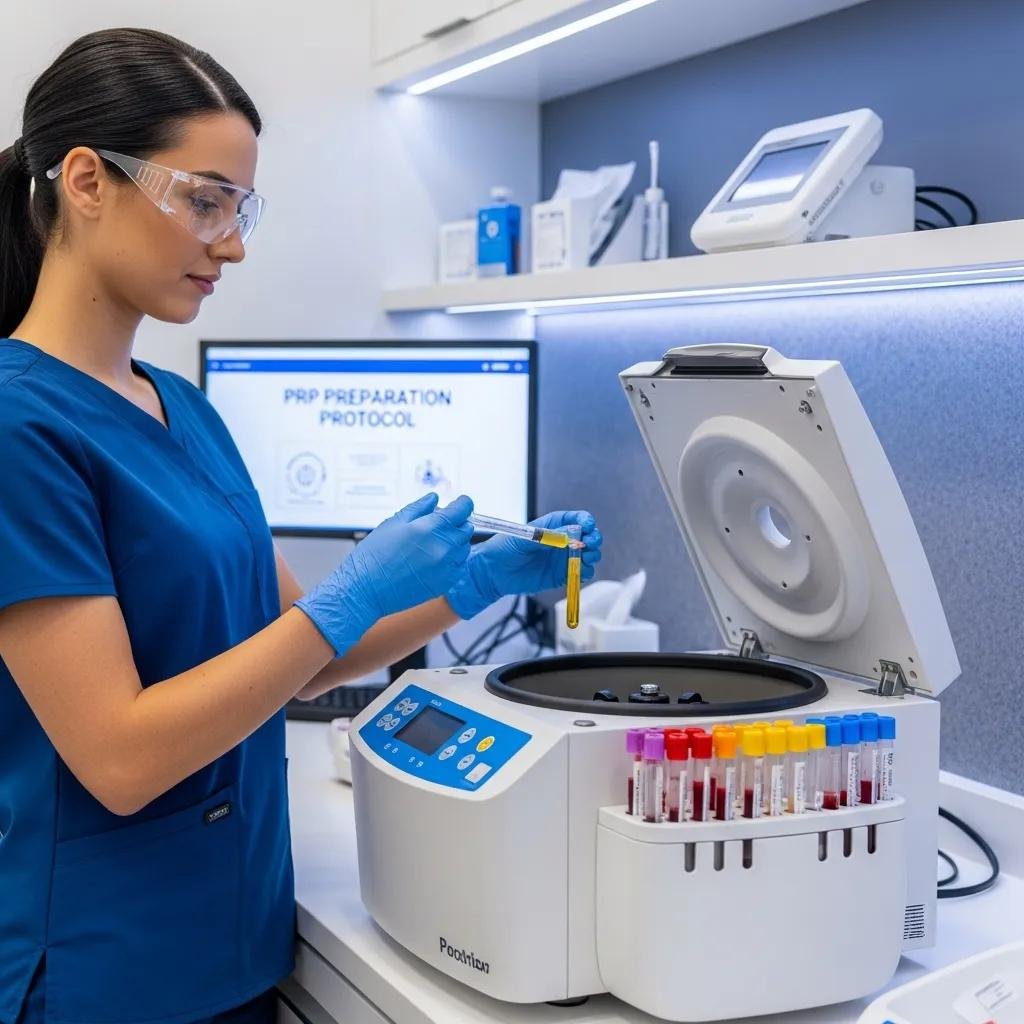
Platelet-Rich Plasma (PRP) therapy uses a patient’s own blood to concentrate growth factors and cytokines, which are then delivered to targeted genital tissues to stimulate repair and regeneration. The process begins with a small blood draw, centrifugation to separate the platelet-rich fraction, and precision injections into sites such as the clitoral complex, vaginal mucosa, or penile shaft; these growth factors recruit stem cell activity, promote angiogenesis, and support collagen remodeling. PRP is autologous, which reduces immunologic risk, and clinical reports describe improved lubrication, increased sensitivity, enhanced orgasmic response, and better erectile function after one or more treatments. The safety profile is favorable when performed in a medical setting with sterile technique, and patients typically experience minimal downtime and a brief course of post-procedure precautions. Understanding PRP’s mechanism leads naturally into how other non-surgical modalities complement regenerative injections.
How Do Non-Surgical Procedures Enhance Sexual Function and Confidence?
Non-surgical procedures — including acoustic wave therapy, fractional vaginal lasers, and topical or systemic hormones — enhance sexual function by improving vascular dynamics, tissue elasticity, and mucosal hydration without incisions or general anesthesia. Acoustic wave devices deliver low-intensity shockwaves that stimulate neovascularization and nerve repair, often used to address mild-to-moderate erectile dysfunction and penile sensitivity concerns, while vaginal lasers or heat-based systems remodel collagen and increase mucosal thickness to reduce vaginal atrophy and dyspareunia. These procedures typically involve short treatment sessions, limited downtime, and the possibility of combining modalities (for example, PRP plus acoustic wave) to achieve complementary effects on circulation, tissue quality, and lubrication. Because these approaches are minimally invasive, they can restore confidence and sexual satisfaction with a lower complication risk than surgery, and they often integrate well into a stepped care plan that includes lifestyle and hormonal assessment.
Which Sexual Wellness Treatments Are Available for Men in Rockville, MD?
Men’s sexual wellness options commonly include PRP-based injections (P-Shot), acoustic wave therapy (GAINSWave-style protocols), and evaluation and treatment for low testosterone with medically supervised hormone therapy when indicated. Each approach targets different mechanisms — tissue regeneration, improved penile blood flow, or systemic endocrine support — and can be used alone or in combination depending on symptom pattern and diagnostic testing. Below is a focused description of key male-targeted options and practical considerations that help patients choose appropriate pathways to improved erectile function and libido.
The P-Shot uses PRP injections to stimulate penile tissue repair, enhance sensitivity, and support improved erectile quality within weeks to months following treatment. Typical candidates include men with mild-to-moderate erectile dysfunction, decreased penile sensitivity, or those seeking regenerative alternatives to surgical or medication-only strategies. Safety relies on sterile technique and proper patient selection; some men may require repeat treatments or adjunctive therapies for longer-term benefits. Understanding P-Shot mechanics informs complementary therapies such as acoustic wave and hormonal assessment.
- P-Shot: PRP injections that promote tissue rejuvenation and may increase sensitivity.
- GAINSWave-style acoustic therapy: Low-intensity shockwave sessions that enhance penile blood flow.
- Low testosterone evaluation and therapy: Medical assessment and supervised hormone optimization to address libido, energy, and systemic contributors.
| Treatment | Mechanism | Typical Outcome |
|---|---|---|
| P-Shot (PRP) | Autologous growth factors delivered to penile tissues | Improved sensitivity and erectile quality in many patients |
| Acoustic wave therapy | Microtrauma-induced angiogenesis and nerve repair | Increased blood flow and performance for mild-to-moderate ED |
| Low testosterone therapy | Hormone replacement after confirmed deficiency | Restored libido, energy, and adjunctive support for erections |
This table compares mechanisms and expected outcomes to help men weigh options before an individualized consultation. The subsequent section explains P-Shot mechanics in greater detail and then contrasts GAINSWave and hormonal approaches to guide decision making.
How Does the P-Shot Improve Erectile Dysfunction and Male Sexual Health?
The P-Shot administers platelet-rich plasma into strategic penile tissues to harness growth factors that stimulate vascular and neural repair, enhancing tissue responsiveness and often improving erection firmness and sensitivity. The injection protocol typically targets the shaft and glans, encouraging neovascularization and collagen remodeling over weeks, with many patients noting incremental improvement within four to twelve weeks. Candidates who benefit most are those with localized tissue changes, post-prostate or pelvic surgery symptoms, or early-stage vascular ED; severe neurogenic or advanced vascular disease may limit outcomes. Side effects are usually transient and mild (localized swelling or brief discomfort), and clinicians often discuss combined approaches such as adding acoustic wave sessions or assessing hormone status to optimize results.
What Are the Benefits of GAINSWave and Low Testosterone Therapy for Men?
GAINSWave-style acoustic therapy increases penile blood flow through repeated low-intensity shockwave applications that trigger angiogenic pathways, supporting improved erection quality particularly in men with vascular insufficiency or poor responsiveness to oral medications. Low testosterone therapy addresses systemic endocrine deficits by restoring serum testosterone to a therapeutic range, which often leads to increased libido, improved mood, and enhanced overall sexual function when deficiency is confirmed by testing. These modalities can be complementary: acoustic therapy improves local hemodynamics while hormone therapy corrects systemic drivers of low desire and energy. Men considering these treatments should undergo appropriate diagnostic evaluation, and a medically supervised plan typically combines testing, treatment, and follow-up to measure objective and subjective benefit.
What Sexual Wellness Options Are Offered for Women in Rockville, MD?

Female-focused sexual wellness services often include PRP-based procedures such as the O-Shot, energy-based vaginal rejuvenation (MonaLisa Touch-style lasers), topical or systemic hormone therapy, and pelvic floor rehabilitation when indicated. These options target lubrication, tissue elasticity, sexual responsiveness, and urinary symptoms by addressing mucosal atrophy, decreased vascularity, and hormonal insufficiency. Below we summarize core female modalities, their intended benefits, and candidacy considerations so patients can understand practical choices for vaginal health and libido restoration.
The O-Shot delivers PRP into the clitoral complex and anterior vaginal wall to promote tissue regeneration, enhance sensitivity, and improve lubrication and orgasmic response for many patients. Typical outcomes include increased vaginal moisture, heightened sexual arousal, and decreased stress urinary incontinence symptoms in selected cases. The procedure uses a brief blood draw, centrifugation, and targeted injections performed under medical supervision; recovery is minimal and patients receive guidance on activity restrictions and expected timelines for gradual improvement. Understanding how PRP compares to laser and hormonal options helps clarify which pathway fits a given patient’s goals.
- O-Shot (PRP): Injected growth factors to enhance clitoral and vaginal tissue function.
- Vaginal laser/energy therapy: Collagen remodeling to treat atrophy and dyspareunia.
- Topical/systemic hormones: Estrogen or other hormonal approaches to restore mucosal health.
| Procedure | Purpose | Downtime |
|---|---|---|
| O-Shot (PRP) | Improve lubrication, sensitivity, and orgasmic function | Minimal; brief soreness |
| Vaginal laser therapy | Treat vaginal atrophy and reduce painful intercourse | Short; possible transient spotting |
| Topical estrogen | Restore mucosal thickness and relieve dryness | None; daily or scheduled application |
This comparison clarifies that PRP targets regeneration, lasers remodel collagen, and hormones provide mucosal trophic support; in clinical practice, providers often combine approaches for optimal symptom relief. The next subsection discusses specifics of the O-Shot procedure and expected timelines.
How Does the O-Shot Support Female Sexual Function and Vaginal Rejuvenation?
The O-Shot injects PRP into anatomical targets such as the clitoral complex and anterior vaginal wall to stimulate local growth factors that increase blood flow, nerve responsiveness, and mucosal thickness, leading to improvements in lubrication, sensitivity, and orgasmic response. The technique begins with autologous blood collection and centrifugation to isolate a platelet-rich fraction, followed by ultrasound-guided or anatomically mapped injections; most patients report gradual changes over four to twelve weeks with potential enhancement after repeat treatments. Pain is typically well controlled with topical or local anesthesia, downtime is minimal, and adverse events are uncommon when performed in a medical setting. Knowing this procedural profile helps patients weigh PRP against laser or hormonal strategies and decide on a tailored plan.
What Treatments Address Female Sexual Dysfunction and Vaginal Atrophy?
Treatments for female sexual dysfunction and vaginal atrophy range from conservative topical estrogens and lubricants to procedural options such as PRP injections or fractional laser resurfacing, with selection guided by symptom severity, menopausal status, and medical history. Topical estrogen remains a first-line therapy for mucosal atrophy, providing predictable restoration of pH and epithelial thickness, while fractional lasers remodel collagen and improve tissue elasticity without systemic hormone exposure. PRP offers a regenerative alternative that may augment both sensitivity and lubrication, and pelvic floor physical therapy addresses muscular contributors to dyspareunia and pelvic pain. A combined algorithm — conservative measures, targeted hormones when indicated, and adjunctive procedural therapies — yields the greatest chance of durable symptom relief and should be planned with medical oversight.
Why Choose Shore MedSpa & Bio Aesthetics for Sexual Wellness in Rockville, MD?
Shore MedSpa & Bio Aesthetics positions sexual wellness services within a medically supervised environment led by Dr. Ronald Shore, a Board-Certified Dermatologist, which supports safe patient selection and evidence-based procedural planning. Physician oversight enhances diagnostic accuracy, appropriate use of regenerative kits and devices, and individualized combination therapy that aligns with patient goals and safety parameters. The clinic context prioritizes sterile technique, medical-grade PRP preparation and centrifugation, and coordinated follow-up to monitor outcomes and plan repeat or adjunctive sessions when indicated. For patients seeking local care in Rockville, this medically integrated model helps translate scientific mechanisms — PRP growth factors, acoustic wave angiogenesis, and hormone optimization — into practical plans with measurable endpoints and scheduled reassessments.
- Medical oversight: Board-certified physician involvement improves safety and outcomes.
- Personalized plans: Treatments are tailored according to evaluation, testing, and goals.
- Combination therapies: Regenerative, device-based, and hormonal options are integrated thoughtfully.
How Does Dr. Ronald Shore’s Expertise Enhance Treatment Outcomes?
Dr. Ronald Shore’s role as a Board-Certified Dermatologist brings procedural expertise, familiarity with tissue anatomy, and clinical judgment to sexual wellness protocols, which improves patient selection and reduces procedural risk. Physician-led assessment enables appropriate diagnostic testing for endocrine issues, careful mapping for PRP injections, and the selection of complementary device settings that match tissue condition and symptom profile. This clinical oversight also facilitates informed consent, realistic outcome expectations, and structured follow-up that captures both objective improvement and patient-reported satisfaction. Knowing that a credentialed clinician guides care supports trust and helps patients confidently choose among available options.
What Personalized Care and Advanced Technologies Are Used for Intimate Wellness?
Personalized care begins with a focused intake and diagnostic testing when indicated, followed by a tailored treatment plan that may combine PRP kits and centrifugation, acoustic wave sessions, and topical or systemic hormone strategies to target identified deficits. Advanced technologies used in-office include medical-grade PRP preparation tools, sterile injection protocols, and non-surgical energy-based devices that are selected for safety, precision, and documented mechanisms of action. Pre- and post-procedure instructions, scheduled follow-up, and outcome tracking are standard components of the care pathway to optimize benefit and manage expectations. For patients in Rockville seeking medically supervised sexual wellness care, this combination of physician oversight and targeted technologies supports measurable progress and a clear plan for maintenance or escalation if needed.